
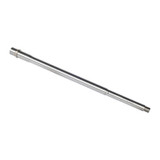
AR-15 & AR-10 Barrels for Every Caliber and Build
The barrel sets the caliber, gas system, twist rate, and muzzle thread for everything else on your upper, so it is the first part worth getting right. AR15Parts.com stocks AR-15 barrels and AR-10 barrels in 18 calibers from Wilson Combat, Ballistic Advantage, Satern, and Shaw, with lengths from 8 inches for compact builds to 24 inches for precision rifles. Every listing spells out the specs you need to match your build before you order.
Choose Your Caliber and Platform
18 Subcategories
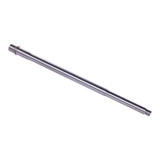
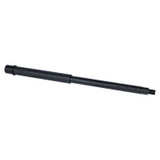
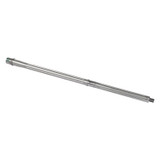
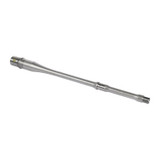
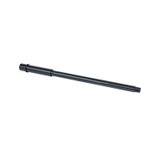
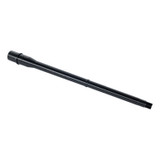
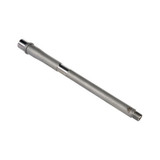
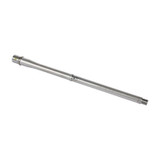
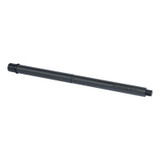
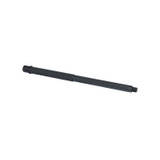
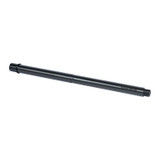
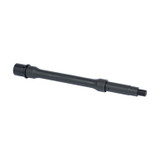
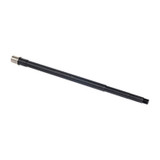
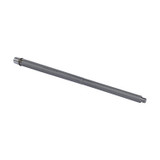
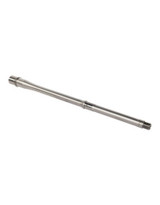
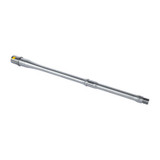
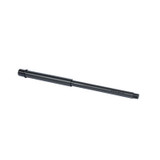
Start with the cartridge you want to shoot, because the caliber decides which bolt, magazine, and receiver the barrel has to work with. Most of our barrels fit the small-frame AR-15, from 5.56 NATO and 223 Wylde to 300 Blackout, 6mm ARC, and big-bore rounds like 450 Bushmaster and 50 Beowulf. Our 308, 6.5 Creedmoor, and 243 Winchester barrels are made for large-frame AR-10 builds. Each caliber page lists the length, profile, steel, finish, twist, thread pitch, gas journal, and gas system length for every barrel in stock.
Why Choose AR15Parts.com?
A barrel is only a good buy if it fits the rest of your parts and shows up when you need it. AR15Parts.com is built around AR-15 and AR-10 builders, so our catalog is organized by caliber and our listings carry the full spec sheet instead of a vague product name. Here is what builders get when they order a barrel from us:
- Trusted Barrel Makers: Wilson Combat, Ballistic Advantage, Satern, and Shaw barrels are stocked alongside AR15Parts.com barrels, in 416R stainless and 4150 chrome moly steel.
- 18 Calibers in One Catalog: From 204 Ruger and 22 ARC to 458 SOCOM and 50 Beowulf, you can source common and specialty chamberings without shopping multiple stores.
- Full Specs on Every Listing: Length, profile, material, finish, twist rate, muzzle thread, gas block journal, gas system length, and feed ramps are listed so you can confirm fit before checkout.
- Reliable Shipping: Orders are packed and shipped quickly, and our team can answer shipping questions before you buy.
How to Choose the Right AR Barrel
Picking a barrel comes down to a few decisions. Get these right and the rest of the upper falls into place.
1. Caliber and Platform
Decide how the rifle will be used first, then pick the cartridge. AR-15 barrels and AR-10 barrels are not interchangeable, and some AR-15 calibers need a different bolt or magazine than a standard 5.56 build. 300 Blackout runs on a standard 5.56 bolt and magazines, while 6.5 Grendel, 6mm ARC, and 22 ARC use a Grendel-pattern bolt and their own magazines.
2. Barrel Length and Gas System
Barrel length drives handling and velocity, and the gas system has to match the barrel. Shorter barrels suit AR pistols and compact builds, 16-inch barrels are the all-around choice, and 18 to 24-inch barrels favor precision and long-range shooting. Buy the gas block and gas tube that match the gas system length on the listing: pistol, carbine, mid-length, or rifle.
3. Twist Rate
The twist rate needs to stabilize the bullets you plan to shoot. Faster twists like 1:7 handle longer, heavier bullets, while slower twists suit lighter projectiles. Check the twist on the listing against the bullet weights you use most.
4. Steel, Finish, and Profile
4150 chrome moly steel is the durable, hard-use choice, and 416R stainless is favored for precision builds. Finish options like Parkerized, QPQ, bead blast, and matte stainless add corrosion resistance. Lighter profiles keep the rifle handy, while medium, heavy, and bull profiles add weight that helps during long strings of fire.
5. Muzzle Thread and Gas Journal
Match the muzzle thread to your muzzle device or suppressor mount. Most 5.56 and 223 Wylde barrels use 1/2x28, most .30 caliber and 6mm barrels use 5/8x24, and big-bore barrels use larger pitches like 5/8x32 and 3/4x24. The gas block journal diameter on the listing tells you which gas block to buy.
Need help matching a barrel to your upper? Compare the fitment details and product specifications on each listing before you buy.
Barrels Built for Every Build
Builders come to us for barrels for all kinds of reasons, from replacing a worn-out barrel to starting a new upper from scratch. Here are the most common builds our customers choose barrels for:
- Replacing a worn or shot-out barrel on an existing AR-15 upper
- Building a new AR-15 or AR-10 upper from a stripped receiver
- Switching an existing rifle to a new cartridge like 6mm ARC or 350 Legend
- Suppressor-host builds with threaded 300 Blackout and 338 ARC barrels
- Compact AR pistol builds with 8 to 10.5-inch barrels
- Deer and hog hunting with 350 Legend, 450 Bushmaster, and 6.5 Grendel
- Varmint and long-range precision rifles in 204 Ruger, 224 Valkyrie, and 22 ARC
- Large-frame AR-10 builds in 308, 6.5 Creedmoor, and 243 Winchester
Find the Right Barrel for Your Build Today
Choosing a barrel is not always simple, especially when a new caliber means a new bolt, magazine, or gas block. The team at AR15Parts.com works with AR-15 and AR-10 parts every day and can walk you through caliber, length, gas system, twist rate, and thread pitch before you buy.
Contact AR15Parts.com with questions about a barrel. Our team can help you confirm the barrel fits your receiver, bolt, and handguard before you place your order.
Frequently Asked Questions
Do I need an FFL to buy an AR barrel?
No, not under federal law. A barrel is not considered a firearm, so it ships directly to your door. Only the serialized lower receiver requires an FFL transfer. Some states and cities have their own rules, so check your local laws before ordering.
Will an AR-15 barrel fit an AR-10?
No. AR-15 and AR-10 barrels use different barrel extensions, receivers, and bolts, so they cannot be swapped between platforms. AR-10 receivers also vary by pattern, so confirm your upper receiver, barrel extension, and handguard fit before ordering a 308, 6.5 Creedmoor, or 243 Winchester barrel.
Do I need a new bolt when I change calibers?
It depends on the cartridge. 223 Wylde, 5.56 NATO, and 300 Blackout barrels work with a standard 5.56 bolt carrier group. Cartridges like 6.5 Grendel, 6mm ARC, and 22 ARC need a Grendel-pattern bolt, while 7.62x39 and big-bore rounds such as 450 Bushmaster, 458 SOCOM, and 50 Beowulf need their own bolts. Most caliber changes also require matching magazines.
What gas system length should I choose?
Use the gas system length listed for the barrel. As a general rule, pistol and carbine gas systems pair with shorter barrels, mid-length gas is common on 16-inch barrels, and rifle-length gas is used on 18 to 24-inch barrels. Your gas tube length has to match the barrel.
What twist rate do I need?
Match the twist rate to your bullet weight. Faster twists like 1:7 and 1:8 stabilize longer and heavier bullets, while slower twists work for lighter bullets and many big-bore cartridges. Each barrel listing shows its twist rate so you can compare it with the ammunition you plan to shoot.
What is the difference between 4150 chrome moly and 416R stainless barrels?
4150 chrome moly (CMV) is a tough, mil-spec style steel that holds up well to hard use and rapid fire. 416R stainless is popular for precision and varmint rifles because it machines cleanly and resists corrosion. Both are good choices, so pick the one that fits how you will use the rifle.
Do I need to check headspace when I install a new barrel?
Yes. Checking headspace with the correct gauges confirms the barrel and bolt fit within safe limits, and it is a key step any time you pair a new barrel with a bolt. If you are not comfortable installing a barrel yourself, have a qualified gunsmith do the install.