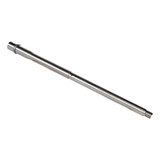
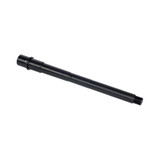
300 Blackout Barrels for Sale
AR15Parts.com carries 300 Blackout Barrels for suppressed short builds, supersonic range rifles, and 16-inch no-NFA setups. We help you compare barrel length, twist rate, gas system, muzzle threads, and the upper components needed for the ammunition and use case you have in mind. Call (888) 706-0633 or use our contact form for help.
Find the right .300 Blackout barrel for your next AR build.
300 Blackout Barrels for AR Builds
AR15Parts.com offers .300 AAC Blackout barrels for builders using light supersonic ammunition, heavy subsonic loads, or both on the AR-15 platform. A .300 BLK barrel is caliber-specific, while a correctly configured upper remains compatible with a standard AR-15 lower receiver.
A 5.56 barrel cannot safely chamber .300 Blackout ammunition. The cartridges share a parent case and can fit many standard AR-15 magazines, but .300 Blackout requires its own chamber, bore diameter, and clear caliber marking. Keep .300 BLK ammunition and magazines clearly marked and separated from 5.56 NATO ammunition and firearms.
Choose the Barrel Around Your Build
Compare barrel length, gas system, twist rate, profile, finish, muzzle threads, and intended ammunition before buying. Short .300 BLK barrels commonly use pistol-length gas, while longer options may use pistol- or carbine-length systems according to the manufacturer’s port design.
DRP, Heavy, Medium, Ranger, and Recon Fluted profiles balance weight and stiffness differently. Chrome-moly barrels with nitride treatment are commonly selected for corrosion resistance, while stainless options are often considered for accuracy-focused builds.
Buy a barrel when you are assembling the upper and selecting your own gas block, handguard, muzzle device, and carrier group. For an assembled option, shop our 300 Blackout complete uppers for your lower.
How Do You Choose a 300 Blackout Barrel?
Start with the role of the rifle and the loads you expect to use. .300 Blackout works with supersonic and subsonic ammunition, but reliable cycling, velocity, and handling depend on the barrel, gas-port design, buffer system, suppressor choice, and ammunition. Barrel length alone does not determine whether a build will cycle a given load.
| Build Priority | Common Barrel Range | Key Considerations |
|---|---|---|
| Compact build | Approximately 8 inches | Confirm the listed gas system, muzzle threads, handguard clearance, and applicable firearm-configuration requirements. |
| Suppressed host | Approximately 8 to 10.5 inches | Verify the barrel shoulder, thread pitch, suppressor mount, handguard inside diameter, and required exposed-barrel length for the mount. |
| General-purpose upper | Approximately 10.5 to 16 inches | Balance compact handling with accessory placement, ammunition preference, and the manufacturer’s gas-system specification. |
| Rifle configuration | 16 inches | Provides a longer traditional setup and avoids short-barreled rifle concerns when configured in compliance with current law. |
Verify these details before you select a barrel:
- Chamber marking: Confirm the barrel is marked .300 AAC Blackout or .300 BLK, not 5.56 NATO.
- Twist rate: We list 1:7 and 1:8 twist barrels. A 1:8 twist is a common all-around choice, while a 1:7 twist can be selected for certain heavy, long subsonic projectiles. Actual stabilization depends on bullet length, construction, and velocity.
- Gas-system specification: Do not assume gas-port sizing from barrel length. Manufacturers can use different port diameters and locations, which affects unsuppressed and suppressed cycling.
- Gas-block journal and profile: Check the listing for journal diameter, often .750 inch but not universal, and choose a profile that fits your intended handguard and handling needs.
- Muzzle threads and shoulder: Confirm thread pitch, thread length, shoulder geometry, and compatibility with the selected muzzle device or suppressor mount.
- Material and finish: Chrome-moly vanadium with nitride suits hard use, while stainless is often selected for match-grade accuracy work.
What's Included in Our 300 Blackout Barrel Selection
Our .300 AAC Blackout barrel selection supports compact, suppressor-oriented, general-purpose, and rifle-length builds. Review each product listing for its actual length, gas system, twist, journal size, thread specification, material, and finish before adding related components.
8-Inch Barrels for Compact Builds
Our 8-inch Ballistic Advantage DRP Modern Series barrel keeps a build compact, but it requires careful parts matching. Confirm the barrel's gas system, handguard length, muzzle-device clearance, and current federal, state, and local requirements for the completed firearm configuration.
10.5-Inch Barrels for Suppressor-Focused Builds
Our 10.5-inch Ballistic Advantage DRP Modern Series barrel is commonly considered for compact suppressor hosts. Suppressor fit depends on more than barrel length, so verify the mount's thread requirements, barrel shoulder contact, handguard inside diameter, and the amount of barrel that must remain exposed in front of the handguard.
16-Inch Barrels for General-Purpose Builds
Our 16-inch house Heavy Parkerized, Satern Medium Stainless, and Wilson Combat Ranger and Recon Fluted barrels offer a balance of handling and room for a practical handguard, sights, lights, and muzzle-device setup. Compare the gas-system listing and your planned ammunition before finalizing the upper.
16-Inch Barrels for Rifle Configurations
16-inch barrels fit traditional rifle configurations and provide additional space for a longer handguard. They remain caliber-specific .300 BLK components and should be paired with correctly marked ammunition and magazines.
1:8 Twist Options for Common Load Weights
A 1:8 twist .300 Blackout barrel is commonly chosen for approximately 125-grain supersonic and 220-grain subsonic loads. It is a versatile starting point, not a guarantee for every bullet design, velocity, suppressor, or cycling setup.
Profiles, Steel Types, and Finishes
Our DRP, Heavy Parkerized, Medium Stainless, Ranger, and Recon Fluted profiles each balance weight and stiffness differently. Material and finish affect corrosion resistance, cleaning, and handling, but proper storage and routine inspection still matter.
How It Works
Start with the job your rifle needs to do, then confirm every upper component against the barrel listing.
1. Choose the Build Role
Decide whether your priority is a compact configuration, a suppressor host, a general-purpose upper, or a 16-inch rifle setup. That decision guides barrel length, handguard selection, muzzle-device placement, and the compliance questions to review.
2. Match the Gas System
Use the gas-system length and gas-block journal listed for the specific barrel. Select the corresponding gas tube and a properly sized gas block, then understand that ammunition, suppressor backpressure, buffer weight, and gas-port design all influence function.
3. Verify the Listing Specifications
Confirm the .300 Blackout chamber marking, twist rate, journal diameter, muzzle threads, barrel shoulder, steel type, finish, extension, and any included components before ordering.
4. Match the Remaining Upper Components
Use a compatible upper receiver, gas tube and block, handguard with proper clearance, charging handle, and a standard AR-15 5.56-pattern bolt and carrier. .300 Blackout generally uses that same bolt-face and carrier pattern, but it always requires a dedicated .300 BLK barrel. Clearly mark magazines and maintain strict caliber separation because .300 BLK cartridges can fit in many 5.56 magazines.
Need help matching parts for your build? Call us at (888) 706-0633.
Signs It's Time for a 300 Blackout Barrel
A .300 Blackout barrel is the correct choice when your build calls for a dedicated .300 BLK chamber rather than a 5.56 setup, or when you are replacing a barrel with damage, corrosion, or worn muzzle threads.
You Want a Dedicated .300 Blackout Build
Choose a dedicated .300 AAC Blackout barrel for an AR-15 upper intended for .300 BLK ammunition. Label magazines and ammunition clearly to reduce the risk of a dangerous caliber mix-up.
You Need a Compact Barrel Configuration
Shorter barrels can support compact builds, but verify the complete firearm configuration before assembly. Barrel length is only one part of the legal analysis, and stocks, braces, suppressors, overall configuration, and current rules can matter.
You Are Planning Around Subsonic or Supersonic Loads
Match twist, gas system, and muzzle-device plan to the loads you actually intend to use. Heavy subsonic ammunition and lighter supersonic ammunition can create different cycling and point-of-impact considerations.
Your Current Build Needs a Caliber-Specific Barrel
A 5.56 barrel cannot safely chamber .300 Blackout. Select a clearly marked .300 BLK barrel, then verify that the bolt, gas system, handguard, and muzzle device fit the listed specifications.
Your Barrel Shows Wear or Damage
Damaged crowns, visible bore corrosion, pitting, bulges, cracking, or worn threads require inspection. Seek qualified help if safety, headspace, or function is in question.
Why Choose AR15Parts.com for 300 Blackout Barrels
A Trusted AR Parts and Accessories Retailer
AR15Parts.com is a firearms parts and accessories retailer giving builders nationwide a direct source for .300 Blackout barrel specifications and related AR components by phone and online.
A Specification-First Buying Framework
Compare barrel length, gas-system length, chamber, twist, profile, material, journal size, muzzle threads, and finish before pairing a barrel with your upper and ammunition plan.
Clear Product Details Before You Order
Review the product listing for the chamber marking, twist rate, gas-system length, steel type, finish, muzzle threads, and price before ordering. If a compatibility detail is unclear, contact the team before purchasing parts that must fit together.
Need help comparing barrel specifications? Call us at (888) 706-0633.
Find the Right 300 Blackout Barrel
Compare 300 Blackout Barrels by length, gas system, twist rate, profile, muzzle threads, and finish before you buy. For a barrel-only build, confirm handguard clearance, gas-tube compatibility, gas-block journal size, and your muzzle-device plan. For an assembled option, review the available 300 Blackout complete uppers.
This information is not legal advice. Before assembling, modifying, or transferring a firearm, review current ATF guidance and all applicable Texas and local requirements for the complete configuration.
Compare barrel specifications and talk with our team at (888) 706-0633.
Frequently Asked Questions
Is a 1:8 Twist Good for 300 Blackout?
Yes. A 1:8 twist 300 Blackout barrel is a common all-around choice for approximately 125-grain supersonic loads and approximately 220-grain subsonic loads.
Bullet construction, velocity, and intended use still affect results. A long, heavy projectile may behave differently than a lighter hunting bullet, even at the same listed weight. Check the ammunition maker’s guidance and test the loads you plan to keep on hand.
What Barrel Length Is Best for 300 Blackout?
The right 300 BLK barrel length depends on the role of the build. An 8-inch barrel keeps a compact PDW-style setup short. A 10.5-inch barrel is a common suppressor-focused option, while a 16-inch barrel gives a general-purpose build more handguard and accessory space.
A 16-inch barrel fits a rifle configuration and avoids the short-barreled rifle classification issues that can apply to shorter stocked builds. Federal, state, and local rules can apply to barrel length, braces, stocks, suppressors, and overall configuration. Review current requirements before assembling or changing your firearm.
Do Short 300 Blackout Barrels Use Pistol-Length Gas?
Yes. Pistol-length gas is common on short .300 Blackout barrels because the cartridge produces its pressure curve close to the chamber. A 300 Blackout pistol gas barrel often uses a gas port positioned around four inches forward of the chamber.
That placement can provide the gas needed for short-barrel configurations, including many suppressed setups. Do not assume every short barrel uses the same system. Follow the actual barrel specification, then match the gas tube, gas block, buffer setup, bolt carrier group, and ammunition to that configuration.
Can I Use a Standard AR-15 Lower for 300 Blackout?
Yes. A .300 Blackout upper can run on a standard AR-15 lower because the cartridge uses the AR-15 receiver pattern and standard 5.56-size bolt face. The barrel and chamber are what change the caliber, not the lower receiver.
You still need a matched .300 Blackout barrel, upper receiver, gas system, bolt carrier group, magazines, and ammunition. Standard AR-15 magazines can generally feed .300 Blackout, but clearly mark them to prevent mixing .300 Blackout ammunition with 5.56 NATO firearms. A complete setup can reduce parts-matching questions, so review our 300 Blackout complete uppers if you want an assembled upper configuration.
Is Stainless Steel or Nitride Better for a 300 Blackout Barrel?
Neither finish is automatically better. Stainless steel is a common precision-oriented option, especially for shooters who want a match-grade barrel and plan to focus on load development. Chrome-moly steel with a nitride treatment is a common choice for durability and corrosion resistance.
Nitride-treated chrome-moly barrels are often selected for hard-use rifles and frequent handling in changing weather. Stainless can be a strong fit for accuracy-focused builds, but chamber quality, bore dimensions, gas-port sizing, and ammunition selection also matter.
What Should I Review Before Ordering a 300 Blackout Barrel?
Review the barrel length, gas system, twist rate, profile, chamber, muzzle thread, extension type, material, and finish before ordering. Confirm that the barrel supports the intended build, from an 8-inch compact configuration to a 16-inch rifle setup. Also verify the handguard length, gas tube length, muzzle device fit, and the parts already in your cart.
Price matters, but the specification should come first. Our DRP, Heavy, Medium, Ranger, and Recon Fluted profiles each balance weight and stiffness differently. Call us at (888) 706-0633, or contact our team with your build questions.
6 Products