
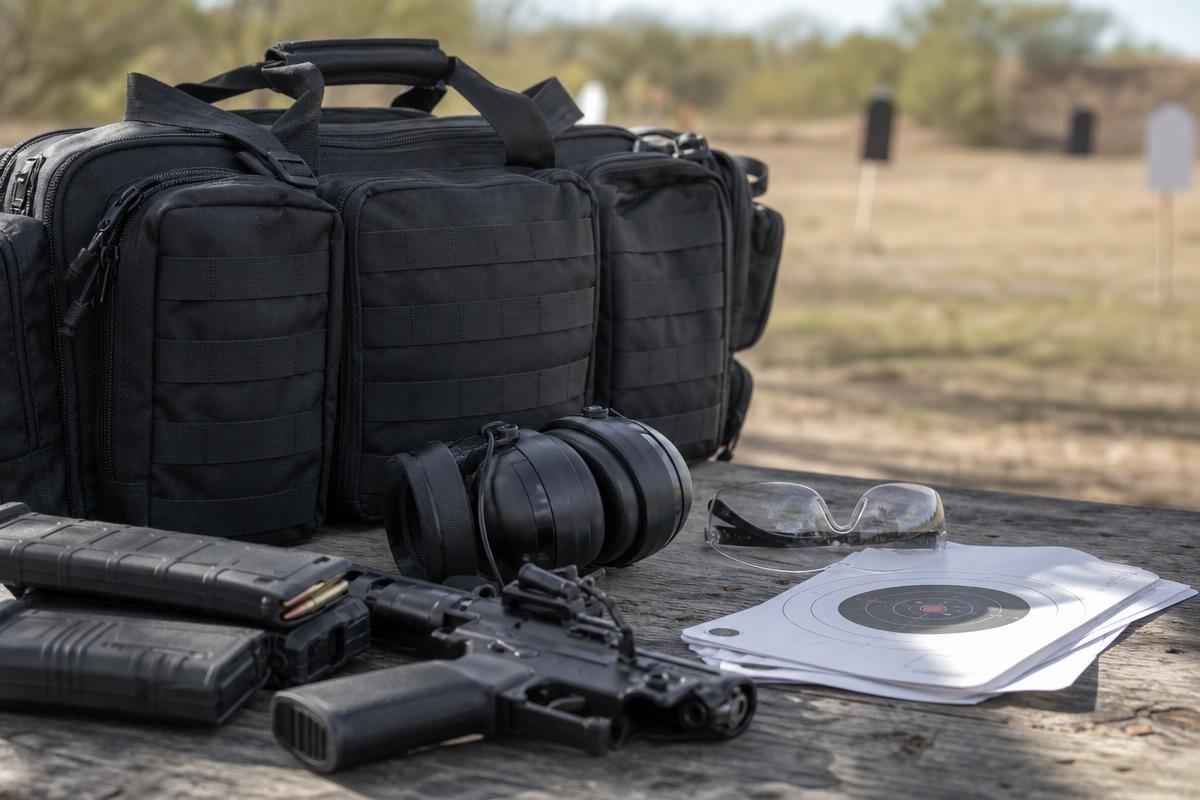
Before heading to a Denison or Texoma-area range, confirm that facility’s current target, ammunition, reservation, and protective-equipment policies. Requirements can differ between indoor lanes, outdoor bays, and private facilities. Below, we cover the gun range essentials for a safe, organized AR-15 session, including a practical pre-trip inspection for Texas heat, wind, and travel. At AR15Parts.com, we can help you compare AR-15 parts, complete rifles, uppers, magazines, and range-ready accessories; orders ship from our Denison, TX facility.
Need help building a practical range kit for your rifle?
Key Takeaways
- Pack eye protection, hearing protection, correct ammunition, and a basic first-aid kit for every range visit.
- Follow applicable law and the facility’s posted transport and handling policies. Keep the firearm unloaded until the range permits loading.
- For outdoor Texoma sessions, bring water, sun protection, weather-appropriate layers, and target hardware only if the facility allows it.
- Carry compact tools and cleaning supplies for basic AR-15 checks, but stop and ask staff if a malfunction cannot be safely resolved under facility procedures.
The 10 Gun Range Essentials to Pack Before You Leave
The core gun range essentials are protective equipment, a safely transported firearm, compatible ammunition, magazines, targets, first aid, support gear, tools, cleaning supplies, and a way to carry it all. Use this range packing list before each trip, then verify the specific facility’s current rules for ammunition, targets, reservations, and required equipment.
1. Eye and Hearing Protection
Pack impact-rated eye protection and hearing protection for every shooter and observer. Bright North Texas sun can make clear or lightly tinted lenses useful outdoors, but inspect lenses for cracks, deep scratches, or dirt that can interfere with visibility.
2. A Safely Transported Firearm and Secure Case
Transport the firearm unloaded in a case that protects it from impact and keeps it contained during travel. A secure rifle case should fit the rifle, optic, and sling without putting pressure on the controls.
3. Compatible Ammunition
Read the cartridge marking on your barrel before packing ammunition. Match that marking to the ammunition box, then verify the range’s restrictions on projectile type, steel-core ammunition, and caliber. Indoor facilities may have different projectile or caliber limits than outdoor properties.
4. Compatible Magazines
Compatible magazines keep firing-line handling orderly and reduce avoidable feeding issues. Pack magazines that fit your rifle and inspect them before leaving, especially when bringing complete AR-15 rifles to a first range session.
5. Approved Targets
Paper targets are common for bench work and sight adjustment. Steel targets may require specific distances and ammunition, so check each facility’s posted policy before you pack either type. Bring a stapler, clips, or target backers only when the range permits customer-supplied target hardware.
6. A Basic First-Aid Kit
Carry a basic first-aid kit in an easy-to-reach pocket of your range bag. Include supplies appropriate for minor cuts, scrapes, and blisters, and know where the facility keeps its emergency equipment.
7. Rifle Support Gear
A front bag, rear bag, bipod, or bench rest helps hold the rifle steady while zeroing an optic or shooting controlled groups. Support gear improves consistency, but it never replaces muzzle discipline and safe handling.
8. A Compact Tool Kit
Pack a compact driver set, optic adjustment tool, multi-tool, and spare optic battery. These small items address simple sight adjustments or loose accessories without turning your bag into a full workbench. Use manufacturer-specified torque values rather than tightening fasteners by feel.
9. Range-Side Cleaning Supplies
Bring a bore snake or rod, chamber brush, lubricant, patches, and a rag. These items help remove loose fouling or wipe down equipment before it goes back into the case. They are for routine maintenance, not for forcing a malfunctioned rifle back into service.
10. A Range Bag That Keeps Gear Organized
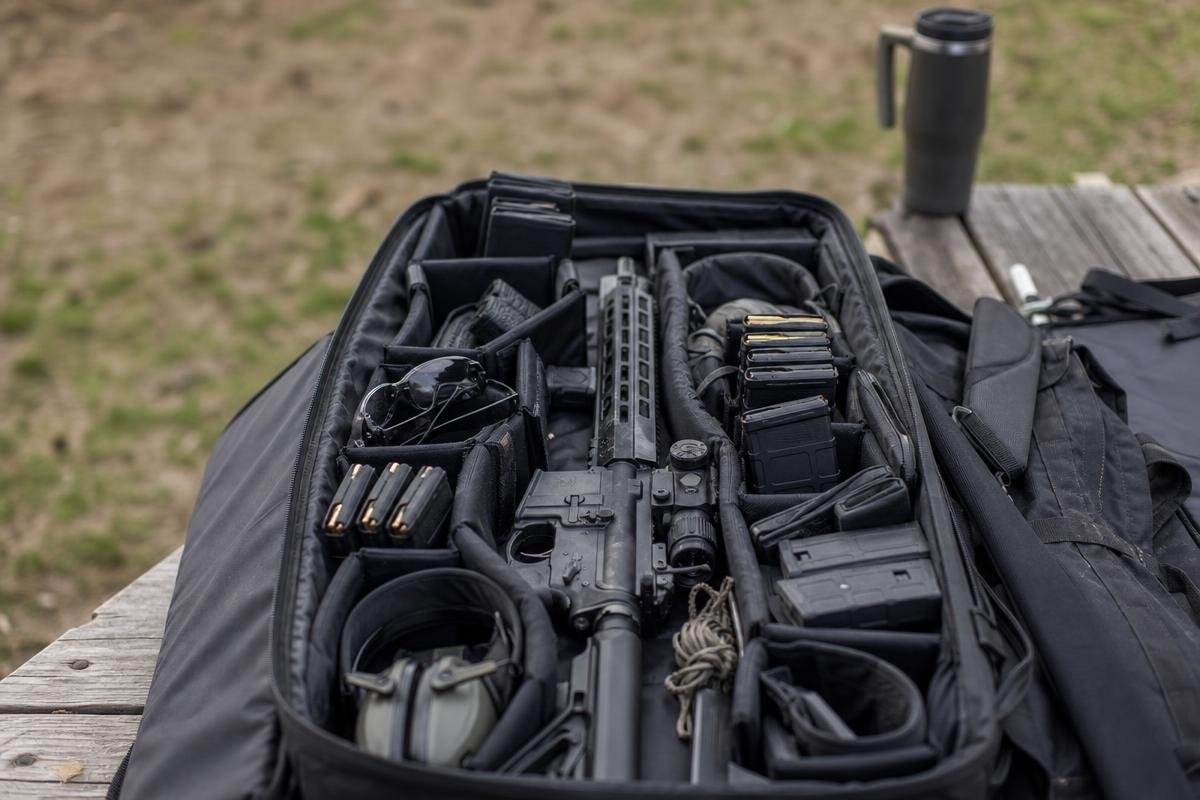
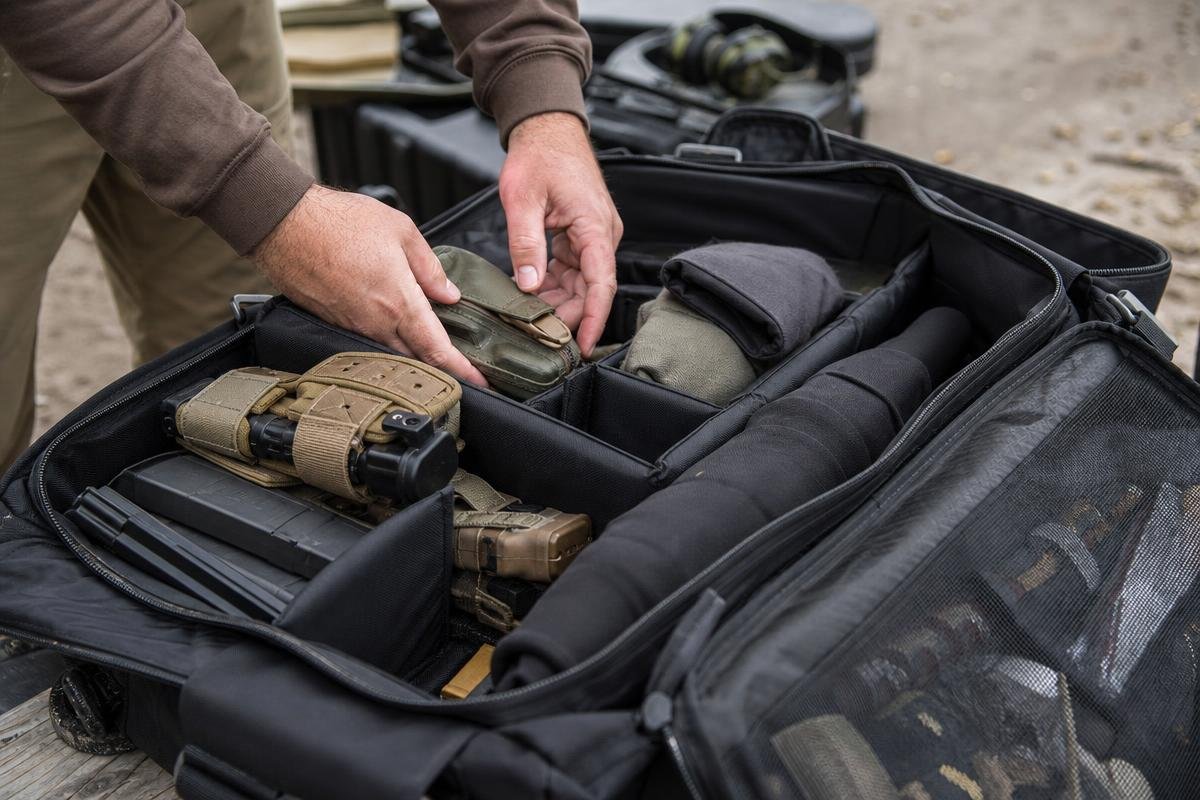
A dedicated bag keeps ammunition, magazines, tools, and safety gear separated and easy to find. Build your range kit around labeled pockets or pouches so you can complete a quick pre-departure inspection without sorting loose items in a parking lot.
Safety-Critical Items Versus Useful Range-Bag Extras
Separate safety gear from convenience gear before you pack. This gear checklist keeps required items accessible and prevents a forgotten target clip or spare magazine from taking priority over eye and hearing protection.
Safety-Critical Gear
Safe range visits require protective equipment, correct ammunition, and a secure transport plan. Posted facility requirements always override a general checklist, so review the facility’s official website or call ahead to confirm current range rules and rifle requirements.
- ANSI-rated eye protection and properly fitted hearing protection.
- A secure rifle case that keeps the firearm protected during transport.
- Correct ammunition for your chamber, stored in clearly marked containers.
- A basic first-aid kit, including supplies for minor cuts and burns.
- Any facility-required equipment, such as chamber flags or target carriers.
Keep firearms unloaded during transport and follow applicable law plus the facility’s posted transport and handling policies. Keep the firearm cased until staff or the facility procedure directs otherwise. When choosing a gun range in Denison or elsewhere in the Texoma area, verify permitted ammunition, reservation policies, and required protective gear directly with that facility.
Useful Extras for Comfort and Setup
Outdoor benches often need more support gear than an indoor lane. A private-property setup may also require your own table, seating, target hardware, and cleanup supplies.
- Folding table, shooting stool, and spotting optic.
- Weather-appropriate layers, water, sunscreen, and permitted shade support.
- Notebook for recording zero changes, groups, and ammunition results.
- Staple gun or target clips, if allowed, plus a small trash bag.
For outdoor sessions, high temperatures, glare, gusty wind, and sudden weather changes can affect comfort and target visibility. Pack extras for the forecast and the facility, not because every range requires them. Need a better way to organize protection, tools, magazines, and other range-day gear?
Shop AR-15 Parts and Range Gear
How to Pack Ammunition, Magazines, and an AR-15 for the Range
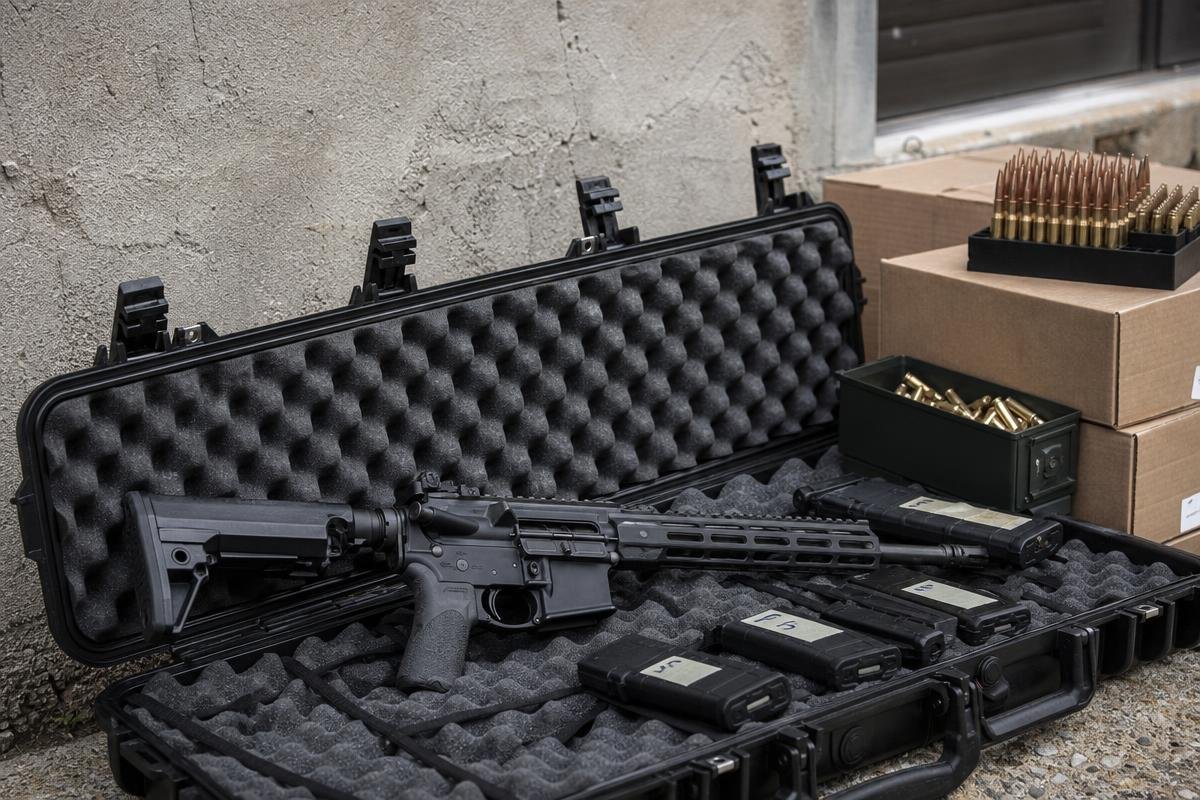
Pack ammunition, magazines, and the rifle before leaving home. Sorting gear in a parking area invites mix-ups and may conflict with facility procedures. Keep ammunition types separated, labels visible, and the rifle unloaded and cased for travel.
Read the Barrel Marking Before Packing Ammunition
The barrel marking determines the ammunition your AR-15 is chambered for. Do not rely on the rifle’s appearance or a guess based on cartridge size. Read the marking on the barrel, then match the ammunition box to that chamber designation.
For example, 5.56 NATO and .223 Remington are related but not identical specifications. A barrel marked 5.56 NATO is commonly intended for 5.56 NATO ammunition, but consult the rifle or barrel manufacturer if you are unsure. Review our 5.56 NATO complete uppers if you need to verify an upper configuration before packing.
Inspect and Organize Magazines
Check each magazine before it goes into the bag. Look for cracks, damaged feed lips, weak retention, bent bodies, or visible debris inside the magazine. Leave questionable magazines at home until they can be inspected more closely.
Keep different ammunition types in separate, clearly marked containers. Follow applicable law and the facility’s policies for magazine transport and loading. Keep magazines secured until you are on the firing line and the facility permits loading.
Keep the Rifle Unloaded and Cased Until Directed Otherwise
Transport the rifle unloaded in a suitable case, with magazines separate from the firearm unless applicable law and the facility’s procedures provide otherwise. Keep it cased until the facility directs you to the firing line. If the range requires it, keep the action open so chamber status is visible.
For a quick AR-15 pre-trip inspection, verify the chamber is clear, the bore is unobstructed, the optic and mount are secure, the sling is not tangled around the controls, and the selected magazines are undamaged. If you need help selecting parts or checking compatibility, contact our team.
Range Tools and Cleaning Gear That Solve Common Bench Problems
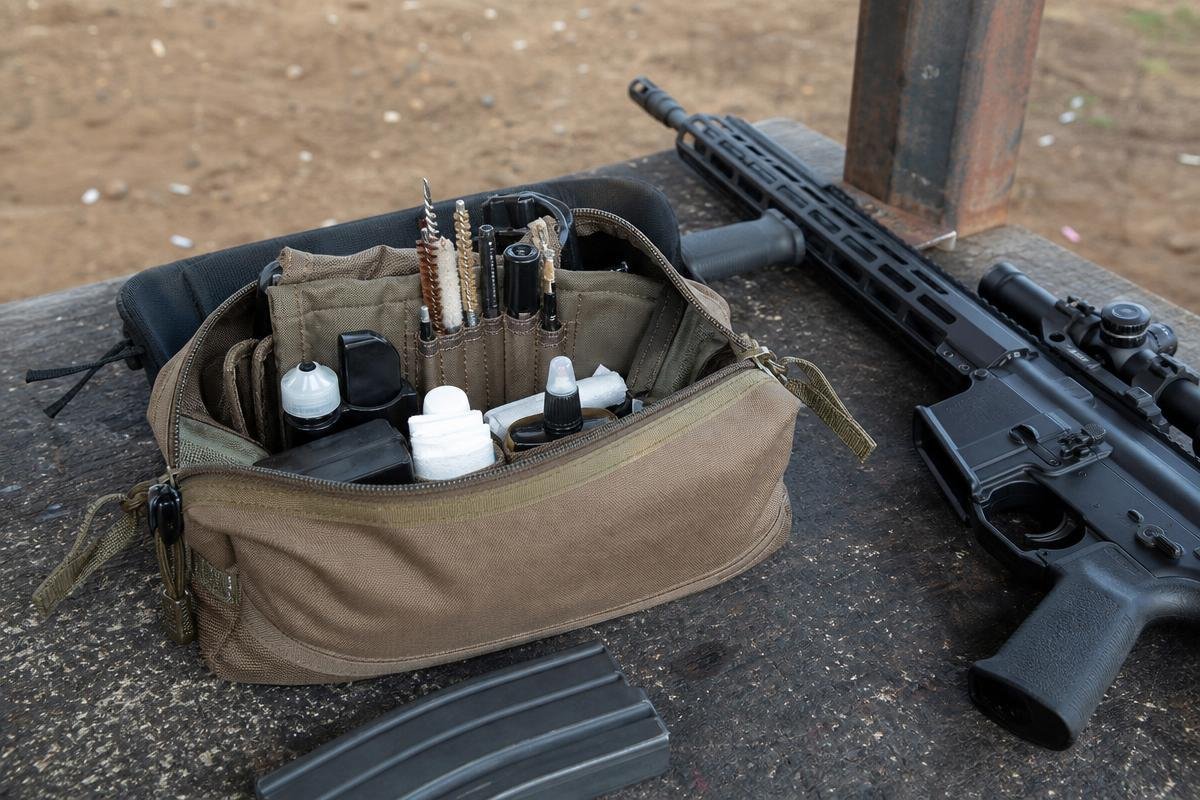
A small tool pouch can keep a loose optic mount, dead red-dot battery, or dirty chamber from ending planned practice. Good AR-15 range gear covers simple checks at the bench without turning your range bag into a workbench.
Tools for Optics and Fasteners
Pack correctly sized driver bits, an optic adjustment tool, and a compact multi-tool. Keep a spare battery in its original package, and check lenses before heading into bright outdoor conditions around the Texoma area. Torque values must come from the optic or mount manufacturer, not guesswork. If you need to confirm your sight after a change, follow your optic manufacturer's zeroing instructions before the next session.
Cleaning Supplies for Normal Range-Side Maintenance
A chamber brush, bore snake or cleaning rod, patches, lubricant, and a rag handle normal range-side maintenance. These range bag essentials remove loose fouling and wipe down contact surfaces after a dusty session. Pack only what you can use safely at the bench. A full cleaning can wait until you are home, unless range staff direct otherwise.
When to Stop and Ask Range Staff
Stop firing if you cannot identify and safely clear a malfunction under the facility's procedures. Do not force an action, strike the rifle, or continue with an unresolved issue.
Ask range staff for direction before handling the problem further. If you are modifying a rifle, follow the component manufacturer's instructions and inspect the rifle before packing it for the next trip.
Need help selecting practical range-bag items or compatible AR-15 components? Call us at (888) 706-0633.
Before You Go: Confirm the Range Rules and Your Practice Plan
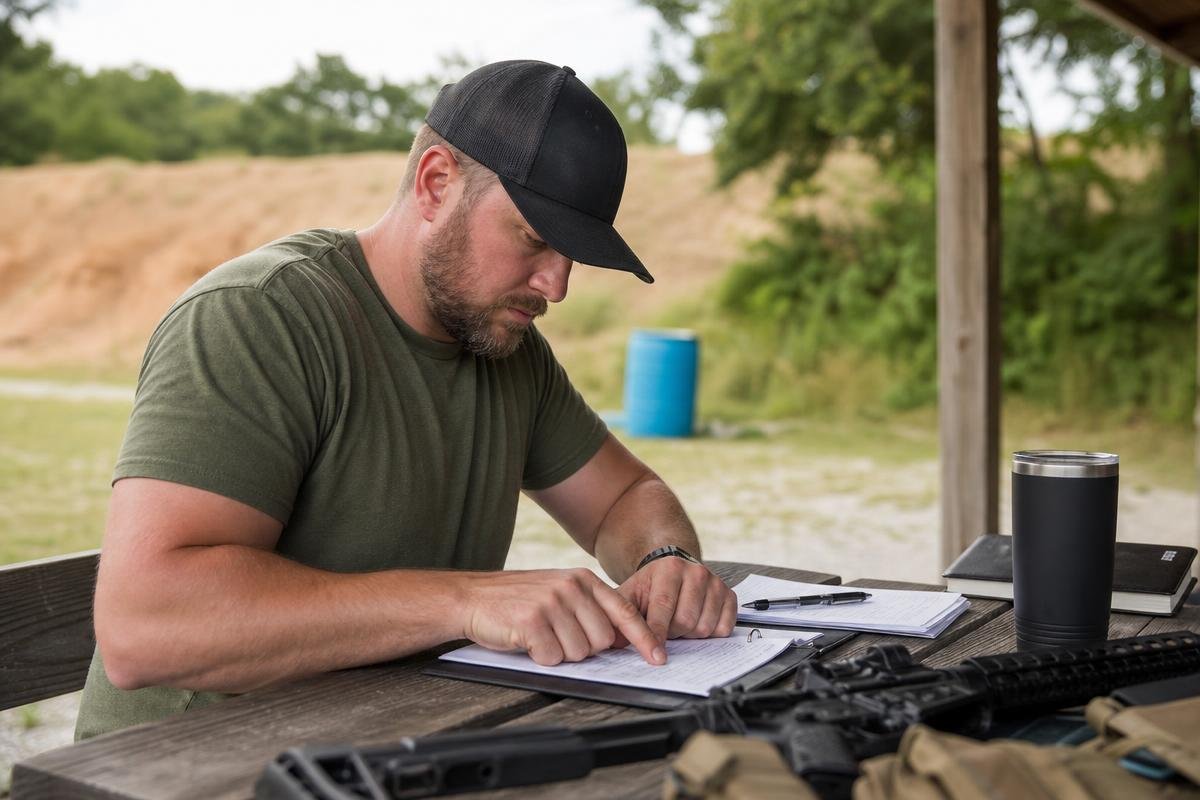
Before leaving, confirm the range’s current rules, required eye and hearing protection, permitted ammunition, target policy, reservation process, and any facility-specific age requirements. A range packing list is only useful after you confirm what that specific facility allows.
Confirm Current Facility Requirements
Rules can change between visits. Check the facility website or call before you pack, even if you have shot there before. Confirm target types, ammunition restrictions, rifle case procedures, whether a lane or bay reservation is needed, and any rules on bringing water, shade, or support equipment.
New shooters should review a complete AR-15 rifle selection before planning a first range trip. Bring only the firearm, ammunition, targets, magazines, and gear allowed for that session.
Set One Clear Practice Goal
A useful first goal is confirming your zero, checking reliability with one ammunition type, or recording group size at the permitted distance. Write the goal down with the load, distance, and sight setting.
For a zeroing session, bring the rifle, correct ammunition, eye and hearing protection, paper targets, a stable front and rear support, an optic adjustment tool, and a notebook. This keeps the session focused and makes later results easier to compare.
Denison Range-Day Preparation for Heat, Wind, and Local Travel

Warm, bright range days around Texoma require more than basic gun range essentials. Pack for sun exposure, changing wind, and a drive that may take you beyond town limits. Always follow current facility rules and applicable Texas transport guidance.
Prepare for Heat and Bright Sun
Bring water, sunscreen, a hat, and shade if your range allows it. Bright sun can wash out target details and make reticle illumination harder to see. Clear eye protection and spare optic batteries belong with your AR-15 range gear.
Keep water where you can reach it between strings. Heat fatigue can affect focus, trigger control, and your ability to read targets correctly. For indoor lanes, a lighter kit may be enough, but eye and hearing protection, correct ammunition, and facility-approved targets still come first.
Record Wind Conditions Before Changing a Zero
Wind can move lightweight targets and change point-of-impact confirmation, especially at longer distances. Record wind direction, estimated speed, distance, ammunition, and group location before moving an optic or iron sight.
A sight adjustment made during a gust can create a false zero. Use a 5.56 NATO complete upper with known ammunition, then confirm groups after conditions settle.
Plan the Drive and Secure Transport
Check your route, fuel level, water supply, reservation details, and packed gear before departure. If you are driving to an unfamiliar facility, allow time for parking, check-in, and reviewing the posted safety procedures before your scheduled lane or bay time.
We ship from our Denison, TX facility. Review the complete AR-15 rifles available from our team if you need a properly configured rifle before your next range trip.
Frequently Asked Questions
What Should a First-Time Shooter Bring to a Gun Range?
Bring your firearm, correct ammunition, eye and hearing protection, targets, and a basic shooting range checklist. Bring government-issued identification only if that facility requires it. Confirm current rules before you leave.
Are Eye and Hearing Protection Required at Every Range?
Many facilities require both eye and hearing protection, but each location sets its own policy. Pack ANSI-rated glasses and properly fitted earmuffs or plugs, then verify requirements before arrival. Confirm the posted policy before entering the firing area.
How Much Ammunition Should I Bring?
Bring enough ammunition for your planned drills, available time, budget, and facility limits. A zeroing session needs less than a longer practice day. Check your barrel marking and use ammunition appropriate for your rifle, including 5.56 NATO complete uppers.
Can I Bring Loaded Magazines to the Range?
Facility rules, applicable law, and your individual circumstances can affect magazine transport and handling. Follow the facility’s posted procedures and staff instructions, and keep the firearm unloaded until the range permits loading.
What Tools Should I Keep in My Range Bag?
Keep compact, firearm-specific tools, manufacturer-specified bits, a chamber brush, lubricant, and a bore snake or cleaning rod. Avoid filling your bag with unrelated tools. A small kit handles loose optics hardware and common AR-15 maintenance checks.
Do I Need to Clean My Rifle After Every Range Trip?
No. A field wipe-down may be enough after a short session. Fuller cleaning depends on ammunition, round count, weather exposure, and your manufacturer guidance. Follow the rifle manufacturer's maintenance guidance and clean sooner when fouling or reliability issues appear.
Before your next range day, check your rifle, barrel marking, magazines, protective gear, facility rules, and forecast. If you need parts or accessories for your setup, contact our team online or call (888) 706-0633.
Ready to Get Started with AR15Parts.com?
Call (888) 706-0633 to speak with our team directly. We're ready to answer your questions, walk you through your options, and help you find the right solution for your needs. Whether you're just starting to plan or ready to move forward, we'll make the process simple and stress-free. Reach out today and let's talk about how we can help.