
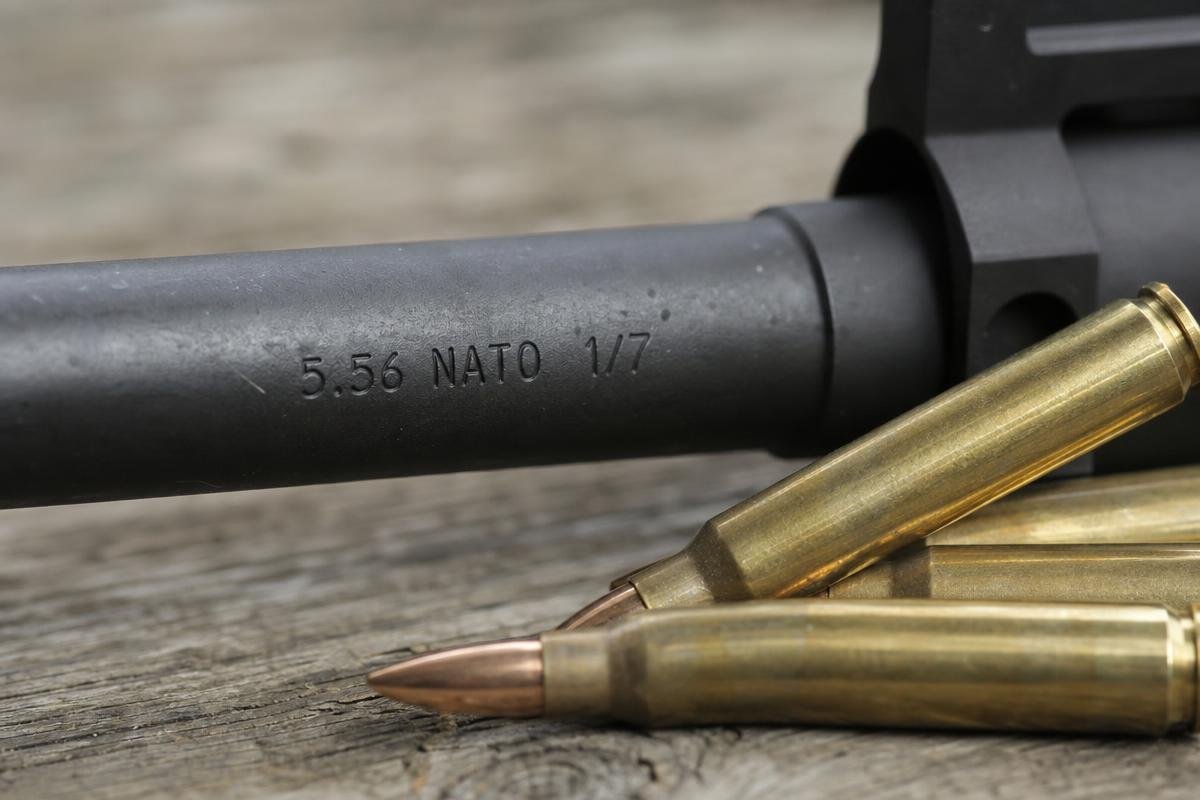
AR15Parts.com explains the practical differences among .223 Wylde, 5.56 NATO, and .223 Remington chambers so you can match your ammunition to the chamber stamped on your barrel. Chamber choice affects safe ammunition compatibility, throat geometry, pressure considerations, and practical accuracy. Before choosing a barrel, upper, or ammunition supply, verify the actual barrel marking and review the manufacturer’s published specifications.
Need help matching a chamber to your AR-15 build?
Key Takeaways
- A .223 Remington chamber should only fire .223 Remington ammunition, not 5.56 NATO loads.
- A 5.56 NATO chamber can safely fire both 5.56 NATO and .223 Remington ammunition.
- A .223 Wylde chamber is designed to fire both cartridges while supporting tighter accuracy potential.
- The .223 Wylde vs. 5.56 NATO vs. .223 Remington decision starts with barrel markings, intended ammunition, and shooting distance.
Understanding .223 Wylde, 5.56 NATO, and .223 Remington
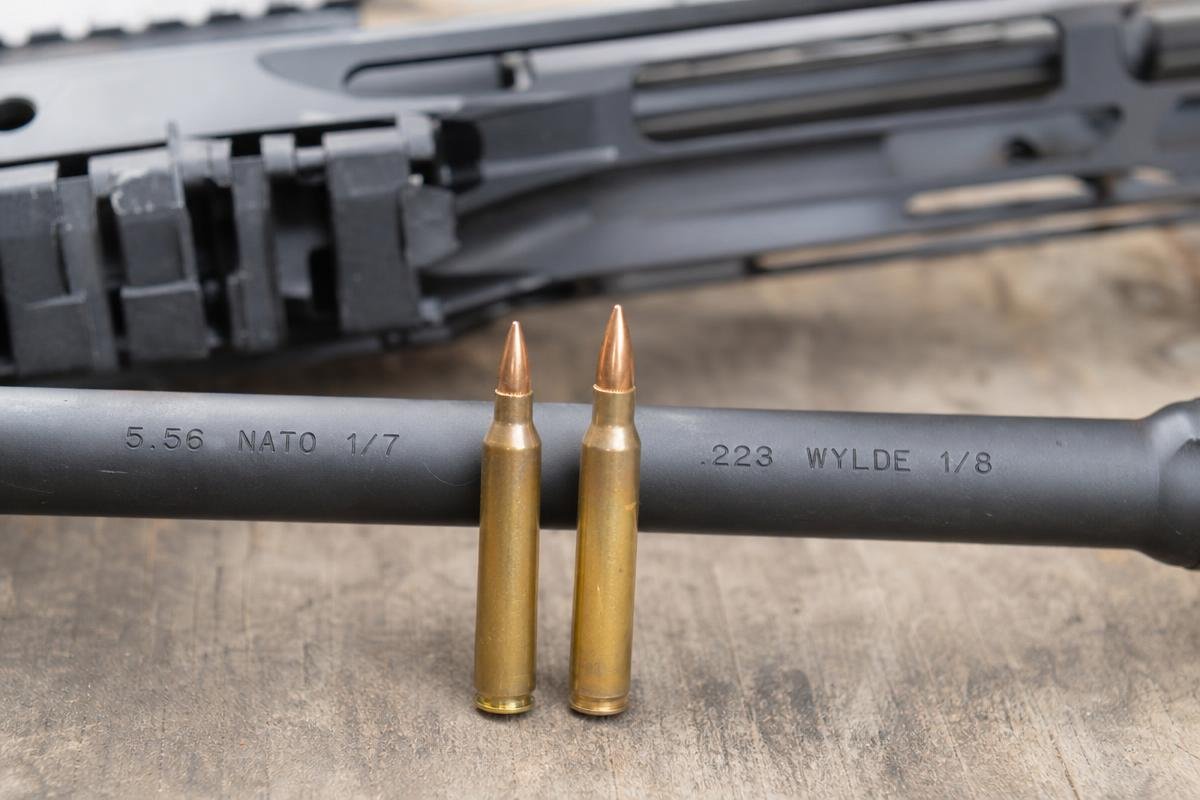
.223 Remington, 5.56 NATO, and .223 Wylde are closely related, but ammunition compatibility does not work safely in every direction. Below, we explain what your barrel marking means before you load a magazine.
We cover safe ammunition use, pressure and throat differences, accuracy and reliability, plus how to choose a barrel or complete upper. Check the stamp on the barrel itself first, then compare complete .223 Wylde uppers and 5.56 NATO complete uppers based on how you plan to shoot.
AR15Parts.com ships eligible parts and accessories nationwide, subject to product, destination, and transfer requirements. For any product listing, rely on the barrel marking and listed specifications rather than markings on the upper receiver, which may not identify the barrel chamber.
Can You Shoot 5.56 NATO in a .223 Remington Chamber?
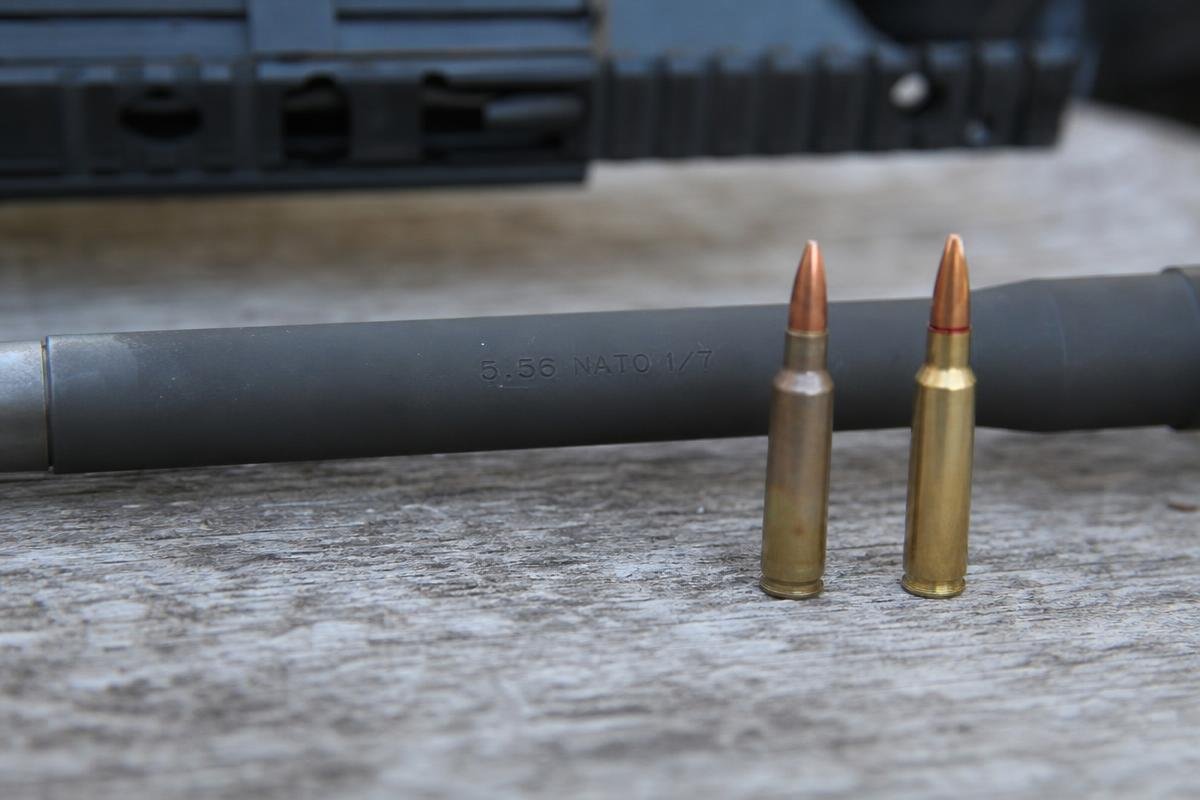
No. Do not fire 5.56 NATO ammunition in a barrel marked only .223 Remington unless the barrel manufacturer explicitly states it is safe. Although the cartridges have similar external dimensions, a .223 Remington chamber may have a shorter throat than the chamber geometry intended for 5.56 NATO ammunition.
Cartridge Designation Versus Chamber Specification
A cartridge is the ammunition you load. A chamber is the barrel area that supports that cartridge during firing. .223 Remington and 5.56 NATO cartridges share broadly similar external dimensions, but their ammunition specifications and intended chamber geometries differ.
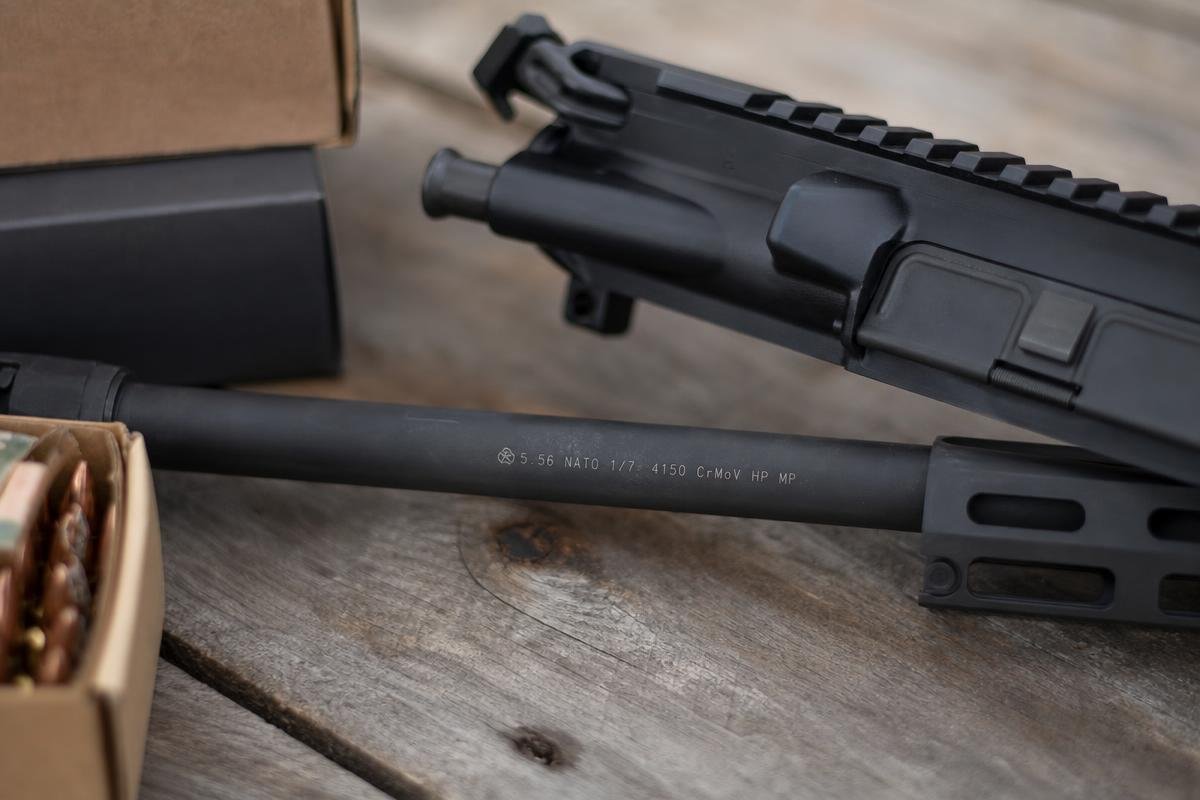
A barrel marked 5.56 NATO or .223 Wylde identifies its chamber, not the only cartridge label you may see on ammunition boxes. Read the barrel marking before buying ammunition or parts for a new build. If the stamp is absent, obscured, or ambiguous, consult the barrel manufacturer’s documentation or have a qualified gunsmith inspect the barrel.
For a chamber-specific starting point, 5.56 NATO complete uppers are built around the 5.56 NATO chamber standard.
What a .223 Wylde Chamber Is Designed to Do
A .223 Wylde chamber is not ammunition. It is a chamber geometry designed to accept both .223 Remington and 5.56 NATO ammunition while supporting strong practical accuracy potential.
The design uses dimensions intended to work with 5.56 NATO ammunition while controlling bullet alignment more closely than many standard 5.56 chambers. That does not automatically make every rifle more accurate. Barrel manufacturing, twist rate, ammunition consistency, optics, shooter technique, and the rest of the rifle setup still matter.
For builders comparing a 5.56 NATO barrel with a .223 Wylde barrel, complete .223 Wylde uppers provide a ready-to-drop-onto-your-lower option. Product details should always be checked for the specific barrel chamber, length, twist rate, and gas system.
Why Pressure and Throat Geometry Change Compatibility
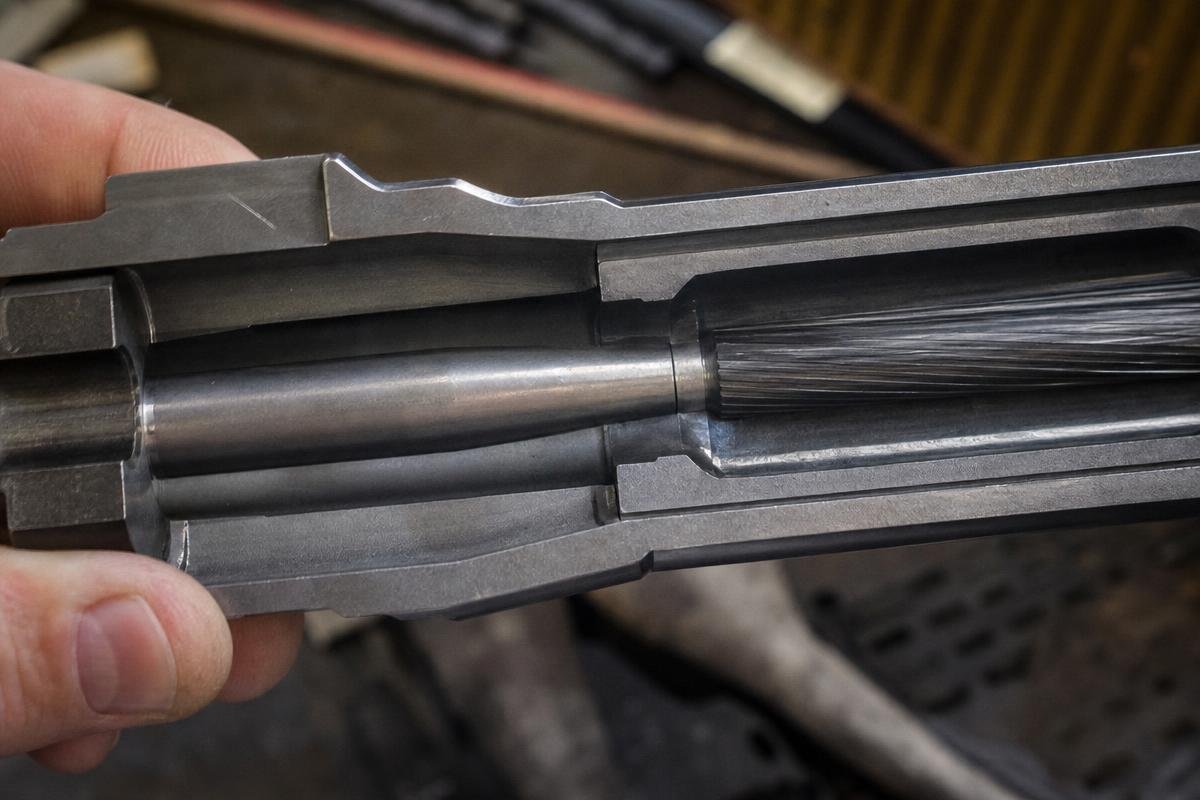
Pressure and chamber geometry work together. A cartridge can physically fit and fire, but the barrel’s throat design determines how much room the bullet has before it reaches the rifling. For safe ammunition selection, the barrel stamp and barrel-maker documentation matter more than receiver markings or visual assumptions.
Why Published Pressure Numbers Need Context
Published 5.56 NATO and .223 Remington pressure figures can vary because standards bodies, ammunition manufacturers, and military specifications use different test methods, equipment, and reference procedures. Pressure values from unlike testing systems are not directly interchangeable. A single PSI number does not tell the whole story.
The practical safety rule remains clear: 5.56 NATO ammunition is associated with military-spec loads and chamber geometry different from a .223 Remington-only chamber. A barrel marked only .223 Remington may not have the throat clearance intended for 5.56 NATO ammunition. Follow the barrel manufacturer’s guidance and the ammunition maker’s instructions.
Freebore and Leade in Plain Language
Freebore is the smooth section inside the chamber ahead of the cartridge case mouth. The leade is the tapered transition where the bullet starts entering the rifling. Both dimensions affect how soon the bullet meets resistance after ignition.
A 5.56 NATO chamber generally has a longer freebore and leade arrangement than a .223 Remington chamber. That added room helps accommodate 5.56 NATO ammunition. A .223 Wylde chamber uses its own geometry to accept both cartridge types while supporting accuracy-focused bullet alignment.
Why the Barrel Marking Matters
Firing 5.56 NATO ammunition through a rifle marked only .223 Remington can create an unsafe pressure condition. Follow the barrel marking and the ammunition manufacturer’s instructions. Do not assume every AR-15 chamber is interchangeable.
When comparing assemblies, confirm the chamber marking in the product specifications and on the delivered barrel. If you need help comparing listed configurations, use the Contact Us page or call (888) 706-0633.
Which Ammunition Can Each AR-15 Chamber Safely Fire?
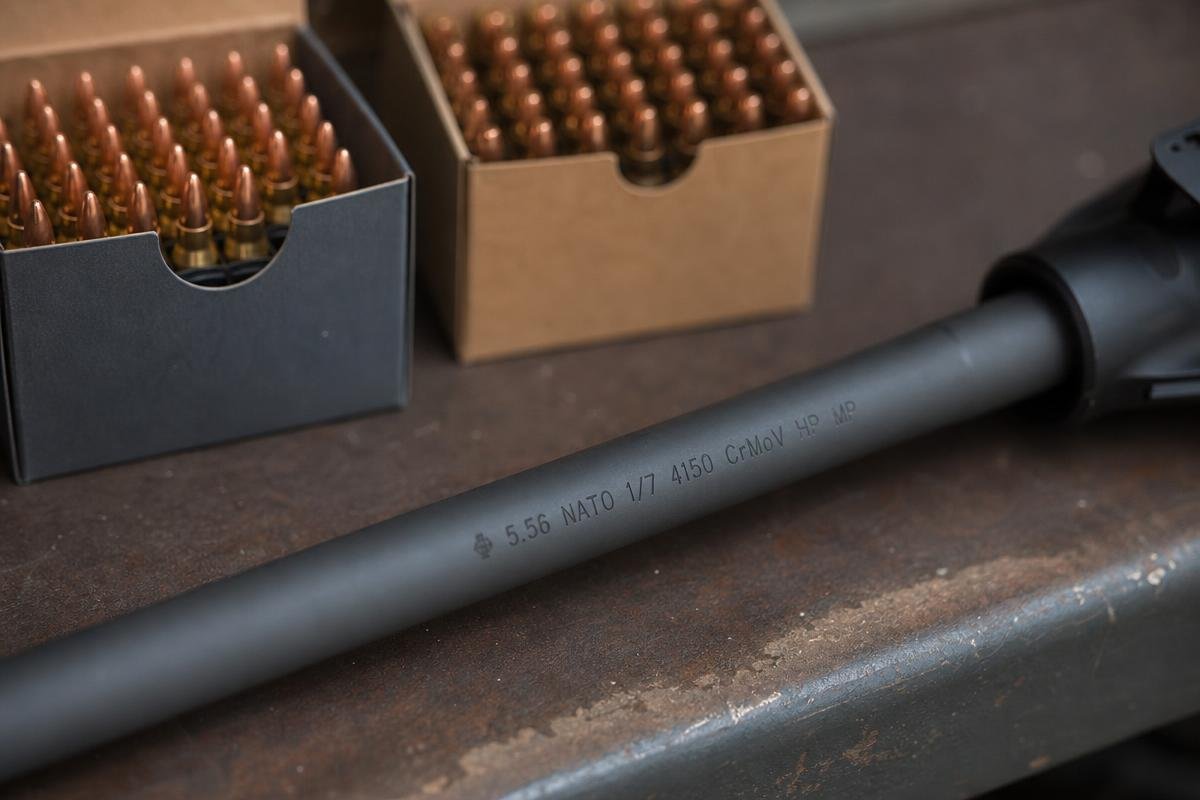
Safe ammunition selection starts with the barrel chamber marking, not the rifle’s appearance. A .223 Wylde chamber can generally fire .223 Remington and 5.56 NATO ammunition. A 5.56 NATO chamber can generally fire both as well, while a .223 Remington chamber should be used with .223 Remington ammunition.
Quick Compatibility Table
| Chamber Marking | Compatible Ammunition | Best Fit | Accuracy Emphasis | Important Consideration |
|---|---|---|---|---|
| .223 Remington | .223 Remington | Commercial .223 loads | Built around .223 Remington dimensions | Do not assume 5.56 NATO is safe in this chamber |
| 5.56 NATO | 5.56 NATO and .223 Remington | Bulk ammunition, training, defensive use, and mixed general-purpose shooting | Practical accuracy with a wider throat | Designed to handle 5.56 NATO ammunition |
| .223 Wylde | .223 Remington and 5.56 NATO | Mixed ammunition, precision-oriented builds, and many suppressed setups | Often selected for tighter .223 Remington bullet guidance | Confirm the specific barrel maker’s ammunition guidance and setup requirements |
The answer to “can .223 Wylde shoot 5.56” is generally yes. That flexibility is why many shooters choose it for one rifle that sees bulk 5.56 ammunition and match-grade .223 loads. Compare chamber markings, barrel specifications, and intended use before selecting an upper.
Safety warning: Barrel markings, ammunition manufacturer instructions, and qualified inspection take priority for unknown, altered, damaged, or unmarked barrels. Verify the actual barrel marking before selecting ammunition, and never rely on the upper receiver marking alone.
What to Do With an Unknown or Unmarked Barrel
Do not fire 5.56 NATO ammunition through an unmarked barrel based on assumption. Check the barrel near the muzzle, under the handguard, and around the chamber area for a stamped marking. If the marking cannot be read, contact the barrel manufacturer with any available part number or have a qualified gunsmith inspect it before firing.
For a clear starting point, compare product listings for marked 5.56 NATO complete uppers and .223 Wylde options before beginning a build. Selecting a documented chamber removes avoidable uncertainty from ammunition planning.
Choose a chamber with your primary ammunition and rifle role in mind.
Accuracy, Reliability, and Intended Use: Choosing the Right Chamber
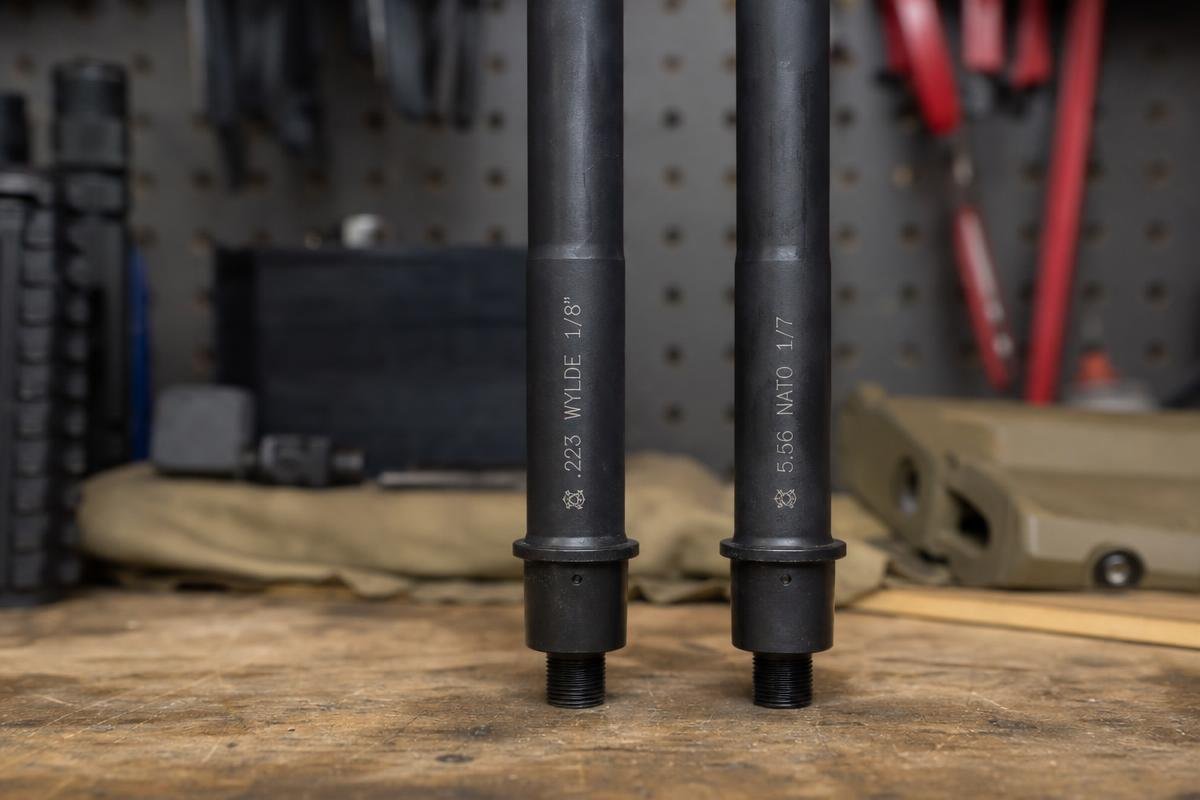
.223 Wylde vs. 5.56 NATO comes down to how you plan to use the rifle. A .223 Wylde chamber often fits a precision-oriented build, while a 5.56 NATO chamber is a practical choice for broad general-purpose ammunition use.
Why Shooters Choose .223 Wylde
.223 Wylde is commonly selected for AR-15 builds where ammunition flexibility and accuracy are both priorities. The chamber is designed to fire .223 Remington and 5.56 NATO ammunition, with throat geometry intended to support consistent bullet alignment.
A .223 Wylde barrel does not guarantee match-grade groups. Barrel quality, ammunition consistency, optic setup, trigger control, and shooter input still determine what the rifle prints on target. It can be a sensible choice for shooters who alternate between ordinary training loads and more consistency-focused .223 ammunition.
Why Shooters Choose 5.56 NATO
5.56 NATO is often the better fit for a general-purpose rifle that will see varied 5.56 NATO and .223 Remington ammunition. Its military-pattern chamber dimensions are familiar to shooters building rifles for range use, training, and regular shooting with commonly available loads.
In a 5.56 NATO barrel versus .223 Wylde barrel comparison, neither option is automatically more reliable. A properly assembled rifle with a correctly sized gas system, sound bolt carrier group, appropriate buffer setup, and good magazines matters more than the chamber marking alone.
The Other Parts That Affect Rifle Performance
Chamber choice is one part of the system. Barrel length and gas system length affect dwell time and cycling behavior. Twist rate must also match the bullet weights you plan to shoot.
- Barrel quality and crown condition affect accuracy.
- BCG condition and correct component fit affect dependable function.
- Magazine condition affects feeding and bolt lockback.
- Consistent ammunition, a stable optic, and shooter technique affect group size.
For a new build or parts upgrade, match the chamber to your actual ammunition and intended use first, then select the barrel, gas system, BCG, magazines, and optic around that role.
Need help choosing a chamber for your AR-15 build? Call our team at (888) 706-0633.
How to Select a .223 Wylde or 5.56 NATO Barrel and Upper
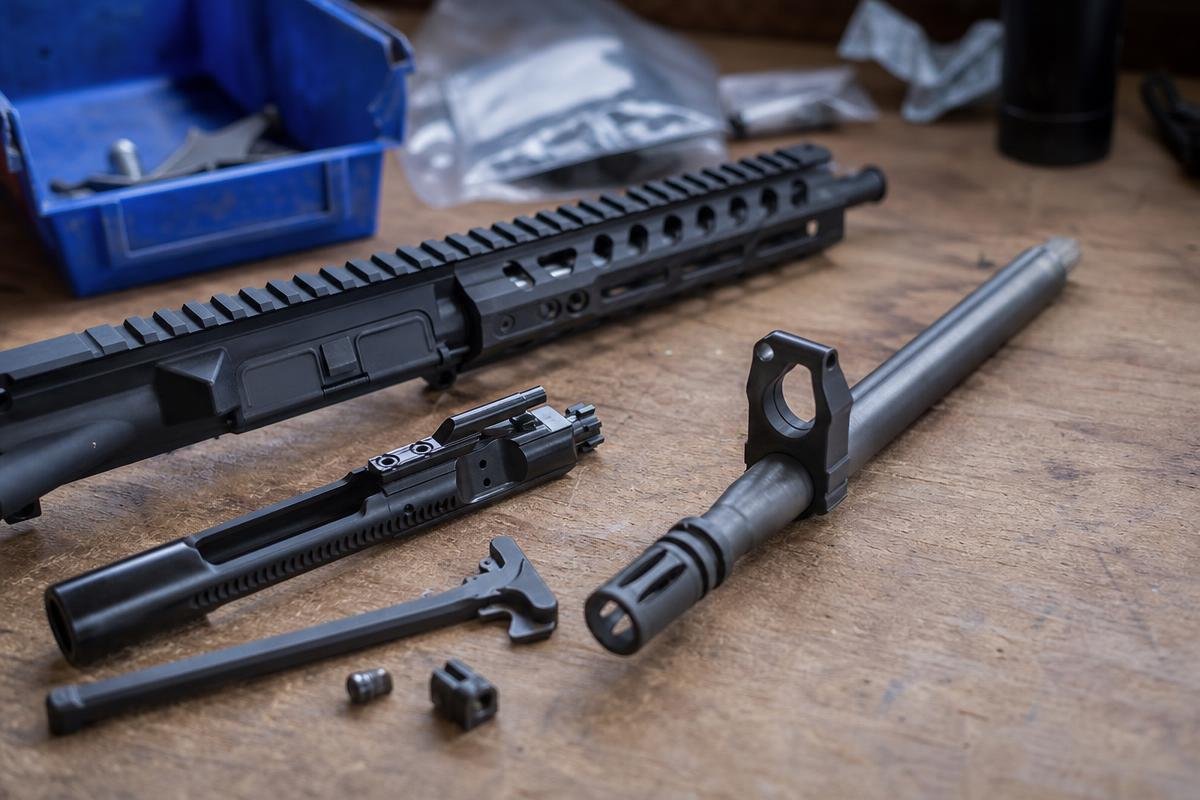
Chamber marking is only one part of an AR-15 upper purchase. Compare ammunition use, barrel length, twist rate, gas system, handguard clearance, and the role you expect from the rifle before ordering.
Step 1: Start With the Ammunition You Expect to Use
Start with the ammunition you plan to buy and shoot most often. If you expect to use both .223 Remington and 5.56 NATO, a .223 Wylde chamber gives you that flexibility. It can fire 5.56 NATO and also accepts .223 Remington.
A 5.56 NATO chamber also handles both cartridges. Choose between a 5.56 NATO barrel and .223 Wylde barrel based on your accuracy priorities, expected ammunition, and the rifle’s overall role.
Step 2: Match Chamber Choice to Barrel and Gas System Needs
Barrel length affects handling and velocity. Twist rate should match the bullet weights you expect to shoot. A 1:7 or 1:8 twist may suit many common loads, but no single twist rate fits every build goal.
Also compare carbine, mid-length, or rifle-length gas systems with the barrel length. Your handguard must fit the gas system and leave room for the muzzle device. Browse our AR-15 barrel options to compare chamberings and barrel specifications side by side.
Step 3: Decide Between a Complete Upper and a Component Build
A complete upper is the practical choice if you want a turnkey assembly ready to drop onto your lower. It is intended for compatible mil-spec-pattern lower receivers, subject to the upper and lower manufacturers’ specifications and required compatibility checks.
A separate barrel makes sense if you already have an upper receiver, handguard, gas block, and the tools to assemble them correctly. We carry complete AR-15 uppers in multiple chamberings, including .223 Wylde and 5.56 NATO configurations, so you can compare complete assemblies before ordering.
AR15Parts.com: Online AR-15 Chamber Selection Resource
Our complete AR-15 rifles category gives you a starting point if you want a factory-configured rifle instead of selecting each component separately.
Verify Specifications Before You Order
Read the barrel marking and product specifications before ordering a barrel, upper, or complete rifle. Confirm the chamber, barrel length, gas system length, twist rate, muzzle-thread pattern, and whether the assembly fits a standard mil-spec lower receiver.
Also verify applicable laws before purchase or use. If you need product-category guidance before ordering, contact us through our Contact Us page or call (888) 706-0633. We can help you compare listed chamber options and identify the product category that fits your intended build.
Frequently Asked Questions
These answers cover chamber markings, ammunition compatibility, and the parts you need for a safe AR-15 build. Confirm the marking on your barrel before loading or ordering parts.
Is .223 Wylde Better Than 5.56 NATO?
Neither chamber is automatically better. A .223 Wylde chamber fits shooters who want accuracy with both common ammunition types, while 5.56 NATO fits hard-use builds fed mostly 5.56 ammunition.
Can a .223 Wylde Chamber Fire 5.56 NATO?
Yes, a properly made .223 Wylde chamber can fire 5.56 NATO and .223 Remington ammunition. That is the direct answer to “can .223 Wylde shoot 5.56,” but ammunition quality and correct barrel markings still matter.
Can a 5.56 NATO Chamber Fire .223 Remington?
Yes. A 5.56 NATO chamber can safely fire .223 Remington ammunition. The 5.56 NATO vs .223 Remington pressure difference matters most when 5.56 ammunition is placed in a barrel marked .223 Remington only.
How Can I Identify My AR-15 Chamber?
Check the barrel markings near the muzzle, chamber area, or under the handguard. Look for “5.56 NATO,” “.223 Wylde,” or “.223 Rem.” If markings are absent or unclear, check manufacturer documentation or have a qualified gunsmith inspect it.
Do .223 Wylde and 5.56 NATO Require Different Magazines or BCGs?
No special magazine or bolt carrier group is normally required for .223 Wylde chamber compatibility or a 5.56 NATO barrel. Standard AR-15 magazines and a correctly matched BCG work, provided the parts are in good condition and the build is assembled correctly.
Should I Buy a Complete Upper or Build From Components?
A complete upper is the simpler choice if you want a chambered assembly ready to drop onto your lower. Our complete .223 Wylde uppers and 5.56 NATO complete uppers let you select a chamber without sourcing each part separately.
A component build gives you more control over barrel length, gas system, handguard, and muzzle device. It also requires correct installation and verification. Compare the chamber marking, barrel specifications, and intended use before you order. AR15Parts.com can help you find the right product category for your next AR-15 build or upper purchase at (888) 706-0633.
Ready to Get Started with AR15Parts.com?
Call (888) 706-0633 to speak with our team directly. We're ready to answer your questions, walk you through your options, and help you find the right solution for your needs. Whether you're just starting to plan or ready to move forward, we'll make the process simple and stress-free.
Reach out today and let's talk about how we can help.