
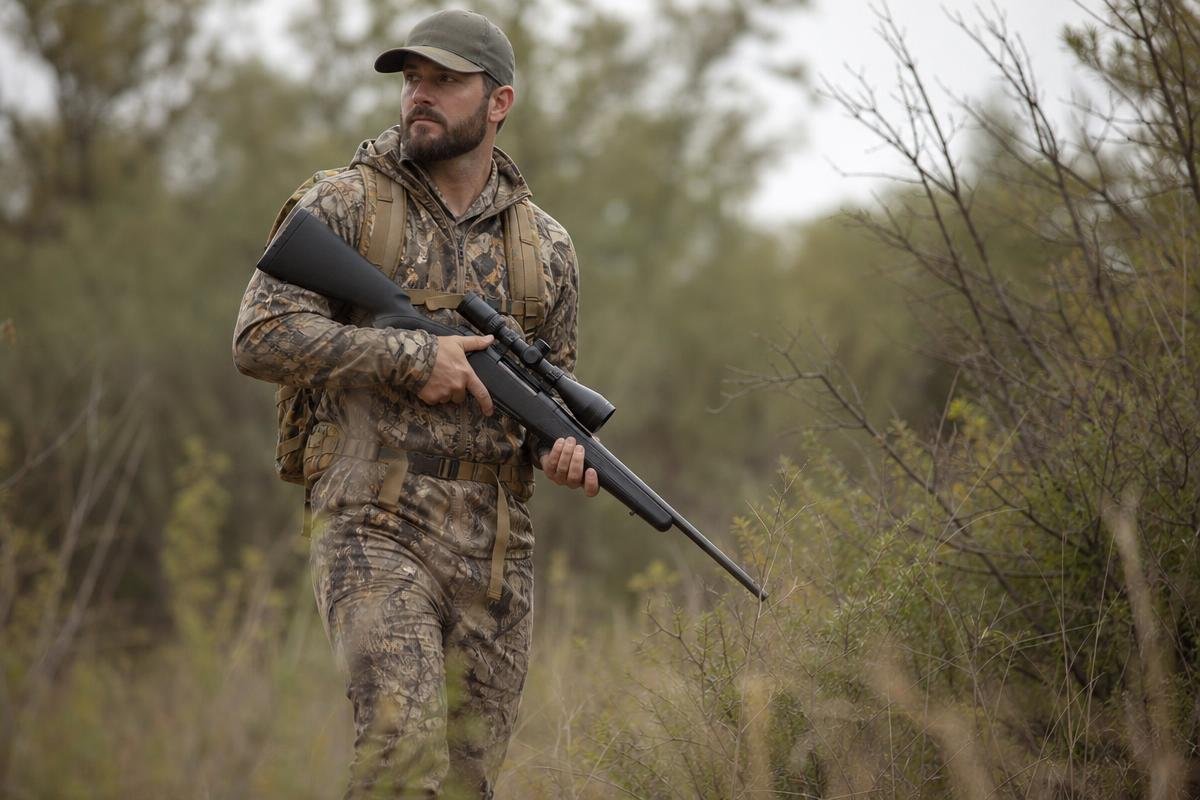
The .308 Winchester remains a practical choice for feral hog and whitetail hunting in Texas because it balances useful bullet options, manageable recoil, and broad ammunition availability. That balance makes it a popular choice for hunters who want a rifle they can carry, zero, and practice with consistently.
At AR15Parts.com, we ship from our Denison, TX facility at 4000 Texoma Parkway, Denison, TX 75020, and help hunters choose compatible parts online. A properly matched large-frame setup, suitable hunting ammunition, and disciplined shot selection matter more than chasing the highest velocity on paper.
Key Takeaways
- The .308 Winchester is a versatile choice for feral hogs, deer, and carefully planned elk hunting with the right bullet and shot discipline.
- For hogs and whitetail, keep shots within the vital-zone accuracy you can demonstrate under field conditions.
- Bullet construction, impact velocity, shot angle, and a confirmed zero matter more than a single energy number.
- Large-frame AR parts are not universally standardized, so confirm receiver pattern and component compatibility before ordering.
308 for Hog Hunting in Texas: Is It Also Enough for Deer?
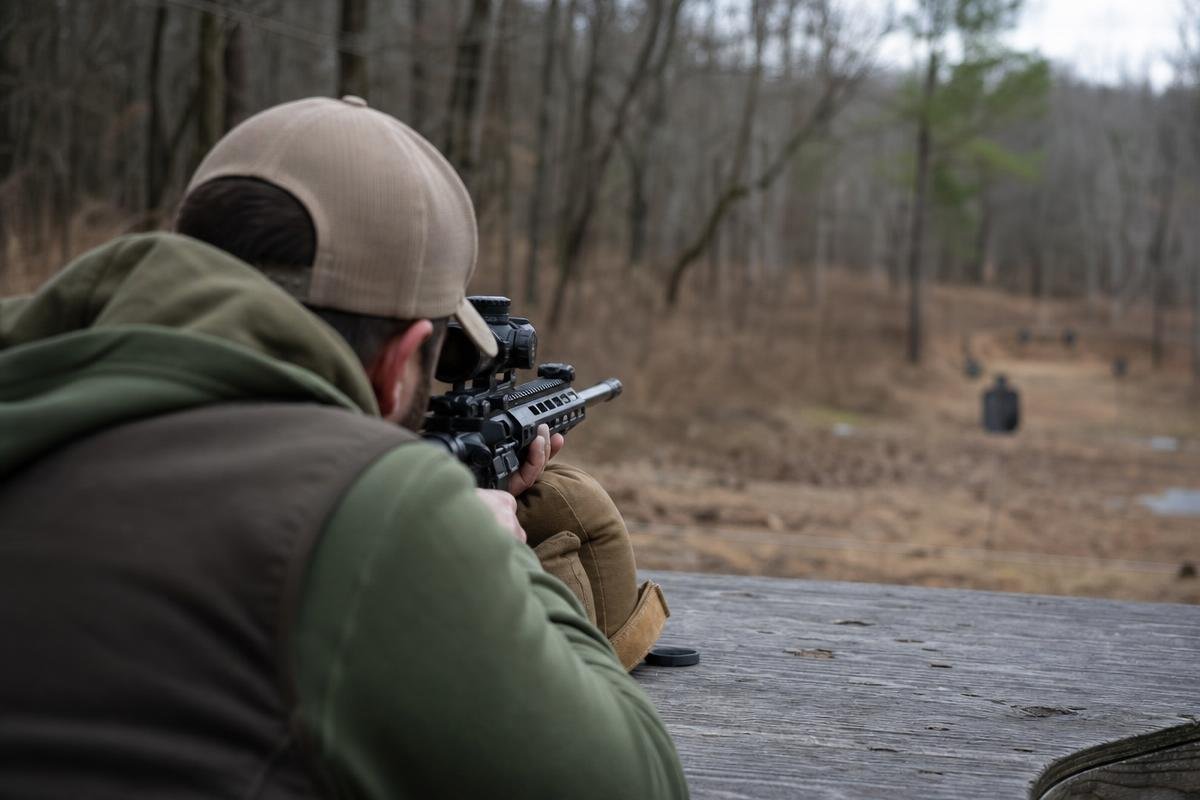
Yes. The .308 Winchester is more than adequate for deer and feral hog hunting when paired with a suitable hunting bullet and used within the distance where the shooter can make a deliberate vital-zone hit. Prioritize a clear vital-zone presentation and a safe backstop over the cartridge's maximum reach.
Whitetail Shots Often Reward Preparation Over Extra Power
Many whitetail opportunities on private hunting property occur at modest distances, but terrain and visibility vary sharply from one tract to the next. A confirmed zero, stable support, clear sight picture, and responsible shot angle do more for a clean harvest than simply moving to a larger cartridge.
For deer, use a bullet designed for controlled expansion at .308 velocities. Common hunting offerings are often available in 150-, 165-, and 180-grain weights, but weight alone does not determine performance. Read the ammunition maker's intended-use guidance, test feeding and accuracy in your rifle, and verify point of impact with the exact load you will carry. If you are building a large-frame rifle, our .308 Winchester complete uppers provide a practical starting point for a rifle matched to your lower.
Hog Hunting Calls for Bullet and Angle Discipline
Hogs can be encountered at close range, often moving quickly or standing at difficult angles. A .308 gives hunters access to bullets suited to controlled expansion and deeper penetration, but no bullet eliminates the need to wait for a clear, ethical presentation.
For broadside deer-sized hogs, a dependable expanding hunting bullet can be appropriate. For larger animals or quartering shots, prioritize a bullet built to hold together and penetrate rather than a thin-jacketed target or varmint design. Avoid shooting through limbs, grass, or dense brush. Vegetation can deflect a bullet, hide an animal's exact position, and turn a potentially clean shot into an unsafe one.
Recoil Matters Because Practice Matters
Manageable recoil matters because regular practice builds better field habits. A cartridge you can shoot well from prone, seated, kneeling, and supported standing positions is usually more useful than a harder-kicking option you avoid practicing with.
Before season, verify function, zero, and magazine feeding with your hunting ammunition. Review current rules, required licenses, landowner permission, public-land restrictions, and feral-hog requirements through the Texas Parks and Wildlife Department. We ship from our Denison, TX facility and can help you research compatible components for a practical .308 build.
What Is the Ethical Effective Range of a .308?
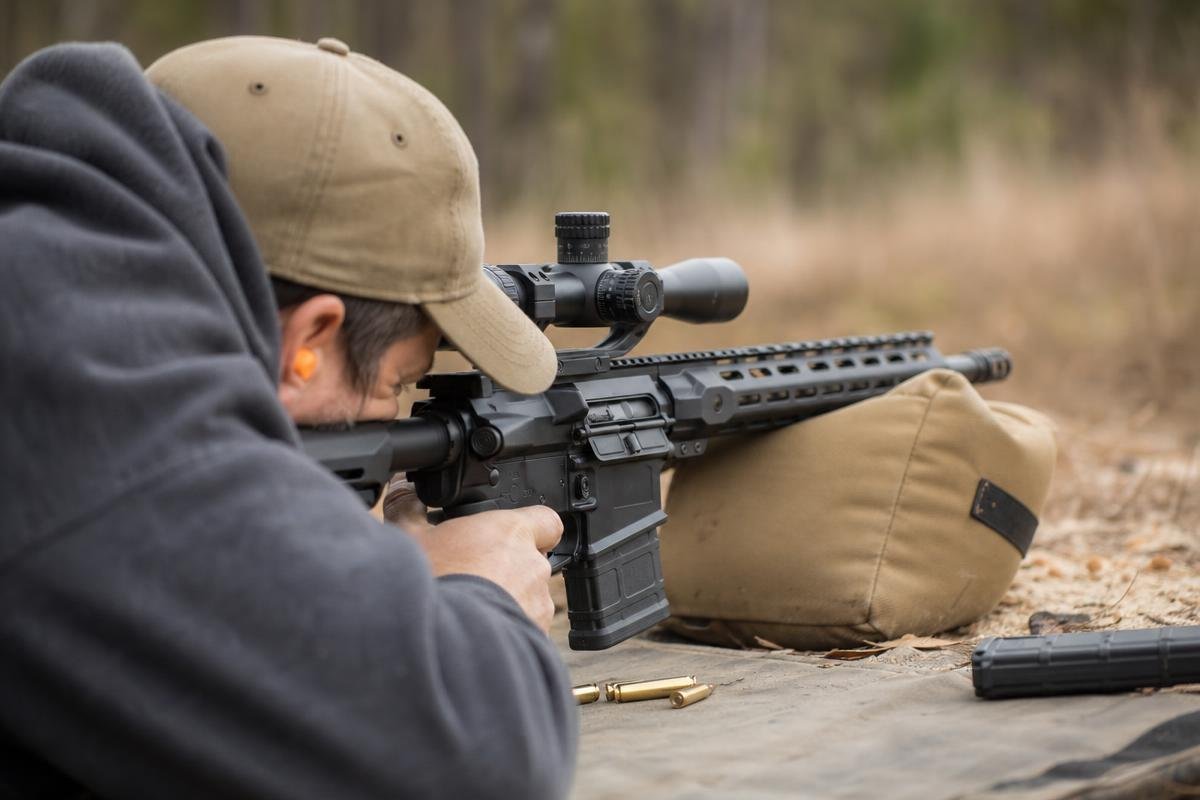
Your ethical .308 range is the farthest distance where you can reliably place your specific hunting load into the animal's vital zone from a realistic field position, while accounting for wind, visibility, angle, and a safe backstop. It is not a fixed number printed online or based only on steel-target results.
Effective Range Is Not One Internet Number
A rifle may group well from a bench or ring steel at longer distance, but neither result guarantees a responsible shot on game. Ethical range depends on demonstrated precision, the bullet's expected impact behavior, wind reading, target visibility, and your ability to hold steady enough for the available vital zone.
A useful pre-hunt standard is simple: if you cannot consistently place several shots into a vital-zone-sized group from the position you expect to use, reduce the distance. Do not take a shot when brush obscures the vitals, the animal is moving unpredictably, the angle is poor, or you cannot identify a safe backstop.
Confirm Your Actual Hunting Load
Confirm point of impact with the exact ammunition you plan to carry afield. Practice ammunition and hunting ammunition can strike differently, even when they share the same bullet weight and are fired from the same rifle and optic zero.
Start from a stable bench to establish zero, then confirm groups at the distances you reasonably expect to hunt. Manufacturers publish velocity and trajectory figures using specific test barrels, so treat those figures as references rather than promises for your individual rifle. Practical accuracy starts with consistent ammunition, a sound barrel, and secure optic mounting. Our .308 Winchester barrels give you a proper starting point for a rifle built around repeatable field accuracy.
Practice From Positions You Can Use Safely
Practice from supported standing, kneeling, seated, and prone positions where legal and safe. Learn how a pack, shooting sticks, a tree, or another stable field rest affects your reticle movement before a live-animal opportunity appears.
Test the sling, optic, magazine, and hunting ammunition you will actually carry. Confirm that the rifle cycles reliably and that loaded magazines seat and release correctly. Use the same large-frame receiver pattern throughout the build, because “AR-10” is a broad description rather than one universal specification.
.308 Vs. .30-06 Vs. 7mm-08 for Hunting
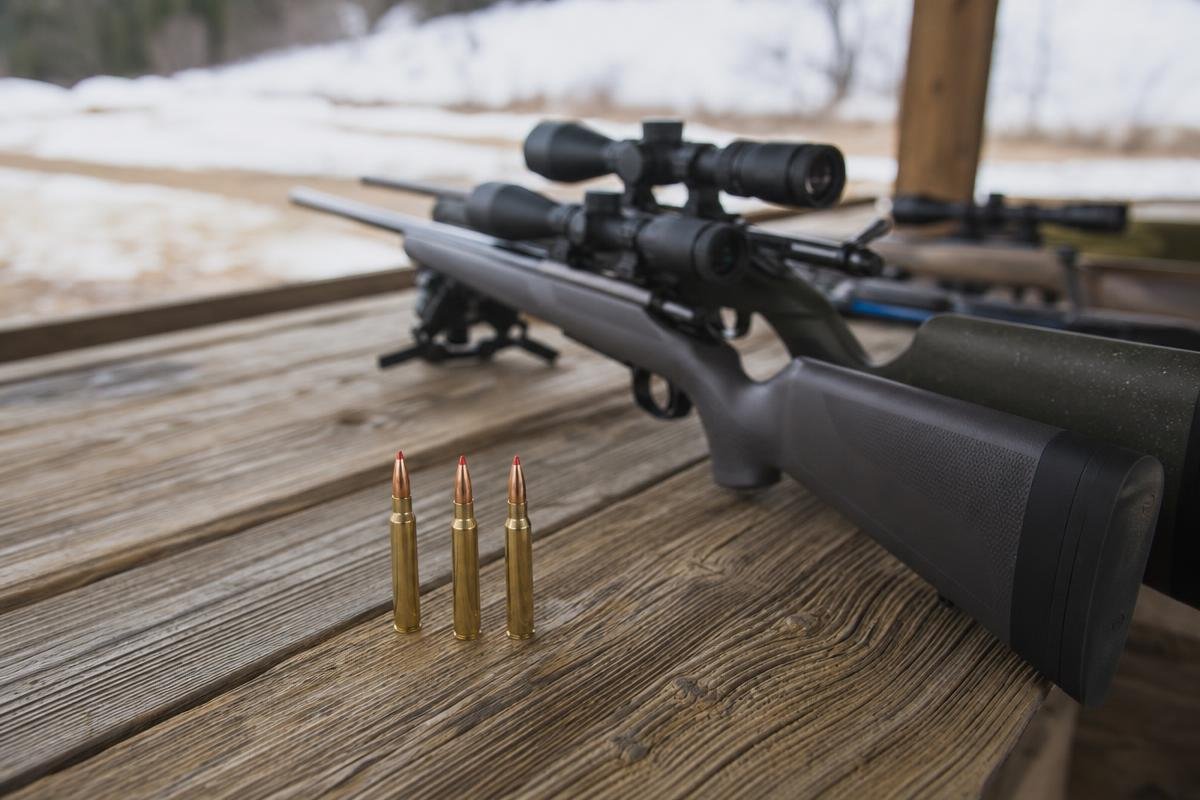
For deer and hogs, .308 Winchester, .30-06 Springfield, and 7mm-08 Remington can all work well with the right bullet and a shooter who knows the rifle. The best choice usually comes down to rifle fit, recoil tolerance, ammunition availability, and the distance and game you truly plan to hunt.
Quick Comparison Table
| Cartridge | Intended Use | Recoil and Shootability | Availability and Hunting Context |
|---|---|---|---|
| .308 Winchester | Deer, feral hogs, and general big-game hunting | Manageable in many rifle weights and compact configurations | Common ammunition choice with broad hunting-bullet availability and practical performance for typical field distances |
| .30-06 Springfield | Deer, hogs, elk, and hunters wanting broader case capacity | Often produces more recoil than .308 in similar rifle weights | Widely available and capable of using a broad range of hunting bullet weights |
| 7mm-08 Remington | Deer and hogs, with a focus on lighter recoil | Often appealing to shooters who want easier recoil management | Effective with well-chosen bullets, though selection can be less common than .308 or .30-06 in smaller stores |
Choosing Based on Rifle Fit and Intended Use
For .308 vs .30-06 for hunting, neither cartridge is automatically superior. The .30-06 offers additional case capacity and a longer history with heavier bullet options, while .308 remains attractive in compact rifles because it fits shorter-action rifle designs.
For .308 vs 7mm-08 hunting, the 7mm-08 is a reasonable lower-recoil option. Choose the rifle you can shoulder, cycle, and shoot accurately from field positions, then use a bullet appropriate for the animal. Our .308 Winchester complete uppers give you a practical option if you want a compact semiautomatic hunting setup.
Is .308 Suitable for Elk?
.308 Winchester can be suitable for elk when regulations allow it, the hunter uses a sturdy elk-appropriate bullet, and the shot is kept within a conservative, proven distance. Elk are larger than deer and hogs, so bullet penetration, angle, impact velocity, and shooter discipline deserve more attention.
Do not treat a light deer load as an elk load simply because both carry a .308 label. Select a bullet intended for larger game, confirm its accuracy in your rifle, and limit shots to broadside or other angles that provide a clear path to the vital organs. Elk regulations vary by state, unit, season, weapon type, and ammunition requirements, so verify the official regulations for the destination before traveling. If you are comparing cartridges for another rifle application, review our complete AR-15 upper receiver options and match the platform to your intended game.
Why You May Not Need a Magnum Cartridge
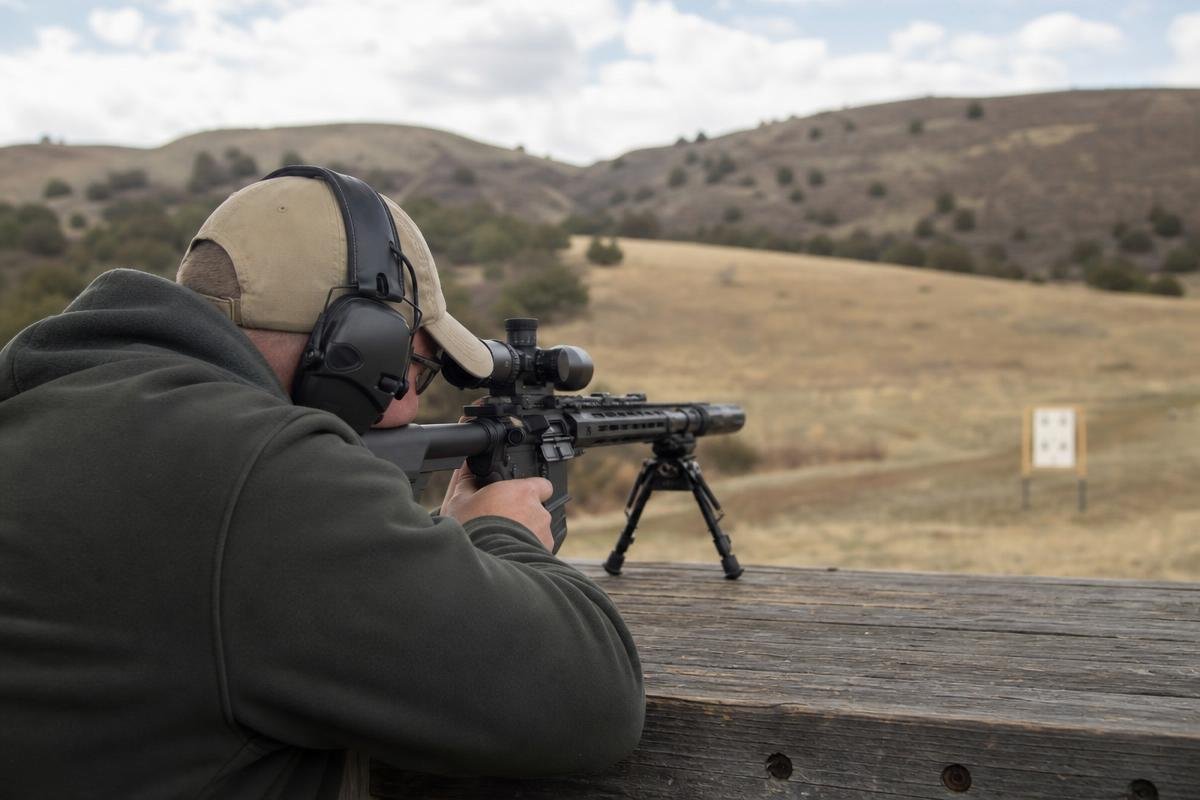
Magnum cartridges have legitimate uses, but they are not automatically necessary for ordinary deer and hog hunting. For many hunters, a properly zeroed .308 offers suitable hunting-bullet choices for typical field conditions without requiring magnum case capacity.
Magnum Cartridges Have a Place
Magnum rounds can make sense for a defined elk hunt, longer open-country shooting conditions, or a specific bullet-and-velocity requirement. They are not required for typical deer and hog opportunities when the hunter can place a suitable .308 load accurately.
Shootability Can Matter More Than Extra Capacity
Added recoil can make it harder for some shooters to hold position, observe impact, and complete a clean follow-through. The effect differs by shooter and rifle weight, but it is worth evaluating before committing to a cartridge that is unpleasant to practice with.
Rifle weight is part of that decision. A lighter rifle is easier to carry but can feel sharper in recoil, while a heavier rifle may be steadier from support but less comfortable on a long walk. Select a configuration that fits your body, hunting method, and practice routine.
Choose a Different Cartridge for a Defined Need
Choose another cartridge because it fits your rifle platform, recoil preference, terrain, or game plan. Do not choose it only because a magnum label suggests more power is always needed.
Research cartridges by intended application. The same approach applies when comparing .308 with a smaller-platform option such as 6.5 Grendel, rather than treating either as a direct replacement.
Need help planning a practical hunting rifle build? Call our team at (888) 706-0633.
A Practical .308 Deer and Hog Rifle Setup Checklist
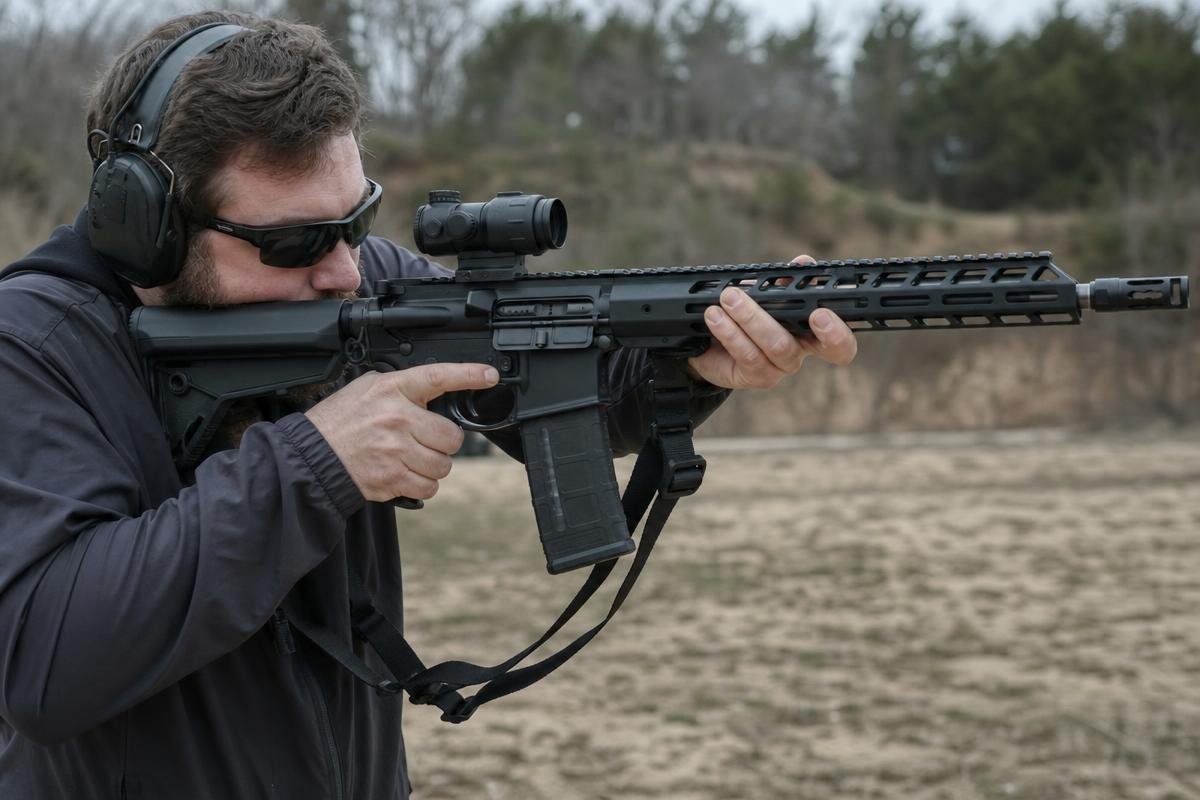
A practical rifle for deer and hog hunting should fit your terrain, carry comfortably, and use matched large-frame parts. These are setup considerations, not one required build recipe. Build around safe handling, repeatable zero, and compatibility before adding accessories.
1. Match the Upper or Barrel to Your Intended Handling
Choose the upper or barrel around how you will carry and shoot the rifle. A rifle used primarily from a blind, a feeder setup, or supported positions can be configured differently than one carried through thick cover.
Your effective range depends on your load, zero, target, optic, and ability to place the shot. Review .308 Winchester complete uppers and confirm the receiver pattern before ordering parts around one.
2. Choose an Optic That Fits the Terrain
Use an optic with an uncluttered reticle and magnification that matches the cover you expect to hunt. Lower magnification helps a hunter find a hog or whitetail quickly at close range, while additional magnification can help when shooting across a clear lane or open field.
Set the optic for a repeatable zero and confirm it from field positions. Hot-weather outings can bring sweat and lens fogging, so carry a lens cloth, protect the optic when moving through vegetation, and plan hydration before a long evening hunt.
3. Build Stability Into the Rifle
A stable stock and properly adjusted sling make field shooting more repeatable. Set the length of pull so you can mount the rifle while wearing the clothing you expect to hunt in, then practice from standing, kneeling, and supported positions.
A sling is not only for carrying. Used correctly, it can add support when you need a deliberate shot from an improvised position.
4. Verify Large-Frame Parts Compatibility
AR-10-pattern rifles do not share one universal parts standard. Before pairing a complete upper with a lower, confirm the receiver pattern, magazine type, bolt carrier group, charging handle, handguard, and barrel nut interface all match.
Check magazine fit and function with the selected lower. AR-15 bolt carrier group information does not establish large-frame BCG compatibility. Some complete uppers may be ready to drop onto your lower only after that compatibility is confirmed. For help sorting parts before a purchase, contact our team online.
.308 for Hog and Deer Hunting Around Denison
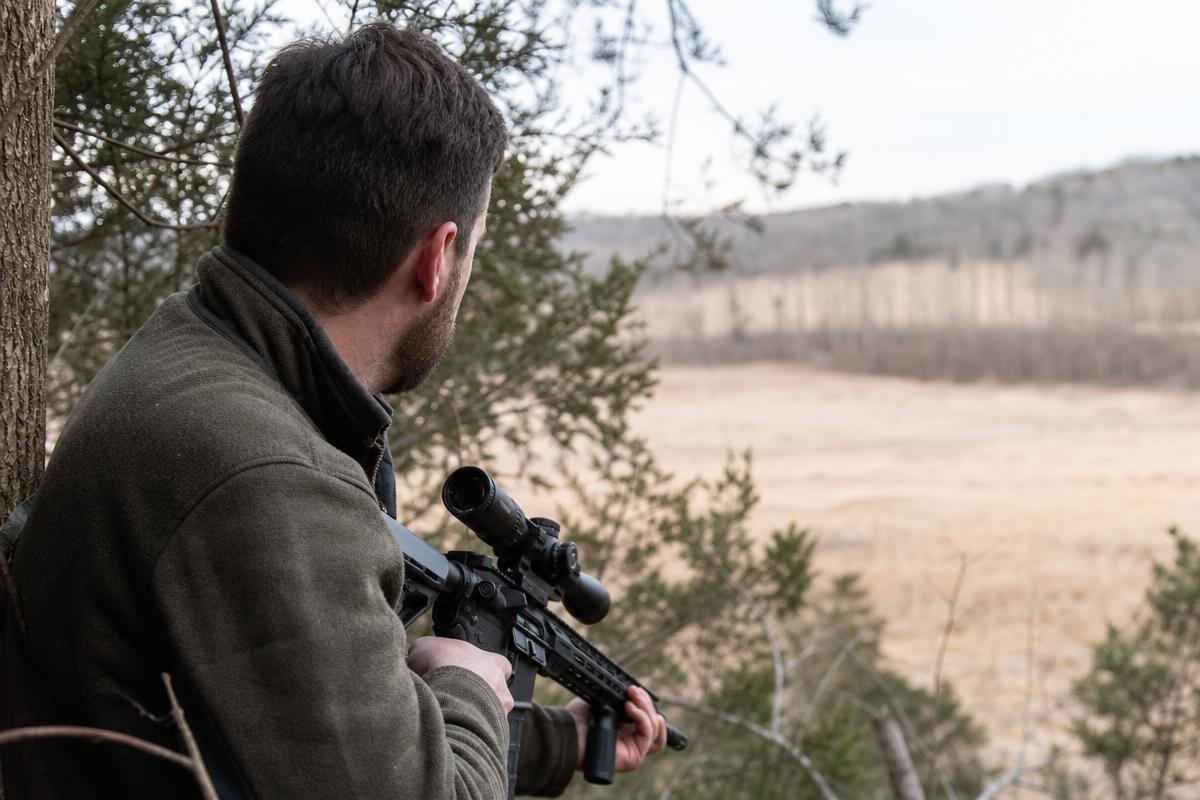
Hunting properties in the Grayson County area can vary from open pasture and cultivated ground to creek-bottom cover, fence lines, and dense vegetation. That variety makes a practical zero, an optic suited to changing sightlines, and field-position practice more useful than assuming every shot will look the same.
Plan for Changing Sightlines
Short sightlines can make a confirmed zero and clear optic more valuable than maximum magnification. Check your zero with the ammunition you will carry, then confirm it from a supported field position rather than relying only on a bench-rested group.
For deer hunting, a low-power variable optic can help keep the target visible when an animal steps into a narrow opening. Select magnification based on the distance and visibility you can reasonably expect, not on the highest number printed on the scope.
Prepare for Warm-Weather Hog Outings
Hog outings in hot conditions require planning for your body and your gear. Carry water, wear breathable clothing that still protects your arms, and keep a lens cloth available for optic fogging. Move carefully from shade into open ground, since sweat and temperature changes can cloud an optic. Effective range does not matter if you cannot see clearly enough to make a deliberate shot.
Verify Current Rules Before You Hunt
Check current official state sources before every hunt. Confirm licensing, landowner permission, public-land requirements, legal hunting methods, and any applicable feral-hog rules for the property and season. Rules can differ by location and hunting method. Review the Texas Parks and Wildlife hunting information before loading magazines, traveling to the property, or setting up after dark.
Frequently Asked Questions
Is .308 Winchester Good for Deer Hunting?
Yes. .308 Winchester is a common choice for deer with suitable hunting ammunition and responsible shot placement. Choose a bullet built for controlled expansion, then stay within the distance where you can place it accurately.
Is .308 Winchester Suitable for Hog Hunting?
Yes. .308 Winchester gives hog hunters practical bullet weight options for broadside and quartering shots. Pick a durable hunting bullet, wait for a responsible angle, and place the shot in the vital zone.
What Is an Ethical .308 Range?
Your .308 Winchester effective range depends on demonstrated accuracy, wind, field position, visibility, and your specific rifle and ammunition setup. There is no fixed online number that replaces practice from the positions you will use afield.
Should I Choose .308, .30-06, or 7mm-08?
.308 vs .30-06 for hunting comes down to rifle preference, ammunition availability, and the extra case capacity of the .30-06. .308 vs 7mm-08 hunting is largely a recoil and bullet-selection decision. All three can work well when matched to the animal and shot conditions.
Do AR-15 Parts Fit a .308 AR Platform?
No. Large-frame .308 AR platforms are not universally standardized, and many AR-15 parts do not interchange. Confirm your receiver pattern, bolt carrier group, barrel extension, handguard height, buffer system, and magazine pattern before ordering.
If you are planning a large-frame hunting build, start by confirming receiver pattern and component compatibility. We can help you research .308 Winchester complete uppers and related parts. Call AR15Parts.com at (888) 706-0633 if you need help finding the right product category.
What Bullet Weight Should I Use for .308 Hog Hunting?
Common .308 hunting loads use 150-, 165-, and 180-grain bullets. Choose a bullet designed for your game, confirm the ammunition maker’s intended-use guidance, and verify accuracy in your rifle.
Ready to Get Started with AR15Parts.com?
Call (888) 706-0633 to speak with our team directly. We're ready to answer your questions, walk you through your options, and help you find the right solution for your needs. Whether you're just starting to plan or ready to move forward, we'll make the process simple and stress-free. Reach out today and let's talk about how we can help.