
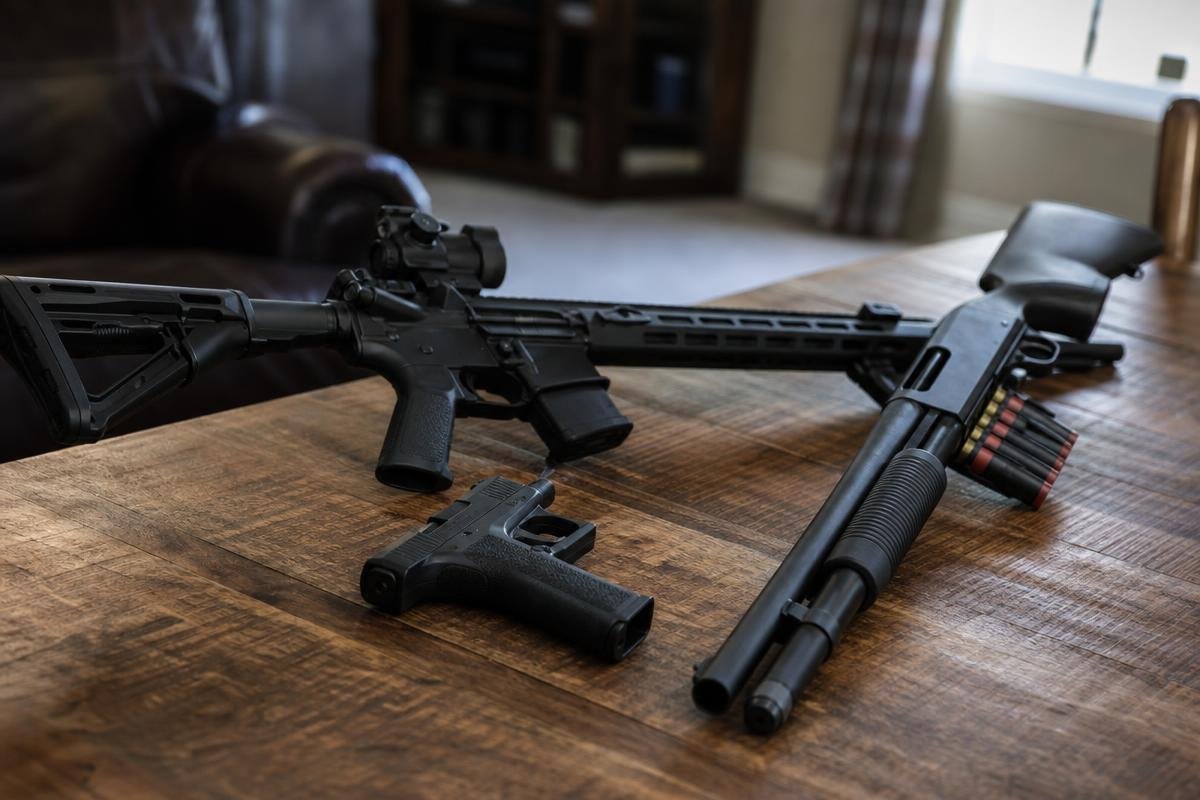
Choosing among the best home defense guns starts with your home layout, ability to train, secure-storage options, and the legal responsibilities of ownership. Handguns, shotguns, and carbines each offer different tradeoffs, so the right choice is the one you can safely operate, store, maintain, and practice with consistently.
For help comparing rifle configurations or AR-platform components, shop AR15Parts.com online. We ship from our Denison, TX facility. Call us at (888) 706-0633 or contact our team to check upper and lower compatibility before ordering.
Compare platforms, storage fit, and compatible rifle components with our team.
Key Takeaways
- The best home defense guns depend on home layout, training, secure storage, and applicable legal requirements.
- Handguns are compact and easier to store in a small lockbox, but consistent practice is important for accurate handling.
- Shotguns require deliberate loading and recoil management, and their pattern spread is generally minimal at typical indoor distances, but accurate aim and target identification remain essential.
- Carbines provide multiple points of contact and flexible accessory mounting, but compatibility and storage planning matter.
How Do You Choose the Right Home-Defense Platform?
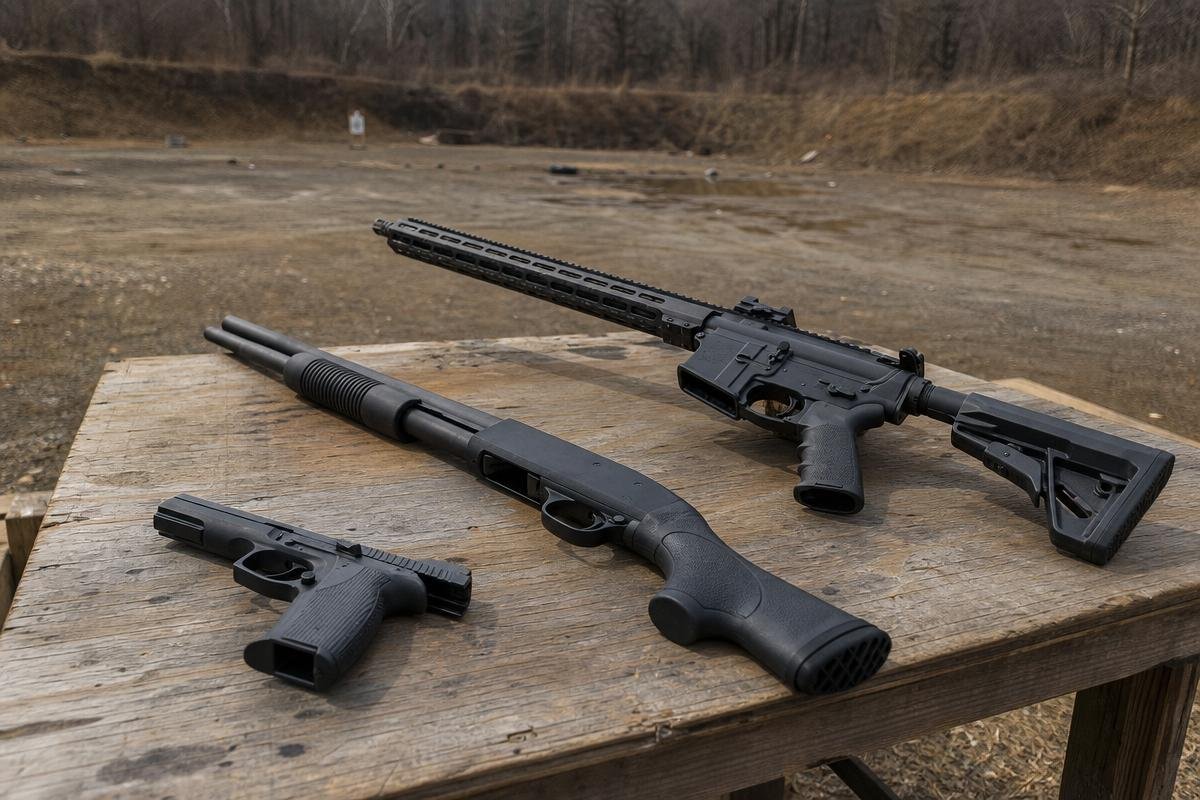
The right defensive firearm is one you can keep secured from unauthorized users, operate without confusion, and practice with regularly. In Denison-area homes, that decision often comes down to practical questions: Is there space for a long-gun safe? Are bedrooms, hallways, and common areas close together? Can authorized adults reach secure storage without leaving it exposed to children, guests, or roommates?
Compare Storage, Controls, and Training Demands
First-time buyers should compare access controls, recoil, loading procedures, maintenance needs, and how each option fits secure storage. A pistol can fit a compact lockbox, while a shotgun or carbine generally calls for a properly anchored cabinet or long-gun safe. Before selecting a firearm, consider who lives in the home, where it can be secured, and whether all authorized users can safely operate it.
| Platform | Primary advantage | Main limitation | Storage consideration | Training focus |
|---|---|---|---|---|
| Handgun | Compact access | Short sight radius | Locked quick-access box | Grip, sights, trigger control |
| Shotgun | Simple shoulder mount | Recoil and loading demands | Locked cabinet or safe | Loading, unloading, patterning |
| Carbine | Multiple control points | Requires muzzle discipline indoors | Locked long-gun safe | Shouldering, red dot, movement |
Understand the Tradeoffs of Handguns, Shotguns, and Carbines
Handguns are space-efficient and may suit households where a larger safe is impractical, but shorter sight radii and recoil control can be challenging for newer owners. Shotguns have a familiar shoulder-mounted format, though owners need to learn loading procedures, recoil management, and how their selected ammunition patterns at the range.
A carbine provides shoulder contact and multiple points of control. A red-dot optic may be easier for some users to see than traditional handgun sights, but tight interior spaces still require disciplined handling and a storage plan that prevents unauthorized access. Review our complete AR-15 rifles if a turnkey rifle configuration fits your needs.
For an AR-style configuration, treat the upper, lower, buffer system, magazines, optic, and ammunition as a complete system. Ask about manufacturer compatibility before combining parts, particularly when working with components from different makers.
Six Home-Defense Firearm Categories to Compare Before You Buy
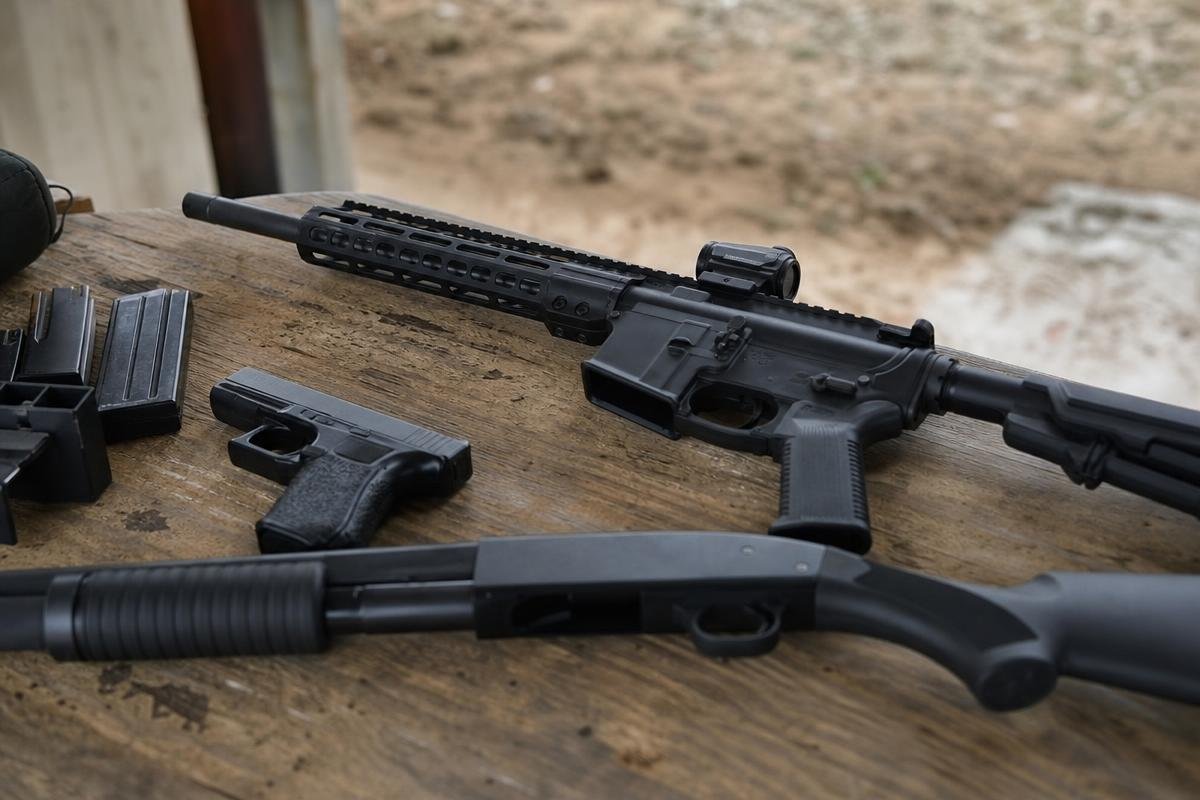
This is a category comparison, not a claim that one model is best for every household. Start with the option you can safely handle, store, inspect, and practice with. A small residence may prioritize compact locked storage, while a property with more room may accommodate a larger safe and a shoulder-fired platform.
Full-Size and Compact 9mm Handguns
A full-size 9mm pistol generally provides more grip area, a longer sight radius, and greater magazine capacity than a compact version. Those features can make it easier for some owners to establish a consistent grip and manage recoil during supervised practice.
Compact 9mm pistols occupy less storage space but can be more demanding to control because of their shorter grips and lighter weight. Handle both sizes before buying, determine whether the controls fit your hands, and test only at a lawful range with the magazines and ammunition you intend to use.
Pump-Action and Semi-Automatic Shotguns
Compare shotguns by operating system as well as fit. A pump-action requires the user to cycle the fore-end manually after each shot. A semi-automatic model cycles by gas or recoil operation depending on its design, and it should be tested with the ammunition the owner plans to use.
Neither system removes the need for training. Pump users need a smooth, deliberate cycling motion, while semi-automatic owners need to understand cleaning intervals, ammunition sensitivity, and the manufacturer’s maintenance instructions. At common home distances, a shotgun pattern does not eliminate the need for sight use or positive target identification.
5.56 NATO and 300 Blackout Carbines
A 5.56 NATO carbine offers manageable recoil, broad parts availability, and familiar AR-platform controls. Many 5.56 NATO complete upper receivers are designed for standard mil-spec-pattern AR-15 lowers, but buyers should verify the manufacturer’s compatibility guidance, receiver and buffer-system fit, chosen magazines, ammunition, and applicable configuration requirements before purchase or assembly.
A 300 Blackout rifle configuration deserves a separate comparison because barrel length and ammunition selection work together. Review 300 Blackout complete uppers, confirm the chambering marked on the barrel, and avoid mixing ammunition with other rifle configurations. If you are unsure whether an upper and lower combination is appropriate, ask about upper/lower compatibility before ordering.
What Makes a Home-Defense Firearm Reliable When You Need It?

Reliability is not a label on a box. It comes from correct assembly, manufacturer-recommended maintenance, undamaged magazines where applicable, suitable ammunition, and repeated safe function checks at a lawful range. A rifle, pistol, or shotgun should be treated as an individual system, especially after adding an optic, light, sling, or replacement component.
Confirm Function Through Safe Range Practice
Inspect magazines before relying on them. Look for damaged feed lips, cracked bodies, weak springs, or followers that bind. Mark magazines that cause problems and remove them from service until they are repaired or replaced.
At a lawful range, confirm that the firearm feeds, fires, ejects, and locks open as designed using the configuration you own. For an AR-platform build, this includes checking the upper, lower, buffer system, bolt carrier group, magazines, and ammunition together. Follow the manufacturer’s inspection and cleaning guidance rather than assuming a new firearm or new component needs no attention.
Choose Accessories That Support Safe Identification and Control
A weapon-mounted light can help with positive identification in low light. It does not replace responsible decision-making, safe handling, or awareness of who is in the home. Mount the light securely and verify that the switch does not interfere with your normal grip or controls.
A red dot can simplify sight alignment for some users, but it needs a secure mount, a confirmed zero, and routine battery checks. Contact our team if you need help selecting compatible red-dot components.
A sling is a retention tool, not an afterthought. Adjust AR-15 sling setups so the sling does not block controls, snag during storage, or interfere with safe handling. Keep the setup simple, then verify that it works safely during range practice.
Build a Practical Budget Around Training, Storage, and Maintenance
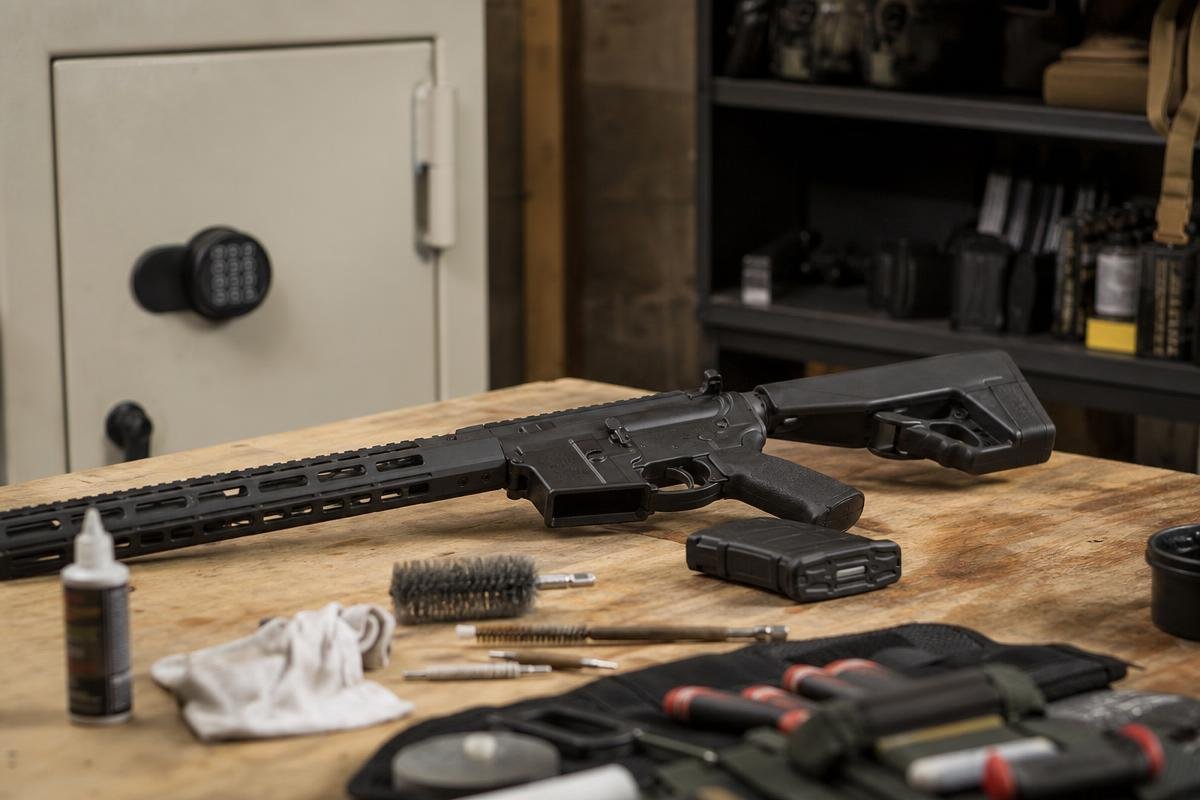
The best gun for home defense is not necessarily the lowest-cost firearm on the shelf. A realistic ownership budget also includes secure storage, eye and hearing protection, cleaning supplies, magazines where applicable, replacement batteries for electronic accessories, and supervised instruction or range time.
Budget for the Equipment That Supports Safe Ownership
Choose a locking safe, cabinet, or lockbox sized for the firearm and appropriate for the household. In North Texas, avoid leaving firearms in damp garages, vehicles, or areas with recurring moisture, and inspect metal components for corrosion during routine cleaning. A long gun may require more storage space than a compact pistol, while optics and lights add their own maintenance responsibilities.
Plan for instruction and practice before relying on any platform. A first-time shooter safety course and lawful range sessions can help owners learn loading, unloading, safe transport, basic maintenance, and the controls unique to their equipment. Follow the firearm manufacturer’s instructions when cleaning and inspecting it.
Add Accessories Only for a Defined Need
Accessories should solve a specific ownership problem rather than fill rail space. A light can support positive identification in low light. An optic may help some users obtain a consistent sight picture, provided it is mounted correctly and maintained.
Skip additions that add unnecessary weight, complicate controls, or interfere with storage. If you are comparing complete AR-15 rifles, account for the magazines, storage, maintenance items, and training needed to own the rifle responsibly from day one.
Need help comparing a complete rifle with an upper-and-lower build? Call our team at (888) 706-0633.
Training and Safe Storage Matter More Than a Brand Name
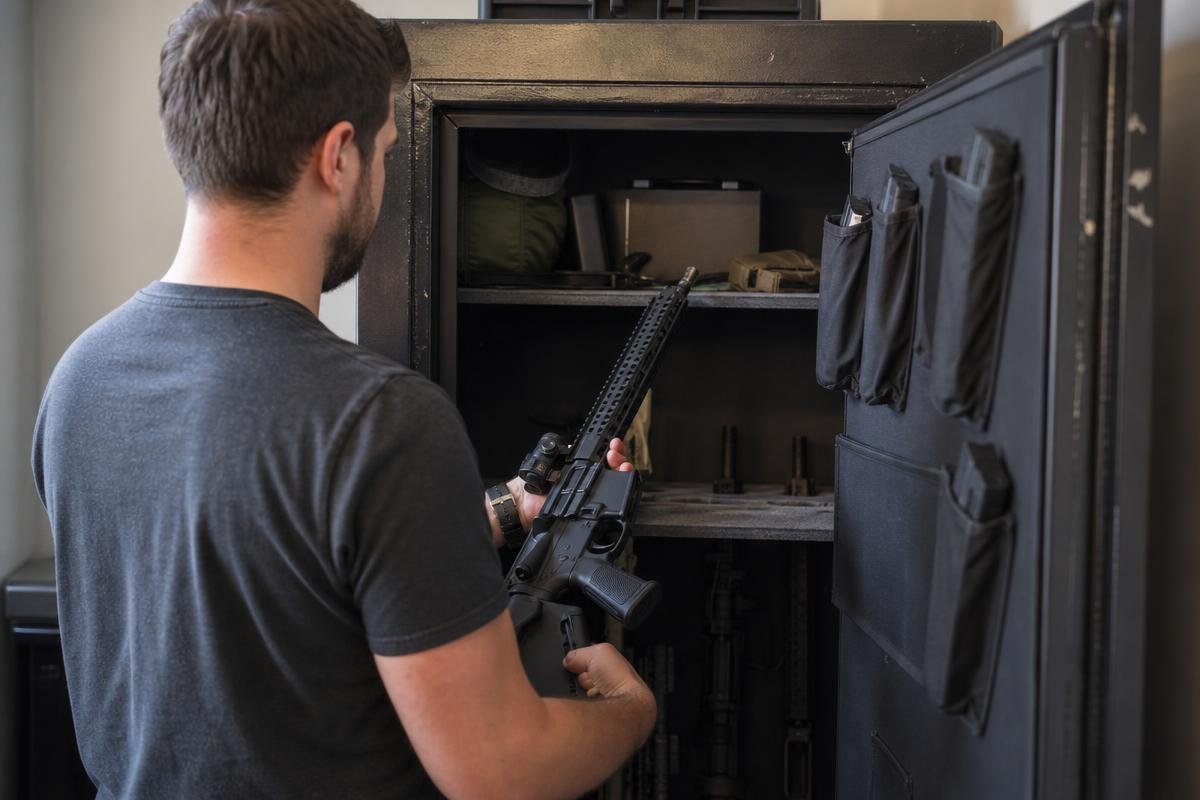
Training and secure storage matter more than a brand name because responsible ownership depends on safe handling, informed decisions, and familiarity with the specific firearm you own. The best home defense guns still require the same foundation: reliable operation, clear household rules, and a storage plan that prevents unauthorized access.
Build Familiarity With Core Controls
New owners should seek supervised instruction and lawful range practice before relying on any firearm at home. Learn safe loading and unloading, muzzle direction, trigger discipline, sight use, recoil management, and basic malfunction response under qualified guidance.
Recurring practice helps you understand the controls on your own firearm rather than a handgun, shotgun, or AR-style rifle handled only once. Review the range’s etiquette and safety rules before a visit, especially if you are new to range rules and commands.
Prevent Unauthorized Access at Home
A firearm must be inaccessible to children, visitors, roommates, and other unauthorized users while remaining available to the lawful owner through a responsible storage plan. Locking cabinets, safes, and lockable cases should fit the household, firearm type, and available installation space.
Choose a stable surface for a lockbox or a properly placed and secured safe. Control keys, access codes, and spare keys. Reassess the storage plan when children visit, a roommate moves in, household members change, or the firearm collection changes.
Consider secure firearm storage before buying. For help selecting compatible rifle components, contact our team.
Home-Defense Considerations for Denison Property Owners
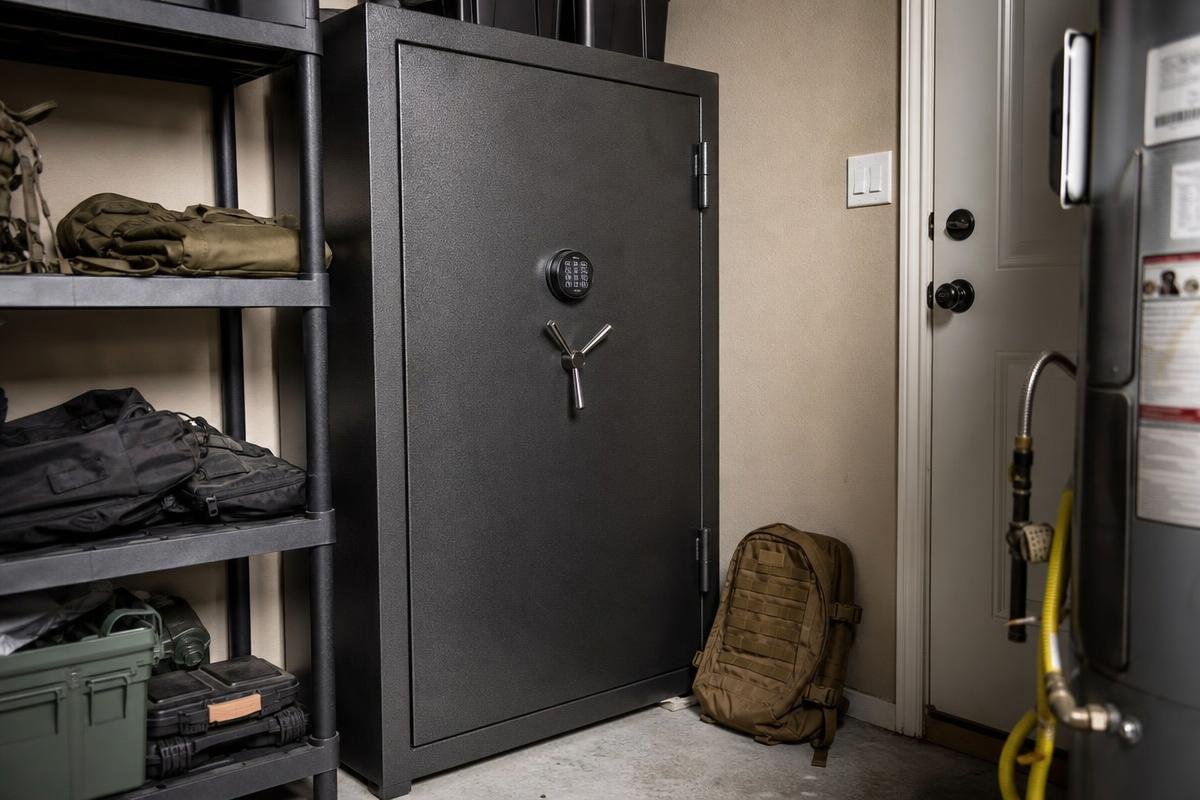
Property layout affects where secure storage can be installed, how household members move through the home, and where safe handling can occur. In this part of the Texoma region, a practical plan should also account for heat, humidity, and the temptation to leave equipment in a vehicle, which can expose firearms and accessories to theft, temperature extremes, and moisture.
Match Storage Placement to the Property Layout
Smaller homes may need a compact lockbox positioned where authorized adults can reach it without exposing it to children or visitors. Larger homes may offer more storage choices, but a storage location far from the main living area can be less convenient and more difficult to supervise. Prioritize a secure location over simply choosing the closest available closet.
Protect firearms from dampness and temperature swings. Avoid long-term storage against exterior walls with moisture problems or in unconditioned garages unless the storage container and maintenance routine are appropriate for those conditions. Check for corrosion, inspect batteries in electronic accessories, and follow the manufacturer’s care instructions.
Texas Legal and Storage Checklist
Firearm laws and local rules can change. This information is not legal advice. Before carrying, transporting, purchasing, assembling, or using a firearm, review current requirements through official sources, including official Texas firearm-law guidance, and confirm applicable laws with state and local authorities. Review the policies of any range before visiting, including firearm-case, ammunition, and check-in requirements.
For a practical ownership checklist, keep firearms secured from unauthorized users, transport them in accordance with applicable law and range policy, use only the ammunition appropriate for the marked chambering, and keep product manuals with your records. Online range information can help you begin planning practice, but always confirm current rules directly with the range.
Frequently Asked Questions
Is There One Best Home-Defense Firearm?
No. The best home defense guns vary by household because physical fit, reliable operation, training, and safe storage needs differ. Handguns, shotguns, and carbines each have tradeoffs for compact homes, larger lots, and rural-edge properties.
Can an AR-15 Work for Home Defense?
Yes, an AR-15 can be part of a home-defense setup if you can handle it safely and practice regularly. A carbine gives you multiple points of contact and supports lights and other compatible accessories, but it still requires secure storage and lawful use.
How Should I Choose a Caliber?
Choose a chambering that matches the complete configuration and ammunition you can obtain consistently. Review 5.56 NATO and .223 Remington chamber compatibility before selecting a barrel, upper, and ammunition combination. Prioritize dependable ammunition that you can identify and handle consistently.
Which Accessories Should I Prioritize?
Prioritize secure storage and positive identification tools before optional add-ons. A properly mounted light and a locking storage method matter more than cosmetic parts on an AR-15 home defense setup.
How Often Should I Practice?
Practice on a recurring basis at a lawful range, and seek professional instruction when you need help with safe handling or operation. Train with the firearm, controls, magazines, and ammunition you intend to keep available.
What Is the Safest Way to Store a Firearm at Home?
The safest storage method prevents unauthorized access while keeping the firearm secured according to your household’s needs. Use a quality locking device or secure storage container, especially where children, visitors, or other unauthorized people may be present.
Compare complete rifles, compatible upper receivers, and practical accessories online. For product questions or help finding the right components for a safe, lawful setup, contact AR15Parts.com at (888) 706-0633.
Ready to Get Started with AR15Parts.com?
Call (888) 706-0633 to speak with our team directly. We're ready to answer your questions, walk you through your options, and help you find the right solution for your needs. Whether you're just starting to plan or ready to move forward, we'll make the process simple and stress-free. Reach out today and let's talk about how we can help.