
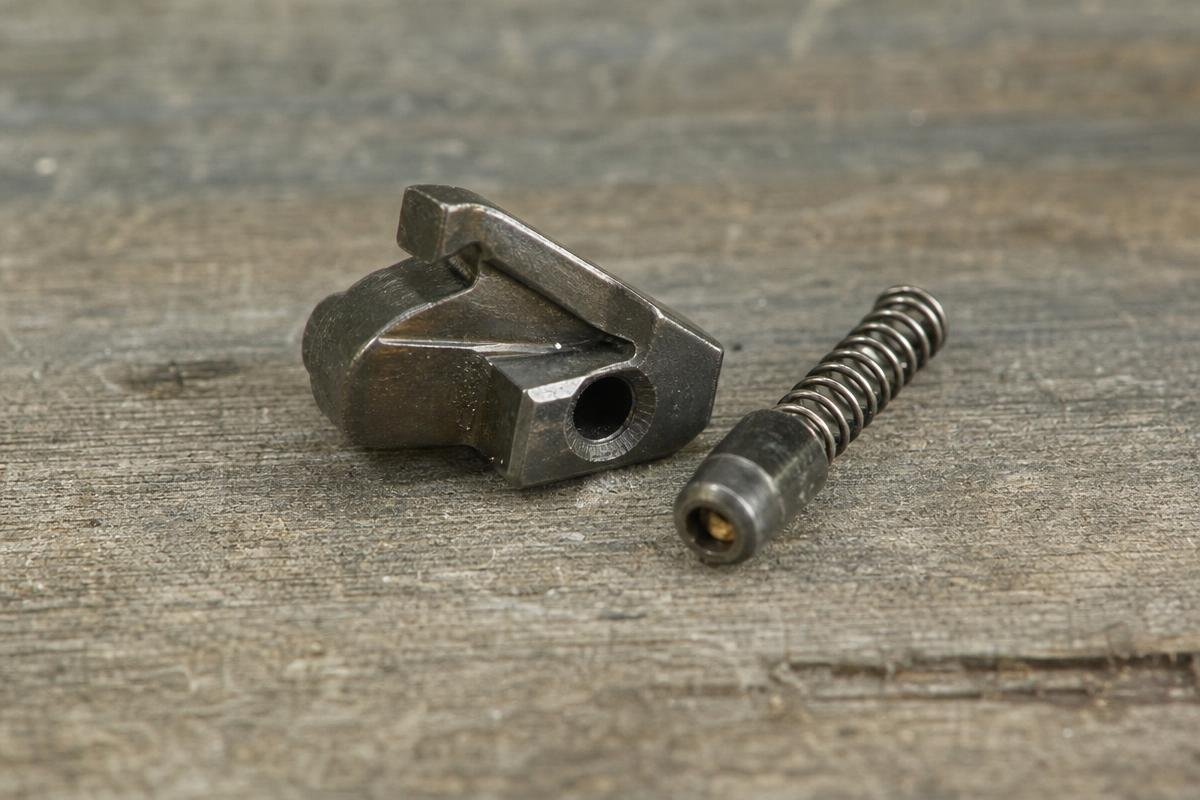
AR15Parts.com helps Denison rifle owners troubleshoot AR-15 extractor problems before repeated failures to extract interrupt a range day. We explain what to inspect, how extractor symptoms differ from ejector or chamber problems, and when a rifle needs qualified gunsmith attention rather than another replacement part. Need help identifying extractor fitment for your bolt?
Key Takeaways
- Repeated failures to extract can point to a worn extractor hook or weak spring, but chamber resistance and gas-system issues can create similar symptoms.
- An AR-15 extractor must keep secure contact with the cartridge rim through firing, unlocking, and rearward bolt travel.
- Inspect the hook, spring, insert, O-ring, and extractor pin during bolt carrier group maintenance.
- Confirm the bolt face, cartridge, and chamber before ordering replacement parts, especially on calibers outside common 5.56 NATO and .223 Wylde builds.
What Does an AR-15 Extractor Do During the Firing Cycle?
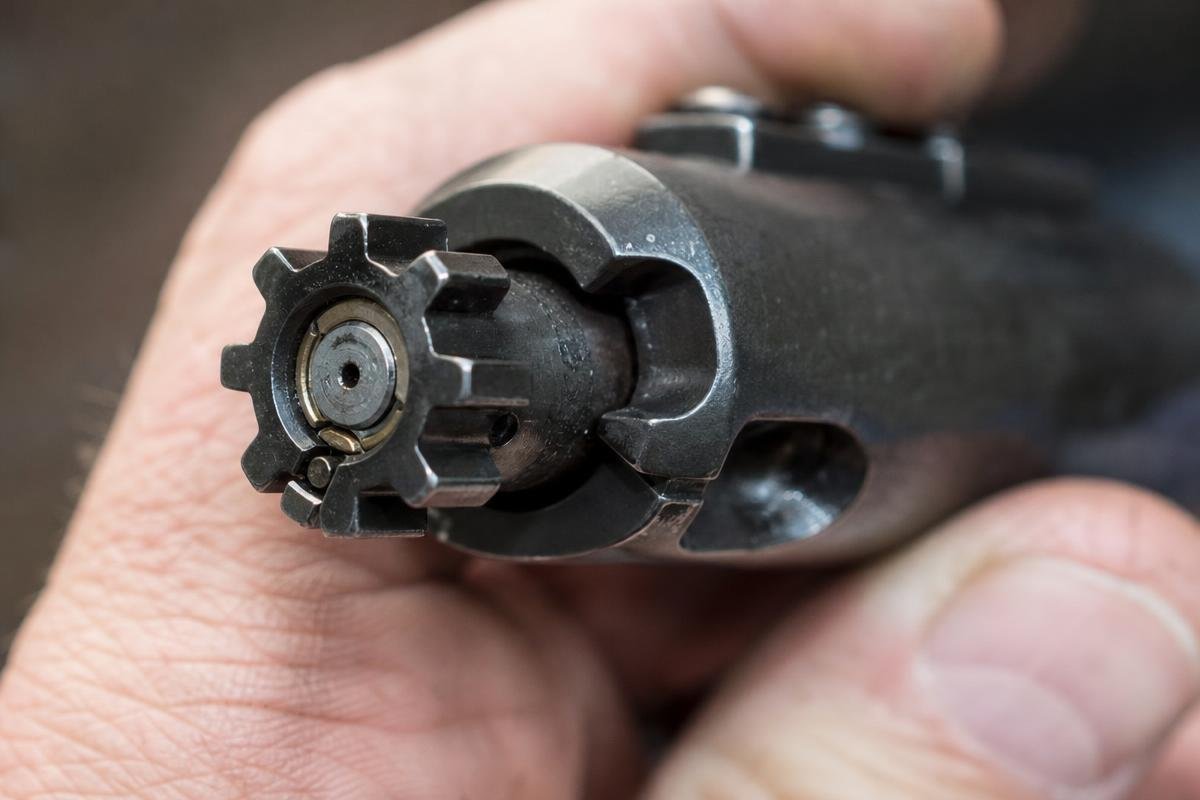
The extractor grips the cartridge case rim after firing so the bolt can pull the case from the chamber during rearward travel. It works with the bolt, barrel extension, chamber, ejector, and gas system. Before replacing a part, identify whether the case is being left behind, slipping from the hook, or being extracted but not ejected.
How the Extractor Claw Grips the Case Rim
As the bolt locks into the barrel extension, the extractor claw snaps over the case rim. Gas pressure cycles the carrier rearward, and the claw holds the rim while the bolt pulls the fired case free. The claw needs a clean, defined engagement surface. Inspect an AR-15 extractor for chips, cracks, rounded edges, burrs, brass buildup, and uneven wear. A damaged claw can slip off the rim even when the rifle otherwise appears to cycle normally.
How Spring Tension, Inserts, O-Rings, and Roll Pins Work Together
The AR-15 extractor spring supplies the force that presses the claw into the case rim. The insert sits inside the spring and supports its compression. An optional O-ring fits around the spring to add tension on setups that need it.
The extractor pin serves a different purpose. It is the pivot pin that retains the extractor in the bolt. These are separate service parts, so a weak spring does not automatically mean the hook or pin also needs replacement.
Why Extraction Problems Are Not Always Extractor Problems
A good extractor can still show extraction trouble. Chamber fouling, damaged ammunition, weak gas delivery, worn gas rings, restricted ejector movement, or an incorrect bolt and barrel combination can create similar symptoms.
An extractor-slip problem often leaves a fired case in the chamber with the bolt moving rearward without it. An ejector problem is different. The extractor may pull the case out successfully, but the case can remain on the bolt face or dribble out inconsistently. If you are comparing components for a build or evaluating complete AR-15 uppers, confirm the bolt, chamber, and caliber as a matched system.
How Can You Tell If an AR-15 Extractor Is Bad?
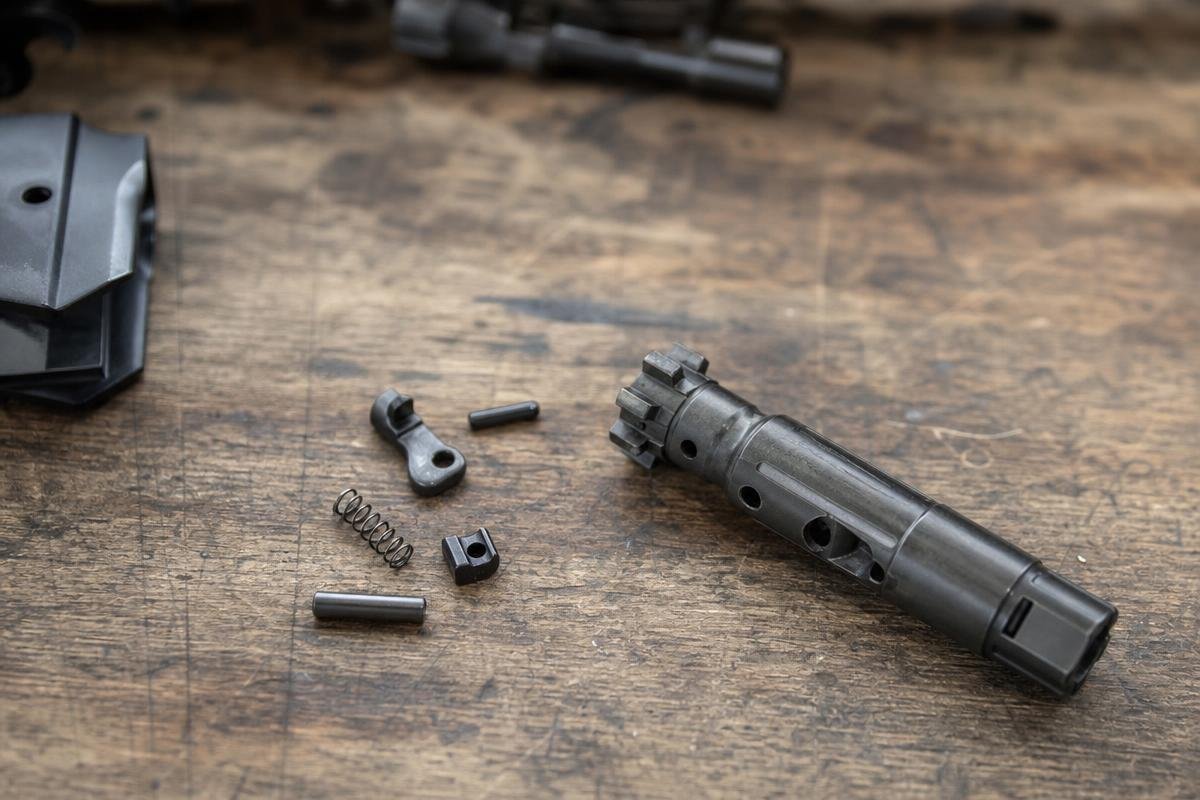
An AR-15 extractor problem usually appears as a case that will not leave the chamber cleanly or a hook that cannot keep a reliable hold on the rim. The six signs below help separate visible extractor wear from chamber fouling, low bolt velocity, ejector concerns, or ammunition trouble before parts are ordered.
1. Fired Cases Remain in the Chamber
A fired case left in the chamber is a common sign of AR-15 extraction problems. The extractor may be slipping off the rim, but a dirty chamber, weak cycling, or ammunition with difficult extraction can produce the same symptom. A case that remains firmly stuck after the rim tears deserves chamber and timing diagnosis, not simply more spring tension.
2. Case Rims Are Torn, Slipped, or Marked
A torn or heavily marked case rim means the bolt is trying to pull the case while resistance remains high. Inspect the fired brass and chamber condition first. A stronger extractor spring is not an automatic fix, because excess chamber resistance can still damage rims and worsen the underlying problem.
3. The Extractor Claw Has Chips, Cracks, or Rounded Edges
Inspect the extractor claw under good light for chipped engagement edges, cracks, heavy burrs, and rounding. The claw needs a defined edge to hold the case rim through unlocking and extraction. Do not file, reshape, or polish the engagement surface. Replace a visibly damaged extractor instead.
4. The Extractor Has Weak or Inconsistent Tension
With the bolt removed and no live ammunition present, use an inert case or a clean fired case for a controlled bench check. The case should remain retained as you carefully handle the bolt, but this is only a basic indicator, not a definitive extractor-tension test. Easy release or inconsistent retention may point to the spring, insert, O-ring, or extractor itself. An extractor parts question for our team can help you confirm the right replacement path.
5. Ejection Is Inconsistent
Weak, erratic, or changing ejection can accompany extractor wear, but it does not confirm it. If the case is pulled from the chamber but does not clear the ejection port reliably, inspect the ejector and overall carrier movement as well. Compare patterns across several rounds of known-good ammunition instead of diagnosing from one case.
6. Extraction Failures Keep Returning After Basic Checks
Repeated failures after cleaning and basic inspection call for a closer parts check before further use. An AR-15 extractor kit commonly includes the extractor, spring, insert, O-ring, and extractor pin. Choose a complete kit when several components show wear or service history is unknown, and replace an individual component when the failed part is clear.
For a rifle with broader cycling concerns, inspect the bolt carrier group and upper as a system. If the chamber, barrel extension, or upper assembly is implicated, review the complete AR-15 upper options that match your intended caliber and configuration.
How Do You Inspect the Extractor, Spring, Insert, O-Ring, and Roll Pin?
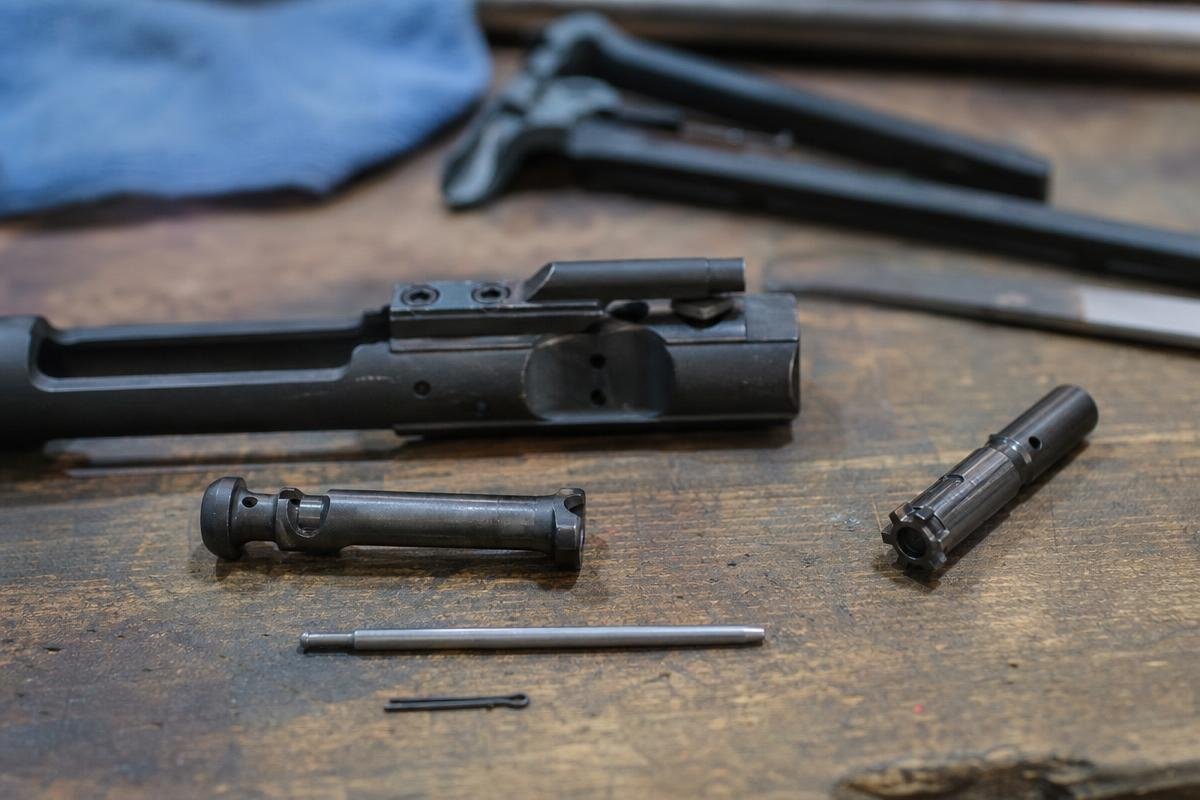
Inspect the complete extractor setup before ordering parts. A worn hook, weak spring, damaged insert, torn O-ring, or loose extractor pin can each contribute to extraction trouble. Work only with an unloaded rifle, follow the firearm manufacturer’s instructions, and stop if the diagnosis suggests a chamber, headspace, or timing issue.
Start With an Unloaded Rifle and Clear Workbench
Remove the magazine, open the action, and visually and physically check the chamber. Keep all ammunition away from the workbench before removing the bolt carrier group according to your rifle manual. Use a clean, well-lit bench, eye protection, and a parts tray. Extractor pins, springs, inserts, and O-rings are small parts that are easy to lose. If you need help identifying your bolt setup, contact our parts team.
Use a Visual Inspection Checklist
- Check the extractor hook for chips, rounding, cracks, burrs, or brass buildup.
- Inspect the pivot area for wear or damage around the extractor pin hole.
- Check the spring for corrosion, distortion, or a collapsed coil.
- Confirm the insert is seated inside the spring and is not split, crushed, or missing.
- Inspect any O-ring for cuts, flattening, or excess looseness.
- Check that the extractor pin is straight, retained, and not walking out of the bolt.
Inspect gas rings separately during a cycling diagnosis. They affect bolt movement, but they are not part of the extractor assembly.
Know When to Stop and Ask a Qualified Gunsmith
Remove the extractor pin only if you can support the bolt properly during removal and installation. Unsupported pin work can mar the bolt, damage the pin hole, or send small components across the bench.
Stop using the rifle and seek qualified gunsmith service if failures persist after basic cleaning and inspection, case rims tear, the chamber appears rough or pitted, headspace is suspected, or you are not comfortable disassembling the bolt. For compatible replacement-part questions, AR15Parts.com can be reached at 4000 Texoma Pkwy, Denison, TX 75020 or by phone at (888) 706-0633.
Can a Weak Extractor Spring Cause Failure to Extract?
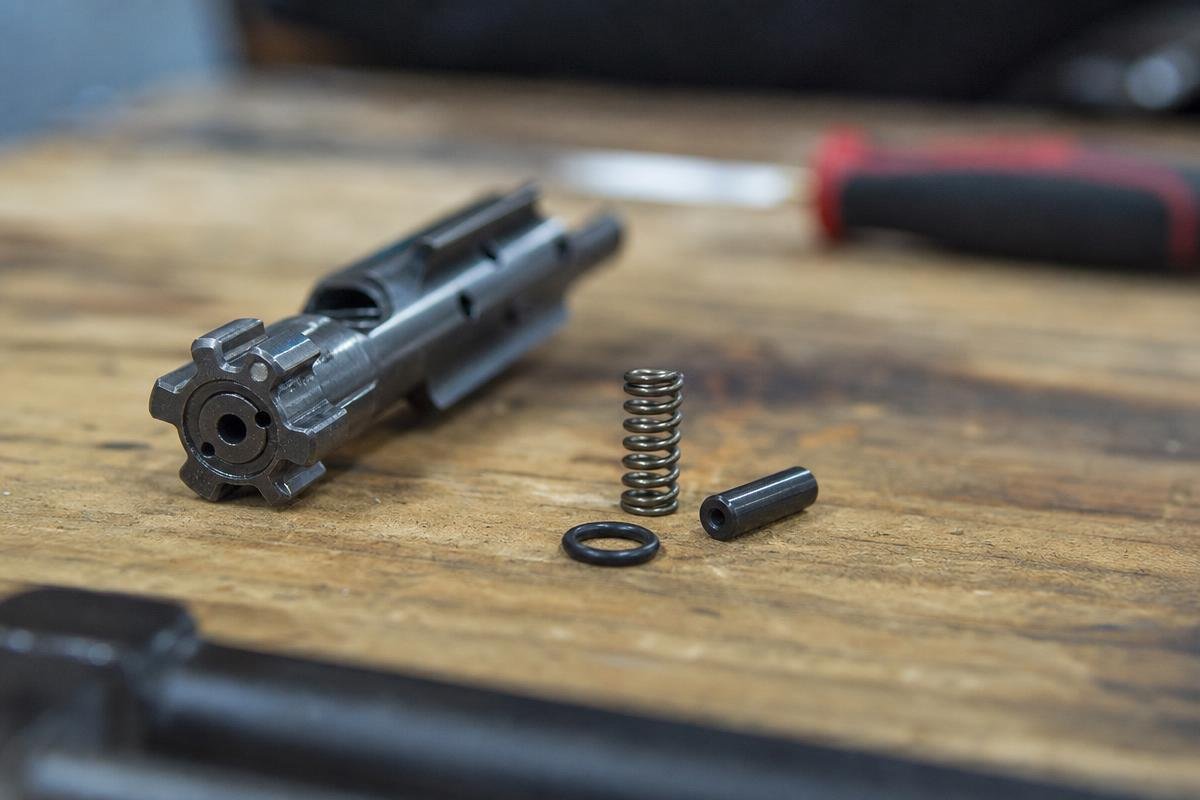
Yes, a weak spring can reduce the extractor’s grip on the case rim and allow the claw to slip during cycling. It is only one possible cause. More tension cannot correct a rough chamber, incorrect gas behavior, damaged brass, or an incompatible bolt and barrel combination, so confirm the cause before changing the setup.
When a Standard Replacement Makes Sense
A standard replacement makes sense when the extractor or its supporting parts are visibly worn, damaged, missing, or out of specification. Replace the extractor, spring, insert, and extractor pin as needed, rather than adding tension to a component that should be replaced.
Standard components that fit mil-spec AR-15 or M16-pattern bolt carrier groups are the normal starting point for common 5.56 NATO and .223 Wylde builds. Inspect the hook and spring pocket before ordering parts for your 5.56 NATO upper receiver.
What an O-Ring or Higher-Tension Setup Can and Cannot Address
An AR-15 extractor O-ring or higher-tension spring arrangement may help when a sound extractor needs more case-rim grip. It is a targeted option for a confirmed extraction concern, not a universal repair for a stuck case.
Do not use extra tension to mask a rough chamber, incorrect gas behavior, ammunition problems, or mismatched bolt parts. Those faults need diagnosis at their source. Excess tension can also make the extractor harder to move over the cartridge rim during feeding.
Confirm Bolt and Caliber Compatibility Before Ordering
Extractor parts do not fit every AR-15 caliber and bolt. Bolt face dimensions, extractor geometry, and cartridge rim size vary outside common 5.56 NATO and .223 Wylde configurations.
Confirm your cartridge, barrel chamber, and bolt type before buying an AR-15 extractor kit. If you are sorting out a nonstandard build, compare the bolt to the setup used in your complete AR-15 upper before ordering.
Need help identifying the extractor parts for your bolt? Call our team at (888) 706-0633 before you order.
When Does Extraction Trouble Point to the Chamber, Gas System, or Ammunition?
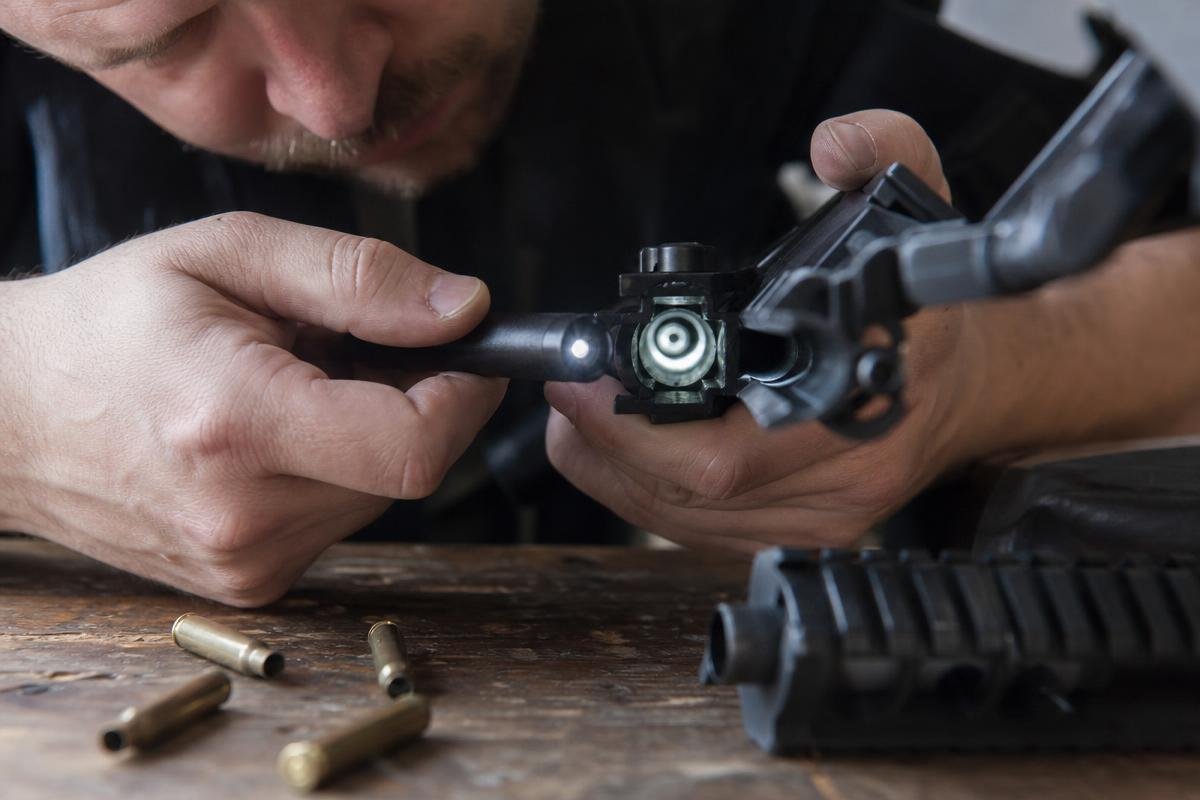
A failed extraction does not automatically mean the AR-15 extractor is worn out. Chamber condition, gas operation, ejector movement, and ammunition can all create similar AR-15 extraction problems. Identifying the symptom pattern helps prevent replacing a good part while the actual fault remains.
Chamber Condition Can Increase Case Release Resistance
Carbon, powder fouling, corrosion, and rough machining can make a fired case harder to release. The extractor must then pull against more resistance, which can leave a torn rim, stuck case, or inconsistent ejection.
Inspect the chamber with proper light after cleaning. A chamber brush and solvent remove normal fouling, but visible pitting, rough areas, or a recurring stuck-case pattern need qualified inspection. A correctly built upper matches the barrel extension, bolt, chamber, and gas system from the start.
Gas Timing and Bolt Speed Affect Extraction
The gas system controls when the bolt begins moving after firing. Excess bolt speed can start extraction while chamber pressure remains high, placing extra load on the extractor and case rim.
Short stroking can also mimic extractor trouble because the carrier may not travel far enough for consistent cycling. Check the full system, including gas block alignment, gas tube condition, carrier key seal, buffer setup, and gas rings. When a broader assembly issue is confirmed, our complete AR-15 uppers provide a matched upper option to consider.
Ammunition and Chamber Markings Need to Match
Ammunition must match the barrel chamber marking. 5.56 NATO, .223 Remington, .223 Wylde, and 300 Blackout chambers each have specific cartridge requirements, and the wrong load can complicate diagnosis.
Reloads, damaged brass, inconsistent powder charges, oversized cases, and defective rims can all look like extractor failure. Test known-good factory ammunition before changing parts. Denison and nearby Texoma-area rifle owners can contact our team for help narrowing down compatible upper and ammunition options.
Extractor Checks for Denison Rifle Owners
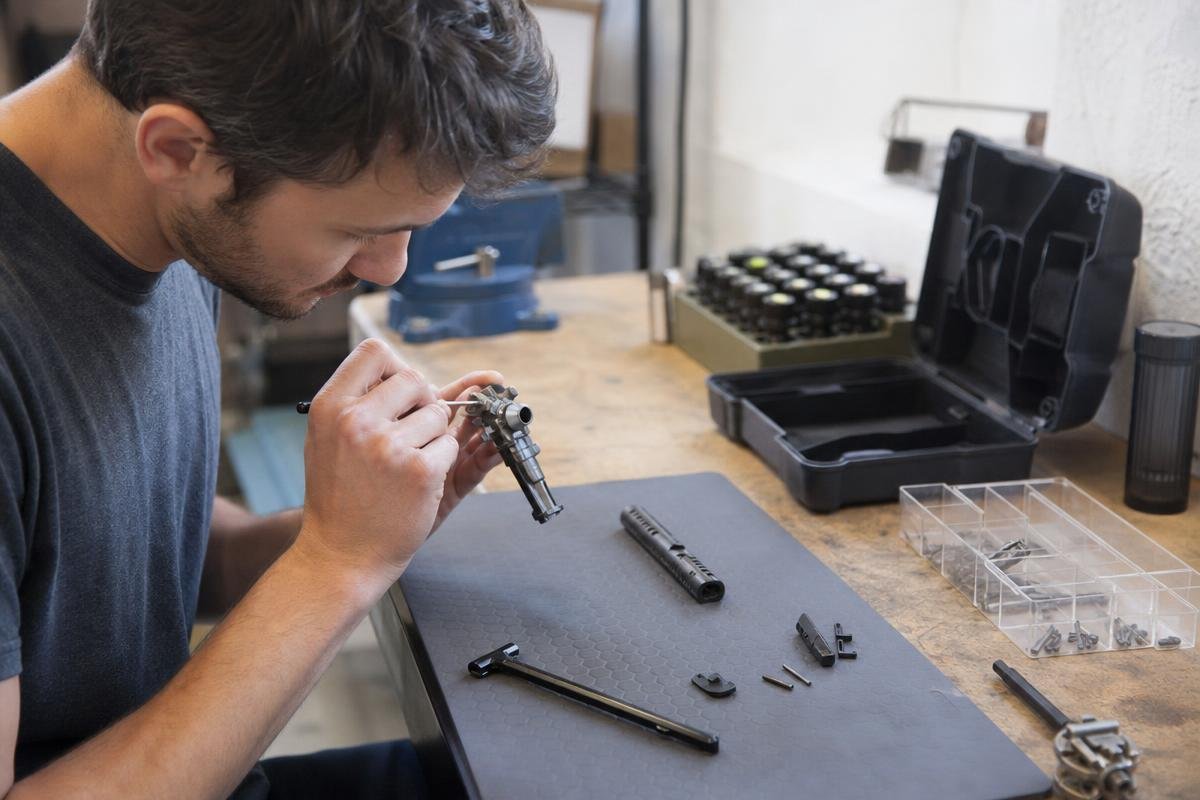
Before shopping for an AR-15 extractor kit or individual replacement parts, set up a controlled inspection and document the symptoms you see. Note whether the case stays in the chamber, the rim is damaged, or the empty case extracts but ejects poorly. That information makes parts selection more accurate.
Set Up a Clean, Controlled Inspection Area
Small extractor parts are easy to lose. Work on a clean, well-lit bench with a parts tray and eye protection before handling the extractor, spring, insert, O-ring, or extractor pin. Keep the bolt carrier group separated from live ammunition. Lay each part in order as it comes out, so you can compare it with the replacement parts you plan to buy.
Follow Manufacturer Instructions for Function Checks
After service, follow your firearm manufacturer’s instructions for function checks. Confirm the rifle is unloaded, then check that the bolt carrier group is assembled correctly before any live-fire testing.
Do not treat a function check as proof that the rifle is ready for a full range session. If you are comparing replacement parts, our complete AR-15 uppers can also help you identify the caliber and upper configuration involved.
Use Safety Resources Before Returning to the Range
Review range rules before returning to live fire. Start with safe handling practices, then confirm reliable operation with the ammunition your rifle is chambered for. Zeroing is a separate step after the rifle functions correctly. If you need help identifying compatible components before ordering, contact AR15Parts.com at (888) 706-0633.
Frequently Asked Questions
How Often Should an AR-15 Extractor Be Replaced?
Replace an extractor based on inspection findings and malfunction history, not a fixed round count. A chipped claw, weak tension, or repeated extraction failures calls for replacement. Inspect it whenever extraction becomes inconsistent.
Can a Weak Extractor Spring Cause Failures to Extract?
Yes, a weak AR-15 extractor spring can let the case slip from the extractor claw during cycling. Check the chamber, gas system, ammunition, and ejector too, since each can cause AR-15 extraction problems.
Does Every AR-15 Need an Extractor O-Ring?
No, an AR-15 extractor O-ring is not required on every rifle. Use one only when it matches your spring, insert, bolt setup, and intended operating conditions. Confirm the full setup before adding one.
What Comes in an AR-15 Extractor Kit?
An AR-15 extractor kit commonly includes an extractor, spring, insert, O-ring, and extractor pin. Contents vary by product, so confirm the listing before ordering parts for your bolt. Match every component to the specific bolt and application.
Can a Bad Extractor Cause a Double Feed?
Yes, a damaged extractor can leave a fired case in the chamber and create a feeding stoppage behind it. A true double feed needs broader diagnosis, including magazines, bolt movement, and ammunition.
Should I Replace the Ejector With the Extractor?
No, replace the ejector only if inspection or ejection symptoms point to a problem. If your inspection identifies a worn part, shop our AR-15 parts and accessories from AR15Parts.com. For help identifying the component you need, call (888) 706-0633 or use our contact page before placing your order.
Ready to Get Started with AR15Parts.com?
Call (888) 706-0633 to speak with our team directly. We're ready to answer your questions, walk you through your options, and help you find the right solution for your needs. Whether you're just starting to plan or ready to move forward, we'll make the process simple and stress-free. Reach out today and let's talk about how we can help.