
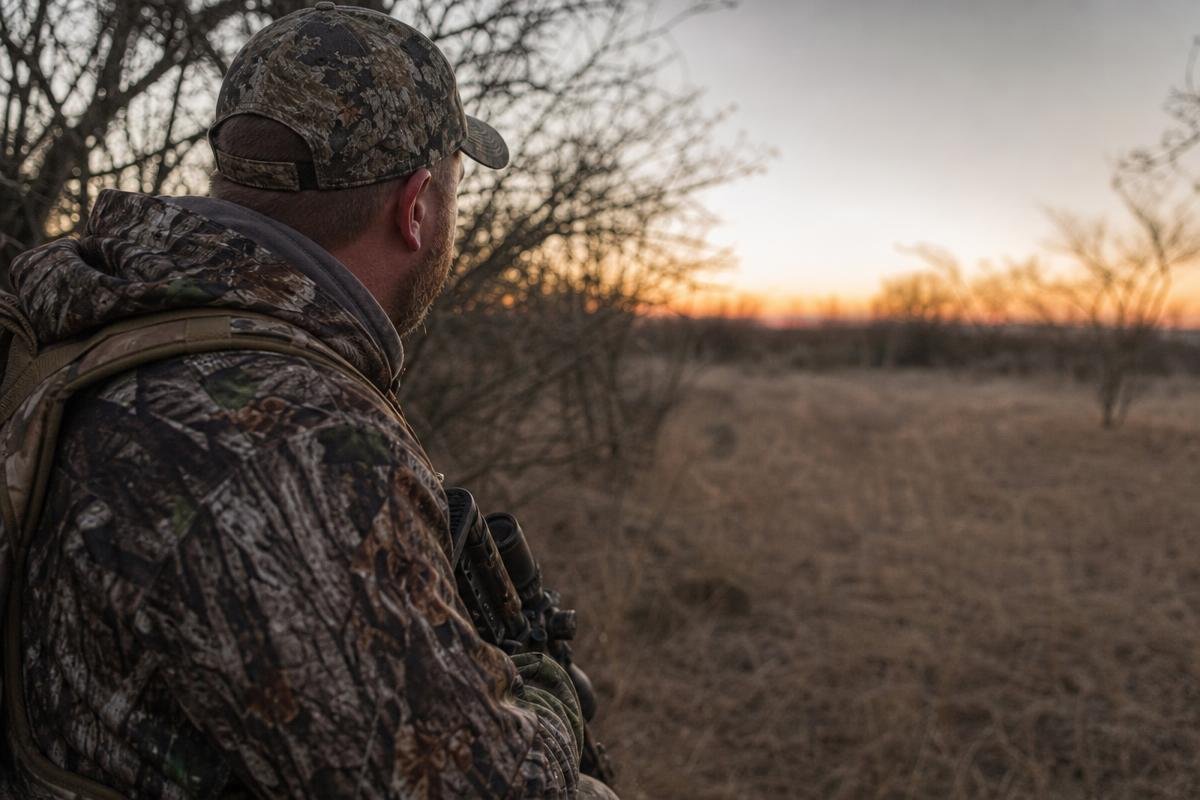
AR15Parts.com offers practical coyote hunting tips for hunters planning legal predator hunts around Denison and Grayson County. North Texas properties can change quickly from pasture and winter wheat to brushy draws, creek bottoms, utility corridors, and developing areas near roads and homes. Verify landowner authorization, current Texas Parks and Wildlife rules, and applicable city or county firearm-discharge restrictions before every hunt, then build each stand around wind, visibility, and a known safe backstop.
Need help putting together a predator-ready AR-15 with a compatible upper, optic, and sling? Talk with the AR15Parts.com team or call for fitment guidance.
Key Takeaways
- Set up crosswind or with the wind in your face, while keeping the likely downwind approach visible.
- Scout Grayson County pasture transitions, creek-bottom cover, brushy draws, and agricultural edges before selecting a daytime stand.
- Confirm permission, boundaries, roads, occupied structures, livestock locations, and safe shooting directions before carrying a rifle into the field.
- First light, last light, cool fronts, and calm daytime windows can all produce opportunities when coyotes are moving between cover and food sources.
Tip 1: Scout Coyote Travel Routes Before You Call
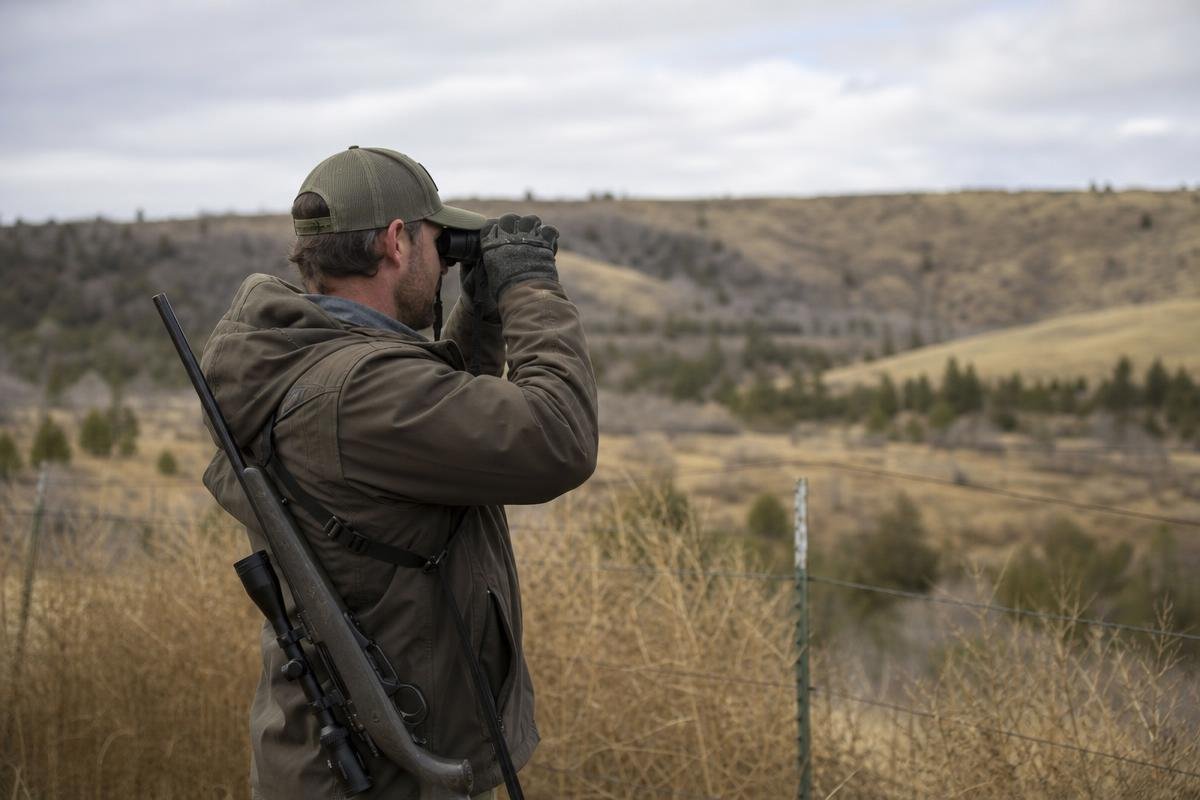
Blind calling wastes stands and can create poor shot choices. Around Grayson County, coyotes may travel along brushy drainage channels, pasture-to-crop transitions, creek crossings, and cover strips that connect larger blocks of habitat. Scout from a distance first, then select a stand that lets you see an approach before the animal reaches your wind.
Start with binoculars. Look for fresh tracks, scat containing hair or bone fragments, pawed ground, and repeated trails entering or leaving dense cover. In dry ground, sharp track edges and undisturbed scat generally tell you more than one old print baked into the soil.
Read Fresh Sign Without Overpressuring the Property
Walk only enough to confirm current use, then back out. Repeatedly crossing likely travel routes leaves scent and disturbance where coyotes expect quiet cover.
When access allows, glass from a road, elevated field edge, or distant boundary rather than walking every draw. Keep your scouting route separate from the route you will use to reach the stand, especially when warm air or a light breeze carries scent through low ground.
Plan Access, Boundaries, and Safe Shooting Directions
Before the rifle leaves the vehicle, confirm authorization, property boundaries, access routes, livestock locations, neighboring homes, roads, rail lines, and utility work areas. Development and traffic can be close to otherwise rural ground around Denison, so identify where every potential shot would stop, not merely where the coyote may appear.
Choose an entry route that stays out of the likely travel corridor. Once your property plan is set, a hunting-ready rifle from our complete AR-15 rifle selection can be matched to the stand and practical shooting distances.
Tip 2: What Is the Best Wind Direction for Coyote Hunting?
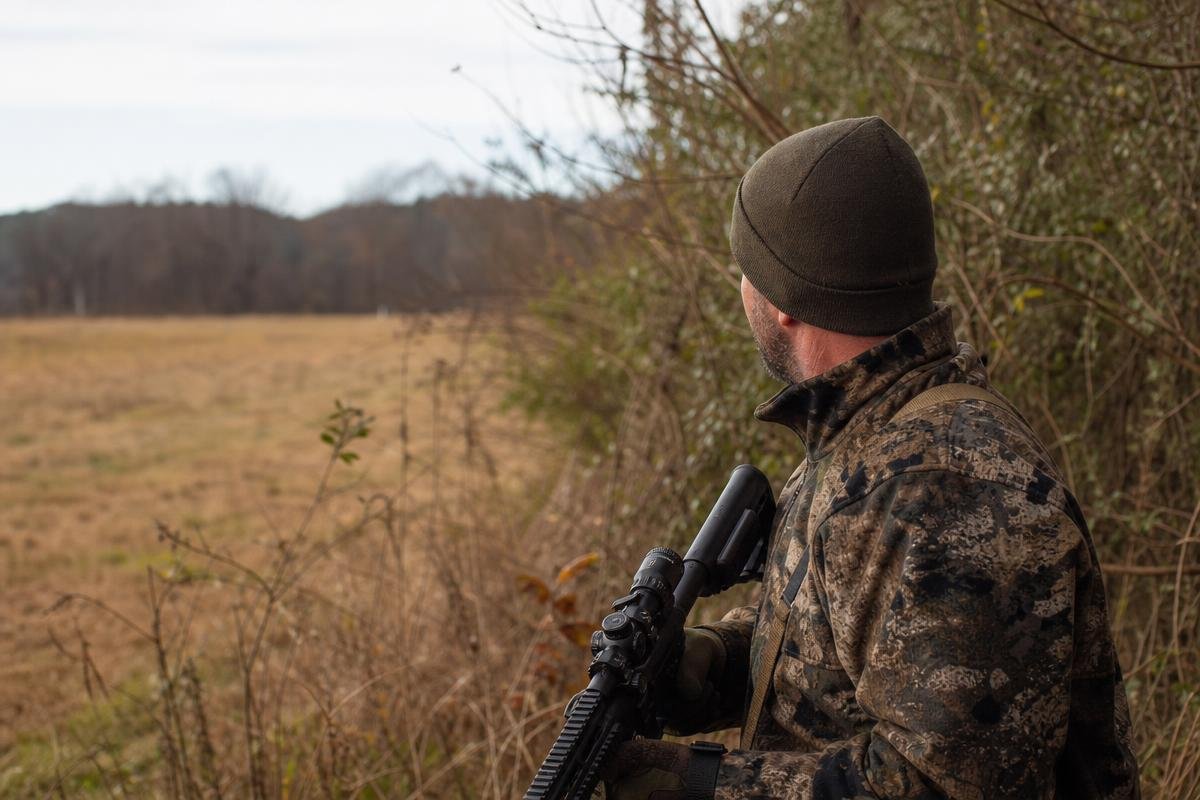
The best setup usually places the caller upwind or crosswind and gives you a clear view of the downwind side, because coyotes often circle to scent-check the sound. If the breeze begins carrying your scent toward the cover you expect a coyote to leave, move or end the stand rather than hoping the animal will ignore it.
Set the Caller and Watch the Downwind Lane
Place the caller upwind or crosswind from your position, then sit where you can watch the likely downwind lane. Keep the caller far enough away that an approaching coyote focuses on the sound instead of your movement. A brushy draw, terrace, or low swale may offer a concealed route toward the call.
A simple stand check is: wind in your face or quartering across you, caller offset from your position, visible downwind lane, and a confirmed bullet stop beyond every intended shooting lane. Our complete AR-15 uppers for hunting builds offer caliber and barrel-length options, but wind placement determines whether you get a safe opportunity.
Manage Scent and Movement at the Stand
Keep clean outer layers separate from fuel, food, and strong-scented products. Enter quietly, avoid crossing the route you expect a coyote to use, and check the breeze at your actual stand with a wind indicator.
Break up your outline against natural cover without blocking your view. Keep hands and face still, scan slowly, and pay special attention to the downwind side during pauses. These coyote hunting tips help you stay concealed while you monitor changing conditions.
Tip 3: When Is the Best Time to Hunt Coyotes in Denison?
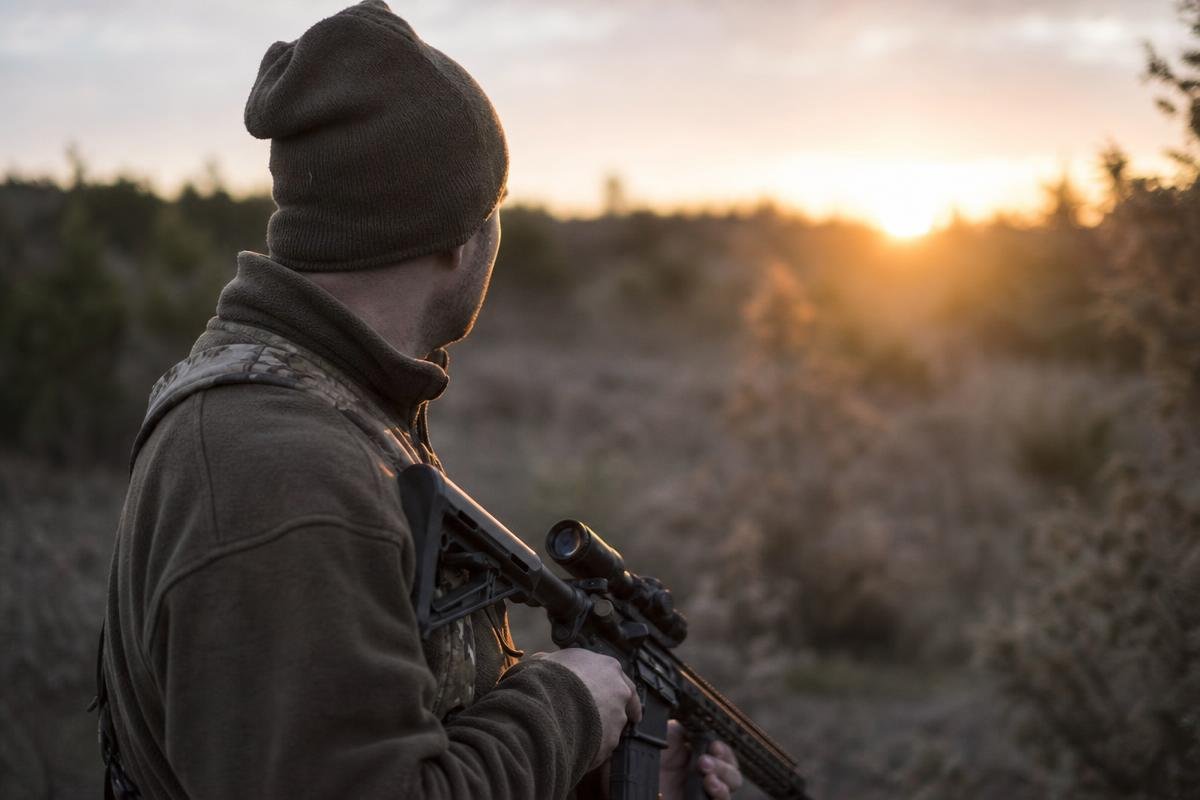
First light and the final hour before dark are reliable starting windows, but cool daytime conditions after a North Texas front can also be productive. Heat, wind, recent property activity, livestock movement, and hunting pressure often matter more than a fixed time on the clock.
Arrive Early and Let the Stand Settle
Arrive early enough to park, walk in, and settle without rushing. Get binoculars, rifle, caller, and shooting lanes ready before calling. Give the area time to quiet down after your approach, especially if you crossed dry grass, opened gates, or walked exposed pasture.
Settle into a position only after confirming a safe backstop and muzzle direction. Know where roads, livestock, homes, and other people may be beyond your visible lanes.
Read Pressure, Weather, and Property Activity
First light is not automatically better than daytime hunting. Recent vehicle traffic, changing weather, cattle movement, and a hard wind can make coyotes slower to respond or keep them buried in cover.
Keep notes after each stand: wind direction, temperature, call type, response time, and where an animal appeared. Moon phase can be worth recording, but it is not a guarantee.
Tip 4: Use Calls with a Simple, Patient Sequence
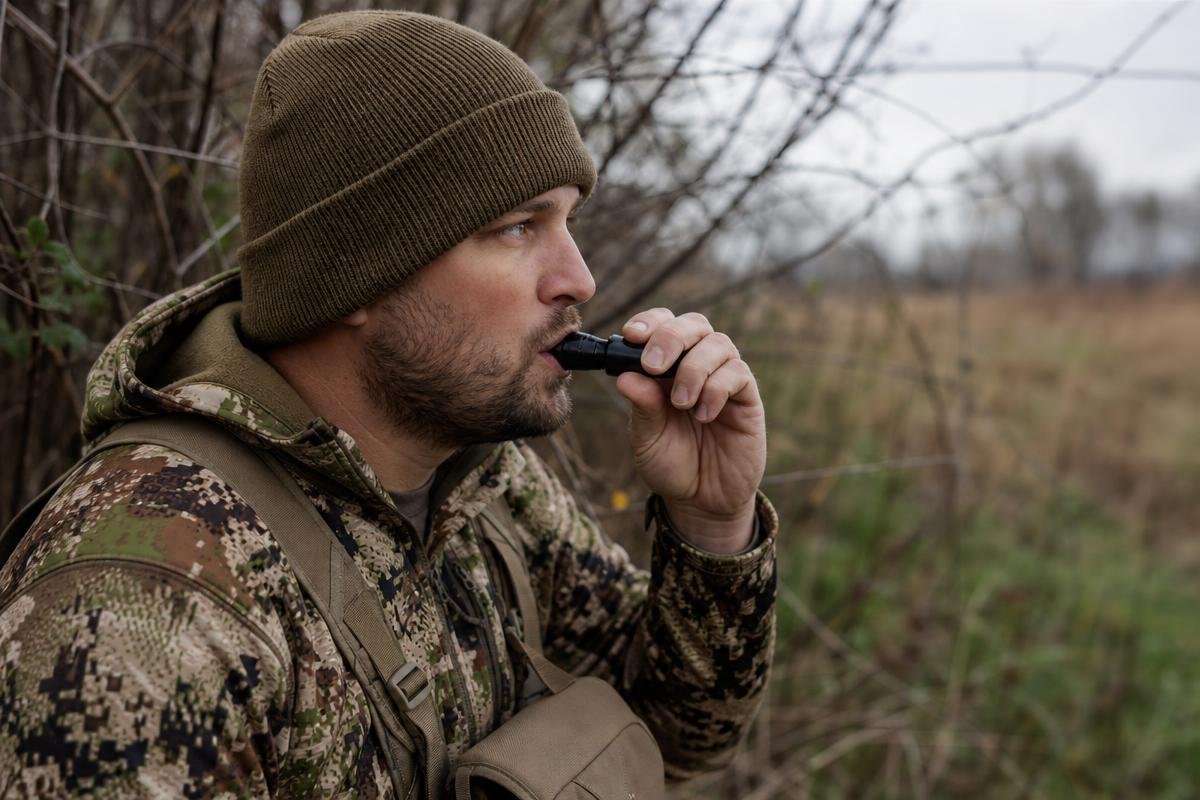
Good coyote calling tips begin with restraint. Your call should sound like a believable source, not constant noise across the property. Sound can carry far on open pasture, while wind and dense brush can shorten how far a coyote hears or locates it.
Begin with a low-volume distress call for 15 to 30 seconds. Pause for several minutes, scan every direction, and repeat. If there is no response and conditions support it, raise volume gradually rather than immediately broadcasting at maximum volume.
Start Low and Scan During Every Pause
Start quietly because a nearby coyote may already be within hearing range. Constant calling can make the sound source easy to pinpoint. During each pause, inspect the downwind side first, then slowly scan openings, brush edges, and low terrain that can hide an approach.
Mouth calls work well for distress sounds, but they take practice. Use short, uneven cries instead of a steady rhythm. Control cadence and volume before trying to call across a large field.
Match Vocal Sounds to the Situation
Distress calls are a practical starting point for beginners. Howls, yips, and challenge sounds can fit territorial situations, particularly when you hear coyotes vocalizing first. Do not force aggressive sounds into every stand.
Pressured coyotes can become cautious after repeated howls or challenge sequences. Keep the sequence simple, stay still, and allow time for an animal to work in.
Tip 5: Build Each Stand Around Cover, Visibility, and a Safe Shot
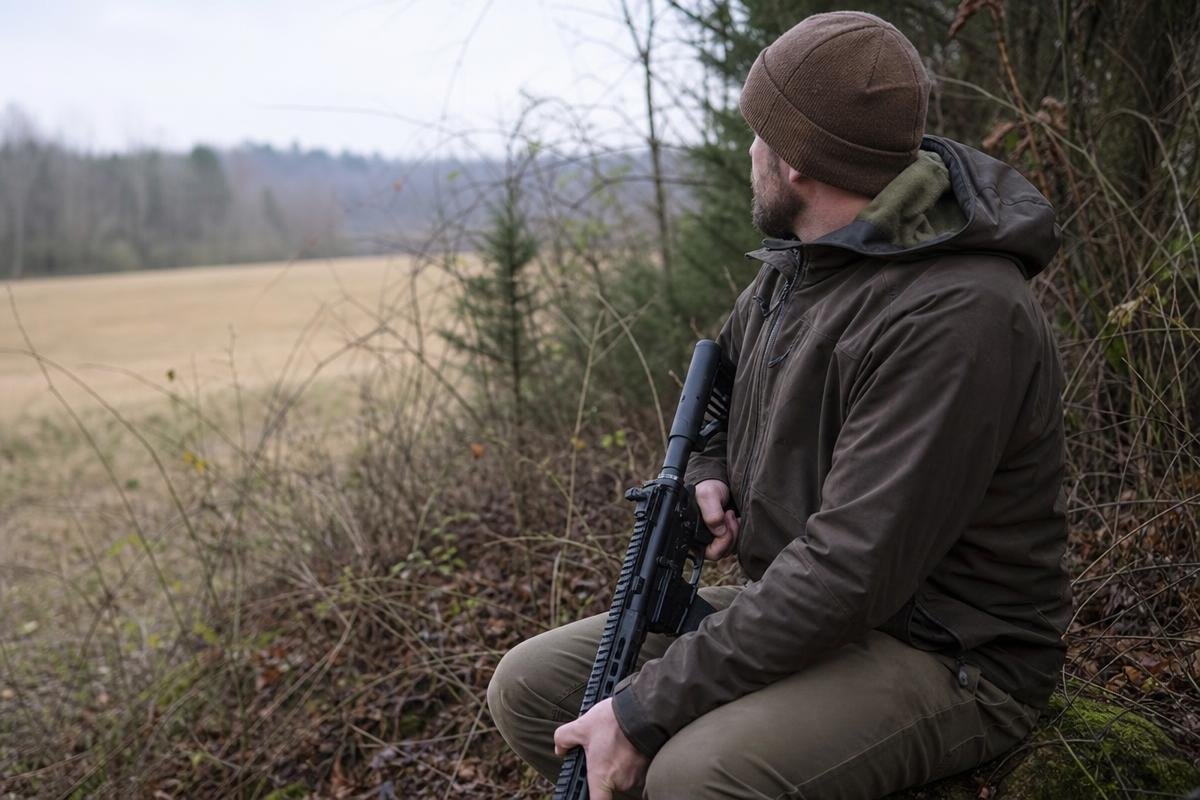
An effective coyote stand uses enough cover to break up your outline without blocking your view. On legal hunting ground near Denison, a shallow draw, tree line, or brush patch can hide your silhouette, but sitting too deep in cover may let a coyote reach your wind before you see it.
Use Terrain to Predict the Approach
Coyotes often use brushy draws, creek-bottom vegetation, thickets, and field margins to stay hidden while approaching a call. Watch the downwind side of your stand, especially where cover meets a visible opening. A low fold in the terrain can hide a close approach until the animal reaches your shooting lane.
Set up with a clear view of likely travel routes, then keep the rifle supported on a bipod or stable seated rest. A sling keeps your rifle controlled while walking between stands. For a hunting build ready to drop onto your lower, see our complete AR-15 uppers for hunting builds.
Set Safe Shooting Lanes Before Calling
Confirm a known backstop and safe muzzle direction before the first call. Open ground is not automatically safe. Identify where every possible shot would end, and do not swing your muzzle across a crest, livestock area, road, occupied structure, or unknown terrain.
- Pick one or two clear shooting lanes before sitting down.
- Keep the muzzle pointed in a safe direction while scanning.
- Pass on any shot when the target, background, or property boundary is uncertain.
A coyote that appears outside your safe lane is not a shot. Let it pass, reset your stand, and call again from a position with better visibility and a verified backstop. Need help choosing components for a practical predator-hunting setup? Call us at (888) 706-0633 for AR-15 upper and rifle fitment guidance.
Tip 6: Carry a Practical Coyote Hunting Gear Checklist
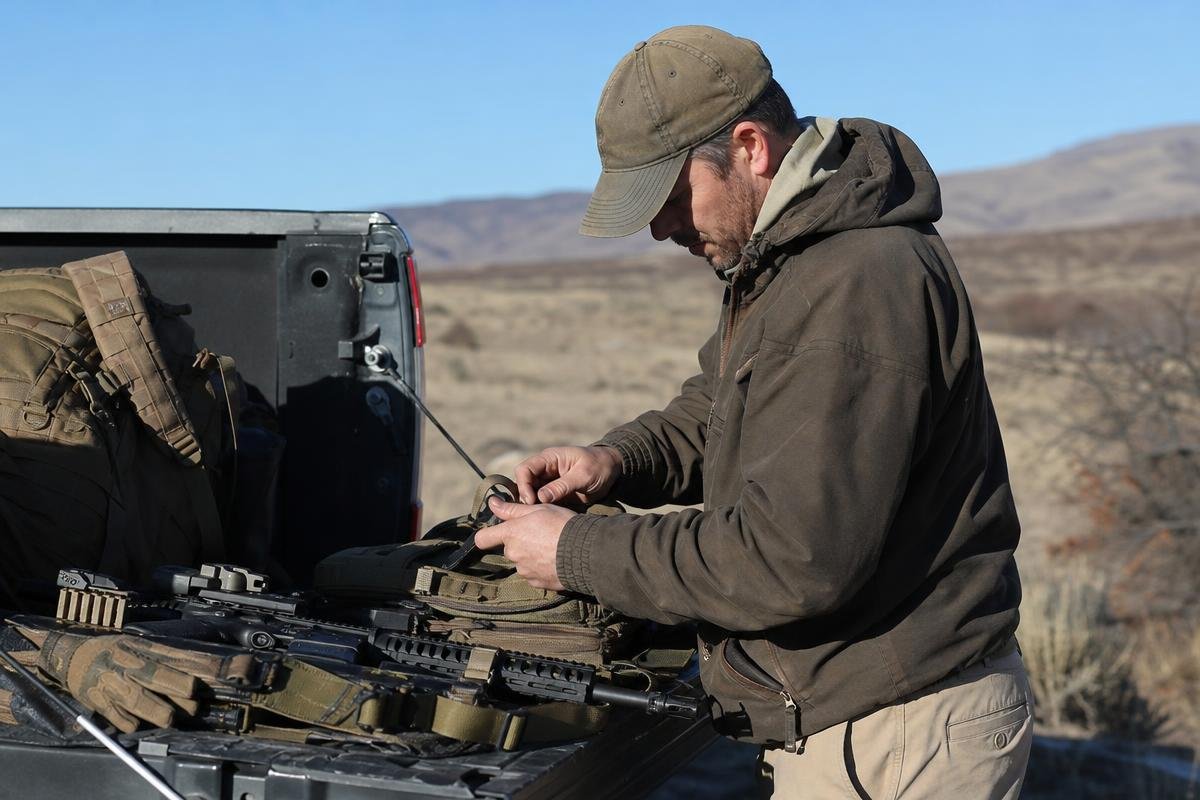
Good coyote hunting tips start with gear that keeps you safe, hydrated, and ready for changing wind. Pack for the full stand, not just the shot. Water is especially important during warm North Texas conditions, when heat can affect concentration, optics clarity, and steady shooting.
Core Safety and Field Items
- Water, weather-appropriate concealment clothing, and sturdy boots.
- A first-aid kit, charged phone, navigation tool, and a way to communicate your location.
- Binoculars, calls, a wind indicator, and hearing protection where appropriate.
- Written or confirmed permission, boundary information, and a clear plan for safe shooting directions.
Bring binoculars even if your rifle has an optic. Glassing movement first lets you identify an animal without raising the rifle and creating unnecessary motion. Check the wind indicator at the stand, since scent can behave differently around low ground, tree lines, and open pasture.
Rifle, Optic, and Upper Receiver Considerations
Carry a safe, reliable rifle with chamber-appropriate ammunition, a confirmed zero, and an optic suited to the visibility and practical distance you expect. A lower-power optic can help with close, fast-moving coyotes, while adequate magnification and a stable rest support precise shots at longer distances.
Choose barrel length, sling placement, trigger control, and magazine capacity around safe handling and the stands you actually hunt, not a one-size-fits-all build. A complete upper can be a practical route if you want an assembly ready to install on a compatible mil-spec lower receiver. Confirm function and zero before leaving home, then carry spare ammunition securely.
Tip 7: Confirm Your AR-15 Setup Before You Leave Home
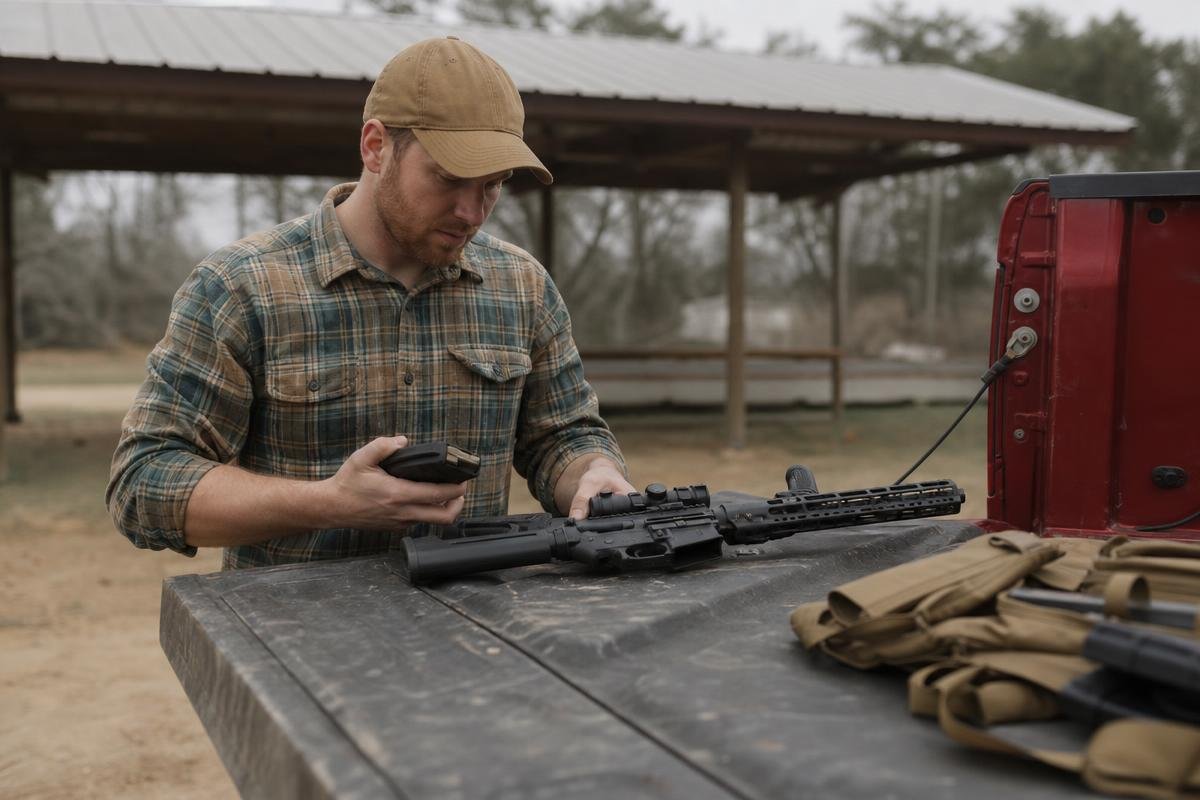
An AR-15 predator hunting setup needs a function check before it goes into the vehicle. Confirm the chamber marking, ammunition, magazine, optic, sling, and zero at home. Wind, uneven ground, and limited shooting windows are enough to manage without discovering a loose mount or wrong cartridge at the property.
Check Compatibility, Function, and Mounting Points
Read the barrel marking, then match ammunition to that chamber. A 5.56 NATO chamber can fire 5.56 NATO and .223 Remington ammunition. A .223 Remington chamber should not be fed 5.56 NATO ammunition. With the rifle unloaded, inspect each magazine's feed lips and confirm that it locks into the rifle at home; perform live-ammunition function testing only at an appropriate range.
Check optic ring screws, mount screws, and sling attachment points for movement. Confirm your zero with the load you plan to carry, and practice from the seated, kneeling, or prone positions you may use in the field. Our complete AR-15 uppers and complete rifles give hunters practical starting points for a hunting build.
Review Transport and Property Rules
Before travel, review current transport requirements, property rules, and applicable state and local laws. Texas hunting rules, county restrictions, and municipal discharge ordinances can change, and a landowner's permission does not replace the need to follow them. Review current guidance through the Texas Parks and Wildlife hunting regulations, and verify whether nighttime hunting, artificial light, or other methods are lawful for your specific location and circumstances.
AR15Parts.com is an online retailer shipping from our Denison, TX facility at 4000 Texoma Pkwy, Denison, TX 75020. Call (888) 706-0633 if you need help selecting compatible rifle parts before your next Denison coyote hunting trip.
Tip 8: Adapt Your Plan to Denison Terrain and Seasonal Conditions
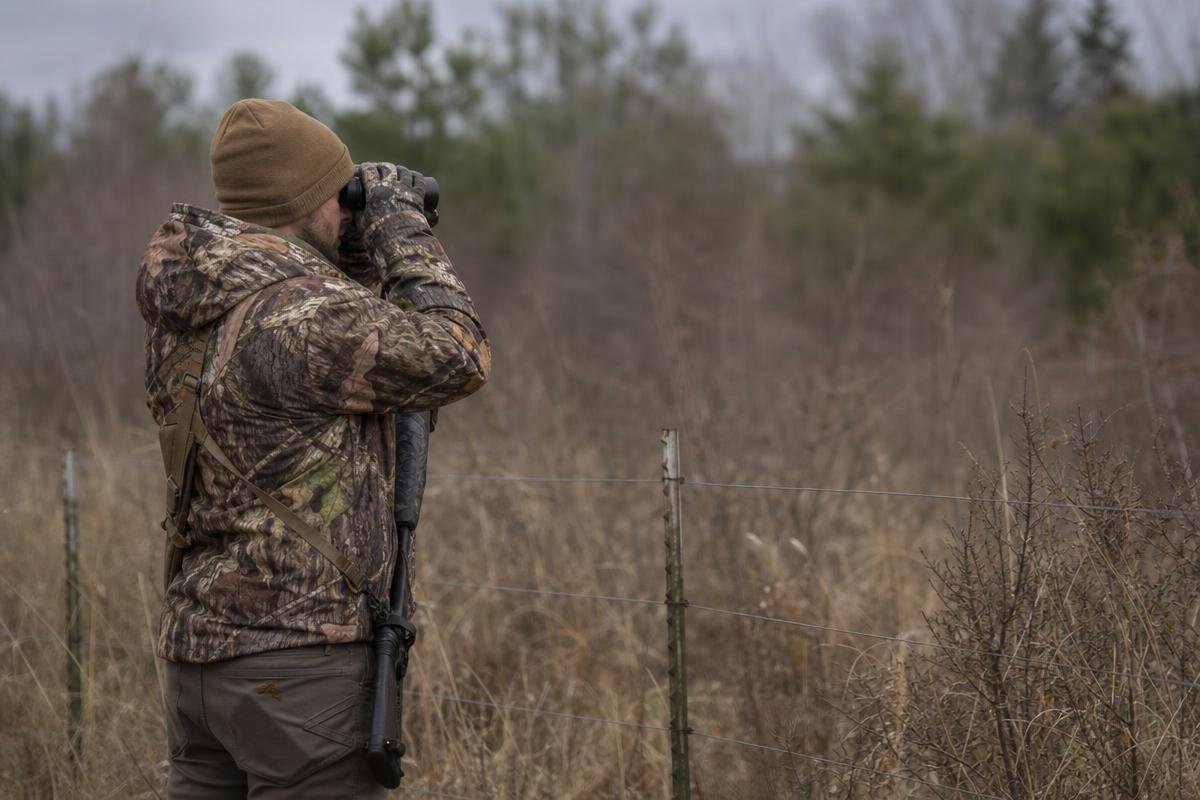
Denison coyote hunting plans should change with the specific property, not a fixed map. Grayson County can include open grazing ground, agricultural fields, timbered creek corridors, dense brush, and rapidly changing development near transportation routes. Review the actual ground before each hunt and adjust for wind, heat, vegetation, and safe access.
Adjust Entry Routes and Stand Choices to the Property
On hot days, carry enough water and limit exposed walks that leave scent across likely travel areas. Heat can affect concentration, optics clarity, clothing comfort, and how steadily you hold the rifle. Choose shade where it does not block your view, then set up with a stable rest.
Windy conditions can make brush move and reduce your ability to hear an approach. Watch openings with binoculars, and adjust your position if the wind begins carrying your scent toward the cover you expect coyotes to leave. After rain, check fresh tracks in soft ground, but avoid turning access trails into a scent path by walking them repeatedly.
Practice Before the Hunt
Practice with the same AR-15 predator hunting setup you will carry in the field. Confirm your zero, safe rifle handling, magazine function, and supported shooting positions from sitting, kneeling, and prone.
A stable rest matters more than a fast shot. You still need range time with your chosen ammunition. Hunters around 75020 should confirm point of impact before each season and after any optic change.
Frequently Asked Questions
What Time Is Best for Coyote Hunting?
First light and last light are common starting points for coyote hunting tips. Daytime action depends on heat, weather, hunting pressure, cover, and property access. Use recent sign and property activity to decide whether another time may be more productive.
How Long Should I Stay on a Coyote Stand?
Stay as long as the terrain, wind, and calling strategy support the stand. A shifting wind, poor visibility, or approaching livestock can justify moving sooner. Watch the downwind lane throughout the stand, and leave if safe visibility deteriorates.
How Loud Should I Call?
Start low, then increase volume only if conditions call for it. This gives nearby coyotes a natural sound and keeps your coyote calling tips controlled. Pause between sequences so you can scan for movement instead of calling continuously.
Why Do Coyotes Circle Downwind?
Coyotes often circle downwind to identify scent before committing. Build each coyote stand setup around the likely approach, open ground, and a safe backstop. Keep your scent from crossing that lane whenever the property layout allows.
What Gear Should I Bring?
Bring water, navigation, a first-aid kit, binoculars, calls, and clothing for changing wind and heat. Confirm landowner permission, fence lines, and safe shooting directions before entering a property. Carry only what you can manage quietly while moving between stands.
Can I Use an AR-15 for Coyote Hunting in Texas?
An AR-15 can be part of an AR-15 predator hunting setup, but you must verify current regulations, property rules, and ammunition compatibility. Check your zero before leaving and address any equipment issues before hunting.
Build your hunting checklist before the next stand. Confirm your zero, verify current hunting and discharge rules, then make sure your rifle, optic, sling, and field gear are ready before you leave. For complete rifles, uppers, parts, and accessories, contact AR15Parts.com at (888) 706-0633. AR15Parts.com is an online retailer shipping from our Denison, TX facility at 4000 Texoma Pkwy, Denison, TX 75020.
Ready to Get Started with AR15Parts.com?
Call (888) 706-0633 to speak with our team directly. We're ready to answer your questions, walk you through your options, and help you find the right solution for your needs. Whether you're just starting to plan or ready to move forward, we'll make the process simple and stress-free. Reach out today and let's talk about how we can help.