


We explain Texas constitutional carry, the state rules that may allow certain people to carry a handgun without a Texas License to Carry, and the important limits that still apply. It is general educational information, not legal advice. Texas firearm laws, posted-notice requirements, and federal restrictions can change, so confirm current requirements through the Texas Statutes, the Texas Department of Public Safety Handgun Licensing page, and qualified legal counsel before carrying.
Need help with product compatibility or available options? Our team can answer questions by phone or contact form about firearms, parts, and accessories, but we do not provide legal advice or determine eligibility.
Key Takeaways
- Texas law may allow eligible adults age 21 or older to carry a handgun without a license, subject to important exceptions.
- Carry without a license does not permit a handgun in every place, and federal, state, local, and property-specific restrictions still apply.
- Posted notices under Texas Penal Code Sections 30.05, 30.06, 30.07, and 30.08 can affect whether carry is permitted on private property.
- A Texas License to Carry can still offer training, reciprocity benefits, and different access in some circumstances.
What Does Texas Constitutional Carry Actually Mean?
Texas constitutional carry is an informal term for the state’s permitless handgun-carry rules. Under Texas Penal Code Section 46.02, some people who are at least 21 years old and are not otherwise prohibited by state or federal law may carry a handgun without first obtaining a Texas License to Carry. The rule applies to handguns, not to every type of firearm or every location.
The Informal Term and the Actual Legal Rules
“Constitutional carry” is not the title of one Texas statute. The applicable rules are spread across the Texas Penal Code, Texas Government Code, federal law, and property-rights provisions. Start with Texas Penal Code Chapter 46 for weapons offenses and prohibited places, then review the Texas DPS guidance for current License to Carry information.
The practical takeaway is that statewide law governs carry, but the place you are entering still matters. A private business, school-related location, courthouse, government facility, event venue, or federal property can have separate restrictions. Check the location before you carry, rather than assuming that a prior visit or another business’s policy applies.
Important Distinction: Firearm Parts and Complete Firearms
Important distinction: An AR-15 upper, barrel, stock, handguard, or magazine is not automatically a complete firearm. A completed AR-platform firearm has different legal and practical considerations than individual components.
Someone researching a handgun for lawful carry may also be shopping for AR-platform parts. Keep those product categories separate. Our selection of AR-15 complete rifles is for product education and lawful ownership, not carry advice.
We ship nationwide from our Denison, TX facility. Our team can answer parts and compatibility questions by phone or contact form. We cannot provide personal legal advice or tell you whether you may legally carry.
Who May Carry a Handgun Without a License?

In general, Texas permitless carry applies to a person who is at least 21 years old and is not prohibited by state or federal law from possessing a firearm. The rule has exceptions. A handgun purchase, ownership of a handgun, or residence in Texas does not by itself establish that public carry is lawful.
Eligibility Depends on the Individual
Eligibility can be affected by felony convictions, certain misdemeanor convictions, family-violence restrictions, protective orders, conditions of bond or community supervision, court orders, mental-health adjudications, immigration status, and other state or federal prohibitions. Texas law also includes disqualifying conduct and time-based restrictions that may not be obvious from a background check alone.
If you have an arrest, conviction, pending case, protective order, or uncertainty about your status, do not rely on a general online summary. Review the applicable Texas statutes and federal restrictions, including ATF information on prohibited persons, and consult a qualified Texas attorney. Our team cannot determine personal carry eligibility.
Training Still Matters for First-Time Owners
Training is strongly recommended before you carry, even when a course is not required for your situation. Safe handling, secure holster use, loading and unloading, storage, vehicle transport, and decision-making under stress all require deliberate practice.
New owners should begin with unloaded handling instruction and supervised range practice. For questions about compatible firearms and accessories, contact our team for product-related assistance. Start with the universal firearm-safety rules, use eye and ear protection at the range, and practice drawing only where it is permitted and under appropriate supervision.
How Can You Carry Under Texas Law?
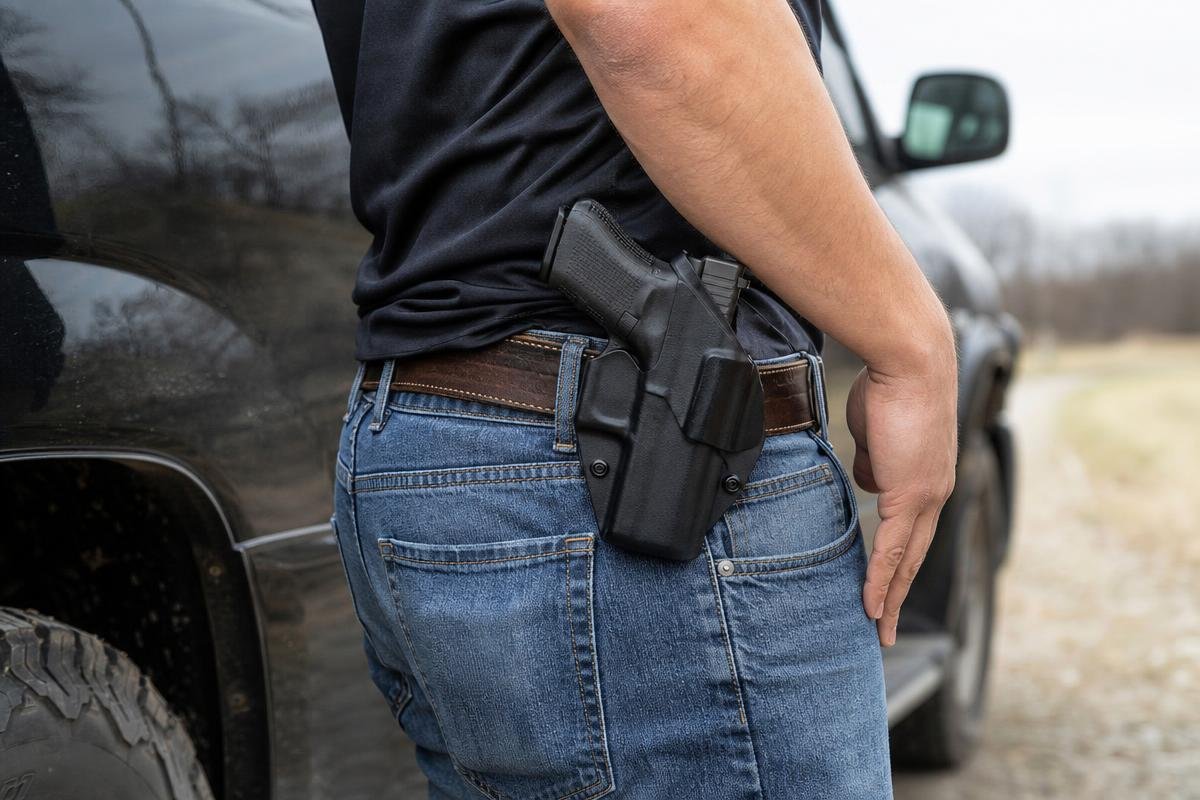
Texas law generally permits an eligible person to carry a handgun openly in a shoulder or belt holster, or concealed, unless another law or a valid property notice applies. Open and concealed carry are methods of carry, not separate exemptions from eligibility requirements or location restrictions.
Open Carry and Concealed Carry
Open carry means the handgun is carried in a shoulder or belt holster and is visible. Concealed carry means the handgun is not openly discernible to ordinary observation. Under Texas law, a person carrying openly must use a shoulder or belt holster. Review the current language of Texas Penal Code Section 46.02 before relying on a particular carry method.
A person may lawfully leave home, drive across town, and encounter multiple property rules along the way. Before entering a private business or event, read the entrance notices and comply with directions from the owner or authorized staff. For product questions, contact our team about holster compatibility; we can discuss fit and options, not legal conclusions.
Vehicle Carry Requires Its Own Review
Texas vehicle-carry rules have their own details. Texas Penal Code Section 46.02 contains provisions concerning a handgun inside or directly en route to a motor vehicle or watercraft that is owned by, or under the control of, the person. Those provisions include exceptions, including restrictions tied to criminal activity, prohibited possession, and certain gang-related circumstances.
Keep the handgun secured and avoid unnecessary handling during transport. Before exiting your vehicle, evaluate where you are parked, the destination’s posted notices, and whether the destination is a prohibited place. A lawful vehicle situation does not automatically mean carry is allowed after you step onto another property.
Safe Holsters and Positive Control
A proper holster supports safer carry by covering the trigger guard and holding the handgun securely in place. A rigid Kydex or quality leather holster should fit the specific handgun model. Loose pockets, waistbands, bags, and vehicle compartments do not provide the same trigger protection or retention.
Positive control means you know where the handgun is, who can access it, and that it remains secured during normal movement. Keep it under your control, limit unnecessary handling, and prevent unauthorized access at home, in a vehicle, and around visitors. Safe carry starts with equipment that fits correctly and routine handling that stays deliberate.
Where Is Firearm Carry Restricted or Prohibited?
Texas constitutional carry laws do not authorize handgun carry everywhere. Texas Penal Code Section 46.03 identifies prohibited places, while other statutes govern specific locations and notices. Examples can include schools and school buses, polling places during voting, courts and court offices, racetracks, secured areas of airports, certain government meetings, and businesses that derive 51 percent or more of their income from on-premises alcohol sales. Federal facilities and other federal property can also be subject to federal restrictions.
Restrictions can vary by entrance, event, and the function being held at a facility. Before carrying into a public building, a school-related activity, a healthcare setting, or a ticketed event, verify the current policy and applicable law. If you are shopping for AR-15 complete rifles, understand that transport and possession rules are separate from permitless handgun-carry rules.
Private Property Notices and Owner Rules
Private-property owners can restrict firearms on their premises. Texas uses different notice provisions for different conduct. Sections 30.06 and 30.07 address notice to License to Carry holders regarding concealed and openly carried handguns, while Section 30.05 can apply to notice affecting people who carry without an LTC. Section 30.08 addresses open carry on certain property. The exact statutory language, placement, and circumstances matter.
Read every firearm-related notice at the entrance, including signs near doors, parking areas, ticket counters, and controlled-access points. Do not assume a sign is irrelevant because it is unfamiliar, and do not assume a lack of one visible sign answers every legal question. An owner or authorized person may also give oral notice or direct a person to leave, and that direction should be taken seriously.
For the current statutory text, review Texas Penal Code Chapter 30 alongside Chapter 46. The sections are technical, so seek legal advice for a specific property, sign, or situation.
A Practical Check Before You Enter
Use this quick check before carrying into an unfamiliar location in Texas:
- Stop before entering and look for firearm-related notices, screening, metal detectors, or controlled-access procedures.
- Read the full notice and identify whether it addresses concealed carry, open carry, license-free carry, or a general property rule.
- Consider the destination, including whether it is a school-related facility, court, polling place, government meeting, federal property, alcohol-focused business, or temporary event venue.
- If you are unsure, do not enter while armed. Secure the firearm lawfully and obtain current guidance before proceeding.
Temporary events and changing facility operations can affect the answer on a particular day. Checking the entrance before you go in is a practical habit that can prevent an avoidable mistake. Questions about product compatibility, holsters, or parts? Call us at (888) 706-0633.
Why a Texas License to Carry Can Still Be Useful
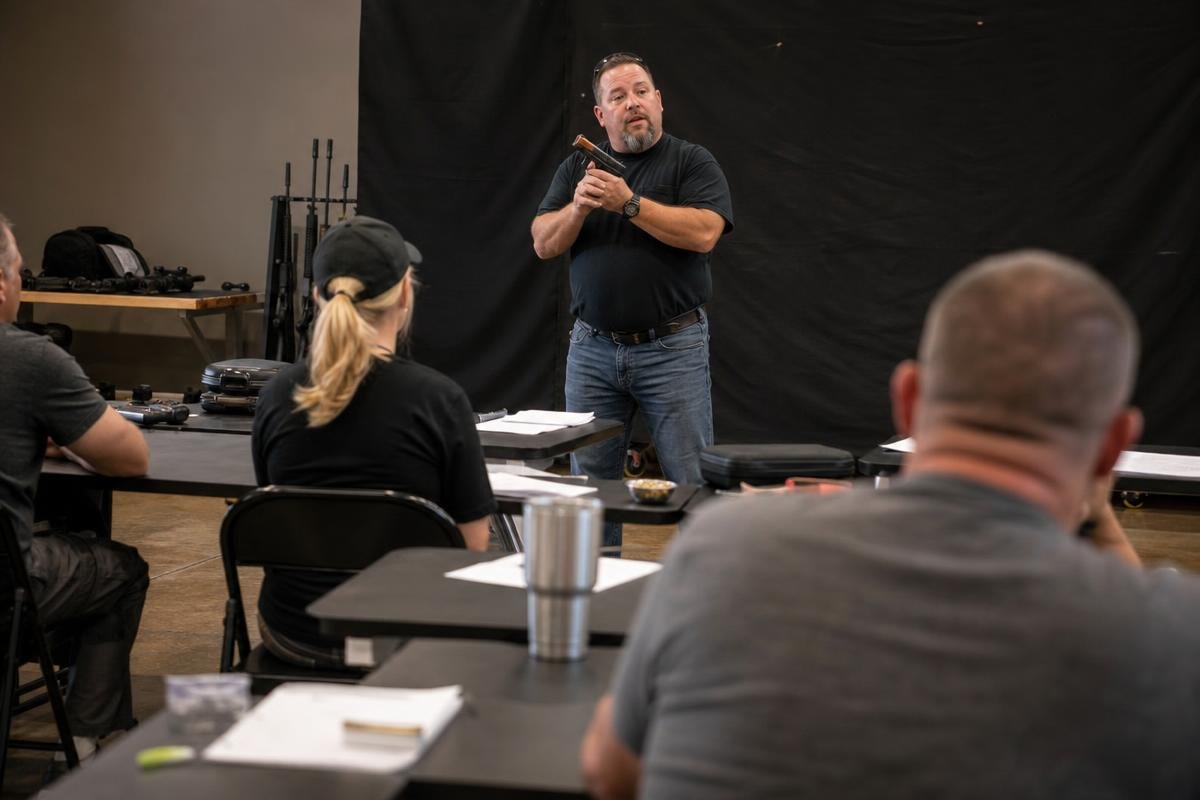
A Texas License to Carry can still be useful even when permitless carry may be available. An LTC does not override prohibited-place laws, federal rules, valid property notices, or an owner’s directions. It can, however, provide formal training, documentation, and potential reciprocity benefits when traveling.
Training and Documentation
The LTC process includes state-required instruction and a proficiency demonstration. The course covers handgun safety, safe storage, conflict avoidance, use-of-force law, and carry rules. Review current course and application requirements through the Texas DPS Handgun Licensing program.
For first-time owners, regular range practice matters as much as the course itself. Contact our team if you have a product question, and follow posted range procedures each time you practice. Keep firearms secured at home and unloaded during cleaning or maintenance.
Travel and Reciprocity Require Current Research
A Texas License to Carry may be recognized by some other states, but recognition is not automatic and state laws can change. Each state controls its own rules for carry, vehicle transport, prohibited places, and interactions with law enforcement.
This is especially important when traveling across state lines. Verify the destination state’s current law before crossing a state border, including permit recognition and vehicle rules. The Texas DPS publishes current reciprocity information, but travelers should also consult the destination state’s official resources.
We can help with lawful product questions, including firearm and accessory compatibility. Questions about your personal legal status, a specific sign, or travel requirements should go to an attorney or the applicable government agency.
Considerations for New Firearm Owners
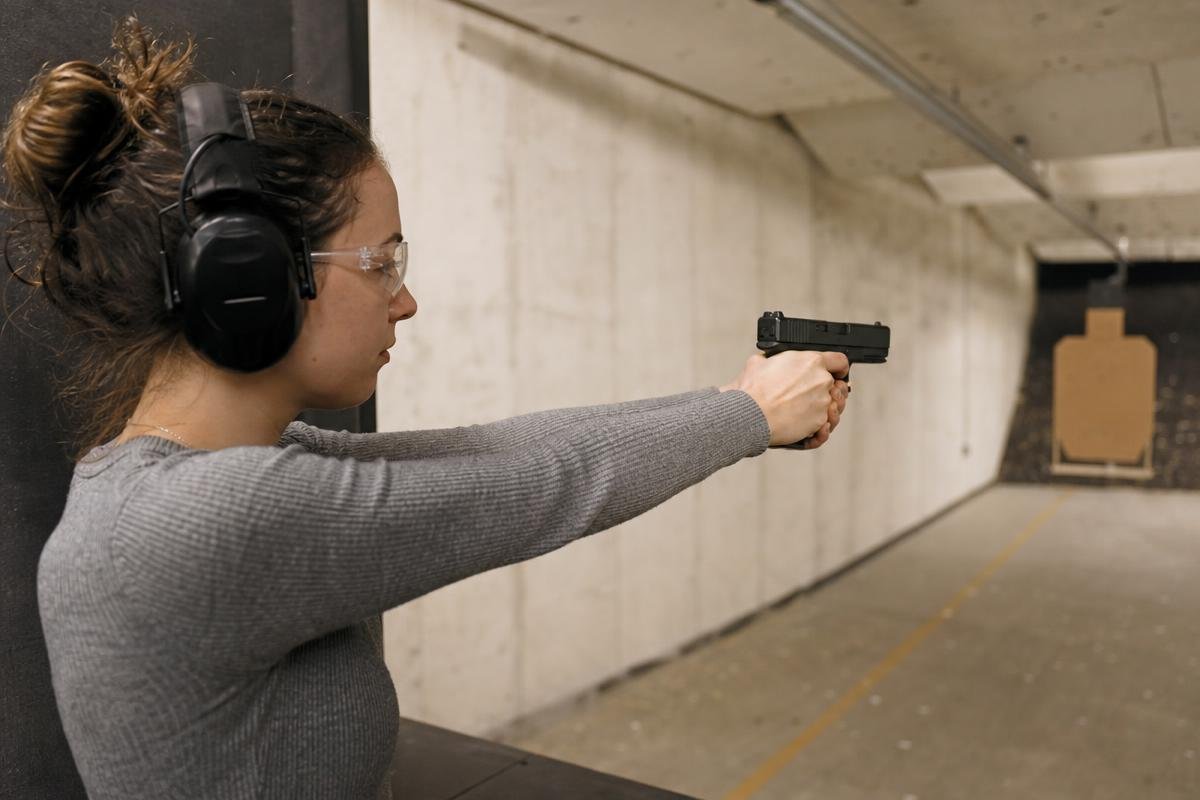
Texas carry rules apply statewide, while daily decisions still depend on the places you visit. Before carrying in public, learn safe handling, secure storage, range procedures, vehicle transport practices, and how to read property notices. A firearm purchase or accessory purchase does not establish legal eligibility or replace instruction.
Plan ahead when visiting businesses, events, public facilities, or school-related activities in Texas. Read notices before entering, avoid leaving a firearm accessible to unauthorized people in a vehicle, and confirm the destination’s current policy when there is any doubt.
Build Skills Before Public Carry
Start with safe instruction and regular range practice before you carry a handgun in public. Learn muzzle direction, trigger discipline, loading and unloading procedures, malfunction response, and how to secure the firearm when it is not under your direct control.
Choose a range that has clear safety rules, qualified staff, and a controlled firing line. Ask about beginner instruction, rental policies, and required eye and ear protection. A supervised range session gives you a better foundation than handling a new firearm without guidance.
Texas constitutional carry laws can change, and private property may restrict firearm carry. Use the Texas Legislature and DPS resources for current legal questions, especially before carrying near government facilities, schools, events, or posted businesses.
Understand AR Components and Completed Firearms
AR-platform parts are not all completed firearms. A handguard, barrel, stock, trigger, or upper receiver assembly serves a specific mechanical role, while a completed firearm includes the required components assembled into a functioning firearm.
An AR-15 is not a typical concealed-carry firearm. AR parts research should focus on lawful builds, safe assembly, proper function checks, and responsible range operation. Our complete AR-15 uppers are product options for compatible lower receivers, not handgun carry guidance.
Before assembling a rifle, understand receiver compatibility, chamber markings, barrel length, gas system fit, and magazine requirements. If you need help finding parts for a lawful build or have a product question, contact our team at (888) 706-0633.
Frequently Asked Questions
Does Constitutional Carry Apply in Denison?
Yes. Texas permitless carry rules apply in Denison and throughout the state, allowing legally eligible adults to carry a handgun without a license in many places. Your eligibility and the specific location still control.
Do I Need a Texas License to Carry?
No. Some legally eligible people may carry a handgun without a Texas license to carry. An LTC can still help with reciprocity, certain background check situations, and carrying in locations where a license holder may have different rights.
Can a Private Business Restrict Firearms?
Yes. Private-property owners can restrict firearms through proper posted notices and other property rules. Read posted signs before entering, and leave or secure your handgun if the property owner directs you to do so.
What About Carrying a Handgun in a Vehicle?
Vehicle carry is allowed in many circumstances, but the details matter. Keep the handgun lawfully secured, understand rules for passengers and prohibited locations, and check current guidance before transporting a firearm across state lines.
Does Constitutional Carry Apply to AR-15 Rifles?
No. Constitutional carry addresses handgun carry, not every rifle carry situation. Owning or transporting an AR-15 may be lawful, but location restrictions, private-property rules, and safe transport practices still apply. Review our AR-15 complete rifles for lawful product information.
How Can I Verify Current Texas Carry Rules?
Check current official Texas resources for where can you carry a handgun in Texas, posted-notice requirements, and eligibility rules. For lawful firearm parts, accessories, or complete-rifle product information, contact AR15Parts.com at (888) 706-0633. Questions about personal carry eligibility or a specific location should go to current official Texas resources or qualified legal counsel.
AR Products for Lawful Ownership
For lawful rifle ownership separate from handgun carry, explore our complete rifles, built-to-order AR uppers, and magazines. We ship from our Denison, TX facility; complete rifles ship to the buyer's FFL for transfer.
Ready to Get Started with AR15Parts.com?
Call (888) 706-0633 or contact our team for parts and compatibility advice. We can help you compare available product options for your lawful build.