
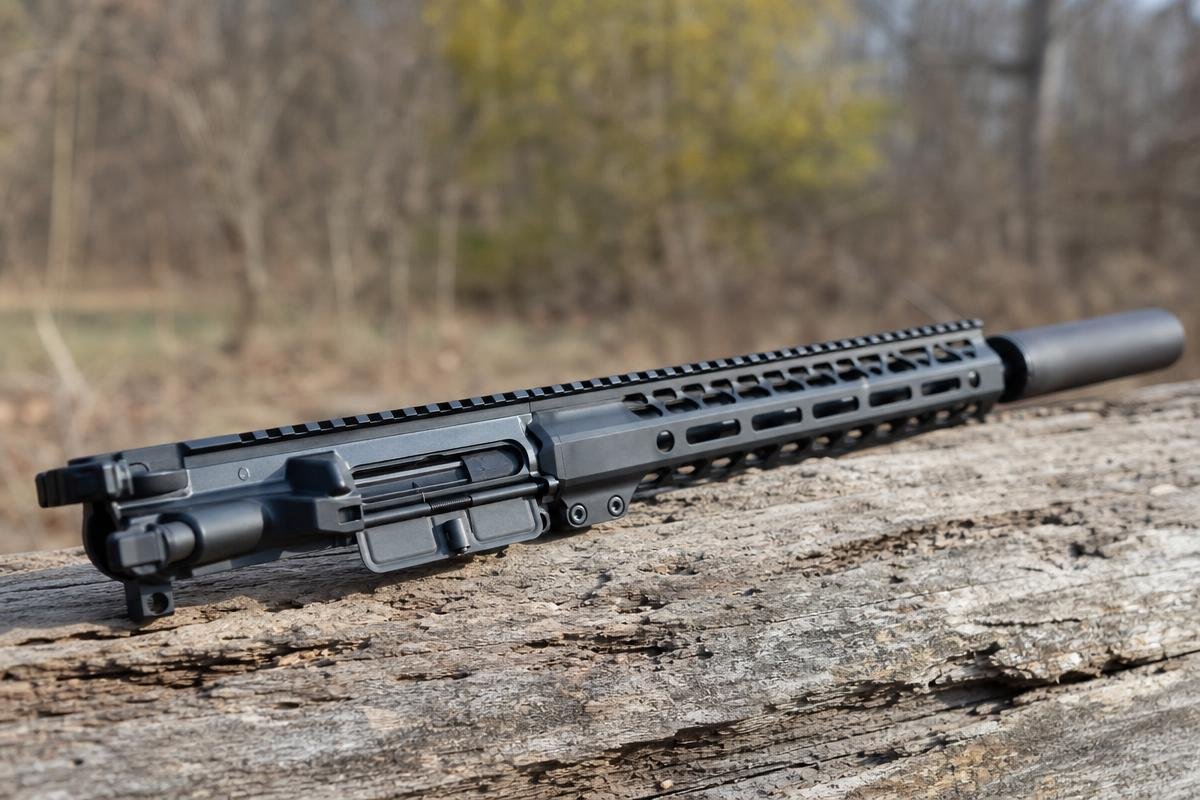
For most suppressed AR-15 owners, the best AR-15 charging handle for suppressed shooting is a purpose-built, ambidextrous model with rearward gas-relief features and latch geometry that clears the optic. The right choice depends on whether you need maximum comfort during high-volume firing, a balanced rifle that runs both with and without a suppressor, or better manipulation from either shoulder.
Shop parts for a suppressed build, or ask AR15Parts.com about charging-handle fitment, optic clearance, and upper compatibility before you order.
Key Takeaways
- A suppressor-ready handle can make the charging-handle opening more comfortable during suppressed firing, especially on higher-backpressure 5.56 setups.
- Vented models are typically the strongest option for frequent suppressed range use, while rear-deflection designs suit mixed-use rifles.
- Ambidextrous latches improve access from either shoulder and around optics, but excessive latch size can interfere with mounts, slings, or gear.
- Address cyclic-speed or extraction issues with the gas system, buffer system, ammunition, and suppressor choice before expecting a charging handle to solve them.
What Is the Best AR-15 Charging Handle for Suppressed Shooting?
A dedicated vented charging handle can be a strong option for shooters who fire suppressed often and want ambidextrous control. For a rifle used both suppressed and unsuppressed, choose a rear-deflection design with moderate latches. If manipulation around an optic is the priority, a conventional ambidextrous handle with controlled latch size is often the better fit.
- Best for high-volume suppressed shooting: a vented, suppressor-oriented handle that routes part of the receiver gas through dedicated channels.
- Best for mixed suppressed and unsuppressed use: a rear-deflection design that adds gas-management geometry without an aggressively vented profile.
- Best for ambidextrous control: a non-vented bilateral handle sized for your optic, gloves, and sling setup.
These features improve comfort at the charging-handle opening, but they do not regulate gas-port pressure. Excessive bolt speed, harsh ejection, extractor problems, or unreliable cycling call for a closer look at the host rifle rather than a handle swap alone.
What Makes a Charging Handle Better for Suppressed Shooting?
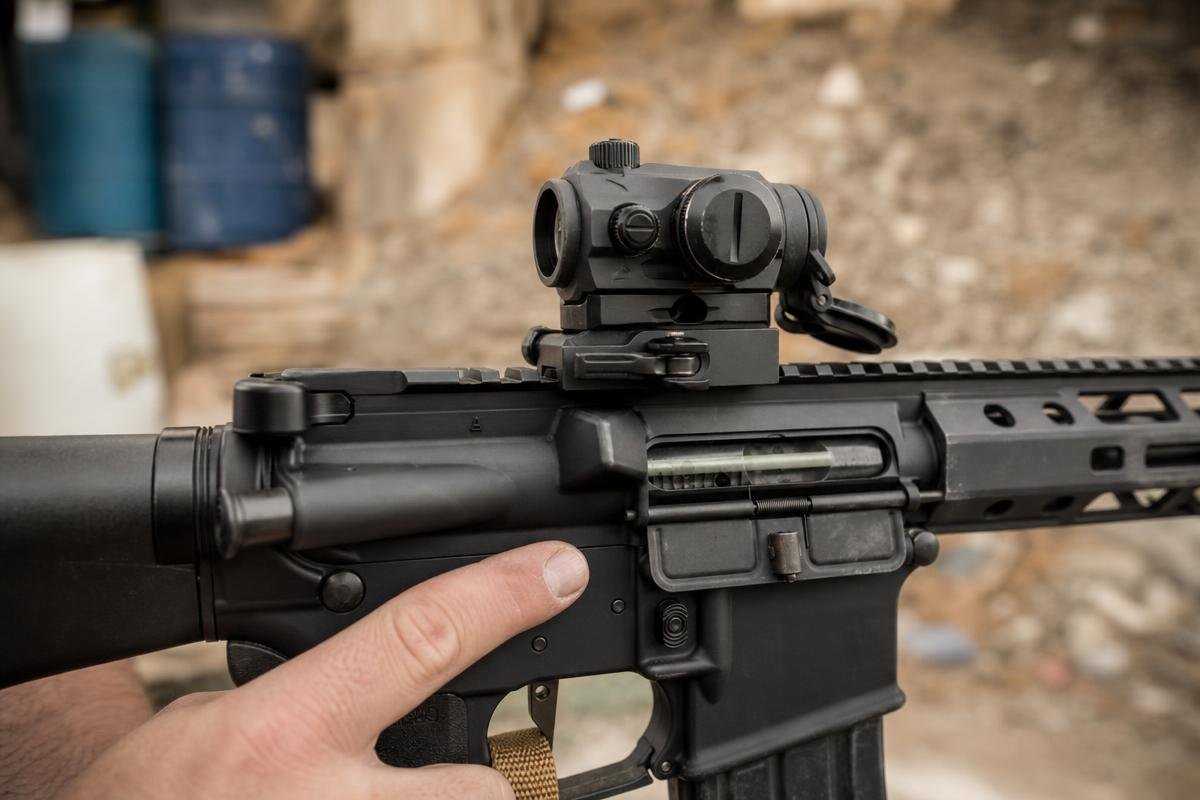
A suppressed-use charging handle is better when its geometry helps interrupt or route gas leaving the rear of the upper while maintaining dependable bolt control. A suppressor can increase backpressure, which changes the amount of gas and fouling moving through the receiver. Gas-port size, gas-system length, ammunition, buffer system, receiver fit, and suppressor design all influence the result.
Gas Deflection at the Rear of the Upper
Charging handle gas deflection starts where the handle meets the rear of the upper receiver. Rear shelves, raised lips, and sealing geometry change the path available to gas exiting through that opening. These features are most noticeable during longer strings, when shooting from a bench, and when a right-handed shooter is close behind the receiver.
Receiver-to-handle fit matters. A well-designed handle cannot fully compensate for clearance differences between individual upper receivers, and left-handed shooters may notice a different result because their face is positioned nearer the left side of the rifle.
Vented Designs and Their Limits
Purpose-built vented handles use ports or channels to route part of the gas away from the charging-handle opening rather than simply blocking it at the rear. That can be helpful on a suppressed 5.56 rifle that sees repeated firing, particularly with a traditional higher-backpressure suppressor.
On a lower-backpressure or flow-through suppressor, the improvement from a vented handle may be less dramatic because the host already sends less gas back through the action. The handle is a comfort and control component, not a substitute for choosing an appropriate gas port, buffer weight, spring, or ammunition load.
Ambidextrous Controls and Latch Size
An ambidextrous charging handle gives you access from either side, which matters during support-side drills or when an optic limits reach. Large latches also give gloved hands more purchase during colder weather.
Oversized latches are not useful on every suppressed rifle. A large latch can snag on gear or clothing when the rifle is carried close to your body. Choose enough surface area for reliable operation, without adding more latch than your use requires.
Browse our AR-15 charging handles or call (888) 706-0633 with fitment questions.
Suppressed AR-15 Charging Handle Comparison by Use Case
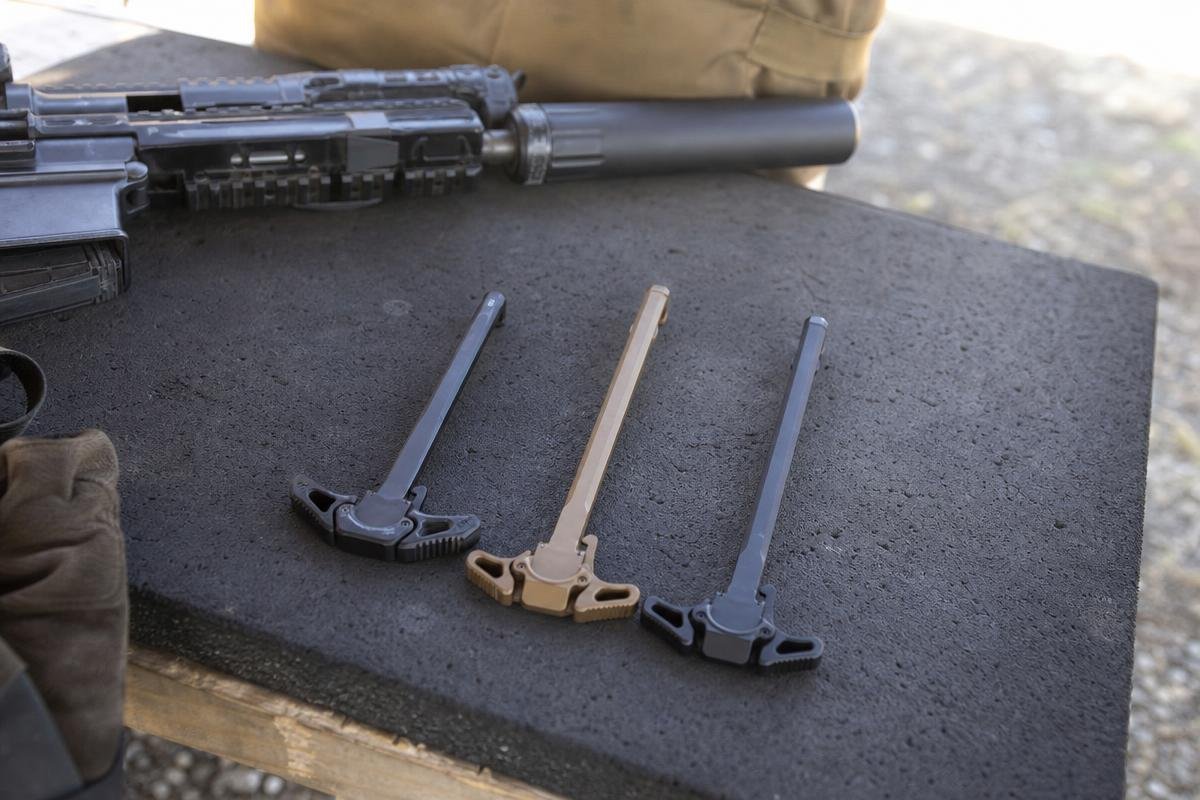
Choose the handle around the rifle's actual role. A high-round-count range rifle, a general-purpose 5.56 carbine, and a compact 300 Blackout setup can place different demands on latch access, optic clearance, and gas-management features.
| Design category | Ambidextrous operation | Gas-management approach | Latch configuration | Best fit |
|---|---|---|---|---|
| Vented | Usually yes | Ports or channels route part of the gas away from the rear | Extended bilateral latches | Frequent suppressed range use |
| Rear-deflection | Often yes | Rear shelf changes charging handle gas deflection | Moderate bilateral latches | General-purpose 5.56 rifle |
| Conventional ambidextrous | Yes | No dedicated venting or rear shelf | Small to large bilateral latches | Control-focused setups |
Planning a complete host rifle instead of replacing one part at a time? Compare upper configurations before choosing the control components.
Vented Handles for Frequent Suppressed Range Use
A vented handle can be a strong option for a rifle that sees long suppressed strings and repeated charging cycles. Confirm the current manufacturer specifications for any model before comparing its gas-management features.
Before selecting any specific model, verify that it is compatible with a standard AR-15-pattern upper and that the latch profile clears your optic mount. A vented model is most worthwhile when the concern is shooter comfort during repeated firing, not when the rifle is showing symptoms such as erratic ejection, excessive carrier speed, or extraction trouble.
Rear-Deflection Designs for General-Purpose Rifles
Rear-deflection designs can suit a general-purpose 5.56 rifle that is fired both suppressed and unsuppressed. Confirm the current manufacturer specifications before relying on a handle’s claimed gas-management geometry.
This is a practical middle ground for a rifle with a variable optic or red dot. Start by comparing rear-deflection options in our AR-15 charging handles, then confirm the handle matches your barrel length, gas system, and shooting position.
Ambidextrous Handles for Control-Focused Setups
A conventional ambidextrous charging handle fits shooters who place control ahead of dedicated gas mitigation. The Geissele Airborne Charging Handle and Super Charging Handle are examples of bilateral designs built around accessible, positive latch operation rather than dedicated vent ports.
This setup makes sense on a 300 Blackout rifle with a low-power optic, especially if you charge from either side or wear gloves. Check that large latches clear your optic mount, do not snag your sling, and remain easy to grasp from prone or barricade positions. Compare our ambidextrous AR-15 charging handles or call (888) 706-0633 for help matching a handle to your build.
How to Match the Handle to Your Suppressed Rifle Setup
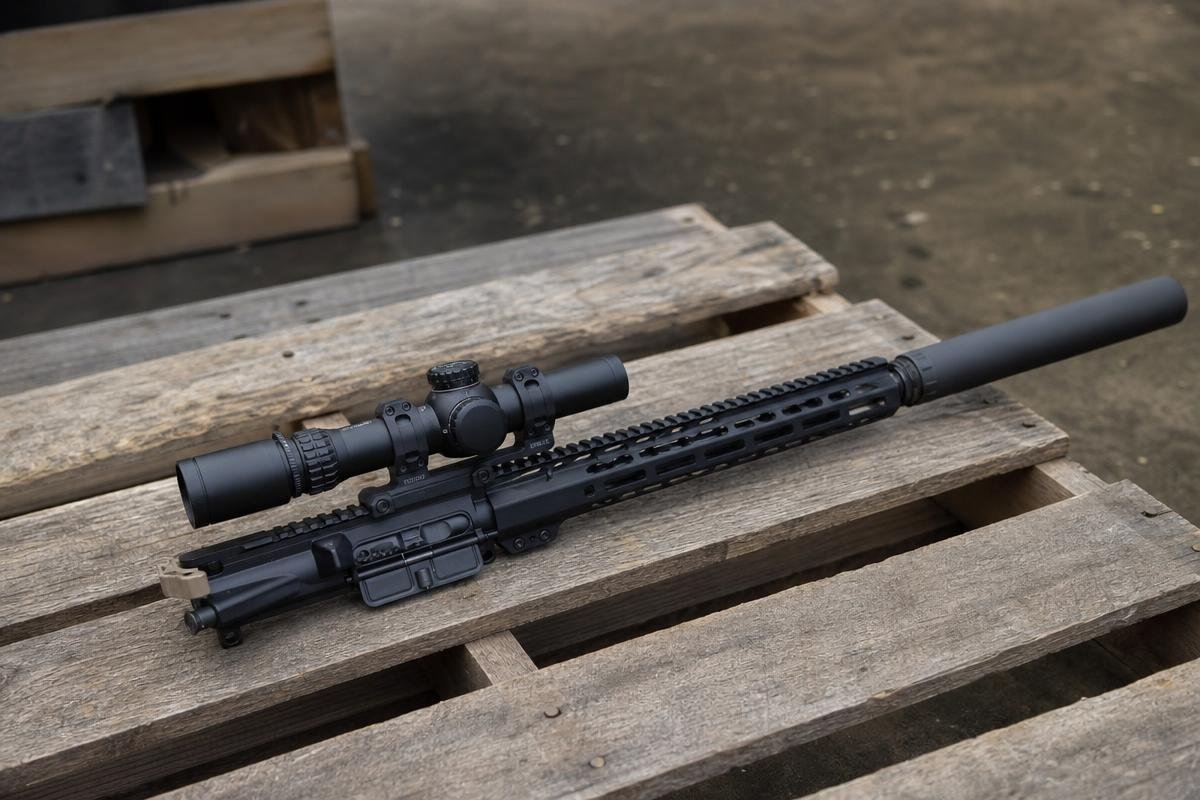
A suppressed AR-15 charging handle should match the way your rifle cycles, the ammunition you run, and the optic you use. Start by identifying the actual issue, because not every suppressed-rifle complaint points to the charging handle.
Gas System and Buffer Tuning Come First
If the main concern is irritation around the charging-handle opening during extended suppressed firing, a vented or rear-deflection handle is a sensible upgrade. If brass ejects unusually forcefully, the rifle feels excessively sharp, or extraction becomes inconsistent, look first at carrier speed and the host configuration.
Evaluate the gas port, gas-system length, buffer weight, action spring, ammunition, and suppressor flow characteristics together. An adjustable gas block may be appropriate on compatible builds, but any change should be made according to the component manufacturer's instructions and confirmed with the ammunition the rifle will actually use.
Start with a properly configured upper. Once the gas system and buffer are dialed in, compare our AR-15 charging handles for a suppressor-oriented design that fits your intended use.
300 Blackout Subsonic and Supersonic Use
Subsonic and supersonic 300 Blackout loads do not create the same operating conditions in a suppressed rifle. Subsonic loads often need reliable cycling at lower pressure, while supersonic loads can increase bolt speed and receiver fouling depending on the barrel, gas system, and suppressor.
Do not assume one handle choice solves both setups. A suppressor-oriented handle can be useful on either rifle, but a 300 Blackout upper should be evaluated with the subsonic or supersonic ammunition it will actually fire. A charging handle also will not cure a cycling issue caused by an incompatible buffer arrangement or ammunition that does not reliably operate the action.
Compare our AR-15 charging handles for vented and rear-deflection options if you are planning a dedicated suppressed 300 Blackout build.
Optic Clearance on Precision-Oriented Uppers
Magnified optics can limit the space available to grasp the charging handle. A large latch may be easier to run with gloves, but it can crowd the scope mount or snag on gear.
Check the clearance between the latch, optic mount, and rear of the receiver before final assembly. An ambidextrous charging handle with controlled latch size gives you support-side access without forcing your fingers against the optic.
Cycle the handle from both sides with the rifle unloaded. You should be able to lock the bolt open and release the handle without changing your firing grip or contacting the scope.
A Practical Checklist Before You Buy
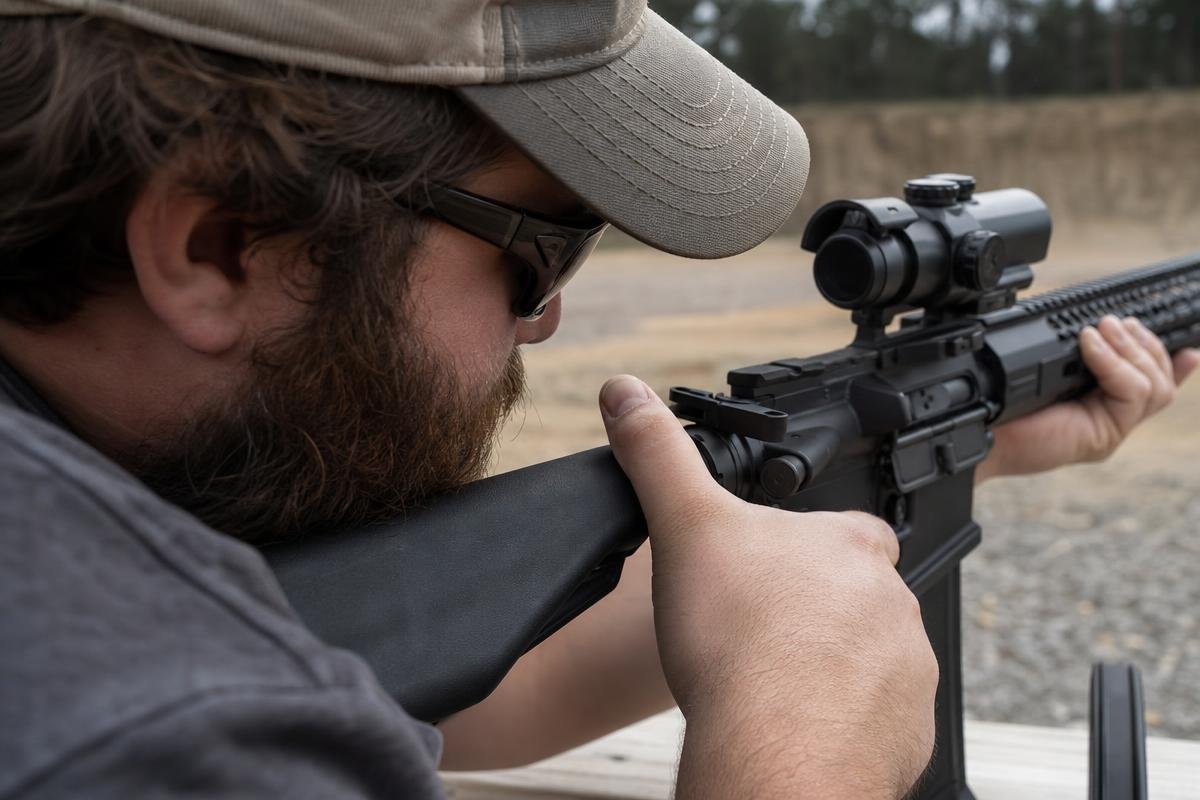
A suppressed AR-15 charging handle is both a control part and a partial gas-management aid. Use this checklist before ordering parts, especially if you are pairing a new upper with an existing lower.
- Upper fit: Confirm the handle fits a standard AR-15-pattern upper receiver. AR-10 and other large-frame receivers require different parts.
- Controls: Choose an ambidextrous charging handle if you shoot from either shoulder or run an optic that limits access from one side.
- Latch size: Check that large latches clear your optic mount, rear sight, and sling hardware. A larger latch helps with gloves, but it can snag gear.
- Gas path: Decide if you want a gas-managing charging handle with a rear shelf, redirected channel, or vented design. Consider a vented design first for high-volume suppressed use.
- Rifle condition: Inspect the bolt carrier group, gas rings, extractor, buffer setup, ejection pattern, and gas system before blaming the handle for excess fouling or harsh operation.
Check the Whole Upper Before Expecting Less Gas
Separate comfort concerns from function concerns. A charging-handle upgrade may be appropriate when the rifle runs reliably but is unpleasant during sustained suppressed firing. It is not the primary answer for a rifle with worn parts, poor extraction, unusually violent ejection, or inconsistent cycling.
If you are building around a new barrel or receiver, compare fitment with our AR-15 charging handles before ordering. Check optic and backup-sight clearance with the handle fully retracted.
Need help matching a handle to your suppressed upper? Call us at (888) 706-0633.
Installation Checks and Common Suppressed-Shooting Mistakes
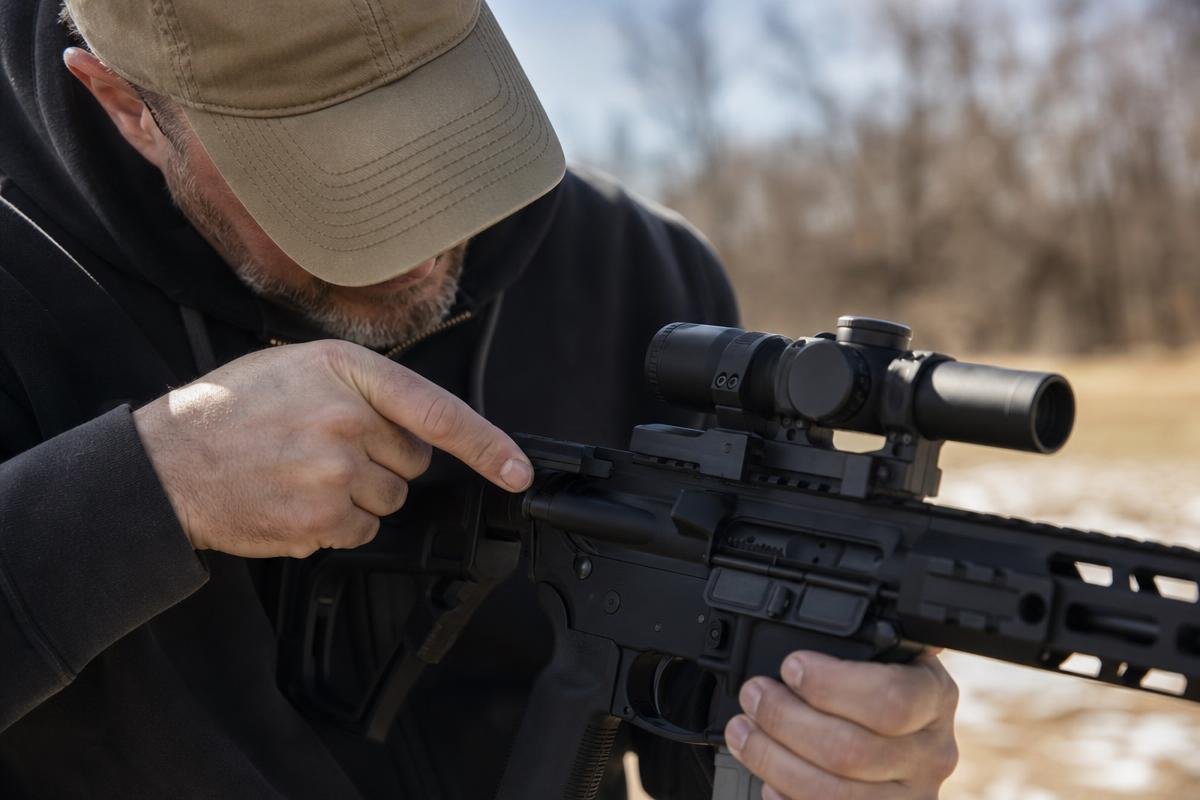
A compatible suppressed AR-15 charging handle should move freely, latch positively, and clear your rear-mounted accessories before range use. Confirm the firearm is unloaded, follow the firearm and component manufacturer instructions, and follow applicable laws.
Basic Function Checks After Installation
Cycle the handle several times with the upper separated from the lower. Check for smooth travel, full forward seating, and positive latch engagement in the upper receiver. Then confirm normal bolt movement after the upper is reassembled.
Check clearance around your optic mount, rear sight, and sling hardware. A wide ambidextrous latch can contact a close-mounted optic or limit your grip. Review fitment notes on our AR-15 charging handles or your existing handle before firing.
Mistakes That a Charging Handle Cannot Fix
Large latches give you more purchase with gloves or wet hands, but they can snag on slings, clothing, and packs. Choose latch size around your actual rifle use, not just the largest control available.
Do not use a charging-handle change to mask a host-rifle issue. Suppressor backpressure, ammunition, ejection pattern, gas-system behavior, receiver fit, and buffer components all affect how the rifle feels and functions. Left-handed shooters should also test from their normal shoulder position, because gas behavior is not experienced identically from both sides of the receiver.
If you need help matching a handle to your setup, contact AR15Parts.com or call (888) 706-0633.
Suppressed AR-15 Parts from Denison, Texas
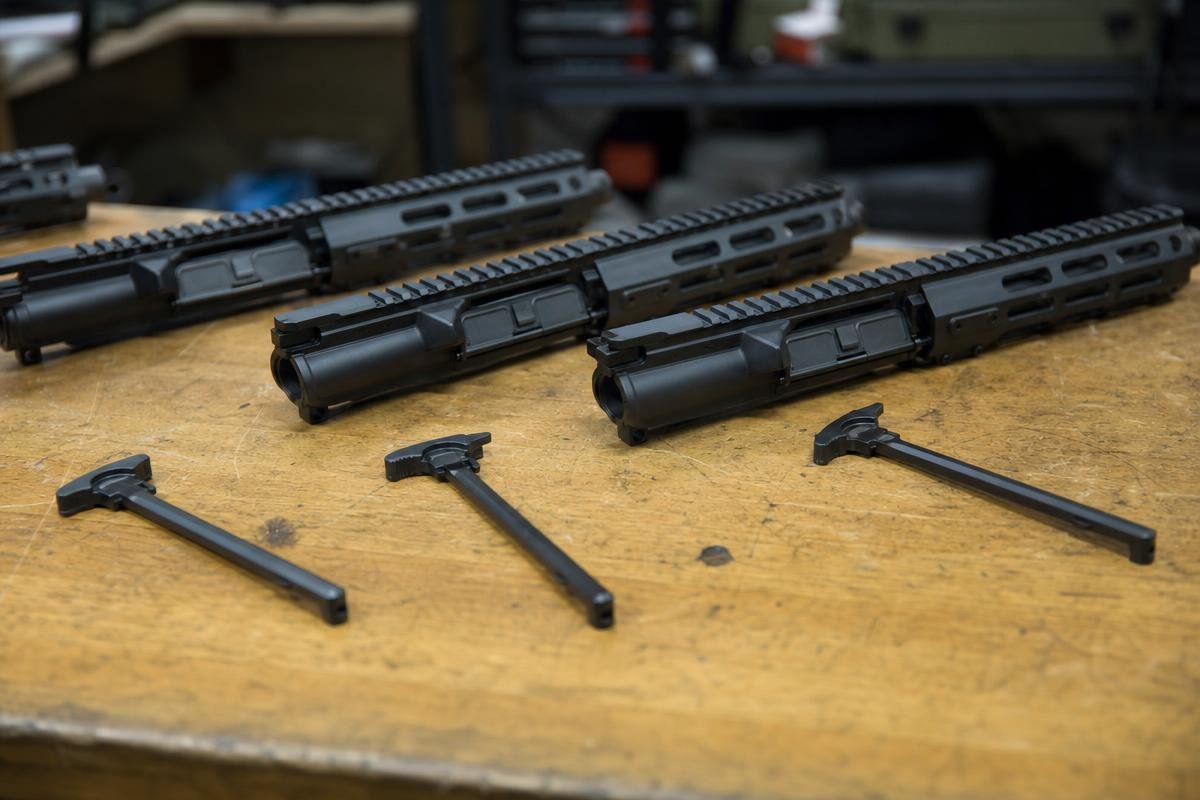
AR15Parts.com supplies firearms, parts, and accessories from 4000 Texoma Pkwy, Denison, TX 75020. Our catalog includes upper configurations for builders comparing barrel length, caliber, gas-system layout, and the control components that support the completed rifle.
Compare the Upper Before Choosing the Handle
Select the upper first. Barrel length, gas system, buffer setup, suppressor type, and ammunition all affect how the rifle cycles and how much fouling reaches the receiver.
Start with the upper configuration you plan to run, then compare our AR-15 charging handles for latch size and gas-deflection features that fit your intended use. A complete upper assembly is ready to drop onto your lower, provided it matches your lower receiver and build requirements.
Choosing Between 5.56 NATO and 300 Blackout Uppers
5.56 NATO and 300 Blackout uppers serve different suppressed roles. A 5.56 NATO build is commonly selected for general-purpose shooting, while 300 Blackout is often chosen for short barrels and subsonic ammunition.
Compare barrel length, gas-system behavior, and the ammunition you plan to run before buying the handle. Match the AR-15 charging handles you consider to the barrel length, gas system, and ammunition your suppressed rifle will actually run.
Frequently Asked Questions
Can a Charging Handle Eliminate Gas Reaching the Shooter’s Face?
No. A gas-managing charging handle can redirect some gas, but suppressor backpressure, gas-port size, buffer setup, and ammunition still affect the amount of gas reaching the shooter’s face.
Do I Need an Ambidextrous Charging Handle for a Suppressor?
No. An ambidextrous charging handle is a control preference, not a suppressor requirement. It helps if you run the rifle from either side or need easier access around an optic.
Are Large Latches Better for Suppressed Rifles?
Not always. Large latches are easier to grab with gloves or around certain optics, but they can snag on gear more easily than smaller latch designs.
Will Any AR-15 Charging Handle Fit My Upper?
No. Confirm fitment with your specific AR-15-pattern upper and follow the manufacturer’s guidance. Compare fitment notes on our AR-15 charging handles, then check the handle's travel and latch engagement after installation in your upper.
Does 300 Blackout Require a Vented Charging Handle?
No. A vented suppressed AR-15 charging handle may help, but 300 Blackout ammunition choice and gas-system behavior matter more. Subsonic and supersonic loads can produce different gas behavior.
Should I Install a Charging Handle Myself?
Yes, if you can safely field-strip the rifle and verify smooth operation. Compare charging-handle designs with your upper, optic, and intended use in mind. Browse our AR-15 charging handles for product-fit details, or contact AR15Parts.com or call (888) 706-0633 before placing your order.
Ready to Get Started with AR15Parts.com?
Call (888) 706-0633 to speak with our team directly. We're ready to answer your questions, walk you through your options, and help you find the right solution for your needs. Whether you're just starting to plan or ready to move forward, we'll make the process simple and stress-free.
Reach out today and let's talk about how we can help.