
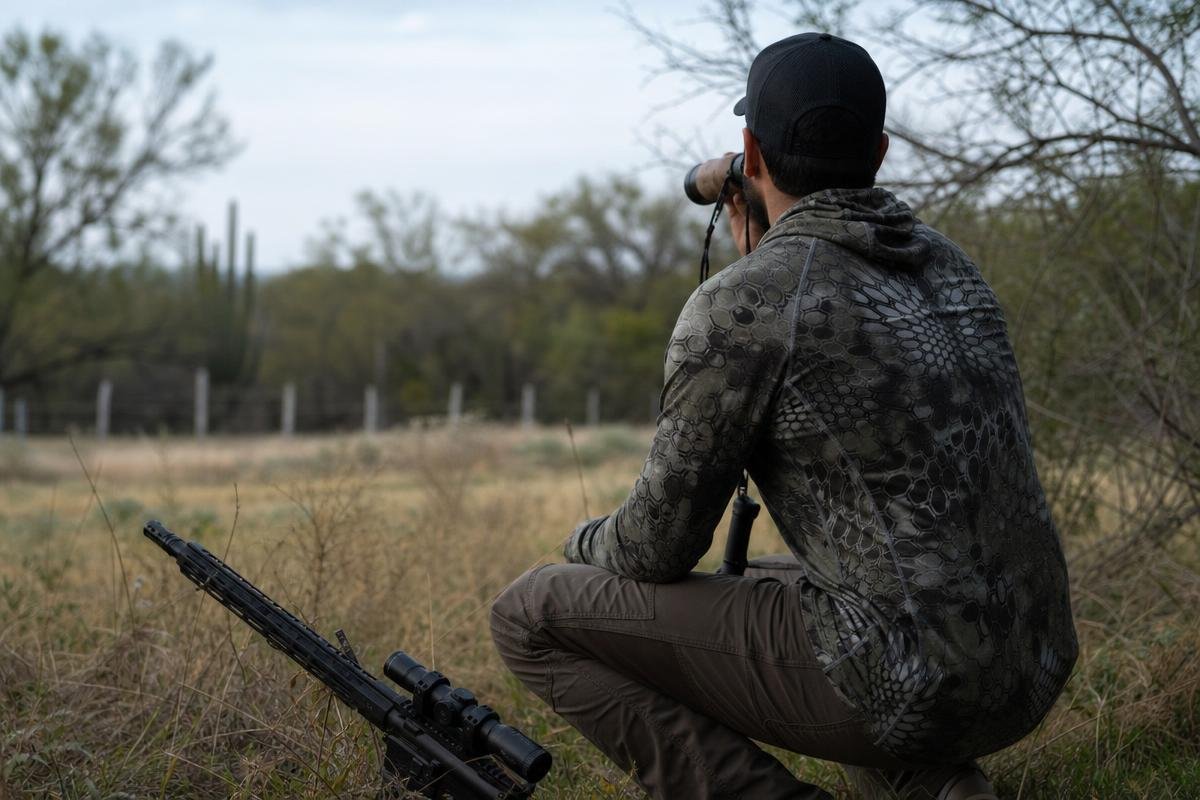
The best coyote calls are the ones that fit the stand, not the loudest sounds in a library. In the Grayson County and Texoma area, mixed pasture, brushy fence lines, creek bottoms, timber edges, and agricultural ground can all change how sound carries and how a coyote approaches. We offer rifle parts and hunting-focused components for customers planning a field setup.
Need help matching a predator-rifle upper, optic mount, and practical field setup to your hunting style? Talk with our team about compatible parts and configurations.
Key Takeaways
- The best coyote calls match terrain, wind, season, cover density, and hunting pressure rather than following one fixed sound sequence.
- Prey distress can appeal to a feeding response, while howls, whimpers, and pup sounds are social vocalizations with different uses.
- Hand calls provide immediate pitch and volume control, while electronic callers provide repeatable sounds and can draw attention away from the shooter.
- On brushy, broken ground, plan for a coyote to use cover and work downwind before showing itself.
Eight Best Coyote Call Picks by Sound and Scenario
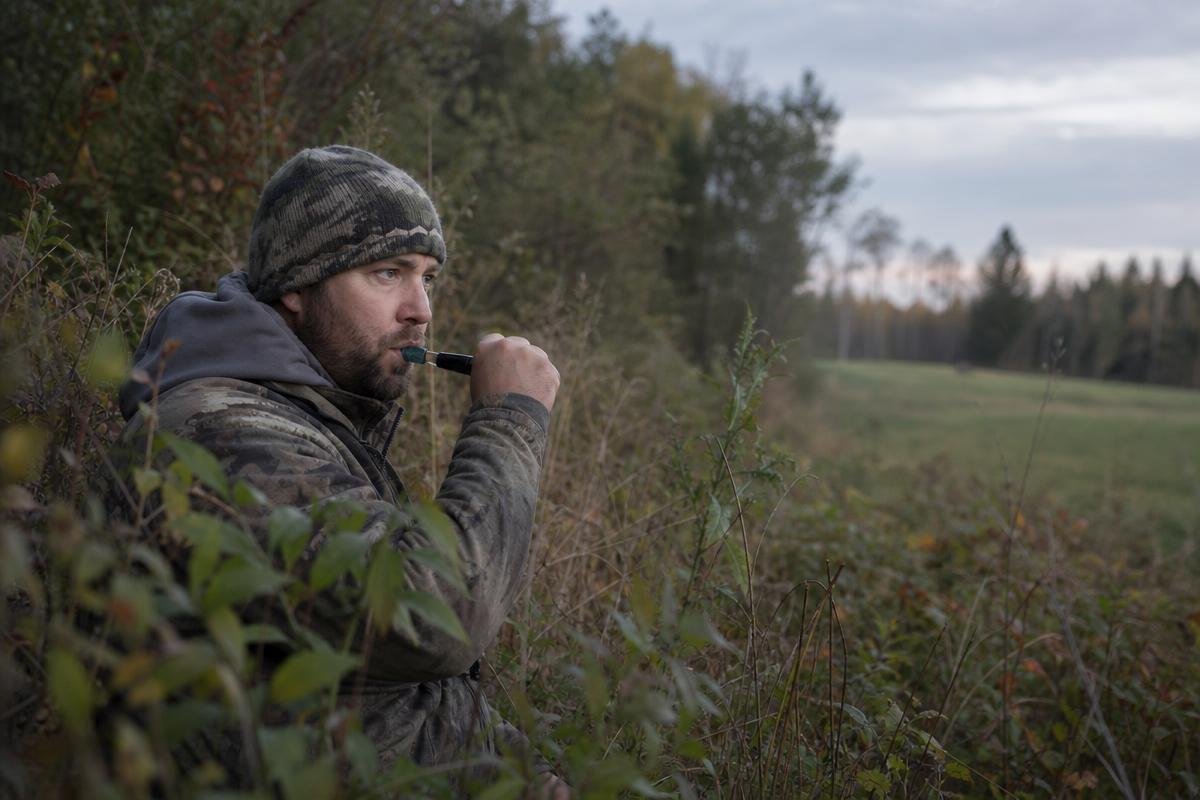
The eight picks below compare sounds by their best-fit scenario, from prey-focused stands to vocal setups. For each pick, consider season, cover, wind, and hunting pressure. Then choose a closed-reed or open-reed hand call, a howler, or an electronic caller that can produce the sound; the beginner comparison below explains the format tradeoffs.
1. Cottontail Distress for Food-Focused Stands
Best for food-focused stands, cottontail distress is a practical starting sound when a stand has likely feeding cover nearby, such as brush margins, grassy draws, or field edges. A closed-reed hand call is often easiest for making consistent rabbit sounds. Use brief, uneven cries instead of one long, identical loop.
2. Bird Distress for a Higher-Pitched Prey Sound
Best when you need a different prey profile, bird distress gives you a sharper, higher-pitched alternative when rabbit sounds have been used heavily on the property or when you want a different prey profile. It can carry clearly across more open pasture, but it can sound unnatural if played at maximum volume in still air or tight cover.
3. Fawn Distress for Season-Matched Setups
Best for season-matched stands where fawns are present, fawn distress is a situational sound, not a default choice. Use it only when it matches the time of year, the property, and the habitat around the stand. Because the tone is larger and lower than rabbit distress, it is best treated as a deliberate change of category rather than filler between other sounds.
4. Female Howls for Social Contact
Best for low-pressure social contact, a nonaggressive female howl can be useful when coyotes are vocal or when prey distress has not produced interest. This sound is about social contact rather than food. Give a response time before deciding whether to answer, reposition, or leave the stand quiet.
5. Challenge Howls for Territorial Responses
Best reserved for an established territorial response, challenge howls are a higher-pressure option for an established vocal setup. They may fit a situation where coyotes are actively answering from a defined area, but they can also make a cautious animal hold up or leave. Reserve stronger territorial sounds for a reason, not as the first sound on every stand.
6. Female Whimpers and Chirps for Soft Social Calling
Best for a soft social follow-up, female whimpers and chirps are subtle sounds after a restrained howl or an audible coyote response. They are particularly useful when the stand is in close cover and you want a low-intensity social cue rather than another loud vocalization.
7. Pup Distress for Protective or Curious Responses
Best for a season-appropriate pup-focused setup, pup distress can prompt curiosity or a protective response from nearby adult coyotes. It is often considered during the spring and summer denning period, but it should not be run continuously. A short series followed by observation gives an approaching animal room to work through cover.
8. Lone Locating Howls for Checking Vocal Activity
Best for checking whether coyotes are vocal before committing to a longer sequence, a restrained lone locating howl can draw a reply. Pause and listen before choosing a follow-up. Unlike a female contact howl used to continue an exchange, this pick is for testing for a response.
What Is the Best Coyote Call for Beginners?
A closed-reed rabbit distress hand call is often the best starting point for beginners because it produces repeatable sounds without the pitch control required by many open-reed calls. An electronic caller is easier for hunters who want a sound library and the ability to place the sound away from their position, but batteries, speaker placement, and volume settings add more variables.
Choose the call format around the stand rather than assuming one is always better. A compact hand call works well for mobile hunting and close-in cover. An electronic caller is useful in more open ground, where placing sound crosswind can keep a coyote's focus off the hunter.
| Call Type | Best Use | What to Watch |
|---|---|---|
| Closed-reed hand call | New callers, rabbit distress, compact mobile setups | Limited pitch range compared with an open reed |
| Open-reed hand call | Hunters who want to vary pitch, tone, and multiple prey sounds | Requires practice to avoid harsh or repetitive notes |
| Electronic caller | Sound variety and placing the source away from the shooter | Battery life, speaker direction, legal method restrictions, and volume |
| Howler | Locating and controlled social vocalizations | Can increase pressure if used aggressively without a reason |
Match Your Call Sequence to the Season and Coyote Behavior
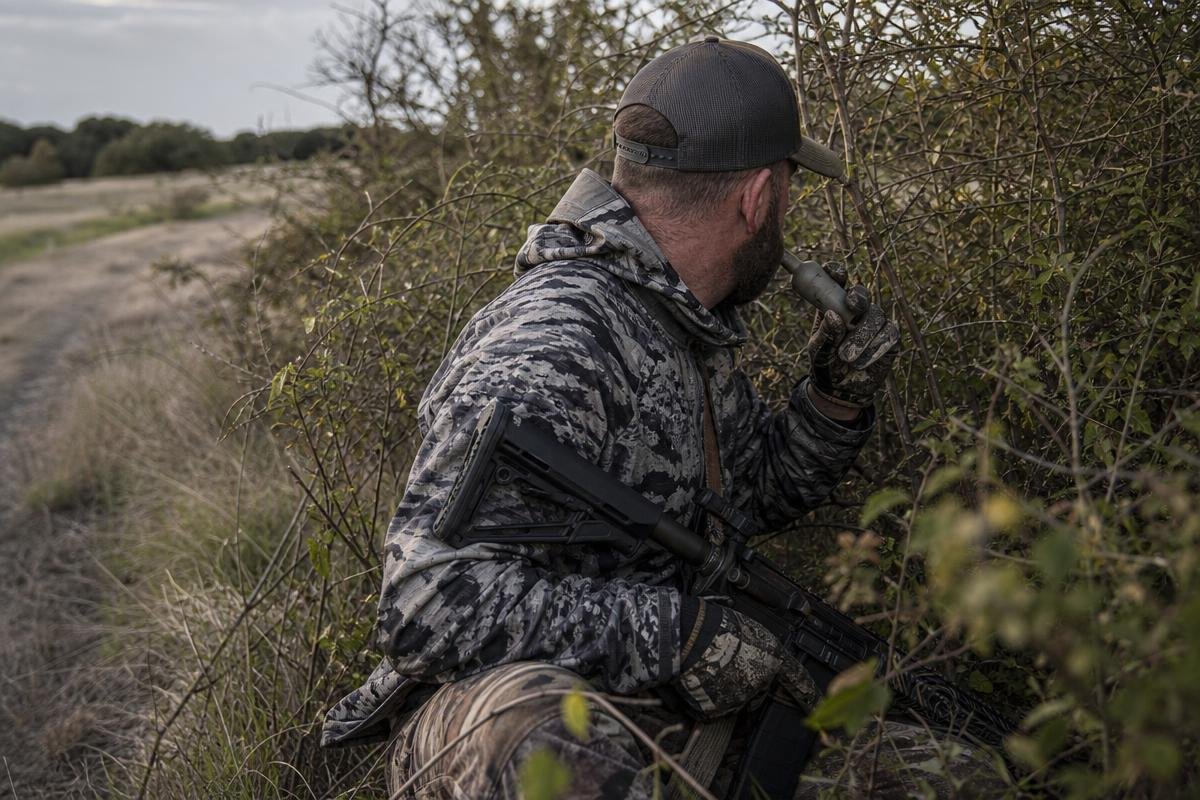
Season changes the reason a coyote may respond. In the Texoma region, winter fronts can bring changing wind and clearer sound carry, while summer heat can concentrate activity around cooler parts of the day and shaded travel cover. Use seasonal behavior to choose a sound category, then let the stand itself dictate volume, caller placement, and how long you remain still.
Winter and Breeding Season Vocal Sequences
During the breeding period, social vocalizations can make more sense than immediately playing prey distress. A locating howl can help determine whether coyotes are nearby, and a restrained female howl or soft whimper may be more appropriate after an answer than a repeated challenge sequence. On exposed pasture or winter-thinned vegetation, expect a coyote to use shallow draws, brush strips, and fence lines to approach under cover.
- Use a locating howl only when the property and conditions support a vocal setup.
- Evaluate whether any reply sounds curious, defensive, distant, or paired.
- Use a softer social sound when the response suggests contact rather than confrontation.
- Keep eyes on cover transitions and the scent side rather than only watching the caller.
Spring and Summer Pup Distress Sequences
Pup distress can be a reasonable social option in spring and summer, when adult coyotes may be more protective or curious. Hot conditions also make scent and comfort management more important. Favor shaded cover, creek-bottom edges, and routes that let you see a downwind approach without calling across unsafe or occupied ground.
- Use a short pup-distress series when it fits the season and property.
- Watch thick cover, field corners, and low ground for a quiet approach.
- Keep the sound source positioned to create a visible, safe approach lane.
- Change stands when wind or visibility prevents you from monitoring likely travel routes.
Summer stands are often decided by wind and concealment more than by adding more sounds. A coyote that circles unseen may have detected scent before it ever reaches the caller.
Fall Prey Distress Sequences
Fall is often a useful time to start with prey distress, including cottontail or bird sounds, because food-focused behavior may be a stronger draw than social vocalizations. On working farmland, pasture edges, and brushy drainage cover, consider where a coyote can travel without crossing open ground. Do not assume a visible field equals a visible approach.
- Choose one prey sound and give it a fair evaluation before switching categories.
- Use the terrain to predict a concealed travel route.
- Make any sound change purposeful, such as moving from rabbit to bird distress.
- Leave a stand rather than forcing a louder sequence when wind compromises it.
When Should You Use Coyote Howls Instead of Prey Distress?
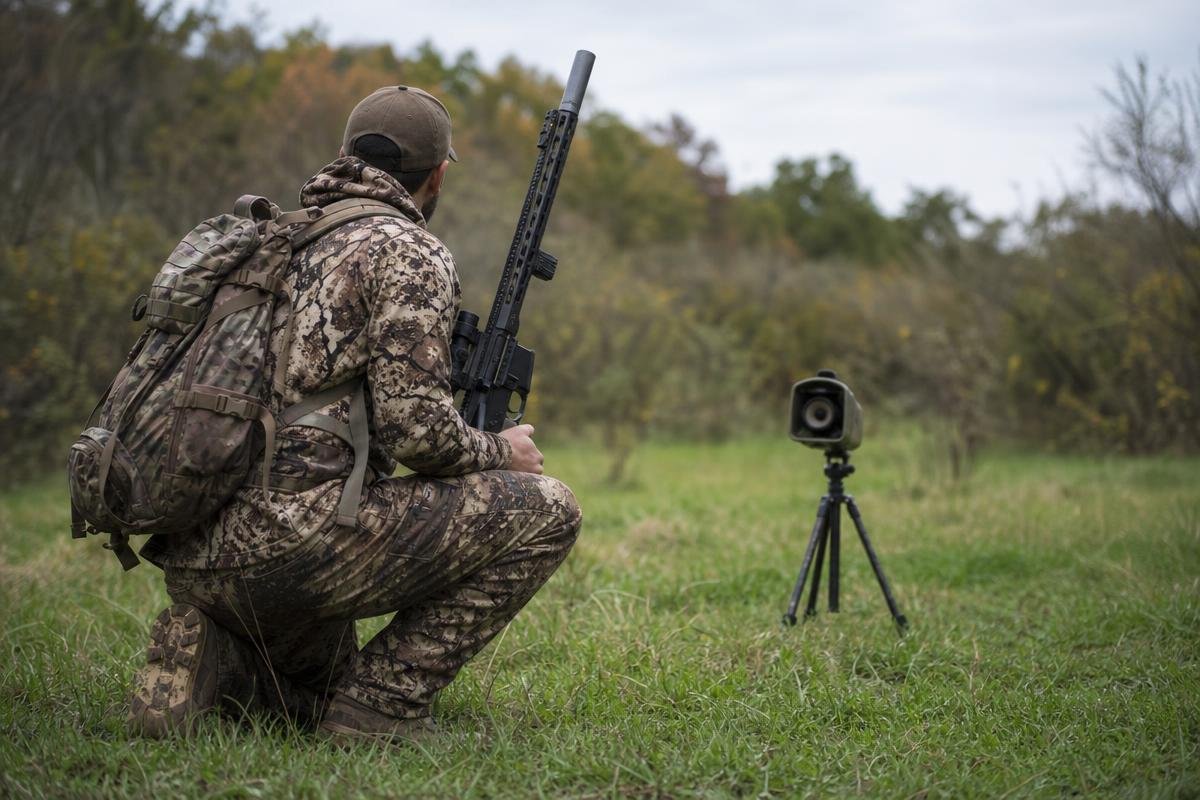
Use howls when the stand calls for a social response, such as when coyotes are already vocal, you are trying to locate animals, or the breeding period makes contact sounds more relevant. Use prey distress when feeding behavior is the better fit. Avoid treating either category as a guaranteed formula, because wind, cover, pressure, and prior calling matter.
A productive calling plan does not need constant noise. Build the stand around the response you receive, including no response. If a coyote answers from a distance, note its direction and likely cover route before selecting a follow-up sound. If nothing answers, resist stacking rabbit distress, howls, chirps, and pup sounds into one hurried sequence.
Sample Prey Distress Sequence
Use short, irregular prey-distress bursts with a hand call or electronic caller, then use the quiet period to observe approach routes. Rather than repeating one recording or cadence without change, adjust only when the stand gives you a reason, such as wind noise, distance to cover, or an observed coyote that has hung up.
- Choose a rabbit or bird distress sound that fits the cover and season.
- Set the initial volume for the size of the area, wind, and expected distance.
- Watch likely downwind cover and travel funnels while the stand develops.
- Use a small pitch, cadence, or sound-category change only when appropriate.
This approach avoids creating a mechanical loop and lets you focus on a safe, visible opportunity.
Sample Vocalization Sequence
For a vocal stand, begin with a restrained locating howl and evaluate the response. If the coyote answers, the next decision should reflect the tone and distance of that answer, not a memorized script. A soft social sound may fit better than an aggressive challenge when an animal appears cautious.
Best Times to Call Coyotes and How Long to Stay on Stand
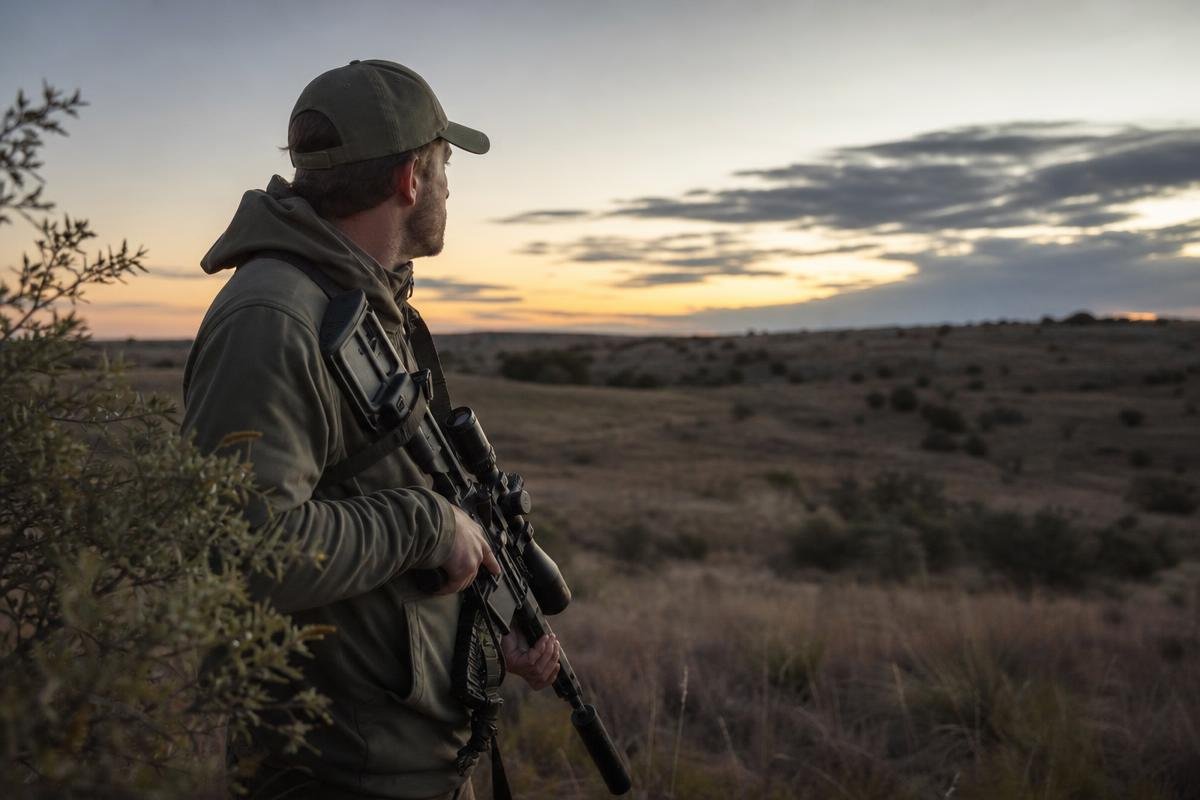
Early morning and late afternoon are common choices because light, temperature, and movement can be favorable, but the best time is still the time when wind, visibility, access, and safe shooting conditions align. Stand duration should be based on terrain and response behavior. A wide, open setup can be evaluated differently from a brushy creek-bottom stand where an approaching coyote may stay concealed longer.
Field Checklist Before You Start Calling
Good calling decisions start before the first howl, distress sound, or electronic sequence. Check these points before you settle in:
- Confirm lawful access and obtain landowner permission before entering private property.
- Review the applicable Texas Parks and Wildlife rules for the species, method, location, and time of year.
- Check wind direction, wind shifts, and the cover available downwind.
- Place an electronic caller only where it creates a safe, observable approach.
- Choose a prey or social sound category that fits the stand and season.
- Confirm safe shooting lanes, a clear backstop, and what lies beyond the target area.
- Scan carefully before standing or moving to the next setup.
Choosing a Practical Rifle Configuration for Calling
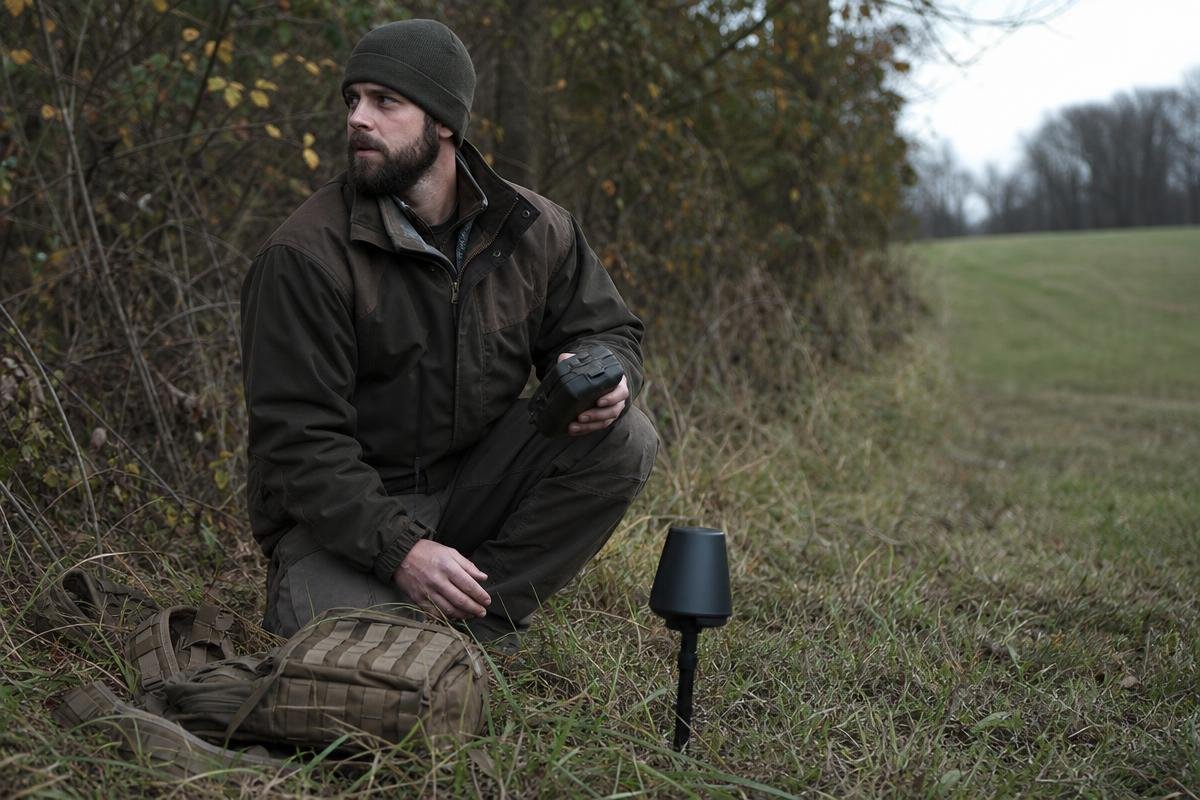
For Texoma calling ground that shifts from open pasture to thick edge cover, consider how carry weight, handling, and sightlines affect your field rifle. Complete the access, wind, and safe-lane checks in the field checklist before each stand.
Your rifle should be properly zeroed, safely handled, and supported before you begin calling. Confirm optic settings, sling placement, magazine function, and the position you can realistically shoot from, whether that is seated against cover, prone, or supported over a pack.
A complete upper can be ready to drop onto a compatible mil-spec lower receiver for a straightforward field configuration. When comparing options, consider overall weight for walking, barrel length for handling in brush, cartridge availability, optic mounting space, and the ranges you can safely see on the property. Our complete AR-15 uppers provide a practical starting point for a dedicated hunting build.
Frequently Asked Questions
Are Electronic Coyote Calls Better Than Hand Calls?
Electronic coyote calls offer more sound variety and let you place sound away from your shooting position. Hand calls remain lighter, quieter to carry, and easier to adjust in real time. Neither guarantees a response, so build coyote calling sequences around cover, wind, and the animal’s behavior.
What Sounds Work During Coyote Breeding Season?
Female howls, female whimpers, and nonaggressive pair vocalizations can fit breeding-season calling. Prey distress can still work, but social sounds address a different response trigger. Start at low volume and avoid treating any of the best coyote sounds as a guaranteed answer.
How Loud Should a Coyote Call Be?
Call louder in open ground where sound must travel, then lower volume in tighter cover. Terrain, wind direction, brush density, and stand distance matter more than maximum volume. Warm field conditions can also change how far sound carries.
What Rifle Setup Should I Use for Predator Hunting?
A safe, properly zeroed rifle setup matters more than chasing a specific configuration. Review current regulations, secure private-land permission where required, and confirm safe shooting lanes before calling. Compare 5.56 NATO complete uppers and complete AR-15 rifles based on your intended field setup.
How Long Should I Stay on a Coyote Calling Stand?
Stay long enough to complete your planned calling sequence and watch likely approach routes, especially the downwind side. Wind, terrain, visibility, and coyote activity should guide the decision. If conditions become unsafe or your shooting lanes are unclear, end the stand and move to a better location.
Ready to Get Started with AR15Parts.com?
Need help choosing compatible parts for your field setup? Call us at (888) 706-0633 or contact our team. We ship from our facility at 4000 Texoma Pkwy, Denison, TX 75020.