

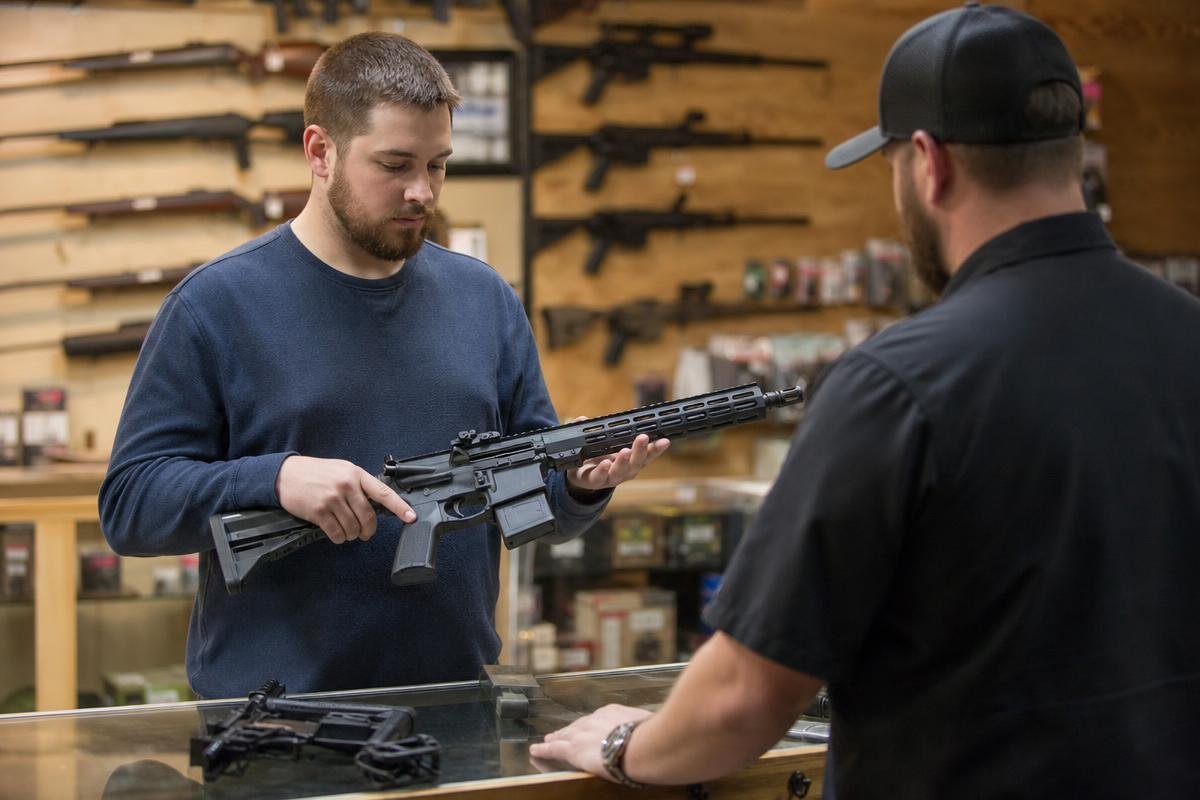
Buying your first AR-15 starts with two decisions: choose a complete rifle or pair a complete upper with a compatible lower, then set a budget for the firearm and essentials. Your intended use and comfort with parts compatibility should guide that choice. At AR15Parts.com, we ship from our Denison, TX facility at 4000 Texoma Pkwy, Denison, TX 75020. Compare buying paths, chamberings, and the equipment you will need before you order.
Key Takeaways
- A complete 5.56 NATO rifle with a 16-inch barrel is often the simplest general-purpose starting point for a new AR-15 owner.
- Complete rifles reduce early compatibility decisions, while a first build requires careful matching, correct tools, and inspection.
- Your first-purchase budget should include safe storage, magazines, sights, eye and ear protection, ammunition, and training, not only the rifle.
- Before ordering an upper or separate parts, confirm the AR pattern, chambering, magazine type, buffer requirements, handguard interface, and legal configuration.
What Should First-Time AR-15 Buyers Know Before Shopping?
Start with the intended job, not the accessory list. A general range rifle, a hunting configuration, and a defensive firearm can call for different chamberings, barrel lengths, sighting systems, and storage considerations. For many beginners, a conventional 5.56 NATO, 16-inch configuration offers a straightforward way to learn the controls, establish a zero, and practice safe handling.
Compare complete AR-15 rifles and a first build, recognize the major assemblies, plan a realistic purchase list, and avoid common compatibility errors. A 5.56 NATO chamber, a 16-inch barrel, and a properly matched gas system are common starting points for a first purchase.
Important: Firearm laws, possession rules, transfer requirements, hunting regulations, and configuration restrictions vary by jurisdiction and can change. The information here is educational, not legal advice. Confirm current requirements with official federal, state, and local authorities, or consult a qualified legal professional with questions about your circumstances.
What Is the Best First AR-15 Setup for General Use?
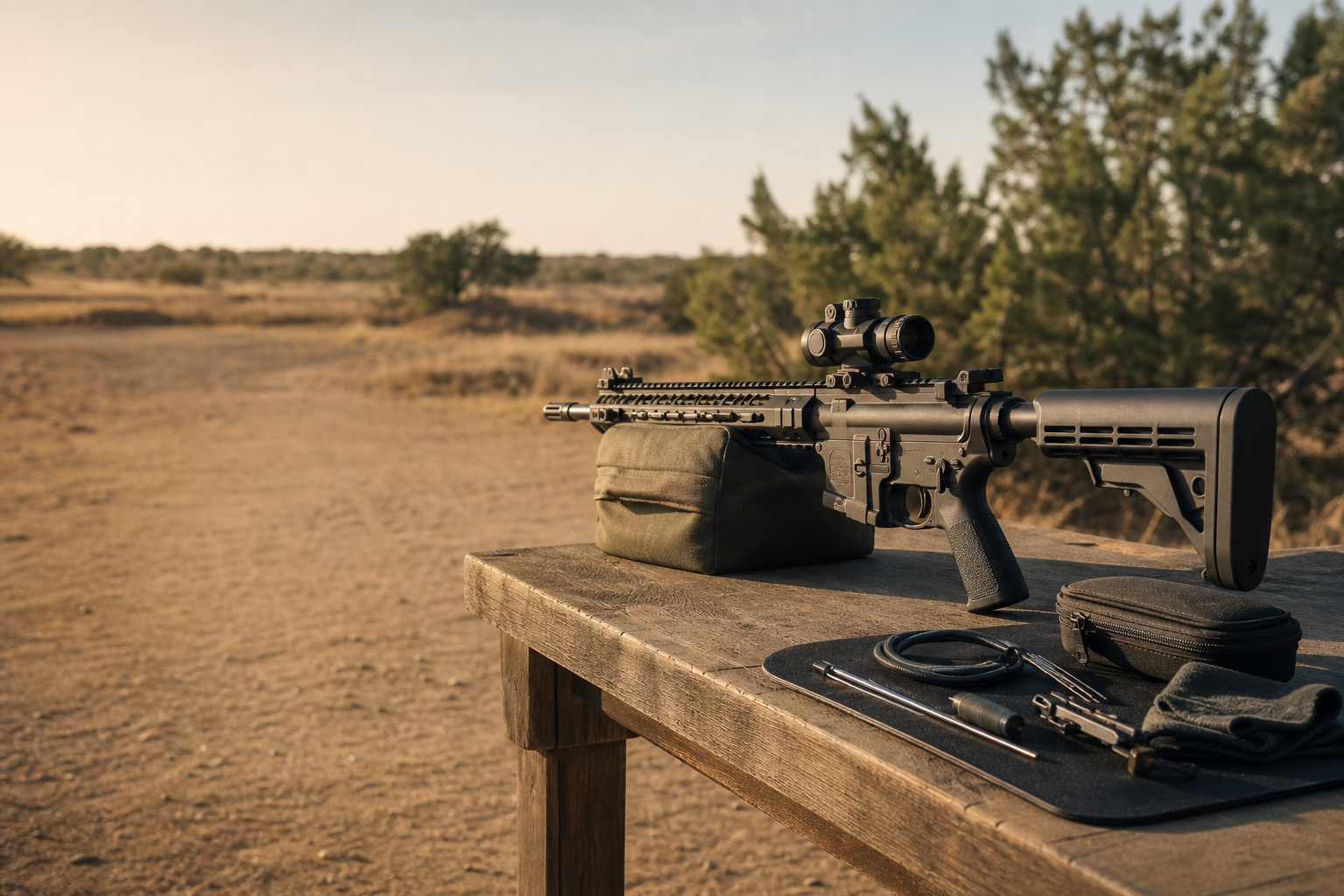
For many new owners, a 16-inch AR-15 chambered in 5.56 NATO is a practical general-purpose choice. It offers manageable recoil, broad magazine and parts availability, and a familiar setup for range practice. It is not the only valid configuration, but it avoids adding specialty-caliber decisions to a first purchase.
Why Is a 16-Inch 5.56 NATO Rifle a Common Starting Point?
A 16-inch barrel provides useful handling and general-purpose performance without moving immediately into shorter-barrel or pistol-configuration questions. A 5.56 NATO chamber can fire 5.56 NATO and .223 Remington ammunition. Always follow the barrel marking and manufacturer guidance, and never assume the reverse is true for a barrel marked only .223 Remington.
Starting with one of our complete AR-15 rifles lets you focus on safe loading, unloading, sight adjustment, cleaning, and consistent range fundamentals. Add only the equipment you need to operate it responsibly before spending on appearance-focused upgrades.
For range use, basic maintenance is especially worthwhile. Keep the action reasonably clean and lubricated according to the manufacturer’s instructions, protect the firearm from moisture during transport and storage, and confirm your optic mount and fasteners remain secure after use.
Should You Choose a Cartridge Before Buying a Specialty Upper?
Yes. The cartridge determines the barrel, bolt or bolt face, magazine requirements, and practical role of the setup. A dedicated hunting or longer-range configuration may justify a different caliber, while a standard 5.56 NATO rifle keeps the first purchase easier to understand.
The AR platform can be adapted later with 5.56 NATO complete uppers or another caliber-specific assembly. Before changing chamberings, verify the complete system, including the upper, bolt carrier group, magazine compatibility, buffer requirements, and ammunition selection. For hunting, check current regulations from the applicable wildlife authority before selecting a caliber or magazine setup.
Should a Beginner Buy a Complete AR-15 or Build One?
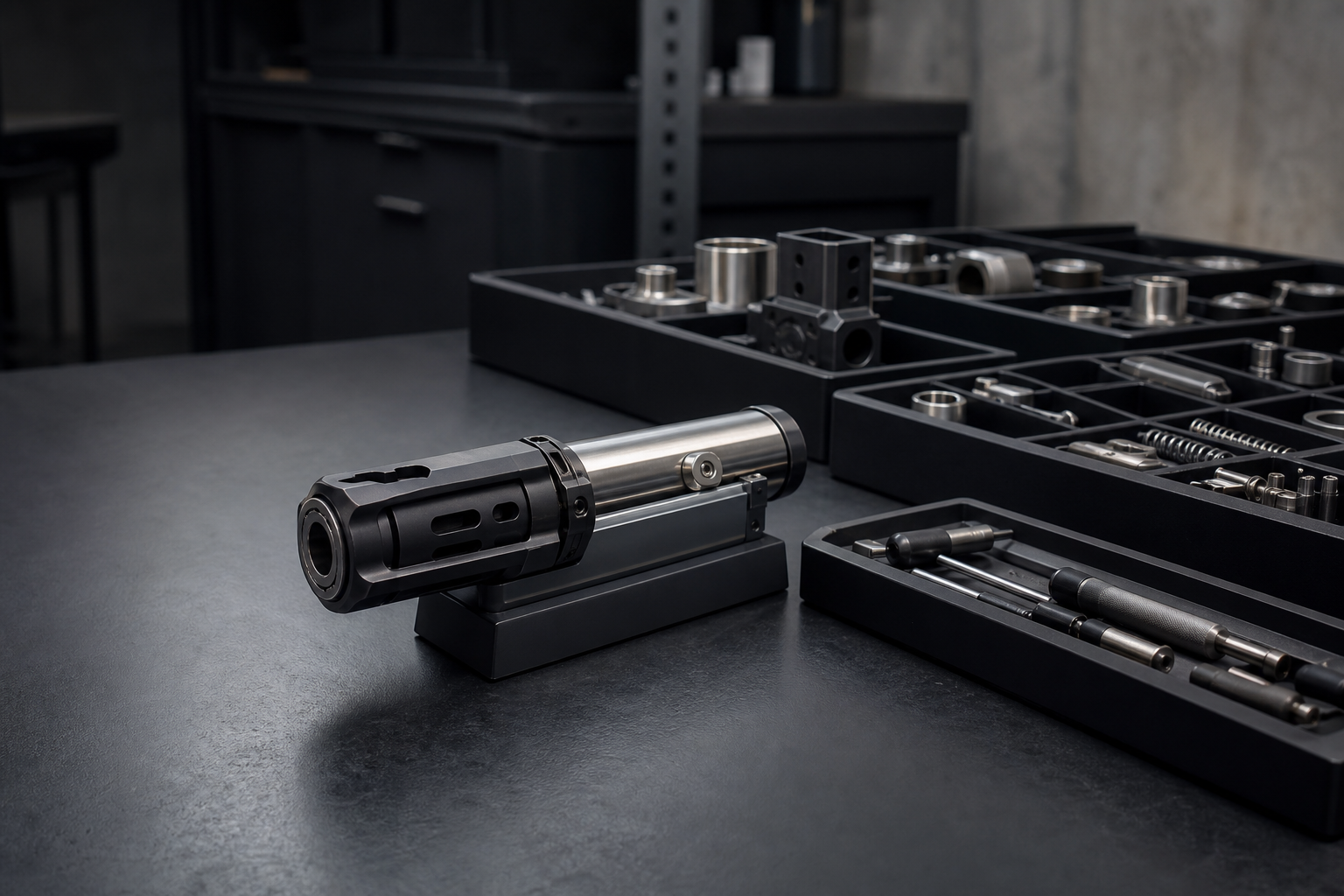
Most first-time buyers are better served by a complete AR-15. A complete rifle gives you one assembled configuration to inspect, learn, maintain, and zero before you begin troubleshooting individual parts or changing the setup.
| Buying Path | Best For | What You Still Need | Main Consideration |
|---|---|---|---|
| Complete rifle | First-time owners who want a single, assembled platform | Magazines, ammunition, sights or optic, safe storage, protective gear | Fewer compatibility decisions at the start |
| Complete upper with compatible lower | Buyers who already understand their lower and configuration | Compatible lower, buffer system confirmation, sights, magazines, legal review | Fit and operating-system details must be verified |
| Parts build | Buyers with a defined role, tools, and willingness to research assembly | All components, tools, torque procedures, inspection, safe function testing | Every interface and specification matters |
Why Is a Complete Rifle Easier to Learn On?
A complete rifle arrives as a matched platform rather than a collection of individual choices. You still need magazines, ammunition, a sighting system, eye and ear protection, secure storage, and basic cleaning supplies, but the upper, lower, barrel, gas system, and buffer system have already been selected as a configuration.
Our complete AR-15 rifles provide a clear baseline for learning the platform. Once you know how your rifle fits, cycles, and performs with your chosen ammunition, future changes to furniture, optics, triggers, or uppers are easier to evaluate.
A complete upper can also simplify a project. Many standard AR-15 complete uppers fit standard AR-15-pattern lowers, but buyers should confirm platform, caliber, magazine compatibility, buffer requirements, receiver fit, and legal configuration before purchase. Review complete AR-15 uppers when you want to compare barrel lengths, chamberings, and gas-system layouts without choosing each upper component separately.
What Does a First Build Add to Your Checklist?
A first build offers more control, but it also adds responsibility. Confirm compatibility between the upper and lower, barrel and gas system, handguard and gas block, bolt carrier group, charging handle, muzzle device, buffer system, and small parts before ordering.
Common trouble points include mismatched gas-system lengths, a handguard that interferes with the gas block, incorrect buffer selection, incompatible thread patterns, and parts purchased without checking dimensions. A build also requires appropriate tools, manufacturer torque specifications, inspection, and safe function testing before live fire.
Already have a lower or a parts list? Contact our team about the product category that best fits your planned chambering and barrel length.
Which AR-15 Parts Should Every Beginner Recognize?
You do not need to build an AR-15 to shop intelligently, but you should understand which parts determine the firearm’s legal status, chambering, cycling, and accessory compatibility.
What Do the Lower and Upper Receivers Do?
The lower receiver is the serialized component generally treated as the firearm under federal law. It contains the trigger group, safety selector, and magazine release, and it interfaces with the receiver extension that houses the buffer and action spring. Verify current requirements before purchasing a lower receiver.
The upper receiver holds or interfaces with the barrel, bolt carrier group, charging handle, and handguard. Many AR-15-pattern components share common dimensions, but “mil-spec” is not a guarantee that every item from every manufacturer will work together without confirmation. Our complete AR-15 uppers help buyers compare chamberings, barrel lengths, and gas-system configurations as assembled upper units.
How Do the Barrel, Chamber, and Gas System Affect the Rifle?
The barrel determines the chambering, length, twist rate, and much of the rifle’s intended use. Follow the chamber marking and manufacturer guidance. A 5.56 NATO chamber is designed for 5.56 NATO ammunition and commonly accepts .223 Remington, while a .223 Wylde chamber is designed to handle both cartridges with its own chamber dimensions.
The gas block and gas tube direct gas from the barrel back to the action after a shot, cycling the bolt carrier group. Carbine, mid-length, and rifle-length gas systems must correspond with the barrel’s gas-port location and work with the overall buffer setup. Do not select a gas tube length by appearance alone.
Why Do the Bolt Carrier Group and Handguard Matter?
The bolt carrier group, often called the BCG, locks the cartridge into the chamber, extracts the fired case, and loads the next round. Its bolt must match the platform and chambering. Do not assume a BCG intended for one cartridge will fit or function correctly in another upper.
The handguard protects the support hand and provides mounting space for sights, lights, and other accessories. Free-float handguards attach at the barrel nut and avoid contact with the barrel, while other designs mount differently. Confirm the barrel nut, handguard attachment system, gas-block clearance, and mounting hardware before ordering a replacement handguard.
How Much Should You Budget for a First AR-15 Setup?
Budget for a usable and responsible setup, not just the rifle. A lower-priced rifle with no safe storage, no sights, and no range budget is rarely a complete first purchase.
What Should You Buy Now?
Buy the essentials first: a properly configured rifle or compatible assembly, magazines suited to the chambering and platform, eye and ear protection, secure storage, a sighting system, basic maintenance supplies, ammunition, and time for qualified instruction or supervised practice.
- Rifle or correctly matched upper and lower
- Compatible magazines
- Eye and ear protection
- Secure storage appropriate to your household
- Iron sights or an optic with a suitable mount
- Cleaning and lubrication supplies recommended for the firearm
- Ammunition matched to the marked chamber
- Range time and qualified training
Which Upgrades Can Wait?
Most cosmetic furniture, specialty controls, premium triggers, match barrels, and color-matched accessories can wait until you identify a real need. Upgrade when a part solves a known problem, such as an optic that will not hold zero, a stock that does not fit properly, or a sling setup that does not support your intended use.
A free-float handguard can reduce the effect of sling or support-hand pressure on the barrel. A better trigger may provide a different feel. A solid optic mount helps maintain sight position. Those changes can be valuable, but they do not replace safe handling, practice, or a stable sighting plan.
How Should You Compare Premium Parts?
Compare measurable specifications rather than labels. Look at barrel material, chamber, gas-system configuration, finish or coating, weight, machining details, included components, and the accuracy goal you actually need.
Precision barrels from Wilson Combat, Ballistic Advantage, and Satern can make sense for a defined accuracy goal. They do not replace practice, ammunition selection, proper installation, or a dependable sighting system.
Need help matching parts and priorities to your budget? Call us at (888) 706-0633.
How Can You Avoid First-Time AR-15 Compatibility Mistakes?
The best way to prevent unnecessary returns and assembly problems is to create a complete configuration list before placing an order. If possible, handle or shoot an AR-pattern rifle first so you can learn how the controls fit your hands and whether you prefer iron sights, a red dot, or magnified optics.
Do All AR-15 Parts Fit Together?
No. Not all AR-15-pattern parts are interchangeable. Chambering, receiver pattern, barrel length, gas-system length, handguard interface, buffer setup, stock tube type, bolt compatibility, and magazine type must match the intended build.
Use this pre-purchase compatibility checklist:
- Confirm the marked chambering and the ammunition you plan to use.
- Confirm the upper and lower receiver pattern.
- Match the barrel’s gas-port location to the correct gas tube length.
- Verify the gas-block journal diameter and handguard clearance.
- Confirm bolt or bolt carrier group compatibility with the barrel and chambering.
- Verify buffer tube type, buffer weight, spring, and stock compatibility.
- Check handguard mounting hardware, barrel nut requirements, and thread specifications.
- Confirm magazine compatibility and your sighting plan.
- Review applicable legal requirements before finalizing the configuration.
Review our complete AR-15 uppers if you prefer a matched upper assembly instead of selecting each upper component separately.
What Is the Difference Between a Ready-to-Use Rifle and a Parts Order?
A complete rifle is an assembled firearm configured for basic use, while a parts order may still require tools, assembly knowledge, inspection, and safe function testing. That is the practical difference in the build-versus-buy decision.
A complete rifle can reduce compatibility questions for a first purchase. Individual parts make more sense once you have a defined purpose and a verified build list. Our complete AR-15 rifles give you a single configured platform rather than a collection of separate components.
Why Should Safety and Training Be Part of the Purchase Plan?
Safety equipment, secure storage, and training should be planned before the first range trip. Follow all posted range rules, keep the muzzle in a safe direction, keep your finger off the trigger until ready to fire, and use appropriate eye and ear protection.
Check a range or training facility's current policies, lane rules, ammunition restrictions, reservation requirements, and instruction availability before making plans. Before buying, confirm that you have a safe storage plan, suitable magazines, and a lawful place to train. If you need help reviewing product categories or a parts list, contact AR15Parts.com at (888) 706-0633.
How Can You Order Your First AR-15 Online?
We ship online orders from our Denison, TX facility at 4000 Texoma Pkwy, Denison, TX 75020. Complete rifles and lowers ship to the buyer's FFL for transfer. Call (888) 706-0633 with a written configuration list so we can help you compare chambering, barrel length, buying path, accessories, and parts compatibility.
How Does a Configuration List Narrow Your Search?
Start with your intended caliber, barrel length, gas system, sighting plan, and budget. That list turns a broad catalog into a smaller group of compatible choices.
If you plan to buy a complete AR-15, compare complete AR-15 rifles by chamber, barrel length, handguard type, and included stock. For a separate lower, narrow complete uppers, barrels, bolt carrier groups, stocks, magazines, and related components around the same caliber and receiver pattern.
When Should You Ask a Product-Category Question?
Call (888) 706-0633 if you need help distinguishing a complete rifle from a complete upper or an individual component purchase. Have your planned caliber, barrel length, and lower receiver type ready so the conversation can stay specific to your configuration. If you need help with a product-category question, contact AR15Parts.com with those details.
Before contacting the team, prepare your configuration list, including chambering, barrel length, budget, and whether you are starting with a complete rifle or separate components.
Frequently Asked Questions
Is 5.56 NATO a Good Choice for a First AR-15?
Yes. 5.56 NATO is a practical choice for a first AR-15 because it works well for general-purpose range use and ammunition is widely available. Follow your barrel’s chamber marking and manufacturer guidance. A 5.56 NATO chamber can generally fire .223 Remington, but a .223 Remington chamber should not be assumed to handle 5.56 NATO ammunition.
Is It Better to Buy a Complete Rifle or Build One First?
A complete rifle is usually easier for a first purchase. It reduces the number of parts you must inspect, fit, and verify before firing. Building teaches the platform, but you are responsible for confirming receiver fit, gas-system parts, torque values, and function.
What Barrel Length Should a Beginner Choose?
A 16-inch barrel is a common starting point because it balances handling, velocity, and general-purpose use. Your intended use and applicable legal requirements should guide the final choice. Check current requirements for your location before selecting a shorter barrel or pistol configuration.
What Ammunition Can My AR-15 Use?
Your AR-15 can use ammunition that matches its marked chambering. Check the barrel stamp before loading magazines, especially with 5.56 NATO, .223 Wylde, .300 Blackout, and other AR-pattern chamberings. For a beginner AR-15 setup, keep ammunition clearly labeled and separate different calibers at the bench.
Which Accessories Should I Buy First?
Start with eye and ear protection, secure storage, compatible magazines, a sighting system, and basic maintenance supplies. A sling and weapon light may fit your intended use, but safe handling equipment comes first. Browse complete AR-15 rifles if you want a turnkey starting point.
How Do I Check AR-15 Part Compatibility?
Confirm the receiver pattern, chambering, gas-system length, barrel relationship, buffer system, and handguard interface before ordering parts. Read manufacturer specifications for thread pitch, gas-block journal diameter, bolt compatibility, and included hardware. Start with your intended use, chambering, and buying path, then browse complete rifles, uppers, and parts that fit your plan, or contact AR15Parts.com with product-category questions at (888) 706-0633. Finish your setup with compatible components and accessories from our AR-15 parts selection.
Ready to Get Started with AR15Parts.com?
Call (888) 706-0633 to speak with our team directly. We can answer questions about product categories and parts compatibility by phone or through our contact form.