
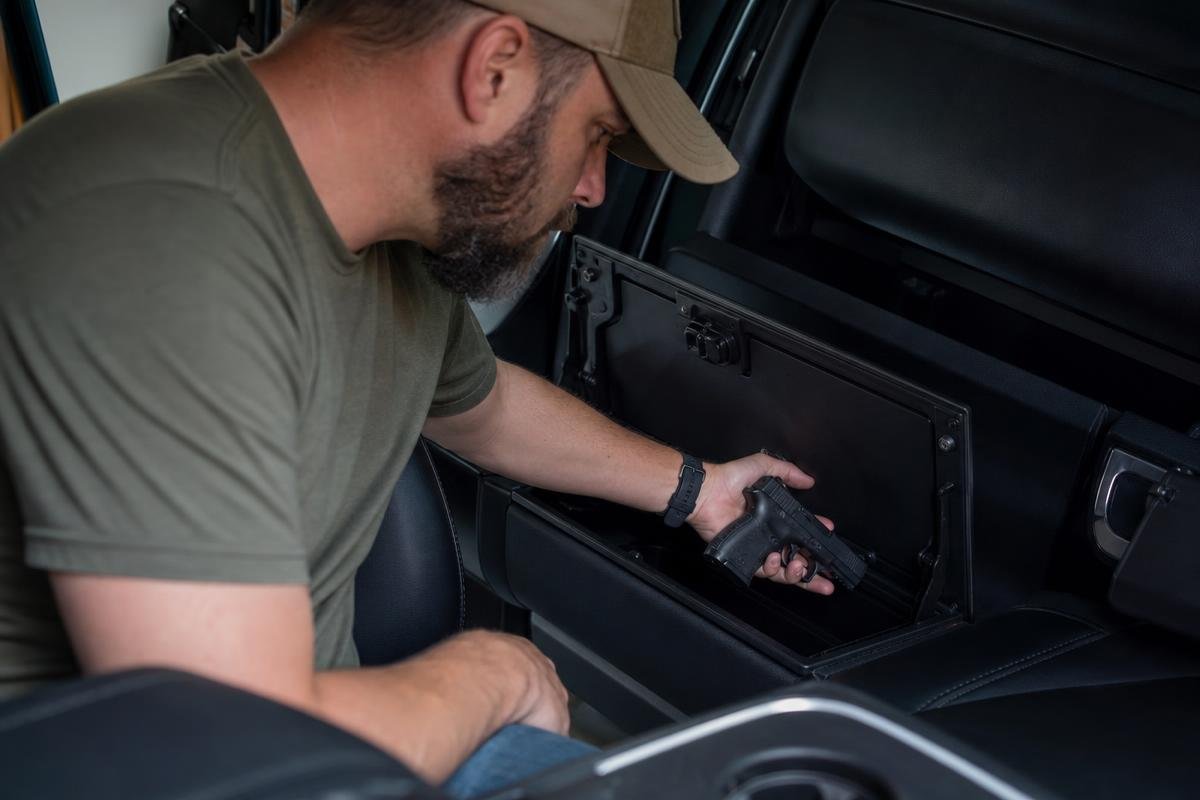
At AR15Parts.com, we ship firearms and AR-15 parts from our Denison, TX facility. If you are asking, “can you carry a gun in your car,” the short answer is that Texas law can allow an eligible person to possess a firearm in a motor vehicle they own or control, but the rules differ for handguns, long guns, license holders, prohibited places, and interstate travel. We reviewed the official Texas statute in September 2026. This is general information, not legal advice.
For the current statutory language, review the Texas Penal Code, Chapter 46 before relying on any vehicle-carry guidance.
Key Takeaways
- Texas Penal Code Section 46.02(a-1) addresses carrying a handgun in a motor vehicle or watercraft a person owns or controls, including plain-view and eligibility conditions.
- Under Section 46.02(a-1), a handgun in plain view must be carried in a holster, and the person must be 21 or older or licensed to carry under Subchapter H, Chapter 411. Other restrictions still apply.
- Section 46.02(a-1)(1) contains the vehicle plain-view and holster language. Review the current statute and any applicable court rulings before relying on it.
- Long guns are treated differently from handguns, but prohibited-person rules, destination restrictions, and safe storage concerns still apply.
- Crossing the Red River into Oklahoma or continuing beyond it requires route-specific research before departure.
Can You Carry a Gun in Your Car in Texas?
Generally, yes, if you may lawfully possess the firearm and meet the applicable conditions. Texas Penal Code Section 46.02(a-1) addresses carrying a handgun in a vehicle or watercraft a person owns or controls, including conditions involving plain view, criminal activity, and firearm-possession eligibility. Review the current statute and obtain legal advice for your specific situation.
What Does Texas Law Generally Allow Inside Your Vehicle?
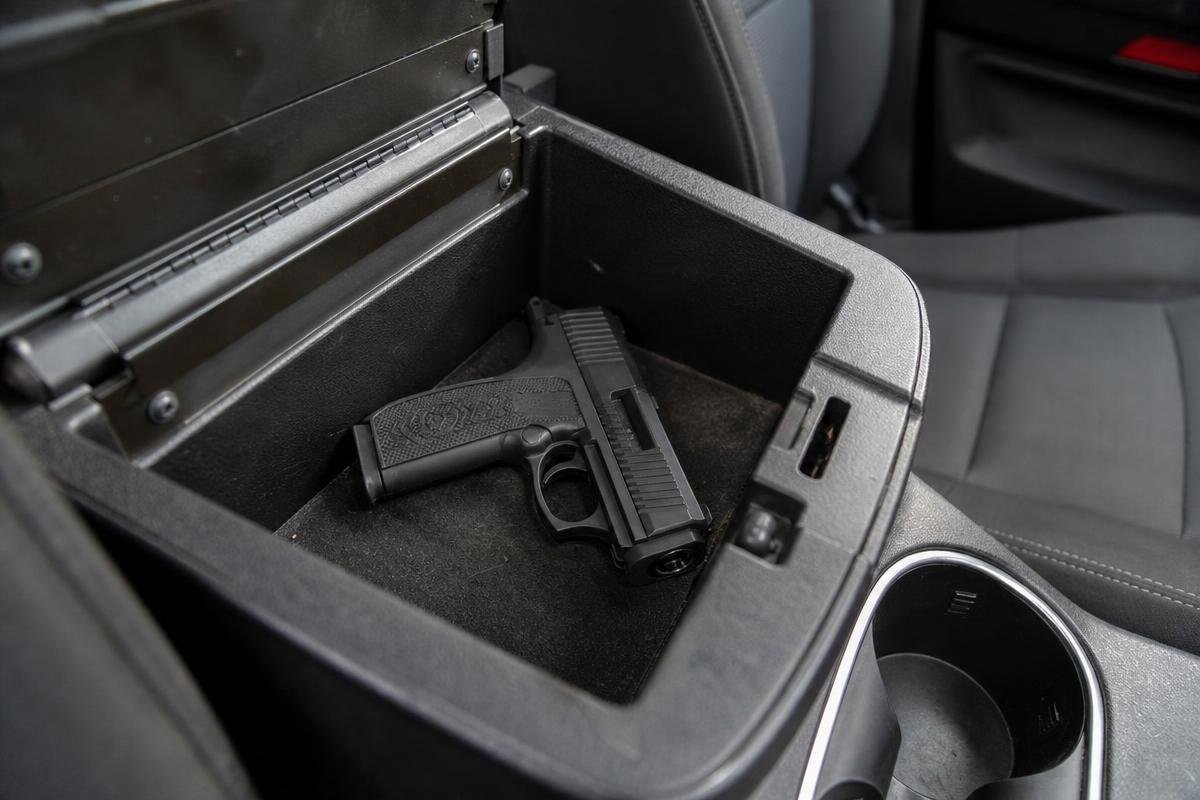
Texas vehicle rules begin with the firearm type and the authority being used. Section 46.02(a-1) addresses certain handgun carry by a person in a motor vehicle or watercraft owned by or under that person’s control. It does not override federal or state prohibitions on possession, restrictions at certain destinations, court orders, or private-property rules.
Vehicle Ownership or Control Matters
Section 46.02(a-1) refers to a motor vehicle or watercraft that the person owns or controls. A borrowed vehicle, rental, work truck, or family vehicle can involve practical questions about permission, passengers, employer policies, and who has access to the firearm. Do not treat a firearm left in someone else’s vehicle as though it were necessarily under your control.
Texas law does not impose a general unloaded-only rule for every firearm carried in a vehicle. Whether a firearm is loaded is only one part of the analysis. Handgun concealment, the carrier’s legal eligibility, the vehicle situation, and the destination may be more important than loaded status.
Concealed Handguns and the Plain-View Rule
The distinction between permitless vehicle carry and License to Carry authority is important. Section 46.02(a-1)(1) addresses when a handgun may be in plain view in a vehicle and includes age, licensing, and holster language. Review the current statute before relying on that provision.
The vehicle plain-view provision appears in Section 46.02(a-1)(1). License holders should still review current statutes, posted-notice rules, and destination restrictions before carrying. For long guns, Texas does not use the same vehicle concealment language found in Section 46.02(a-1), but keeping a rifle cased and out of sight is a sound theft-prevention practice.
Why Eligibility Still Comes First
You must be legally eligible to possess the firearm. State and federal law can restrict possession by people with certain felony convictions, qualifying domestic-violence convictions, certain protective orders, and other prohibited statuses. Section 46.02(a-1) includes conditions involving criminal activity other than a Class C traffic or boating offense and firearm-possession eligibility.
Read the current statute and obtain qualified legal advice if a court order, criminal history, protective order, immigration issue, or other restriction may apply to you. AR15Parts.com can assist with product and equipment questions, not individualized legal advice.
Before You Drive, Use This Texas Firearm Vehicle Checklist
Before leaving for errands, a range visit, or a trip north on U.S. 75 toward the Oklahoma line, decide where the firearm will ride and what you will do when you park. This checklist summarizes practical considerations raised by Texas firearm laws and safe-storage practices. It is not legal advice.
1. Confirm You Can Lawfully Possess the Firearm
Start with eligibility. A vehicle does not remove state or federal restrictions that prohibit a person from possessing a handgun, rifle, or other firearm. If your status is unclear, consult a qualified attorney before carrying or transporting a firearm.
2. Confirm the Vehicle Is Yours or Under Your Control
Confirm that you own the motor vehicle or are lawfully operating and controlling it. Permission to use a vehicle does not eliminate the need to consider employer rules, rental agreements, other occupants, or the firearm owner’s instructions.
Passengers also matter. As a safety practice, keep firearms secured so children, unauthorized passengers, and other occupants cannot access them without your knowledge.
3. Check Visibility, Access, and Secure Storage
If a handgun will be in plain view in a vehicle, review Texas Penal Code Section 46.02(a-1)(1), including its age, licensing, and holster language, and confirm that no other restriction applies.
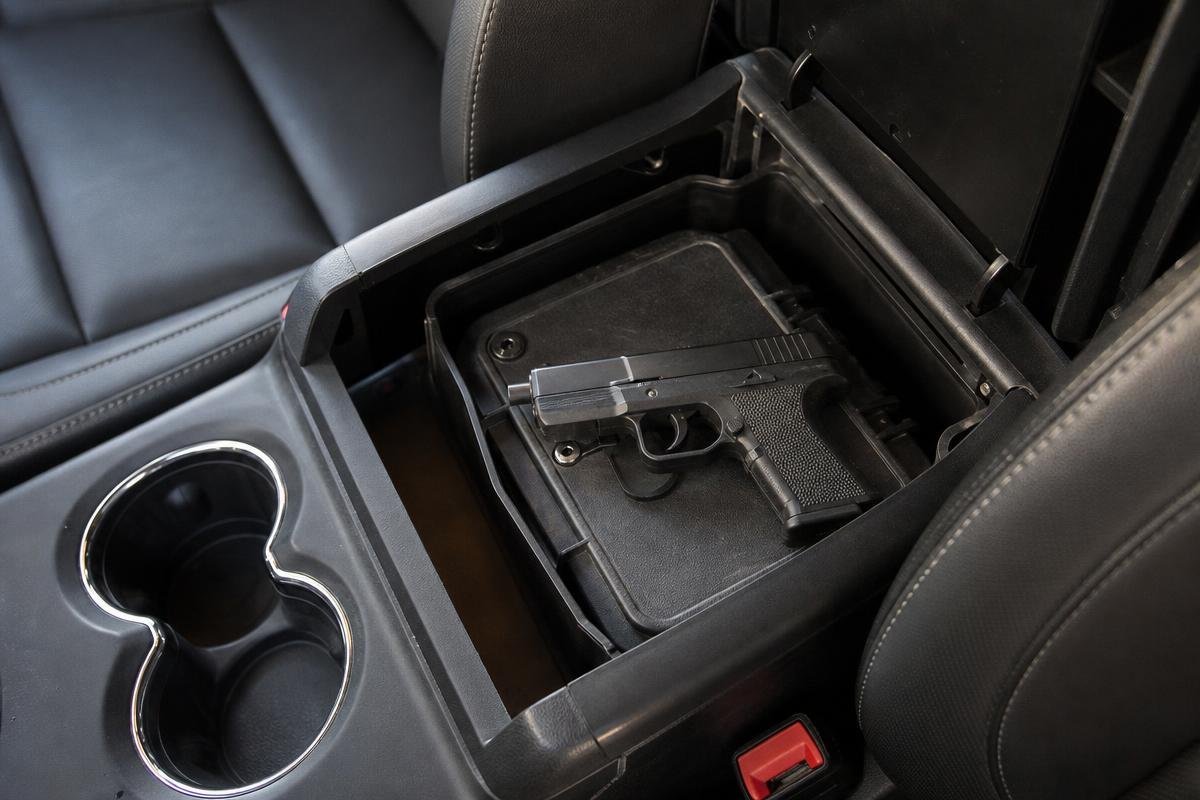
For an unattended vehicle, a locked case, cable lock, console safe, or secured cargo storage is a theft-prevention best practice, not a substitute for following the law. A loose handgun under a seat or an open console can be easily seen or stolen. If you are transporting one of our complete AR-15 rifles, a properly fitted locked case secured in the cargo area is a practical starting point.
4. Review the Destination Before You Park
Check the destination before entering its parking area or building. Schools, government facilities, courts, certain secured areas, private property, and other controlled locations may involve restrictions beyond ordinary vehicle possession rules. Review the applicable statutes, posted notices, and property policies in advance.
For example, a stop at a public facility or school-related property can raise different questions than a stop at a private business. Read signs and make a lawful storage decision before arrival, not at the entrance.
5. Check Every State on an Interstate Route
Check every state on the route when traveling by car with a firearm. That includes states crossed briefly, planned fuel stops, hotels, and alternate routes. Review each jurisdiction’s current rules on loaded firearms, ready access, permits, magazine restrictions, secure encasement, and carry at destinations.
Federal law, 18 U.S.C. Section 926A, may provide limited protection for interstate transport between places where the traveler may lawfully possess and carry the firearm, generally when the firearm is unloaded and neither the firearm nor ammunition is readily accessible. The statute has limits, so review the federal interstate transportation provision and official state resources before departure.
Vehicle Storage Choices That Support Safe, Lawful Transport
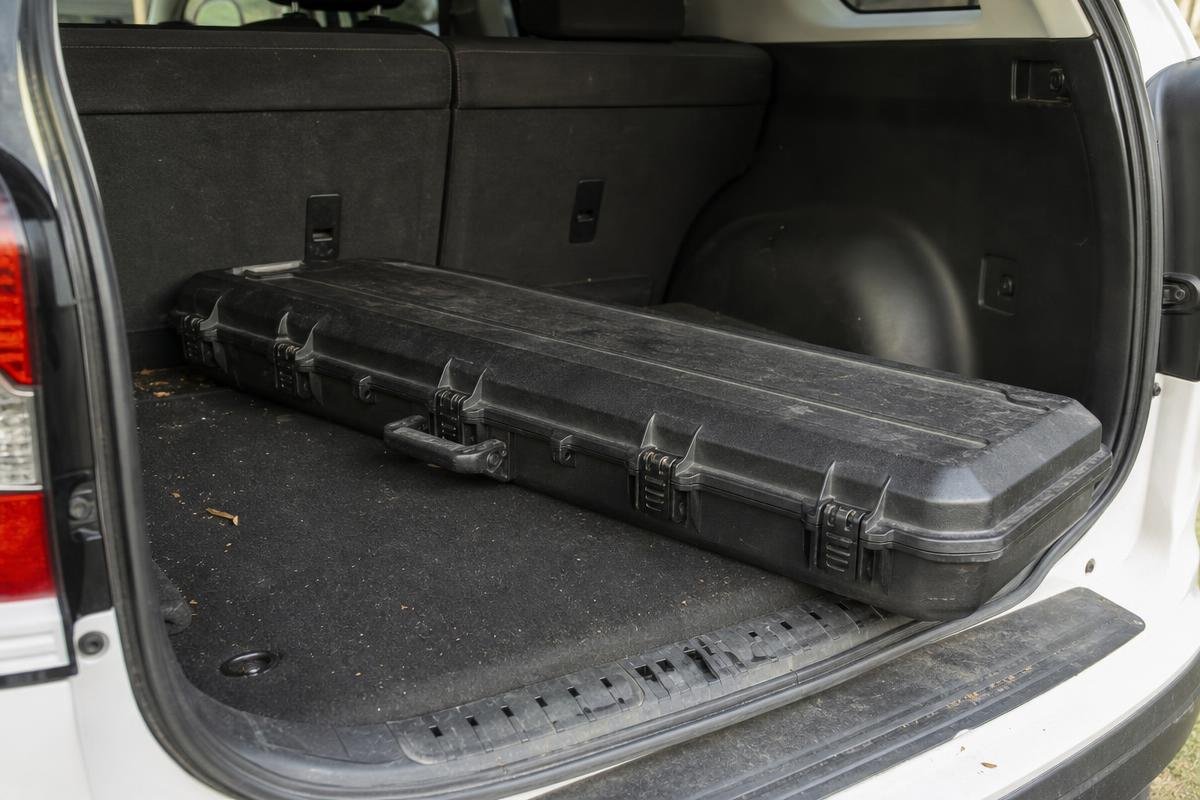
Storage should keep the firearm controlled, protected, and out of casual view during errands, range travel, and longer drives. Texas law determines whether a particular carry method is lawful. A case, lock, or vehicle safe can improve security, but it does not change the legal status of the firearm or override a prohibited-place rule.
Storage Equipment Improves Security, Not Legal Status
A locking console safe can help secure a handgun inside the vehicle. A cable lock, lockable hard case, or secured trunk compartment can reduce theft risk if you must leave the vehicle. When using a vehicle safe, follow the manufacturer’s mounting instructions and verify that it is anchored rather than loose.
Keep firearms from being readily visible to people outside the vehicle. Secure storage does not override possession restrictions, destination rules, or the vehicle plain-view and holster conditions in Section 46.02(a-1).
Fit and Securement for Handguns and Rifles
A handgun case should provide adequate internal space so the pistol, magazine, and lock do not press against the trigger area. Foam padding helps protect the firearm during braking, turns, and rough roads. Lock points can add security, but the case should also be positioned so it will not slide through the vehicle.
Complete rifles need a case matched to the rifle’s overall length, optic height, and magazine configuration. Use tie-down straps or cargo anchors where appropriate so the case cannot move. Do not leave a long gun visible through a window. If you are selecting a full setup, review our AR-15 complete rifles before choosing a case.
Transporting a Separate Upper
You can transport a separate AR upper as a component. Pack it in a padded case or sleeve that protects the muzzle, optic, charging handle, and handguard from shifting against other gear.
The upper alone does not settle the legal question for the complete firearm. Consider the lower receiver, the assembled configuration, and the rules that apply to your route and destination. Our complete AR-15 uppers are useful references when matching case length and padding to a specific barrel and handguard setup.
Need help selecting a rifle, upper, or compatible component? Call our Denison team at (888) 706-0633.
How Vehicle Carry Changes When You Leave the Car
A lawful method of firearm possession during the drive does not automatically allow carry after you park. Rules can change at the door based on the destination, posted notices, the type of property, and whether the person has License to Carry authority.
Plan for the Destination, Not Just the Drive
Decide where the firearm will be before you leave home. A stop at a range, store, medical office, school-related property, public meeting, or government building can create different legal and policy questions. Determine whether lawful carry is permitted at the destination or whether a different plan is required.
Schools, government facilities, courts, and other controlled locations can have separate restrictions. Range trips also require preparation beyond vehicle laws, including the facility’s handling, ammunition, and transport policies. Confirm those rules before loading your AR-15 complete rifle or handgun.
Posted Notices and Private Property Rules
Private-property rules and posted notices matter. A business or property owner may restrict firearms on the premises even if possession in your motor vehicle is otherwise lawful. Texas Penal Code Sections 30.05, 30.06, and 30.07 address certain notice and trespass issues, so read the current statute rather than relying on an old sign guide.
Do not assume a rule that applies inside your vehicle follows you into a store, office, event venue, medical facility, or another private location. If a notice or property policy is unclear, choose another lawful plan rather than guessing.
Make a Storage Decision Before You Leave Home
Make the storage decision before you pull out of the driveway. If the firearm will stay in the car, secure it against unauthorized access and keep it out of view. A locked vehicle alone may not prevent theft, especially during longer stops.
Plan for passengers, parking, and the possibility that you cannot lawfully take the firearm inside. Our team can help with product questions about rifles, uppers, and compatible components, while legal questions should be confirmed with current official sources or qualified counsel.
Traveling from Denison Requires Route-by-Route Planning
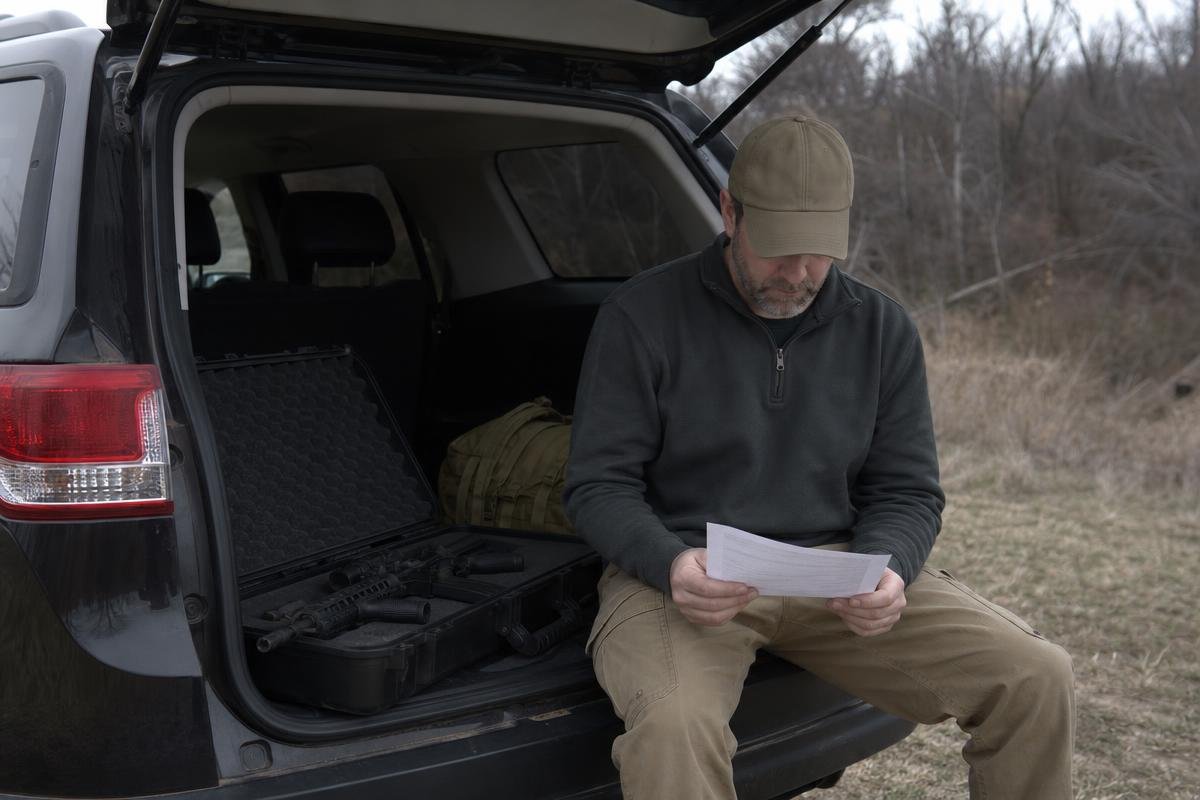
Drivers leaving Denison may cross into Oklahoma quickly by way of U.S. 75, but Texas vehicle rules do not continue across the state line. Before traveling by car with a firearm, plan the full route, including each state, planned stop, and overnight location.
Check Every Jurisdiction on the Route
Each state can set different rules for permits, concealed carry, loaded firearms, long guns, ammunition, ready access, magazine limits, and storage methods. A vehicle setup that is lawful in Texas may not meet another state’s requirements after crossing the border.
Check official statutes, state police guidance, attorney general resources, and current reciprocity information before departure. Review rules for your destination, fuel stops, overnight stays, and alternate route. Do not rely on forum posts or outdated reciprocity maps.
Interstate Transport Protections Have Limits
Federal interstate transport protection under 18 U.S.C. Section 926A is limited and fact-specific. It generally concerns transportation between places where you may lawfully possess and carry the firearm, with the firearm unloaded and inaccessible. It does not eliminate the need to understand laws at stops, destinations, and jurisdictions on the route.
Keep firearms unloaded and secured whenever required by the jurisdictions involved. Confirm the facts through official government sources and speak with qualified legal counsel if the route includes restrictive areas, uncertain overnight stops, or a complex firearm configuration.
AR Configuration and Ammunition Can Add Questions
An AR can raise separate questions beyond ordinary vehicle possession. Caliber, firearm configuration, and magazine limits may be treated differently outside your home state.
Our complete AR-15 uppers can help customers compare configurations, but the owner remains responsible for lawful possession and transport.
Frequently Asked Questions
Vehicle laws can change with your legal status, firearm type, destination, and current statutes. Check current state sources before each trip, especially if you are traveling by car with a firearm beyond state lines.
Can You Have a Loaded Gun in Your Car in Texas?
Whether you may carry a loaded gun in a car in Texas depends on the firearm type, where it is carried, your eligibility to possess it, and current law. Review the applicable statute before driving, since restricted locations and other conditions can change the answer.
Do You Need a License to Carry a Handgun in Your Car in Texas?
Vehicle-carry rules are not identical to every other form of handgun carry. A license may affect carry options in other settings, so verify current requirements before you carry a handgun in your car in Texas.
Does a Handgun Need to Be Concealed in a Vehicle?
Plain-view handgun rules can include a holster condition and other limits. Keep the handgun out of unnecessary view and confirm the current statutory language before relying on any vehicle-carry rule. Storage choices do not replace the need to understand the law that applies to your situation.
Can You Transport a Rifle in Your Car?
Long guns have different practical storage concerns than handguns. Use a case, secure it against movement, and keep it inaccessible to unauthorized passengers. Our AR-15 complete rifles page can help you identify compatible rifle configurations and components.
What Changes When You Cross State Lines?
Each state can set different rules for possession, loaded status, storage, magazines, and carry permits. Research every state on your route, not only your final destination, before crossing a border.
What Should You Do During a Traffic Stop?
Stay calm, keep your hands visible, and follow lawful instructions without sudden movements. Ask before reaching for documents near a firearm, and seek qualified legal guidance about disclosure duties. Need a rifle, upper, or compatible component for your next trip? Contact AR15Parts.com at (888) 706-0633 for product guidance, then verify your specific legal details with current state sources or qualified counsel.
Ready to Get Started with AR15Parts.com?
Call (888) 706-0633 to speak with our team directly. We're ready to answer your questions, walk you through your options, and help you find the right solution for your needs. Whether you're just starting to plan or ready to move forward, we'll make the process simple and stress-free. Reach out today and let's talk about how we can help.