
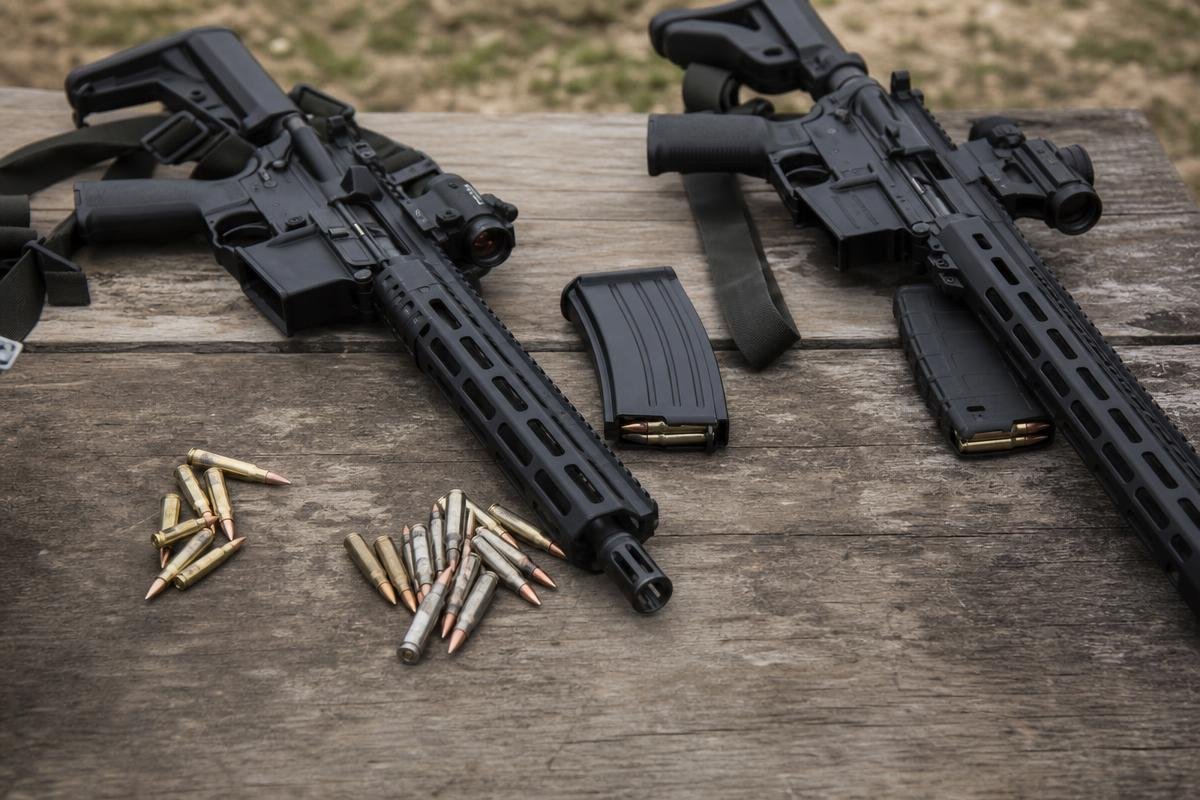
If you are comparing 7.62x39 vs 5.56 for home defense, begin with reliability, ammunition choice, recoil management, and the distances you realistically expect to shoot. Both cartridges work in AR-pattern rifles when the correct parts are matched. We offer AR platform parts and complete upper options that ship from our Denison, TX facility for builders who need help confirming component fit. Need to confirm an upper, bolt, or magazine for your build?
Key Takeaways
- 5.56x45 uses a .224-inch projectile and typically delivers higher velocity with lighter recoil.
- 7.62x39 uses a projectile about .310 to .311 inches in diameter and commonly uses heavier bullets at lower velocities.
- For home defense, bullet construction, reliable function, recoil control, and safe backstop considerations matter more than caliber labels alone.
- Both cartridges can run on a standard AR-15 lower, but 7.62x39 requires a cartridge-specific barrel, bolt, and dedicated magazines.
- For hunting, match the cartridge and hunting load to the game, expected distance, and applicable regulations.
7.62x39 Vs 5.56: Side-By-Side Cartridge Comparison
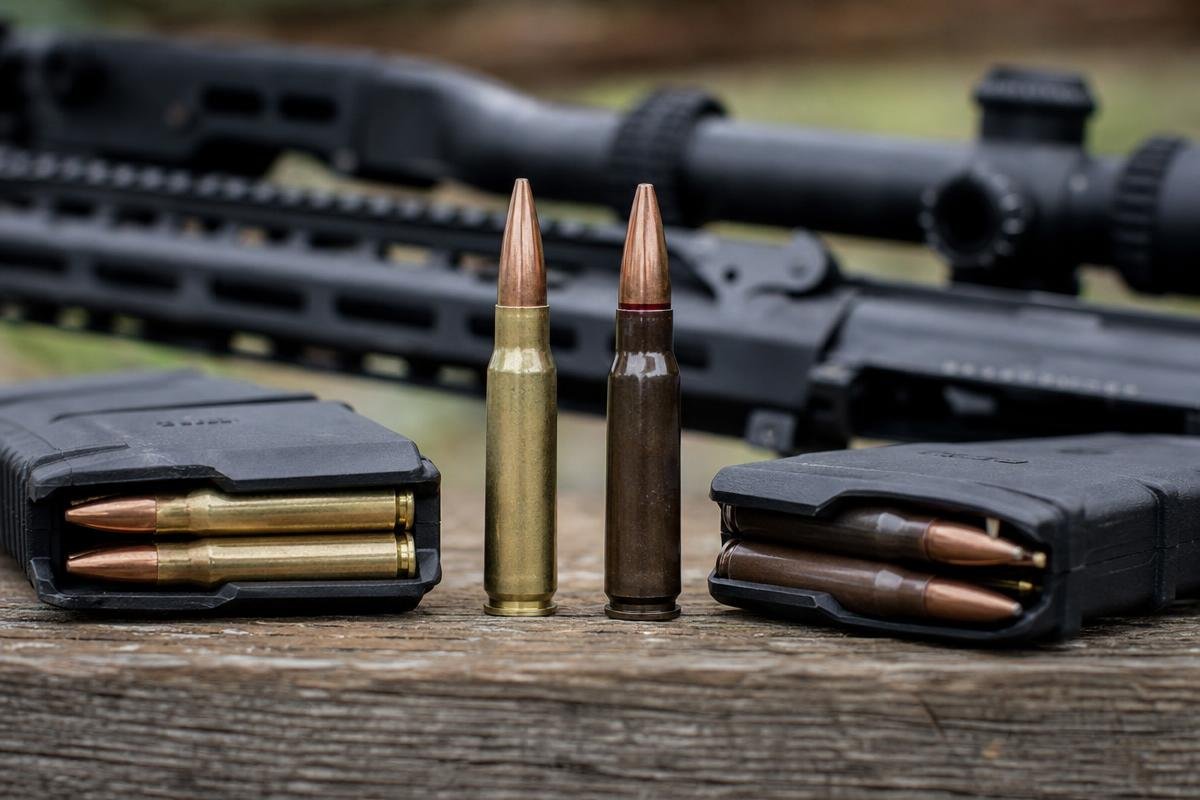
In a direct 7.62x39 vs. 5.56 comparison, 5.56x45 uses a .224-inch projectile while 7.62x39 uses a projectile about .310 to .311 inches in diameter. Their different case shapes, bullet weights, velocities, and operating requirements affect both rifle handling and the parts needed for a dependable AR build.
| Factor | 5.56x45 | 7.62x39 |
|---|---|---|
| Projectile diameter | .224 inch | .310 to .311 inches |
| Common bullet weights | About 40 to 77 grains | About 122 to 154 grains |
| Velocity trend | Lighter bullets at higher velocity | Heavier bullets at lower velocity |
| Practical handling | Usually lighter recoil in similar rifles | Usually more recoil impulse in similar rifles |
| Magazine pattern | Standard AR-15 pattern magazines | Dedicated curved 7.62x39 magazines |
| AR requirements | Standard 5.56 bolt and barrel | Dedicated bolt face, barrel, and magazines |
Cartridge Dimensions, Bullet Weights, and Velocity Trends
Factory loads vary widely, but the general pattern is clear. A common 55-grain 5.56 load typically runs faster than a common 123-grain 7.62x39 load from a comparable barrel. Published velocity figures are manufacturer-specific, so compare the same load type from similar barrel lengths.
The heavier 7.62x39 projectile generally carries greater momentum at the muzzle, while 5.56 commonly produces its energy through higher velocity. Momentum can affect recoil and how a rifle feels during rapid fire, but it does not predict terminal performance, barrier behavior, or penetration by itself. Projectile design and impact velocity are decisive.
For a standard-pattern build, our 5.56 NATO complete upper receivers offer a straightforward starting point with commonly available AR-15 magazines and bolts. We also offer 7.62x39 complete uppers for cartridge-specific builds.
What Recoil and Momentum Mean for Practical Rifle Handling
In similar lightweight rifles, 7.62x39 usually produces more recoil than 5.56. The difference is not extreme for every shooter, but lighter recoil can make it easier to maintain sight alignment and deliver controlled follow-up shots, particularly during longer practice sessions.
Rifle weight, stock fit, muzzle device, ammunition, and shooting position all influence felt recoil. For either cartridge, practice with the exact magazines and load you intend to use. A 7.62x39 AR is especially dependent on the barrel, bolt, extractor, and magazine working together as a system.
How Do 5.56 and 7.62x39 Behave in an AR-15 Platform?
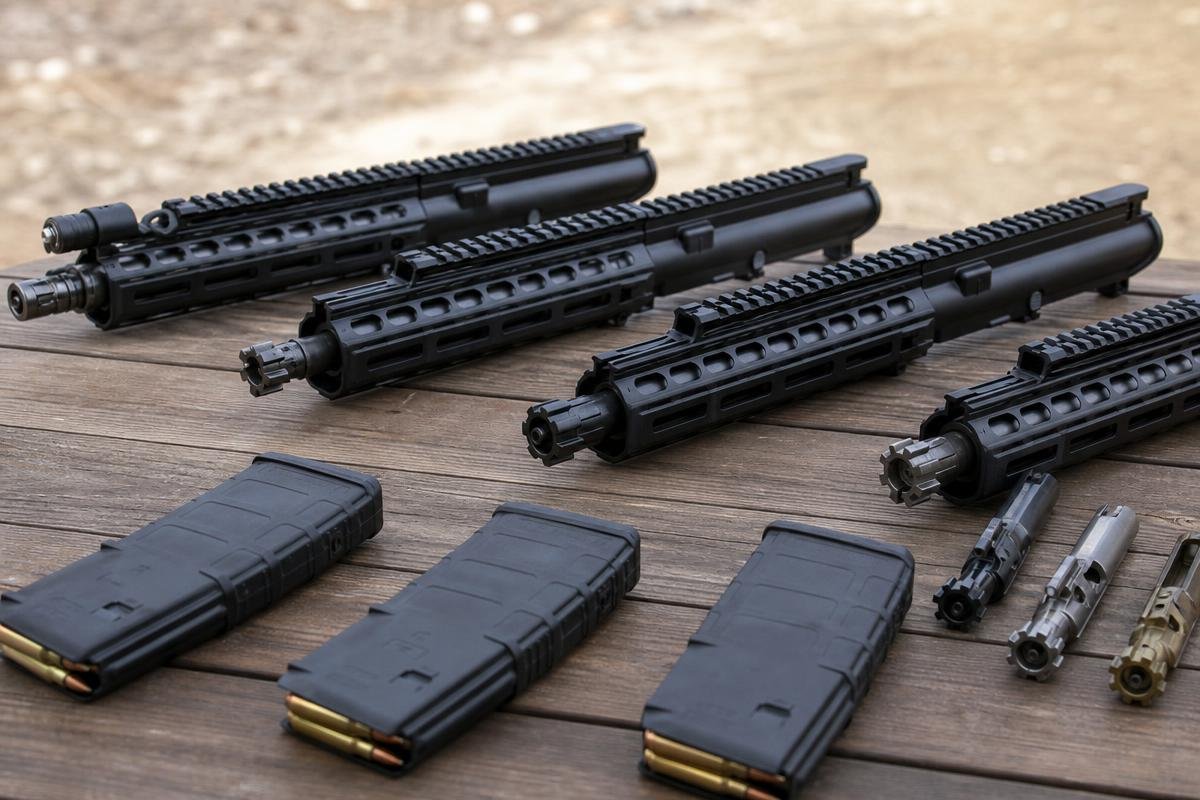
Yes, a standard mil-spec AR-15 lower can generally accept either a 5.56 or 7.62x39 upper. The important difference is above the receiver: a 7.62x39 upper needs a dedicated barrel, correctly sized bolt face, and magazines designed for its more tapered cartridge case. A 5.56 upper uses standard 5.56-pattern components.
What Changes Between a 5.56 Upper and a 7.62x39 Upper
The 7.62x39 AR upper vs. 5.56 upper decision starts with the chamber and bolt face. A 5.56 barrel uses a 5.56 NATO chamber and standard 5.56 bolt dimensions. A 7.62x39 build needs a 7.62x39 barrel and bolt with the correct bolt-face dimensions for that cartridge.
Magazine choice matters more with 7.62x39 because its tapered case requires different feed geometry. Dedicated magazines help cartridges stack, feed, and present correctly at the chamber. Do not use standard 5.56 magazines for 7.62x39 ammunition. Before relying on a new setup, test several properly matched magazines with your chosen ammunition.
Complete uppers reduce matching uncertainty because the barrel, gas system, upper receiver, and bolt are selected as one assembly. If you are assembling from individual components, confirm bolt-face dimensions, extractor fit, barrel extension, gas-system setup, and magazine compatibility before installation.
Choosing a cartridge-specific upper? Ask a parts specialist to help confirm fitment with your lower, bolt, and magazines.
Barrel Length and Gas-System Choices
Barrel length changes velocity, balance, muzzle blast, and handling. A longer barrel generally provides more velocity with either cartridge. Shorter barrels can be easier to maneuver, but they create more blast and reduce velocity, which can matter when a particular bullet has a stated minimum expansion velocity.
Gas-system length controls dwell time, the period after the bullet passes the gas port before it exits the muzzle. Too little dwell time can contribute to weak cycling, while excessive gas can increase bolt speed, recoil impulse, and wear. Carbine, mid-length, and rifle-length systems must be matched to barrel length, gas-port sizing, buffer setup, and the ammunition you actually use.
If you are selecting parts for a first build, begin with complete AR uppers in multiple calibers and confirm that your lower, magazines, ammunition, and chambering all match.
Is 5.56 or 7.62x39 Better for Home Defense?
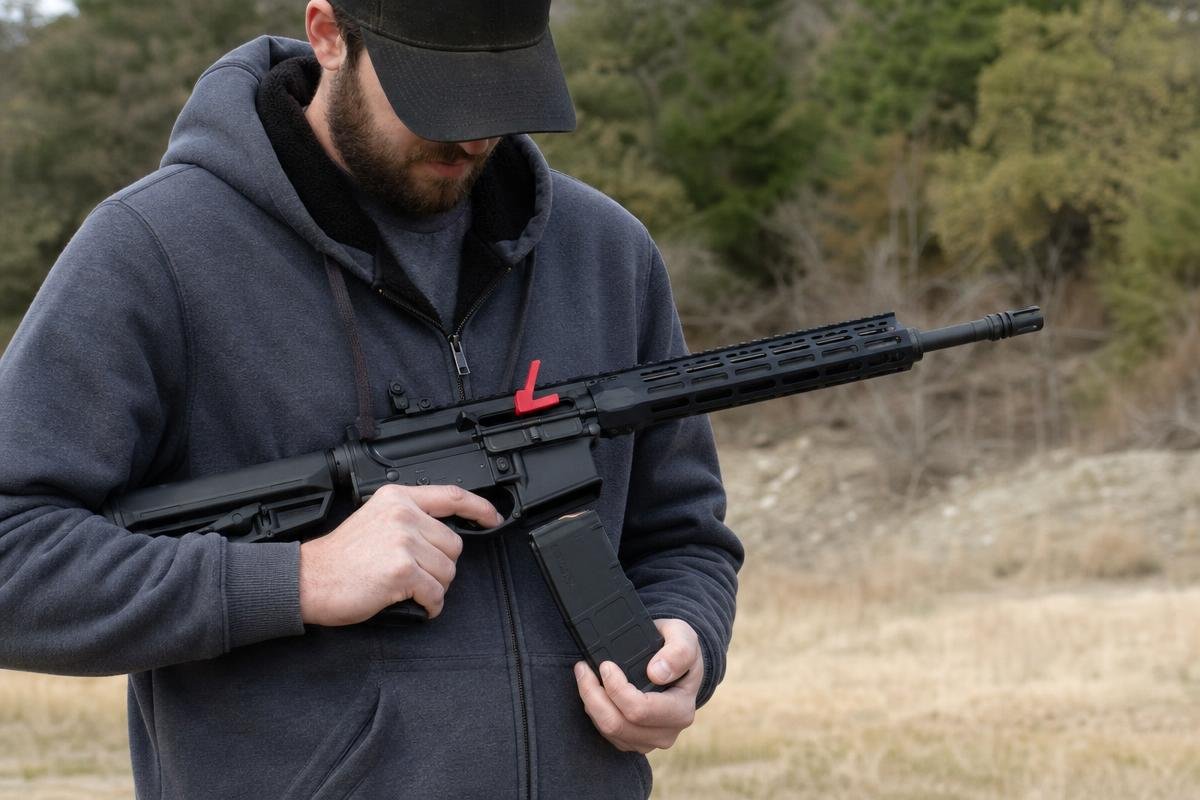
Neither cartridge is automatically better for home defense. For most AR owners, 5.56 is often easier to manage because of its lighter recoil and common magazine pattern, while 7.62x39 can be a workable choice when a rifle is built and tested with dependable cartridge-specific magazines and bolts. In either case, the specific load, reliable function, safe storage, and awareness of what is beyond the target are more important than muzzle energy alone.
Penetration Depends on More Than Caliber
Caliber alone does not determine indoor penetration risk. Bullet construction, impact velocity, barrel length, intermediate barriers, angle of impact, and the materials in a home all affect what happens after a shot. A heavier bullet or greater momentum does not automatically mean more or less penetration through a particular barrier.
A .224-inch 5.56 projectile and a 7.62x39 projectile about .310 to .311 inches in diameter can perform very differently depending on whether the load uses a full-metal-jacket, soft-point, bonded, hollow-point, or other projectile design. Review ammunition maker test data for the exact load, understand the test media and barrel length used, and confirm reliable function and point of impact at a lawful range. Maintain a safe backstop during all testing.
Reliability, Recoil, and Safe Storage Matter
Recoil and muzzle blast affect practical control because they influence sight recovery and follow-up shots. A 5.56 setup generally produces less recoil, but rifle weight, muzzle device, barrel length, ammunition, and shooter experience affect both cartridges.
Before relying on a new configuration, inspect the bolt and extractor, confirm proper lubrication, check each magazine, and test the exact ammunition intended for the rifle. A complete upper can provide a matched starting point, but every assembled rifle still needs a careful function check with its own magazines and load.
Store the rifle securely and verify its chamber condition and magazine status every time it is handled. Independently confirm applicable federal, state, and local rules before making decisions about storage, transport, or defensive use.
We ship from our facility at 4000 Texoma Pkwy, Denison, TX 75020. If you need help matching an upper to your build, contact our team at (888) 706-0633.
Choosing Between 7.62x39 and 5.56 for Hunting Builds
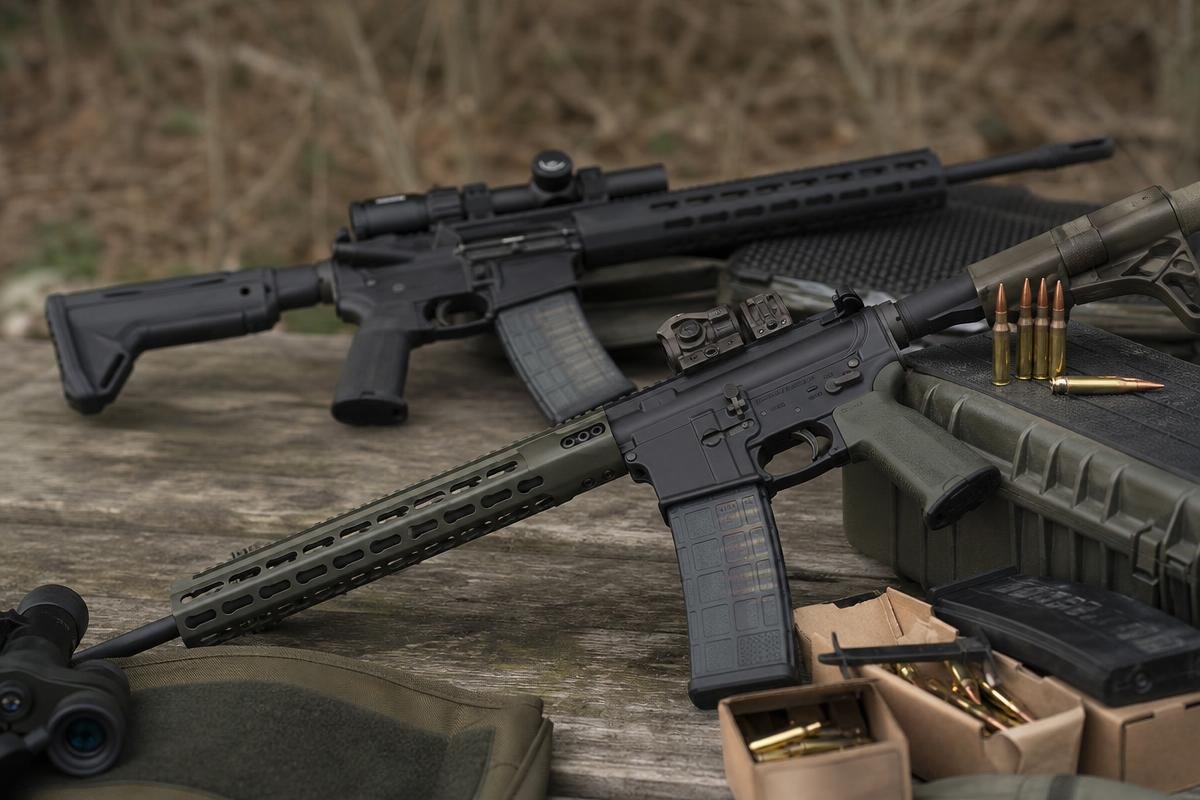
For hunting, choose the cartridge and load around the game you pursue, expected shot distance, field conditions, and the bullet's intended performance window. 7.62x39 is commonly considered for close-to-medium-range use with heavier hunting bullets about .310 to .311 inches in diameter, while 5.56 is often selected for lighter recoil and flatter trajectory with suitable .224-inch hunting loads. Neither chambering replaces ethical shot selection, a confirmed zero, and a clear understanding of current regulations.
Game, Distance, and Bullet Construction
For smaller game and predator hunting where lawful, many hunters prioritize a flat-shooting load, manageable recoil, and enough accuracy to place shots precisely. For larger game, cartridge legality, bullet construction, expected impact velocity, realistic range, and the hunter's ability to make an ethical shot require closer consideration. Do not choose a cartridge for a hunt based on caliber diameter or energy figures alone.
Use a purpose-built hunting projectile rather than assuming inexpensive range ammunition will perform appropriately on game. Check the ammunition manufacturer's stated use and velocity guidance, then verify your zero with the exact load you plan to carry. A bullet that expands at one distance may behave differently after velocity falls at longer range.
Texas hunting rules can change by species, season, property, and method of take. Review current Texas Parks and Wildlife regulations, landowner requirements, and any destination-state rules before hunting. In North Texas brush, timber edges, and open fields can also change realistic visibility and shot distance, so choose a range limit you can support with practice.
Quick Best-For Summary
- Choose 5.56 if you want lighter recoil, higher velocity trends, flatter trajectory, and broad AR-15 parts and magazine availability.
- Choose 7.62x39 if you prefer a heavier, wider projectile for close-to-medium-range hunting considerations and are prepared to use dependable cartridge-specific magazines and bolt components.
- Choose either carefully by matching the barrel, bolt, magazines, ammunition, confirmed zero, intended game, and realistic distance to your intended use.
Start with the chambering your build supports correctly. We carry 5.56 NATO complete upper receivers for common AR-15 configurations, along with multi-caliber upper options for planned builds. Need help matching an upper and parts to your hunting build? Call (888) 706-0633.
Build Planning: Parts That Must Match Your Chosen Cartridge
Core caliber parts must match before you choose furniture or optics. A standard AR-15 lower can support either cartridge if the upper is built for that receiver pattern, but the barrel, bolt, and magazine must match the selected chambering.
Complete Upper or Parts Build?
A complete upper makes the 7.62x39 AR upper vs. 5.56 upper decision simpler. The barrel, upper receiver, gas system, and bolt are selected as one assembly, which removes several fitment questions before the upper is ready to install on your lower.
A parts build gives you more control over barrel length, handguard, gas system, and other features, but every caliber-specific part needs confirmation before assembly. Pay particular attention to the 7.62x39 bolt, extractor, and magazine relationship, because the cartridge's case taper makes correct feed geometry especially important.
Compatibility Checklist Before You Buy
For a 7.62x39 vs. 5.56 build, confirm these parts together before placing an order:
- Chambering and barrel extension
- Correct bolt face and extractor setup
- Magazine type matched to the cartridge
- Gas-system length and gas-port configuration
- Muzzle-thread pattern for the barrel
- Ammunition that matches the marked chamber
Do not treat a bolt carrier group coating as a substitute for correct fitment. Nitride, phosphate, and other finishes affect cleaning and maintenance needs. They do not change bolt-face dimensions, extractor geometry, or magazine compatibility.
Once the barrel, bolt, and magazine are matched, set up the rifle around how you handle it. Stock fit and length of pull affect shoulder position. Handguard mounting and barrel-contact clearance matter if you add lights, bipods, or a sling mount. Test the finished configuration safely before relying on it in the field or at home.
A Denison Starting Point for Choosing Your Next AR Build
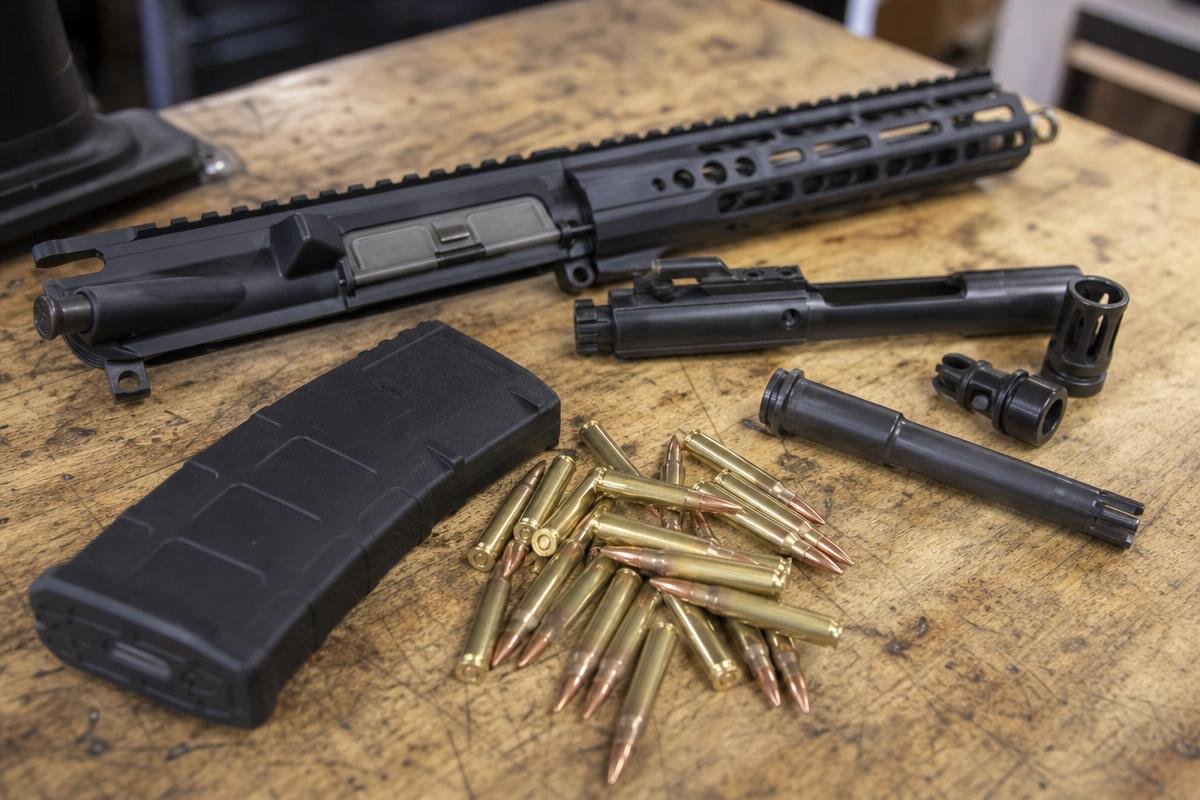
We ship from our facility at 4000 Texoma Pkwy, Denison, TX 75020. Start with your intended distance and cartridge, then choose a complete upper or a parts build that matches it.
Use a Cartridge and Compatibility Checklist
A 7.62x39 AR upper vs. 5.56 upper decision should include more than bullet weight and energy. Compare ammunition availability, intended use, realistic distance, barrel length, magazine reliability, suppressor requirements where applicable, and whether a complete-upper or parts-build path best fits your experience level.
- Confirm barrel chambering matches your ammunition.
- Match bolt, bolt carrier group, and magazines to the selected cartridge.
- Choose a complete upper if you want a ready-to-drop-onto-your-lower assembly.
- Confirm applicable federal, state, and local rules independently.
Our complete AR uppers in multiple calibers provide a practical starting point for a matched configuration. Any new configuration should be safely tested at the range before you rely on it.
Ask About Product Fit Before Ordering
Product fit questions are easier to resolve before parts arrive. If you need help matching an upper, magazine, or lower receiver, contact our team at (888) 706-0633 or use our contact form. We can help you identify compatible product options, but final assembly, safe operation, and legal compliance remain your responsibility.
Frequently Asked Questions
Is 7.62x39 More Powerful Than 5.56?
Usually, 7.62x39 carries more bullet weight and muzzle energy than 5.56. That does not automatically make it more effective in every situation. 7.62x39 vs 5.56 ballistics depend on the load, barrel length, velocity, and impact conditions.
Can a Standard AR-15 Lower Run Both Calibers?
Yes, a standard mil-spec AR-15 lower can generally run either a 5.56 or 7.62x39 upper. Each upper needs its matching barrel, bolt, and magazines. A 7.62x39 build also needs magazines made for its wider, more tapered cartridge case.
Which Cartridge Is Better for Hunting?
Neither cartridge is universally better for hunting. Your intended game, distance, bullet construction, and local rules should drive the choice. For 7.62x39 vs 5.56 hunting, select an appropriate hunting load and independently verify current applicable rules before heading afield.
What Should I Check Before Buying a Complete Upper?
Confirm the chambering first, then check barrel length, gas-system length, bolt compatibility, magazine type, muzzle threads, and lower-receiver pattern. Those details prevent mismatched parts and feeding problems. For 5.56 vs 7.62x39 home defense, also confirm your chosen ammunition functions reliably in your assembled rifle.
Compare complete AR uppers in multiple calibers, then contact AR15Parts.com at (888) 706-0633 if you need help confirming chambering, magazine type, and component fit before ordering.
Do 7.62x39 and 5.56 Use the Same Magazines?
No. The tapered 7.62x39 case requires dedicated magazines with the correct feed geometry. Use standard 5.56-pattern magazines only with the matching 5.56 setup.
Which Cartridge Has Less Recoil?
5.56 generally produces less recoil than 7.62x39 in similarly configured rifles. Rifle weight, barrel length, muzzle device, ammunition, and shooter fit still affect felt recoil.
Ready to Get Started with AR15Parts.com?
Call (888) 706-0633 to speak with our team directly. We're ready to answer your questions, walk you through your options, and help you find the right solution for your needs. Whether you're just starting to plan or ready to move forward, we'll make the process simple and stress-free. Reach out today and let's talk about how we can help.