
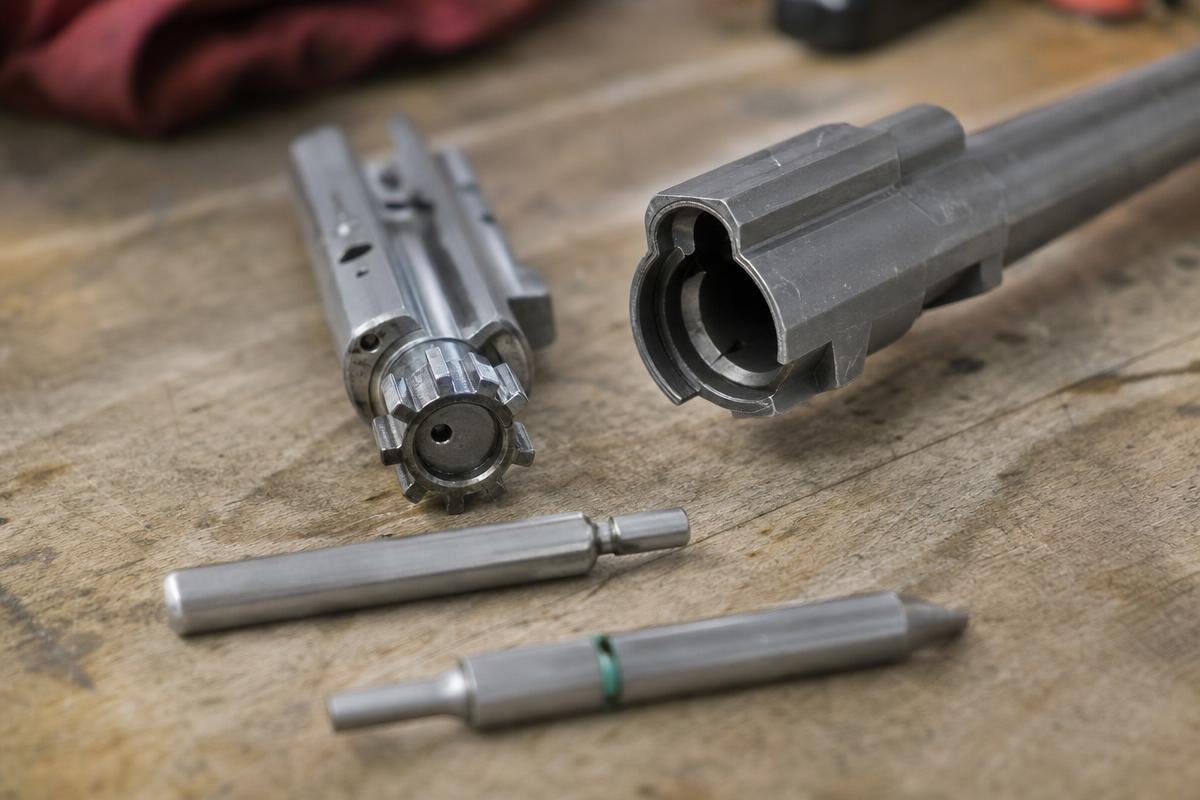
Checking AR-15 headspace is a critical safety step that confirms the relationship between the bolt face and the chamber shoulder is within the applicable specification. For new builders, the important rule is simple: match the barrel chamber, bolt, cartridge, and gauges, then stop and seek qualified inspection if any result is unclear. AR15Parts.com ships from our facility at 4000 Texoma Pkwy, Denison, TX 75020. Need help selecting compatible AR-15 parts for your build?
Key Takeaways
- AR-15 headspace is the controlled distance between the bolt face and the cartridge chamber datum.
- Correct headspace supports safe chambering, firing, extraction, and consistent brass case life.
- Go, No-Go, and Field gauges each check a different limit within a specific gauge system.
- Match the gauge to the barrel’s chamber marking and follow both the gauge maker’s and barrel manufacturer’s instructions.
Why AR-15 Headspace Matters Before Your First Range Trip
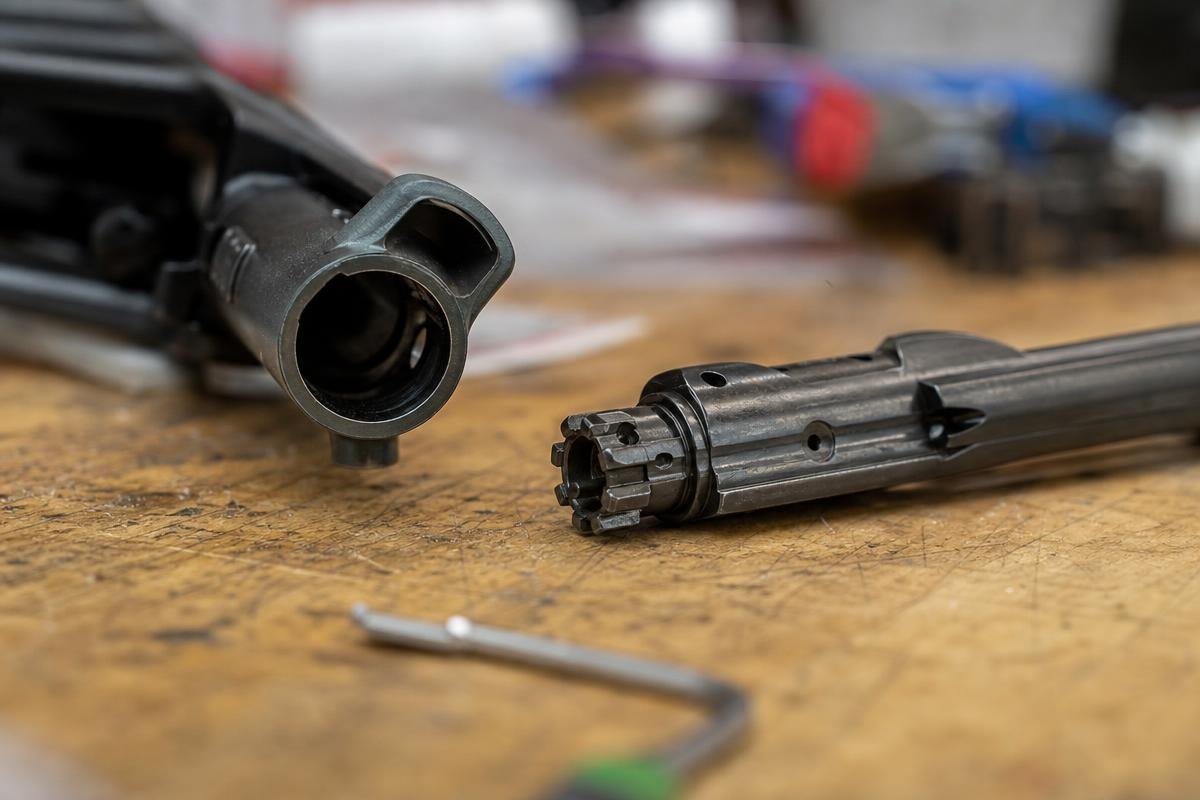
A new barrel and bolt may fit together, but physical fit does not by itself prove safe headspace. In beginner terms, AR-15 headspace is the bolt-face-to-chamber-datum relationship that controls how a bottleneck cartridge is supported when the bolt is locked.
Mixed components can appear compatible and still require verification. Below, we cover gauge readings, chamber markings, warning signs, bolt and barrel compatibility, and when an uncertain result belongs with a qualified gunsmith rather than at the range.
For builders who prefer to avoid sourcing separate upper components, complete AR-15 uppers provide an assembled option. Always inspect the firearm and follow applicable manufacturer instructions before use.
What Is AR-15 Headspace?
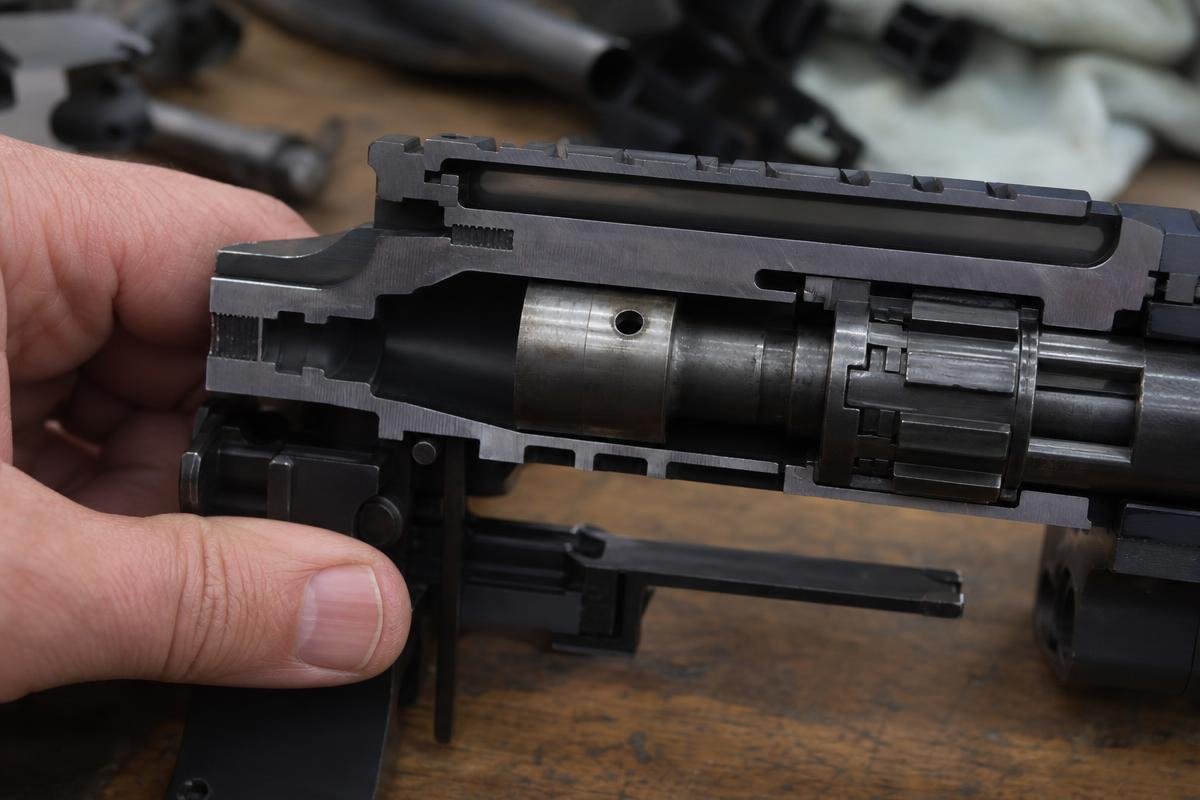
AR-15 headspace is the controlled distance from the bolt face to the chamber reference point when the bolt is fully locked. For bottleneck rifle cartridges, including .223 Remington and 5.56 NATO, that reference is the chamber shoulder datum point. It determines how the cartridge sits in the chamber before firing.
The Cartridge Shoulder Sets the Reference Point
.223 Remington and 5.56 NATO cartridges headspace on the case shoulder, not the case mouth. The shoulder contacts the matching area inside the chamber and limits forward cartridge movement as the bolt closes.
That is why headspace is measured between the bolt face and chamber shoulder. The barrel extension and bolt must lock together, but chamber dimensions establish cartridge position. Bolt construction, lug engagement, and chamber measurement are related, but they are not the same check.
What Happens When Headspace Is Too Short or Too Long
Headspace that is too short can prevent full bolt closure. It may also contribute to difficult extraction because the fired case has insufficient chamber clearance.
Headspace that is too long can allow excess cartridge movement before firing. That may increase case stretching near the web and can create an unsafe firing condition. Gauge results, not fired brass or hand cycling, are the proper way to evaluate the bolt-and-barrel relationship.
Locking Lugs Do Not Prove Headspace Is Correct
A bolt can rotate into the barrel extension and still have an incorrect headspace relationship. Locking lugs confirm engagement between the bolt and barrel extension, not the distance from the bolt face to the chamber shoulder.
Do not rely on visual inspection, hand cycling, or a live cartridge to read chamber dimensions. Use correctly matched gauges when combining a separate barrel and bolt. If you need help sorting out parts information, contact AR15Parts.com for product-selection support.
Do You Need to Check Headspace on a New AR-15?
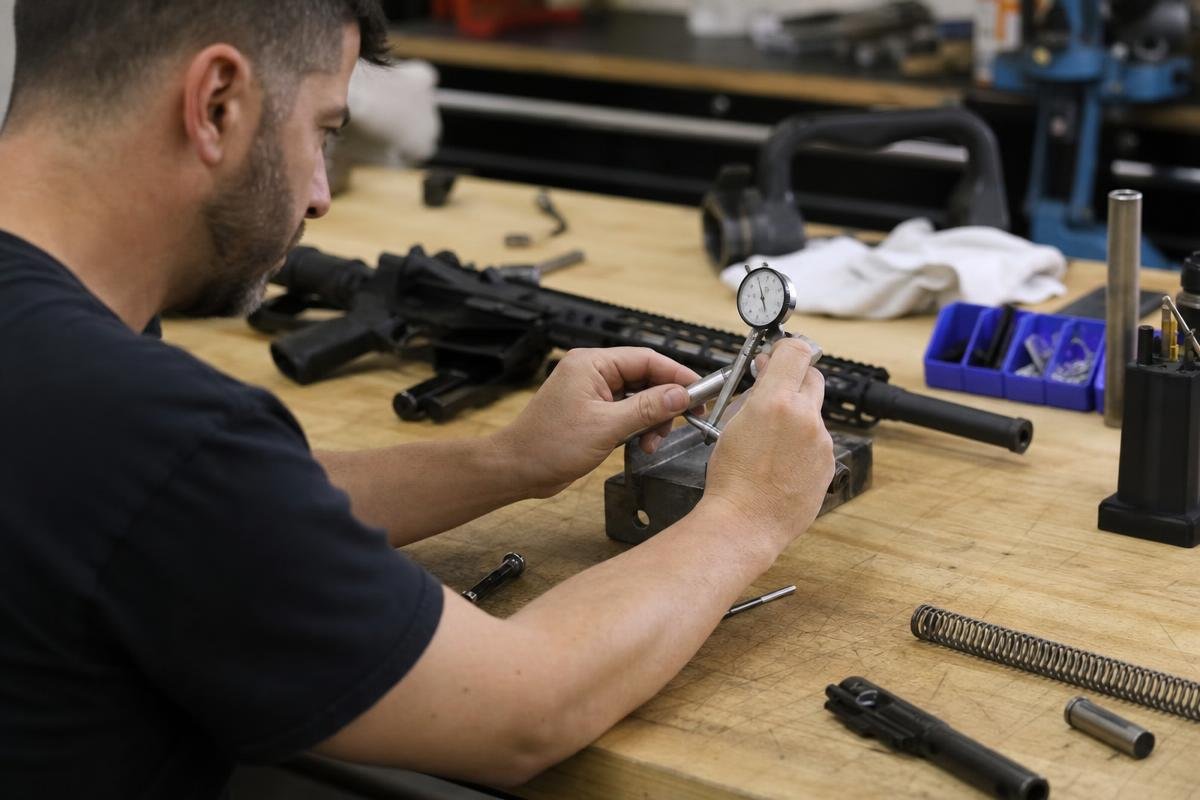
Yes, a headspace check is prudent whenever the bolt and barrel have not been verified together, particularly with mixed, replacement, used, or unknown-history components. New parts may be produced to compatible standards, but gauges directly evaluate the assembled bolt and chamber relationship before live fire.
New Parts Can Be Made to Standard, but Gauges Verify the Assembly
Brand-new bolts and barrels from reputable makers are commonly produced within specification. That does not guarantee every bolt-and-barrel combination will produce the same gauge result after assembly.
Remove the extractor and ejector when the gauge maker directs you to do so, then follow that maker’s procedure exactly. A Go gauge result, No-Go gauge result, and Field gauge result must be interpreted according to the stated chamber and gauge standard, not as a universal pass-or-fail rule.
Used and Mixed Components Need Extra Caution
Used bolts, replacement bolts, surplus parts, and barrels with unknown history should be checked before firing. Wear, prior fitting, damaged lugs, or mixed-source tolerances can affect the finished assembly.
Keep barrel markings, packaging, receipts, and manufacturer documentation together as parts are collected. If the chamber marking cannot be confirmed or the gauge result is uncertain, do not fire the rifle until a qualified gunsmith or the relevant manufacturer evaluates it.
How Complete Uppers Reduce Assembly Variables
Complete AR-15 uppers reduce assembly variables because the upper, barrel, barrel extension, and bolt carrier group are supplied as an assembled configuration. They can be a practical option for a first build when you do not want to source each component separately.
An assembled upper still needs a basic inspection, and manufacturer instructions should be followed before use. Confirm the bolt carrier group is appropriate for the chambering, inspect the barrel extension and locking lugs, and ensure the rifle is assembled correctly.
How Do Go, No-Go, and Field Gauges Read an AR-15 Chamber?

Go, No-Go, and Field gauges are precision reference tools that test specific chamber-length limits within a stated gauge system. Use gauges intended for your exact chamber specification, clean the chamber, follow the gauge maker’s extractor and ejector instructions, and use only gentle hand pressure. Never force a bolt closed on a gauge.
What a Go Gauge Tells You
A Go gauge represents the minimum acceptable chamber dimension for the cartridge specification and gauge standard marked on that tool. A properly matched stripped bolt should close on the Go gauge with light hand pressure. This indicates the chamber is not too short at that reference point.
Use gauges approved for the barrel’s marked chamber by the barrel and gauge manufacturers. Do not assume gauges are interchangeable without confirming both manufacturers’ specifications.
What Does It Mean If an AR-15 Closes on a No-Go Gauge?
Closure on a No-Go gauge warrants further evaluation, but it is not a universal diagnosis by itself. No-Go dimensions vary by gauge system and chamber specification, so confirm the gauge, barrel marking, bolt condition, and published manufacturer guidance before deciding what the result means.
Extractor and ejector removal prevents spring pressure from masking the feel of bolt contact. Work with a clean chamber and bolt, use light finger pressure only, and do not attempt to correct a result by forcing the bolt. If the bolt closes on a correctly matched No-Go gauge, stop and have the barrel, bolt, and gauge specifications reviewed.
When a Field Gauge Belongs in the Check
A Field gauge represents a serviceability limit, rather than the same limit tested by a No-Go gauge. It is commonly used for rifles with firing wear, replacement parts, or unknown history. Closure on a properly matched Field gauge is a stop-and-inspect condition.
Two-piece gauge sets may cover basic Go and No-Go checks, while three-piece sets add a Field gauge for service inspections. Follow the barrel manufacturer’s and gauge maker’s instructions. If you do not have clear documentation or cannot interpret the result, have a qualified gunsmith inspect the firearm.
5.56 NATO, .223 Remington, and .223 Wylde Measurements Need Context
Gauge selection must match both the barrel’s stated chamber and the gauge manufacturer’s standard. Use only gauges and procedures that the specific barrel and gauge manufacturers identify as compatible. Do not use a commonly repeated measurement as a home-fitting target.
Match the Gauge to the Barrel Marking
Use only gauges and procedures that the specific barrel and gauge manufacturers identify as compatible. Start with the barrel marking, then consult barrel documentation and the gauge manufacturer’s instructions before testing.
A .223 Wylde barrel should be checked only with gauges and procedures that the barrel and gauge manufacturers identify as compatible. Our .223 Wylde complete uppers are an assembled option for builders who prefer not to mix unknown barrel and bolt parts.
How to Read Commonly Cited 5.56 NATO References
Published headspace values vary by chamber standard and gauge system. Follow the barrel and gauge manufacturers’ instructions, and do not ream, file, alter the chamber, or attempt home fitting based on an uncited measurement.
Do not assume a bolt that closes on one gauge is ready for every barrel. Read the complete gauge instructions, including Go, No-Go, and Field guidance, and compare them with the barrel manufacturer’s stated chamber information before deciding whether the rifle should be fired.
Temperature, Cleanliness, and Measurement Consistency
Precision checks are most consistent when the chamber, bolt, and gauges are clean and handled in a stable workspace. North Texas summer heat can make a garage bench uncomfortable, so a clean, room-temperature work area is preferable for careful inspection.
Remove oil, carbon, brass shavings, and debris before gauging. Temperature and cleanliness are reasons to control the inspection environment, not reasons to alter firearm parts.
Need help matching a barrel, bolt, and gauge standard? Call us at (888) 706-0633.
Short Headspace Symptoms and the Point Where You Should Stop
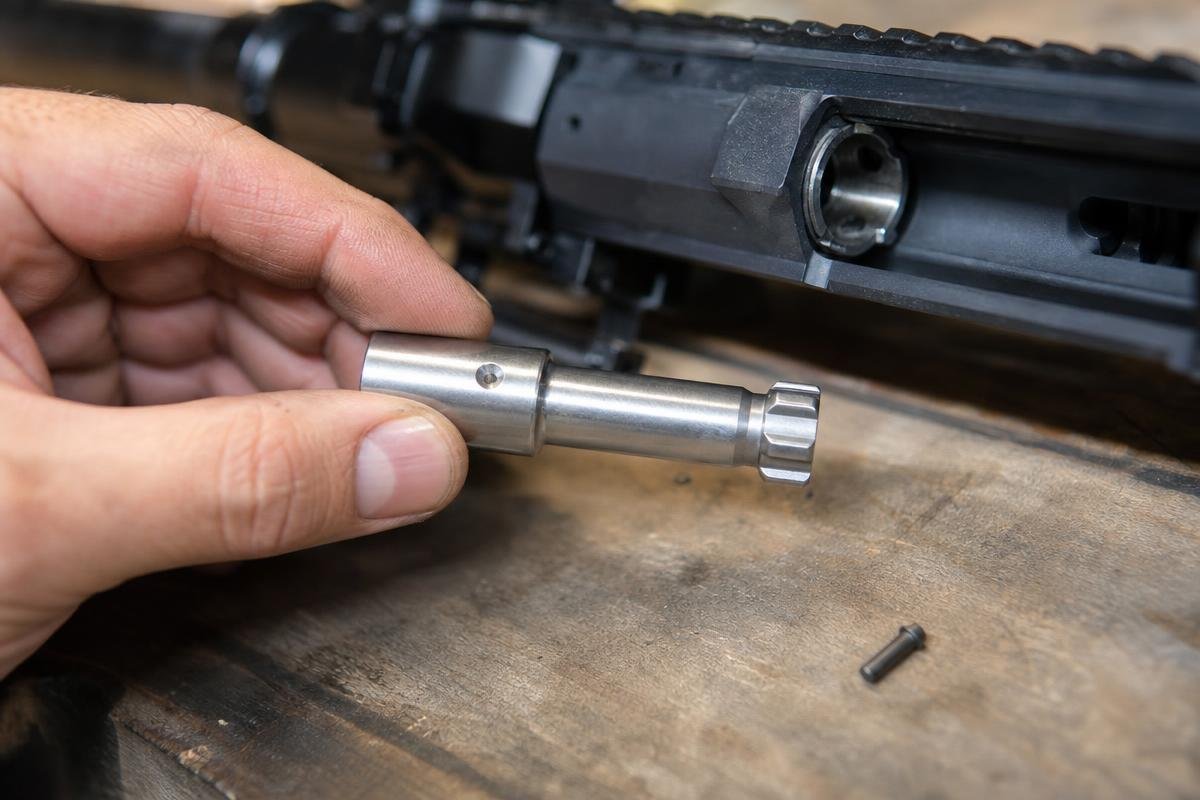
Short headspace should not be diagnosed by feel, fired brass, or a live-fire test. A failure to close on a correctly matched Go gauge is a stop signal. First confirm the chamber marking, gauge standard, and cleaning procedure, then seek qualified evaluation if the result remains unclear.
A Go Gauge Failure Is a Stop Signal
If the bolt will not close on the correct Go gauge, stop work. Do not force the bolt closed with the charging handle, forward assist, or added pressure.
Confirm the barrel chamber marking and verify that your AR-15 Go and No-Go gauge matches that chamber. Clean the chamber first with appropriate cleaning tools and AR-15 parts, but do not treat cleaning as proof that a failed gauge result is fixed.
Difficult Extraction Has More Than One Possible Cause
Difficult extraction can be associated with inadequate chamber clearance, but it cannot prove short headspace by itself. Fouling, ammunition dimensions, extractor condition, chamber finish, and gas timing can also contribute to a stuck case or hard extraction.
Do not diagnose headspace from fired brass alone. Do not fire a rifle merely to see whether it works, especially after an unclear gauge result.
A Safe Next-Step Sequence Before Any Live Fire
Knowing how to check AR-15 headspace means following the same sequence every time:
- Verify the barrel chamber marking.
- Confirm the gauge is correct for that chamber and gauge standard.
- Clean the chamber and bolt locking area.
- Repeat the gauge procedure without forcing the bolt.
- Contact a qualified gunsmith or the component manufacturer if results remain unclear.
A barrel and bolt with an unclear or failed gauge check should not be fired. If you need help identifying compatible replacement components, review our AR-15 upper options or contact our team before continuing the build.
Choose Compatible Barrels, Bolts, and Uppers Before the Build Starts
Parts bought across several orders can still make a sound build when you track what belongs together. Keep barrel markings, packaging, receipts, and manufacturer documentation available before final assembly and inspection.
Which Parts Actually Affect Headspace
Headspace comes from the relationship between the chambered barrel, barrel extension, and bolt locking lugs. Your upper receiver holds the assembly in alignment, but it does not establish chamber headspace by itself.
A barrel and bolt from reputable makers are often made to standard dimensions, but that is not a substitute for inspection. Use the correct AR-15 headspace gauges for your chamber and cartridge when parts are mixed, replaced, or have unknown history.
Gas System Length Affects Cycling, Not Chamber Headspace
Gas system length does not change headspace. Carbine, mid-length, and rifle-length systems affect gas timing and cycling behavior, while chamber dimensions remain a barrel and bolt issue. A correctly sized gas port can improve function, but it cannot prove a bolt will close correctly on a gauge. Do not use ejection pattern, recoil feel, or bolt movement as a substitute for a chamber check.
Cartridge-Specific Uppers Need Matching Components
Cartridge choice determines more than ammunition. A 300 Blackout barrel uses a .30-caliber bore and shares the same bolt face as 5.56 NATO because the cartridges have the same case head; 300 Blackout complete uppers keep those matched parts together.
Larger-bore and specialty cartridges may need a different bolt face, extractor, barrel extension, and magazine setup. For example, 338 ARC complete uppers remove guesswork by pairing cartridge-specific components before they reach your bench.
The practical lesson for new builders is to match components by chamber and bolt specification first, then verify the finished barrel-and-bolt relationship before firing.
Sourcing Matched AR-15 Parts for Your Build
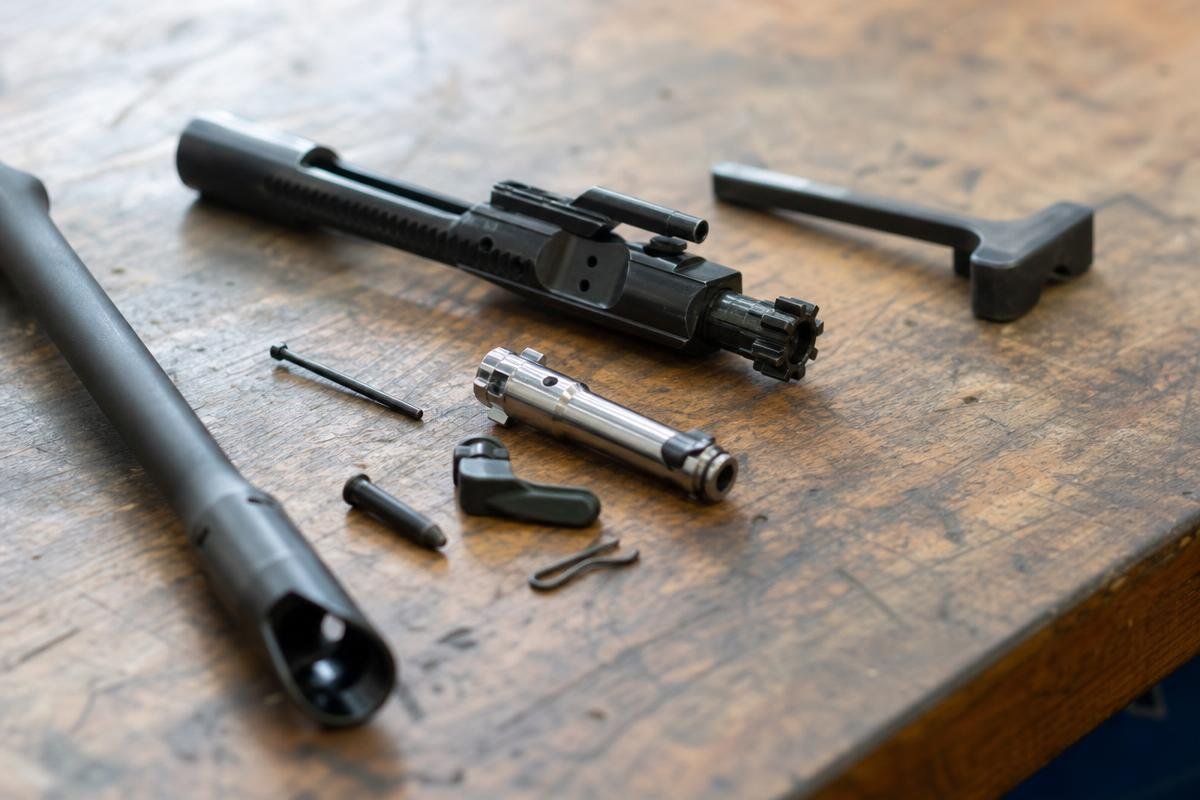
We ship parts and assembled uppers from our Denison, TX facility. Before selecting a barrel, bolt, or upper assembly, confirm its chamber marking and the appropriate gauge specifications.
Questions Before You Order
Call (888) 706-0633 with product-selection questions. We can help you compare available parts and identify the chamber and caliber information you need to verify before a build.
Do not fire a rifle with uncertain or unsafe gauge results. Have it evaluated by a qualified gunsmith or contact the relevant component manufacturer. For product questions, contact AR15Parts.com.
Frequently Asked Questions
Should I Check Headspace on Every AR-15 Build?
Yes, a gauge check is prudent on every new build, especially with a barrel and bolt from different sources. Check again after replacing either part or installing used components. Proper AR-15 headspace gauges confirm fit before live fire.
Can I Use a Live Round to Check Headspace?
No. Live ammunition is not a substitute for a Go gauge and must never be used for headspace testing. A cartridge can chamber despite an unsafe condition, and it gives you no controlled measurement.
What Does It Mean if a Bolt Closes on a No-Go Gauge?
A bolt closing on a No-Go gauge requires follow-up, but gauge systems and manufacturer instructions matter. Do not force a bolt closed on a Go or No-Go gauge. Stop and verify the gauge type, chamber marking, bolt, and barrel.
Do 5.56 NATO and .223 Remington Use the Same Gauge?
Use only gauges and procedures that the specific barrel and gauge manufacturers identify as compatible. Read the gauge maker’s instructions before checking AR-15 headspace.
Why Do Some Gauge Procedures Remove the Extractor and Ejector?
Extractor and ejector spring pressure can mask the feel of bolt contact against a gauge. Removing them, when directed by the gauge maker, lets the bolt close under light finger pressure without spring resistance.
What Should I Do After a Failed Headspace Check?
Stop work if a result is unclear or unsafe. Do not fire the rifle, force the bolt, or attempt to alter the chamber yourself. Contact a qualified gunsmith or the component manufacturer before firing.
If you need help selecting compatible firearms, parts, or accessories for your build, contact AR15Parts.com at (888) 706-0633. Our complete AR-15 uppers are a practical option when you want a matched upper assembly.
Ready to Get Started with AR15Parts.com?
Call (888) 706-0633 to speak with our team directly. We're ready to answer your questions, walk you through your options, and help you find the right solution for your needs. Whether you're just starting to plan or ready to move forward, we'll make the process simple and stress-free. Reach out today and let's talk about how we can help.