
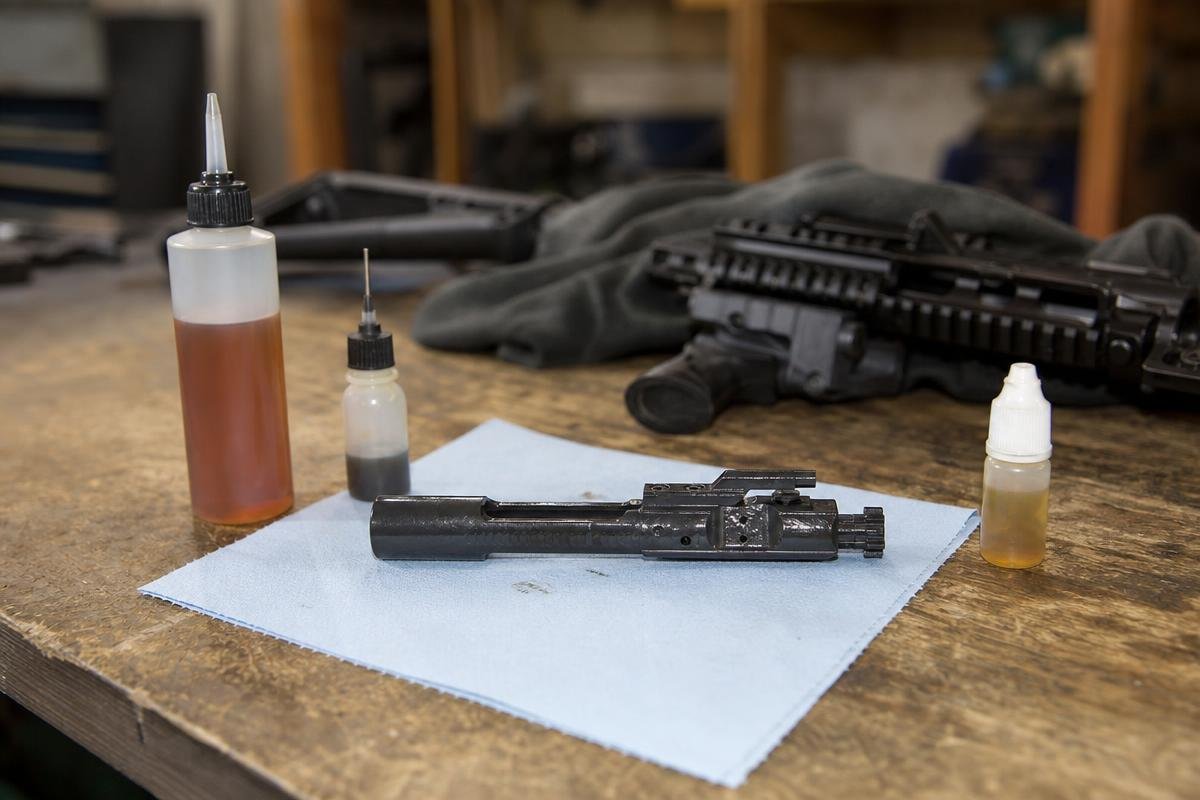
AR15Parts.com ships nationwide from our Denison, TX facility. When choosing an AR-15 lubricant, start with the rifle manufacturer’s manual, then consider your action type, firing schedule, storage conditions, and how often you inspect the bolt carrier group. For most AR-pattern rifles, a quality firearm oil or CLP applied as a controlled film on moving contact surfaces is the practical baseline.
Key Takeaways
- For most AR-15s, firearm oil or CLP is the best starting point for bolt carrier group contact surfaces.
- Grease can be useful on limited, manufacturer-approved contact points, but it is usually not the preferred lubricant inside the bolt carrier group.
- Suppressed and high-round-count rifles need more frequent checks because heat and fouling can consume or contaminate lubricant quickly.
- A light working film means the contact surface appears evenly wet after cycling, without drips, pooled oil, or excess lubricant collecting grit.
Oil, Grease, or CLP: The Short Answer
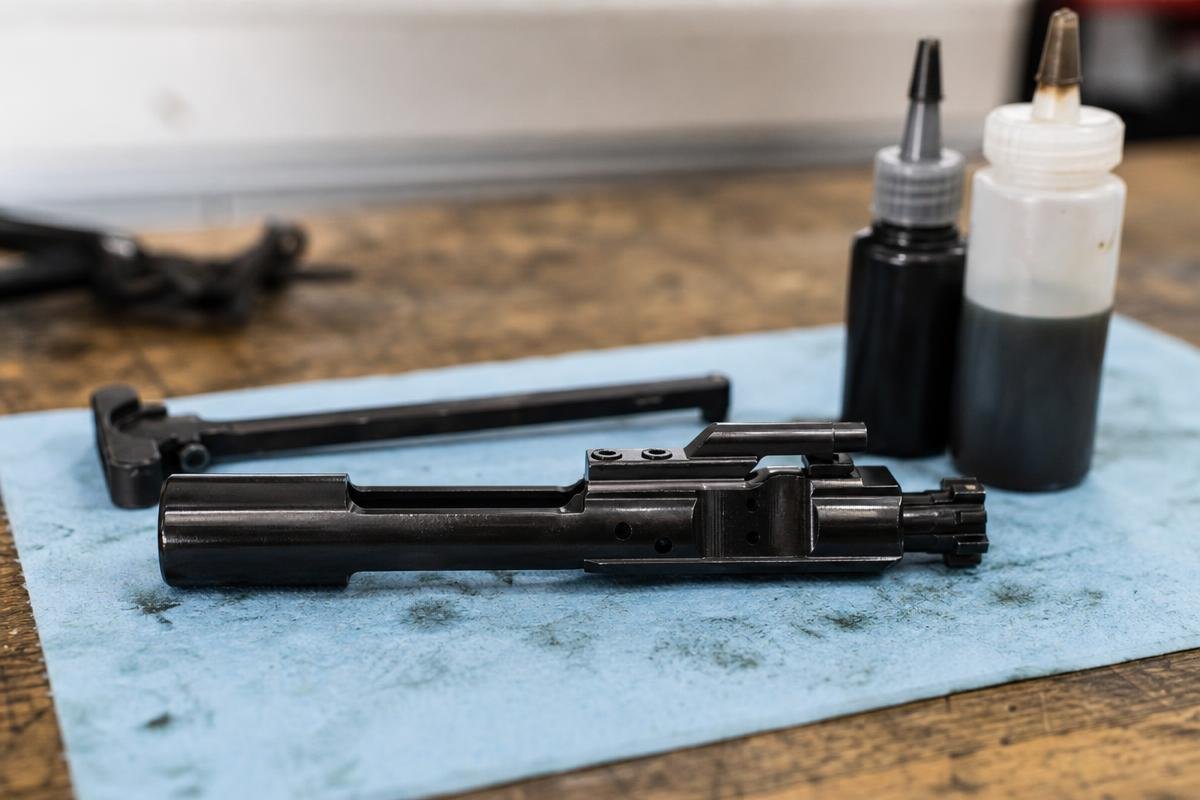
The best AR-15 lubricant depends on firing volume, temperature, windblown dust, storage time, and the manufacturer’s instructions for your particular rifle. For a conventional direct-impingement AR-15, light firearm oil or CLP is commonly used on the bolt carrier group and other sliding contact areas. Grease has narrower applications and should not be packed into the action unless the rifle or lubricant manufacturer specifically directs its use.
Finding the best AR-15 lubricant among oils, greases, and CLPs means looking beyond the bottle label. Match the product to the rifle’s configuration and use. A rifle stored for months may need corrosion protection and a pre-range inspection, while a rifle used for a long or suppressed range session may need a small reapplication to high-friction contact surfaces during the day.
Start with clean contact surfaces, follow the rifle manufacturer’s maintenance instructions, and avoid treating every AR-pattern rifle alike. Piston-driven systems, specialty bolt carrier coatings, and proprietary operating systems can have different lubrication requirements than a standard direct-impingement setup.
What Is the Best Lubricant Type for an AR-15?
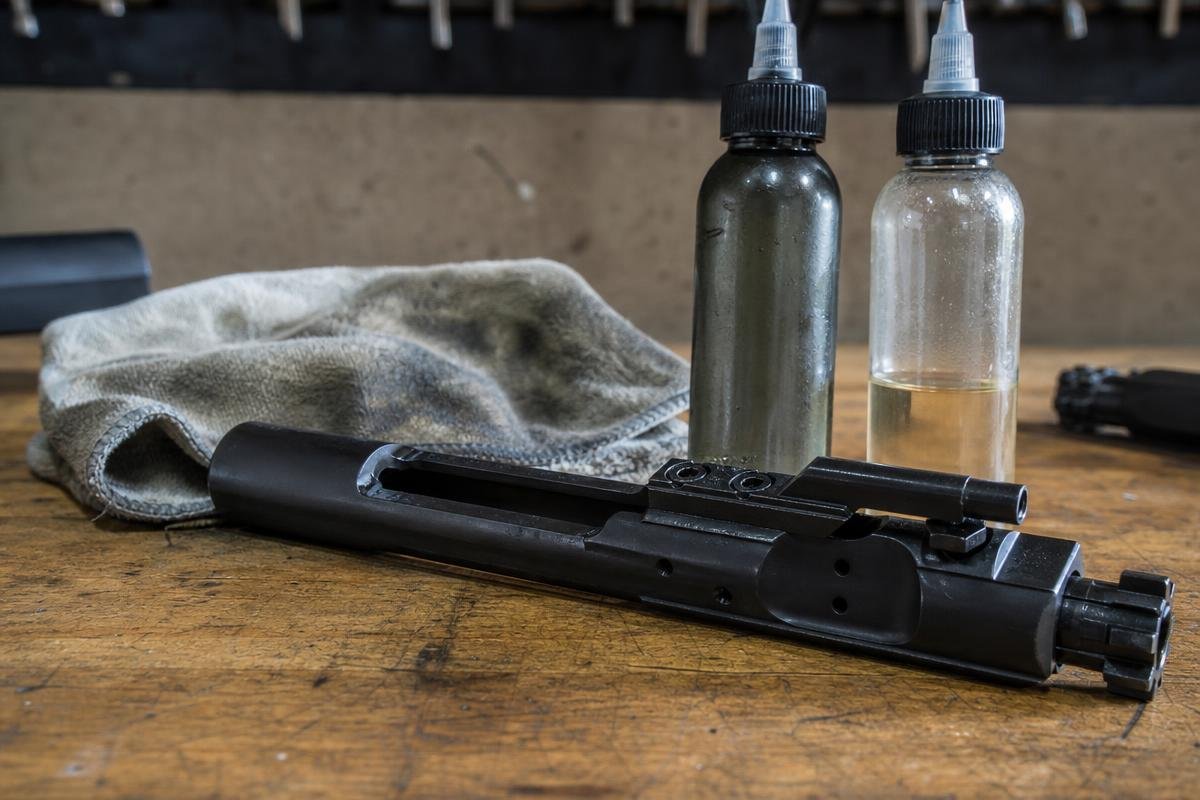
For most rifles, the best AR-15 lubricant is a quality firearm oil or AR-15 CLP that remains fluid in the conditions where you shoot. Oil can reach carrier rails, bolt contact surfaces, and the cam pin without adding the drag or debris retention associated with an overly heavy application. In hot, dusty conditions, keep the film controlled so exposed lubricant does not become a collection point for grit.
| Type | Consistency | Best Use | Strengths | Limitations | Application Caution |
|---|---|---|---|---|---|
| Firearm oil | Light, fluid | Regular shooting and moving contact surfaces | Spreads quickly and is easy to inspect | May migrate from exposed surfaces over time | Use an even film, not a dripping coat |
| CLP | Light to medium fluid | Routine cleaning, lubrication, and short-term protection | Convenient all-in-one maintenance option | Heavy carbon may still require a dedicated cleaner | Wipe away excess after lubricating |
| Grease | Thick, stays in place | Limited manufacturer-approved contact points | Resists migration | Can retain grit and may thicken in cold weather | Avoid packing it into the bolt carrier group |
Need AR-15 cleaning or lubrication supplies for your next maintenance session? Call (888) 706-0633 to ask about product availability.
Why Light Firearm Oil Is the Usual Starting Point
AR-15 gun oil is a common starting point because it can maintain a lubricating film on the moving interfaces in a direct-impingement bolt carrier group. It reduces friction at the carrier rails and cam pin while allowing the action to cycle freely. Confirm the lubrication points and product type in your rifle’s manual, particularly when working with a proprietary carrier, coating, or piston conversion.
Synthetic motor oil is sometimes discussed by shooters because it can remain fluid and is widely available. It is not a universal replacement for a firearm lubricant. A purpose-made firearm oil provides product-specific instructions for firearm applications, including compatibility and corrosion-protection guidance.
How CLP Fits Into Routine AR-15 Maintenance
AR-15 CLP can clean light range residue, lubricate contact surfaces, and leave a protective film during routine maintenance. It is useful for wiping the carrier, bolt, charging handle, and receiver contact areas before applying a fresh, light film.
CLP is not a cure for every deposit. If carbon remains after normal cleaning, use a cleaner that is compatible with the rifle’s finish and follow the manufacturer’s instructions. Dry the cleaned areas, then apply fresh CLP or oil only where lubrication is called for.
Why Grease Has Limited Uses in the Action
Oil is generally preferred over grease inside the AR-15 action. Grease remains where it is applied, but that same characteristic can allow it to hold carbon and grit. A heavy application in the bolt carrier group may slow movement, especially in lower temperatures or when the action is already fouled.
Use grease only on specific contact points when the rifle manufacturer or lubricant maker calls for it. For most shooters, oil or CLP is the simpler operating-lubricant choice for the action of an AR-15 complete upper.
Where Should You Apply Lubricant on an AR-15?
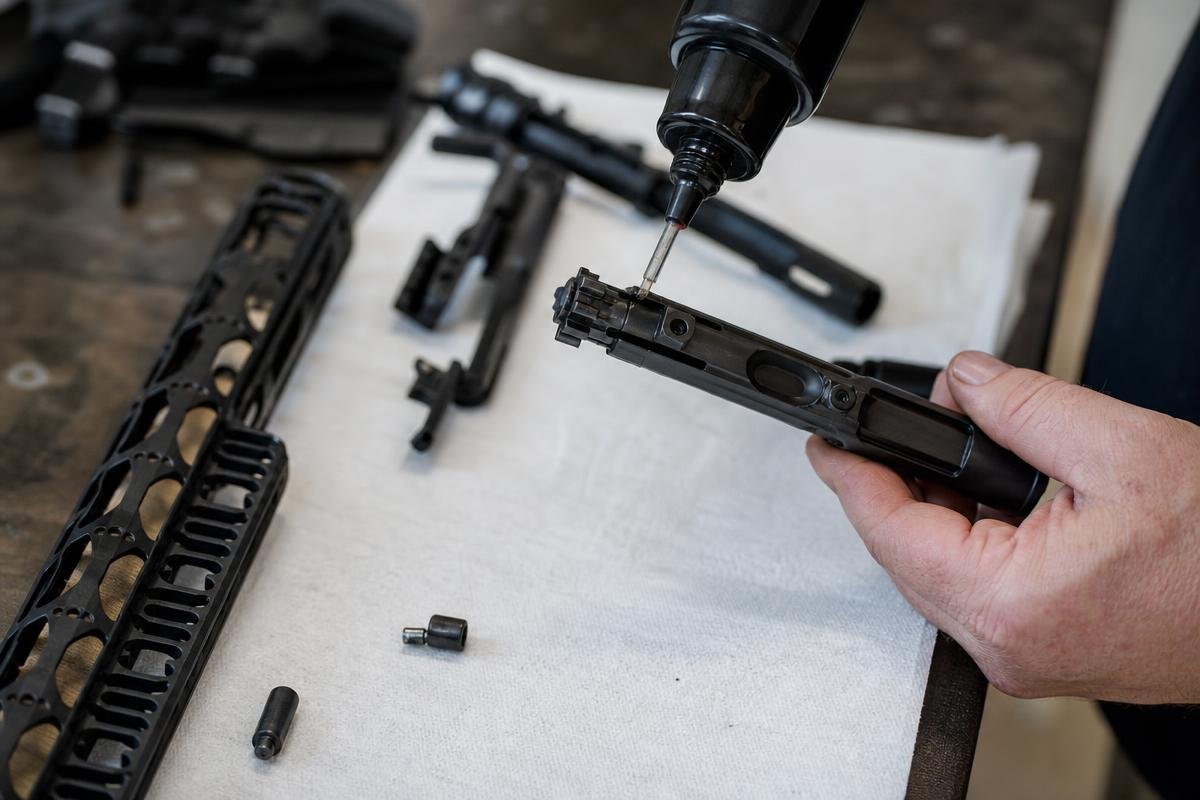
On a typical direct-impingement AR-15, the commonly lubricated areas include the bolt carrier group bearing rails, bolt body, cam pin, charging handle contact areas, and selected buffer-system contact areas. Before starting, unload the firearm, remove the magazine, visually and physically verify the chamber is clear, and follow the manufacturer’s maintenance instructions.
Bolt Carrier Group Contact Surfaces
The carrier rails slide against the inside of the upper receiver and are common lubrication points. Apply a light, even film of firearm oil to the four carrier bearing rails. After cycling the action, the rails should look evenly wet without dripping oil into the receiver.
Many manufacturer maintenance procedures also identify the bolt body, cam pin, and cam path inside the carrier as moving surfaces that need lubrication. Follow your manual regarding the locking lugs and gas rings, because recommendations can vary by rifle design, coating, and manufacturer. Do not soak the gas rings or leave lubricant pooled inside the carrier.
Charging Handle and Buffer System Contact Areas
The charging handle can feel rough where it rides in the upper receiver. A small amount of oil on the side contact surfaces, followed by several manual cycles, can distribute a thin film. Wipe away lubricant that squeezes out onto exposed areas.
The buffer spring and buffer tube require a different approach. Follow the rifle manufacturer’s guidance for the buffer spring and tube; do not add lubricant solely to address rough cycling or spring noise without confirming the prescribed maintenance. Do not fill the buffer tube with oil or grease. Excess lubricant can collect fouling and migrate into areas that do not need it.
Areas That Should Not Hold Excess Oil
The chamber, bore, ammunition, firing-pin channel, and bolt face are not general oil reservoirs. Keep lubricant out of the firing-pin channel and avoid pooled oil around the bolt face. Wipe the chamber and bore dry after cleaning unless the firearm manufacturer gives different instructions.
After a dusty range session, inspect the receiver and bolt carrier for visible pooling before storage. Even the best AR-15 lubricant cannot protect an action if it is carrying abrasive grit across moving surfaces. If you are evaluating a rifle platform before a build, you can review complete AR-15 rifles.
Match Your AR-15 Lube to How You Shoot
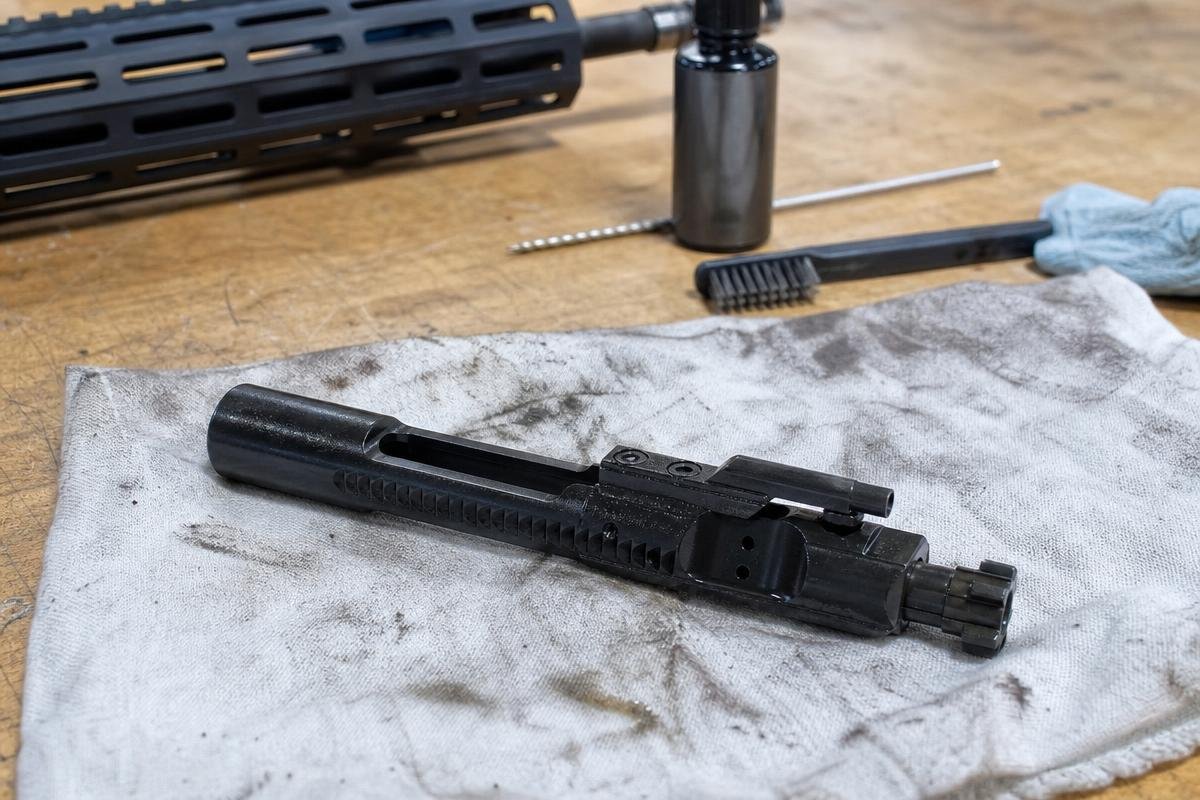
The best AR-15 lubricant depends on heat, fouling, weather, and the time between sessions. Select a product that fits those conditions, then inspect the action instead of assuming one application will cover every use case.
General Range Use
For normal range sessions, a light firearm oil or AR-15 CLP works well on the moving contact surfaces after cleaning. Check the bolt carrier group before firing, then wipe and relubricate as needed after the session. For many shooters, that inspection-based routine is more useful than a strict round-count rule.
Apply a controlled film, not a dripping coat. If the action looks dry after several hundred rounds, cycles roughly, or has been exposed to rain, dust, or extended storage, inspect it before adding lubricant. Clean away old fouling first when practical rather than layering fresh oil over a heavy paste.
High-Volume and Suppressed Firing
High-volume firing places more heat and fouling into the action. A quality light oil or CLP is generally easier to monitor and refresh than heavy grease, which can retain fouling as carbon accumulates.
Suppressed AR-15s often send additional gas and fouling back into the receiver. Check the carrier rails, bolt body, cam pin, and charging handle during breaks, especially if the rifle begins to feel dry or sluggish. Reapply only a small amount to the manufacturer-recommended contact surfaces, then clean the action after the session. If a rifle begins malfunctioning, do not assume lubricant is the cause or the cure. Inspect magazines, ammunition, gas-system components, and wear points methodically.
Cold Weather, Heat, Dust, and Storage
Cold weather calls for a product that stays fluid enough for the action to cycle. Avoid overly thick grease on a rifle that may sit in an unheated vehicle, garage, or shop before use.
Heat and dry wind make excess exposed lubricant more likely to gather dust during transport and range use. Keep the action lubricated, but avoid lubricant pooling or dripping from the carrier exterior. For safe storage, corrosion protection and operating lubrication are related but not identical tasks. Protect metal as directed by the product, then inspect and wipe the rifle before firing after long-term storage.
Need help with AR-15 parts compatibility? Call us at (888) 706-0633.
How Much AR-15 Lubricant Is Too Much?
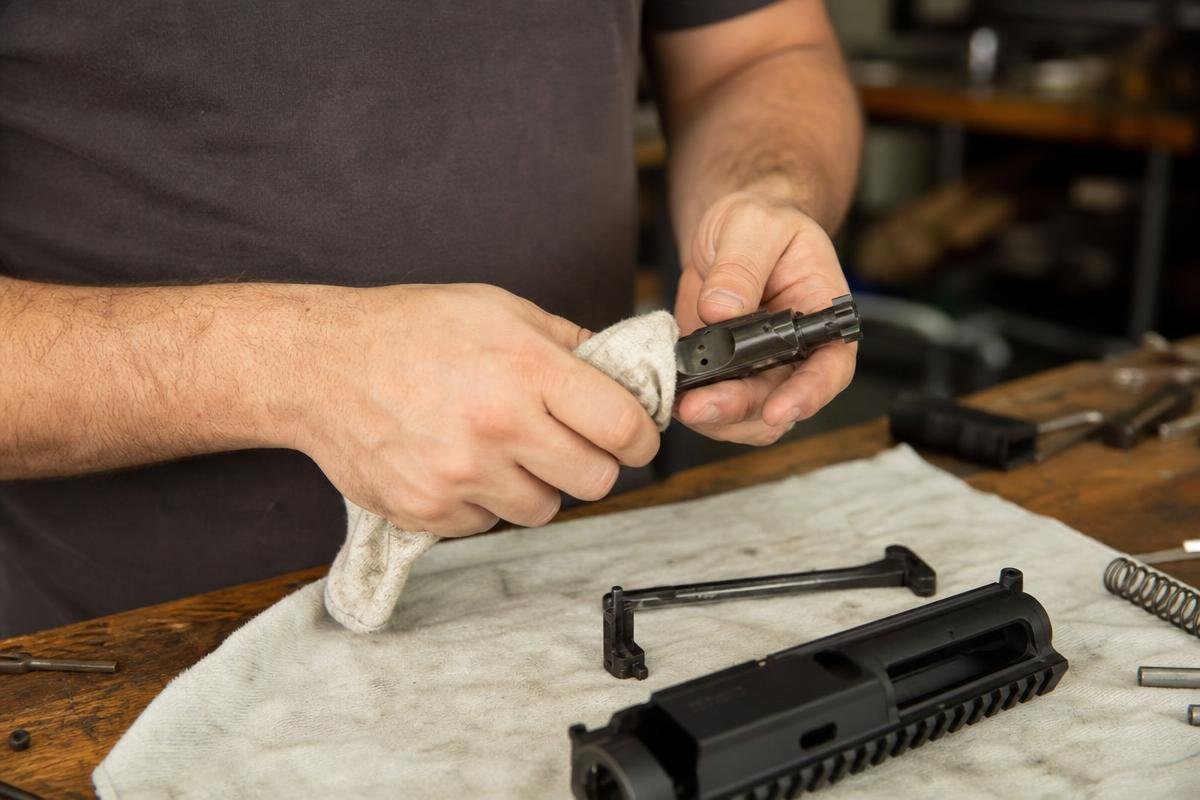
Too much AR-15 gun oil can leave visible pooling, migrate into unwanted areas, and create a wet surface for carbon and grit to cling to. A light film on moving contact surfaces is usually enough. The outside of the bolt carrier group should not be dripping after the action is cycled.
Signs of Over-Lubrication
You likely have too much lubricant if oil runs from the receiver, pools around the trigger area, or coats the outside of the carrier after cycling. In dusty conditions, a wet carrier exterior can collect grit during transport, range use, or storage.
AR-15 grease vs oil is not a reason to apply more product. Use grease only at manufacturer-approved contact points and in the amount specified by the product instructions. Oil should remain a thin, controlled layer at the proper AR-15 lubrication points.
A Simple Reset for Excess Oil and Fouling
Start by verifying the firearm is unloaded. Disassemble it according to the manufacturer’s manual, then wipe old fouling and excess lubricant from the bolt carrier group, upper receiver, and charging handle contact surfaces.
- Inspect the bolt, cam pin, carrier rails, and receiver for unusual wear.
- Apply a light film to the manufacturer-recommended moving surfaces.
- Cycle the action by hand several times.
- Wipe away visible pooling or lubricant pushed onto exterior surfaces.
Cleaning tools matter because fresh lubricant over old fouling can create a heavier paste. When troubleshooting a new setup, change one variable at a time and verify fit, assembly, and function before assuming more lubricant is needed.
Why Lubricant Does Not Fix Every Malfunction
Extra lubricant can hide the source of unusual wear and make diagnosis harder after a malfunction. Failures to feed, extract, eject, or lock back can involve magazines, ammunition, gas-system setup, worn parts, or assembly issues.
Inspect the rifle methodically instead of adding more lube. If the issue follows an upper, review the components in your AR-15 complete upper and check the basics before replacing parts. We ship from our Denison, TX facility, and our team can answer parts and compatibility questions by phone or contact form.
AR-15 Parts and Accessories Shipped Nationwide

AR15Parts.com supplies firearms, parts, and accessories for AR-15 owners. Finding the best AR-15 lubricant matters, but lubricant works best alongside a clean, correctly assembled rifle with serviceable components. Cleaning is a good time to inspect wear before it contributes to a stoppage. Check contact surfaces, fasteners, and moving assemblies before applying fresh lube.
Inspect Parts While the Rifle Is Open
Check AR-15 lubrication points and nearby parts while the upper and lower are separated. Look at the bolt carrier group for abnormal finish wear, damage around the gas-ring area, loose gas key screws, or a worn cam pin.
Inspect the charging handle track, upper receiver contact surfaces, buffer tube interface, and buffer retainer. Check handguard mounting hardware for movement or missing fasteners. A loose handguard or worn carrier surface needs correction, not more oil.
Check Compatibility Before Replacing Components
Lubricant cannot fix an incompatible, damaged, improperly assembled, or worn component. Confirm receiver extension type before ordering buffer-system parts. Mil-spec and commercial buffer tubes have different outside dimensions, and their stocks are not interchangeable.
Match the buffer, spring, tube, stock, and lower receiver setup before installation. If your upper needs replacement rather than maintenance, our AR-15 complete uppers can be installed on a compatible lower after confirming the caliber, receiver pattern, magazine, buffer system, and manufacturer specifications. You can also compare configured complete AR-15 rifles if you need a full rifle instead of individual components.
Frequently Asked Questions
These answers cover routine lubrication choices and inspection points before a range session. A visible light film on carrier contact surfaces is enough. Oil should not drip from the bolt carrier group or pool inside the receiver.
Is Grease Good for an AR-15 Bolt Carrier Group?
Generally, no. Oil or CLP is usually preferred for an AR-15 bolt carrier group because heavy grease can retain carbon and fouling. Heavy grease can also become too thick in cold conditions and slow carrier movement.
For AR-15 grease vs oil, use a quality AR-15 gun oil on the carrier rails, cam pin, bolt body, and other moving contact surfaces. Small amounts of grease may suit specific low-speed contact points if the manufacturer calls for it, but it is not a substitute for proper carrier lubrication.
Can CLP Replace a Dedicated Cleaner?
For routine cleaning, often yes. AR-15 CLP can handle light range fouling, lubrication, and corrosion protection when you wipe parts clean before applying a fresh light film.
Stubborn carbon on the bolt tail, inside the carrier, or around the chamber may need a dedicated cleaner compatible with your firearm finish. Some shooters discuss synthetic motor oil, but firearm-specific products are made for firearm cleaning, lubrication, and corrosion protection needs.
How Often Should an AR-15 Be Lubricated?
Lubricate an AR-15 after cleaning and before shooting if its contact surfaces look dry. Inspect the bolt carrier group before each range session, especially after high round counts, rain, dust, or extended storage. The best AR-15 lubricant is the one that leaves a light working film without collecting excess debris. Check the carrier rails, cam pin, bolt, charging handle contact areas, and buffer system during your inspection.
Do Coated Bolt Carrier Groups Still Need Lubricant?
Yes. Coated bolt carrier groups still have moving metal contact surfaces that need lubrication. Follow the coating maker's guidance and your firearm manufacturer's instructions, since requirements vary by finish.
Use the lubrication checklist before your next range session, then inspect the parts that keep the action cycling. If that inspection points to a worn, damaged, or incompatible component, AR15Parts.com can help with AR-15 complete uppers, parts, and accessories. Call (888) 706-0633 for product questions.
Can You Use Synthetic Motor Oil on an AR-15?
Some shooters use synthetic motor oil, but firearm-specific lubricants are designed for firearm cleaning, lubrication, and corrosion protection. Follow the firearm and lubricant manufacturers’ instructions before choosing a product.
How Much Lubricant Should You Apply to an AR-15?
Apply a visible light film to moving contact surfaces. The bolt carrier group should look wet but should not drip, and oil should not pool inside the receiver.
Ready to Get Started with AR15Parts.com?
Call (888) 706-0633 to speak with our team directly. We can answer parts and compatibility questions by phone or through our contact form. Reach out for help finding components for your build.