
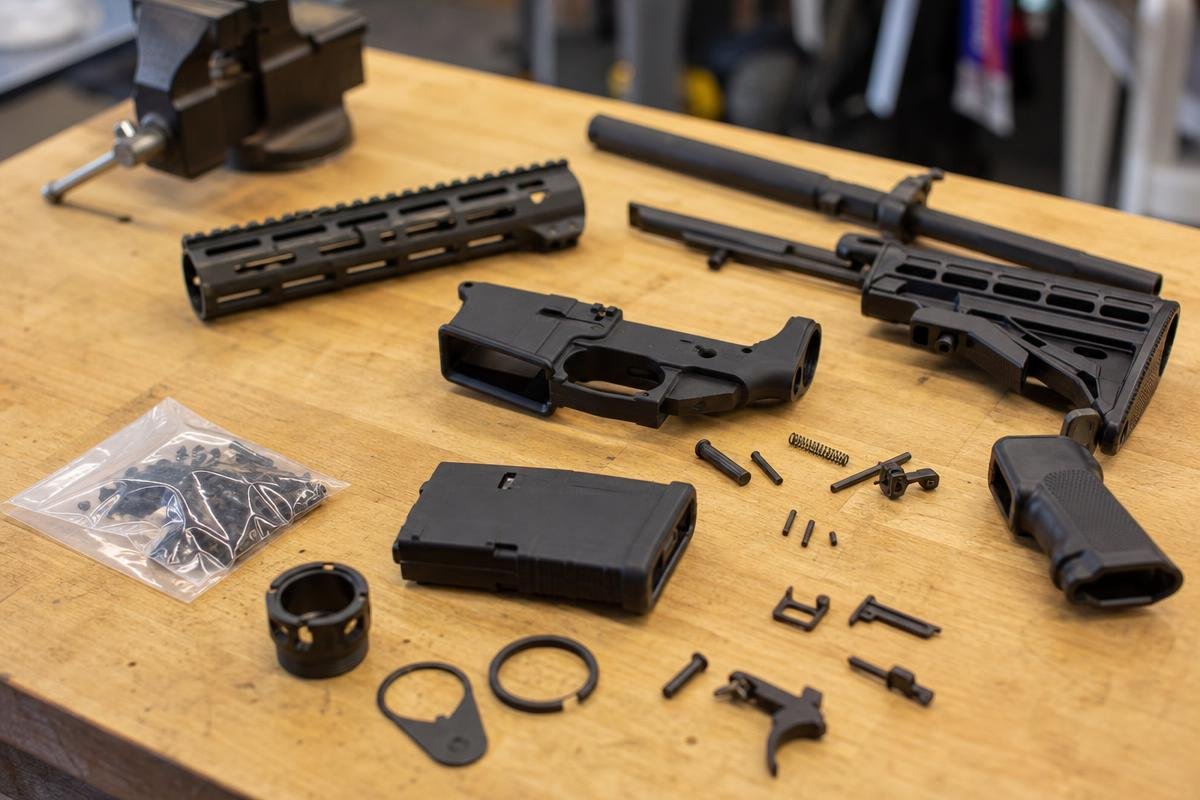
A first AR-15 build starts with a clear parts plan, compatible components, and careful safety checks. For many beginners, the most manageable route is assembling a lower receiver and pairing it with a reputable, factory-assembled upper. That approach limits the specialized work involved while still letting you select the trigger, stock, grip, sights, and other features that fit your intended use. Need help reviewing a parts list before you order? AR15Parts.com can help you compare compatible components.
Key Takeaways
- A complete rifle is the lowest-assembly option, while a completed upper paired with a properly assembled lower is a practical first project.
- 5.56 NATO and .223 Wylde are common chamber choices because they use standard AR-15 magazines and have broad ammunition availability.
- Confirm receiver pattern, chambering, magazine type, buffer-tube pattern, and manufacturer specifications before ordering parts.
- Complete an unloaded inspection and function check, follow every manufacturer instruction, and seek qualified help if fitment or function is uncertain.
First AR-15 Build: Where Should You Start?
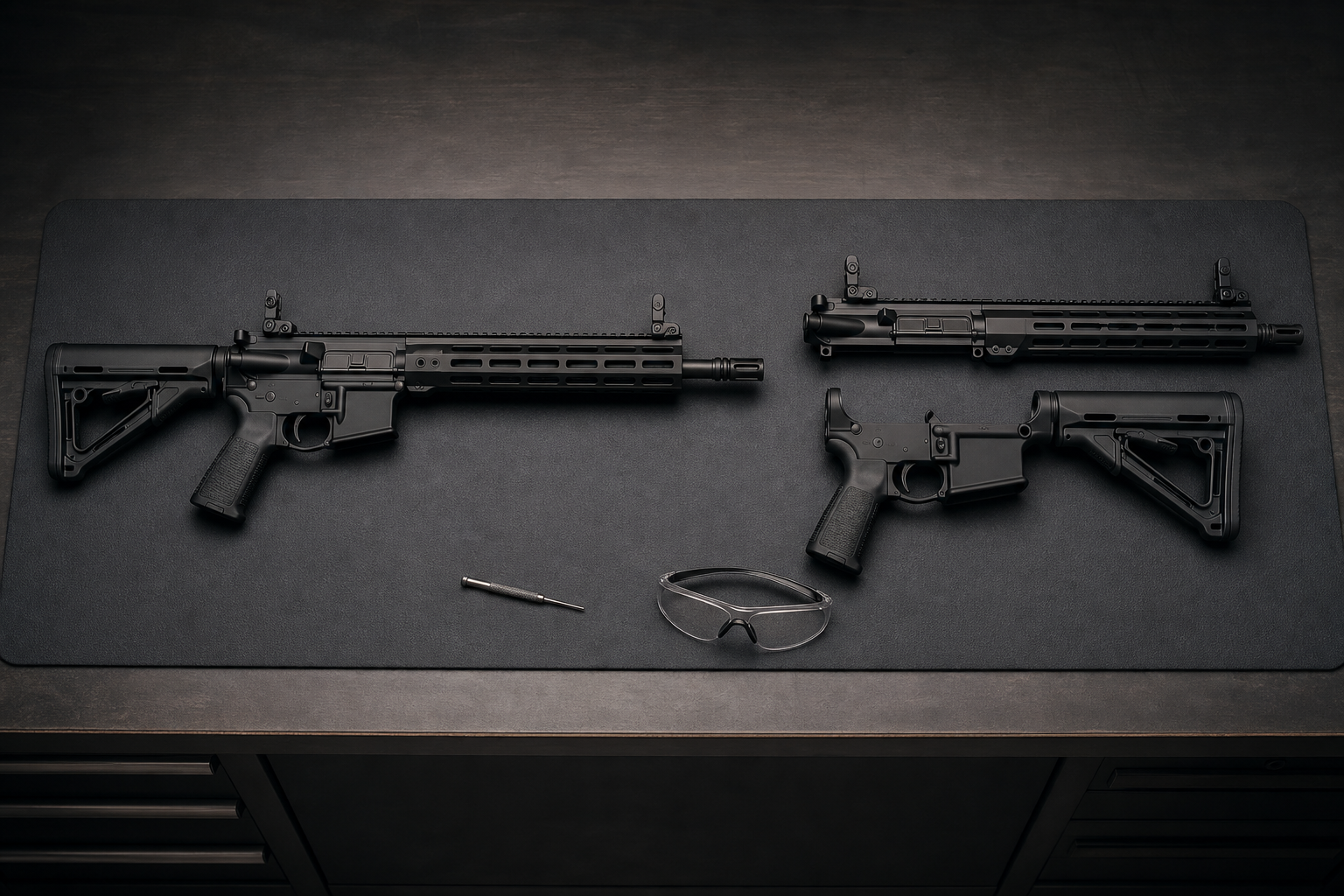
The easiest first AR-15 build path is either buying a complete rifle or lawfully acquiring a stripped lower, assembling the lower with compatible parts, and attaching a factory-assembled upper. This avoids advanced barrel, gas-system, and muzzle-device installation while leaving room to choose the configuration that suits your needs.
Buy a Complete Rifle for the Lowest Assembly Requirement
Buy a complete rifle if you want the least assembly work and a rifle that is ready to inspect, load, and shoot after lawful transfer. A complete rifle reduces the number of fitment decisions, although it gives you less initial control over the stock, trigger, handguard, and barrel configuration.
Start with complete AR-15 rifles if your priority is getting range time before learning assembly procedures. You can change compatible accessories and components later as you learn what fits your use.
Can a Beginner Pair a Lower with a Complete Upper?
Yes. A stripped lower and complete upper is a practical middle path for a first AR-15 build. Before acquiring or assembling a lower receiver, verify the current federal, state, and local requirements that apply to your situation.
You install the lower parts, buffer system, stock, and fire-control components, then attach a compatible upper. Our complete AR-15 uppers can reduce barrel installation, gas-block alignment, gas-tube installation, and muzzle-device work. Still, follow the product instructions, verify that the listed components are compatible, and obtain qualified assistance if you have questions about inspection or function.
Why Should Individual Upper Assembly Wait Until Later?
Building an upper from separate parts is useful once you know why you need a particular barrel, gas length, or handguard. It requires a secure vise setup, appropriate receiver-support tooling, a torque wrench, punches, and the ability to assess barrel-extension, receiver, and gas-system fitment.
Upper assembly is not impossible for a new builder, but errors can affect reliability and safety. Learn lower assembly first, use a complete upper from a trusted source, and take on individual upper work only after you have the correct tools and a documented parts plan.
How Much Should You Budget for a First AR-15 Build?
A realistic budget includes more than the rifle itself. Account for the receiver, upper, bolt carrier group and charging handle if they are not included, lower-parts kit, buffer system, stock, magazines, sights, ammunition, protective equipment, storage, and training.
| Category | What to Plan For |
|---|---|
| Core rifle components | Lower receiver, lower-parts kit, buffer system, stock, upper assembly, and any upper components not included in the listing. |
| Essential range equipment | Appropriate ammunition, magazines, eye protection, hearing protection, and a sighting system. |
| Safety and upkeep | Secure storage, cleaning supplies, manufacturer manuals, and professional inspection when needed. |
| Optional upgrades | Premium trigger, cosmetic furniture, upgraded handguard, weapon light, and other accessories after the rifle is proven reliable. |
Which Parts Should You Fund First?
Prioritize components that affect safe function and reliability. That means a properly chambered barrel, correctly matched gas system, suitable bolt carrier group, buffer components, and dependable magazines. Avoid spending the entire budget on appearance before covering basic gear and inspection needs.
Handguards, colored furniture, and muzzle-device upgrades can wait. Review our complete AR-15 uppers if you want to compare assembled upper options while keeping the project scope manageable.
What Should You Not Buy Yet?
Do not rush into accessories that add cost without solving an immediate need. For a new owner, it is often wise to wait on specialty triggers, suppressor-related components, oversized controls, pistol-caliber conversions, and caliber-specific parts until you have safely used the rifle and understand its intended role.
Do not buy ammunition based only on appearance or price. Read the barrel’s chamber marking and manufacturer guidance first, keep different cartridges clearly separated, and use magazines appropriate to the selected caliber.
Why Should Range Gear and Training Be Part of the Budget?
Budget for ammunition, eye protection, hearing protection, safe storage, and range instruction before your first range trip. You also need magazines, cleaning supplies, and a secure method of transporting the rifle.
Training helps new owners practice safe loading, unloading, malfunction response, and basic rifle operation. Confirm the rules and procedures of the range or instructor you choose before arriving, including their ammunition, target, and safety requirements.
How Do You Choose Sights with a Zeroing Plan?
You need iron sights or an optic before you can confirm where the rifle prints. Choose a sighting system early, then bring the tools and ammunition needed to establish and verify a zero.
Keep the mount, sight height, and intended ammunition consistent while zeroing. A 5.56 setup is a practical starting point for many new owners, and our 5.56 NATO complete uppers provide options to compare with your intended barrel length and use.
What Parts Must Match on an AR-15 Build?
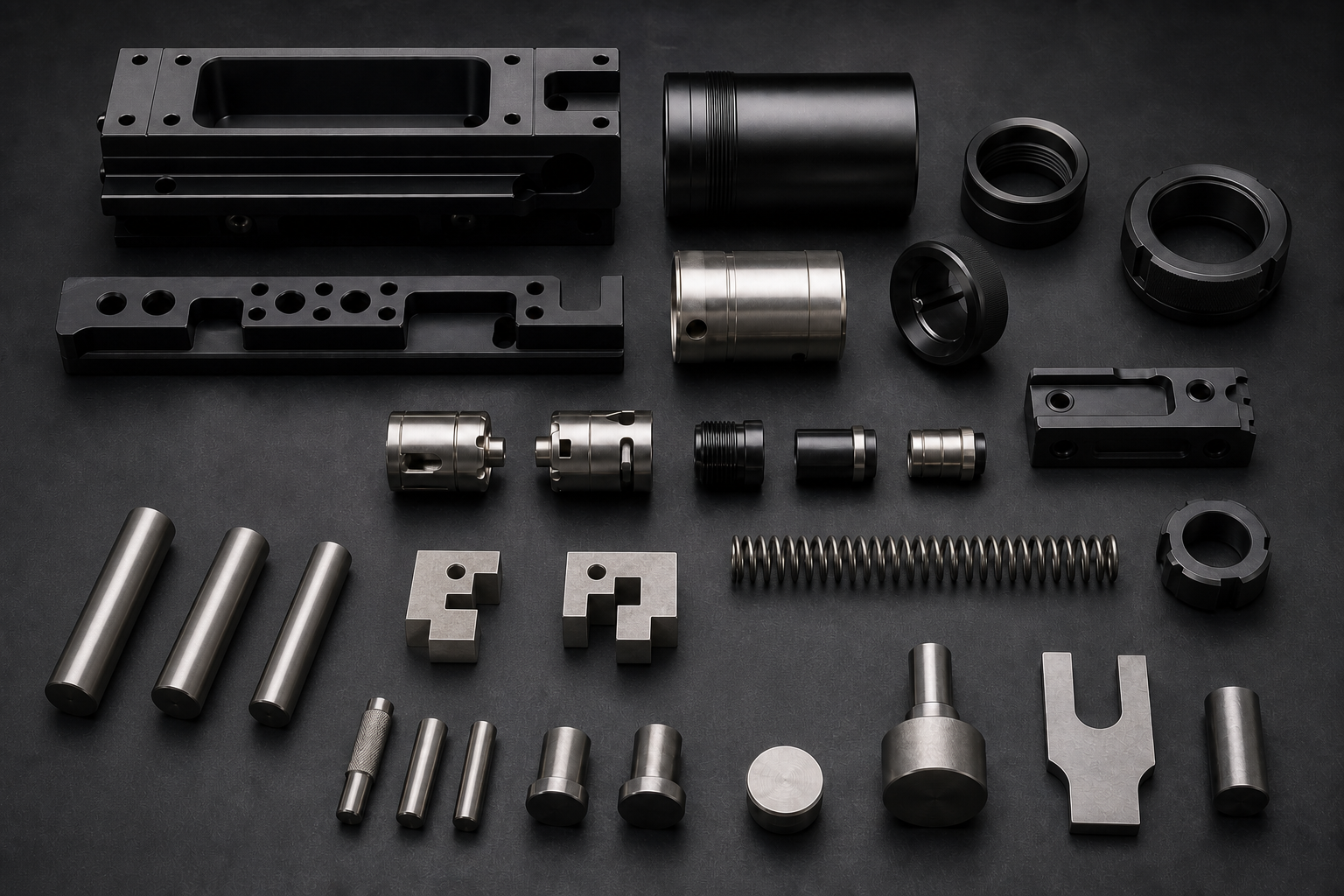
AR-15 parts are modular, but compatibility still matters. Before ordering, match the chambering, receiver pattern, magazine type, buffer system, barrel and gas components, handguard mounting system, and each manufacturer’s specifications.
Which Chamber and Caliber Should a Beginner Choose?
For a beginner AR-15 build, 5.56 NATO and .223 Wylde are common choices. A barrel marked 5.56 NATO is designed to accept 5.56 NATO and .223 Remington ammunition. A .223 Wylde chamber is designed to use both cartridges.
Chamber marking matters because it identifies the ammunition the barrel is designed to accept. Keep the barrel, bolt carrier group, and magazines appropriate for the selected caliber. Our 5.56 NATO complete uppers and .223 Wylde complete uppers let you compare common chambering options before finalizing a lower-parts plan.
How Do You Match the Buffer Tube to the Stock?
Your stock must match the buffer-tube pattern. Mil-spec tubes generally have a smaller outside diameter and a flat rear profile. Commercial tubes are larger in diameter and commonly have an angled rear profile.
Most adjustable stocks are marked for mil-spec or commercial fitment. Do not assume a stock will fit because both parts are called carbine components. Verify the tube pattern in the manufacturer specifications before checkout.
What Must Match Between the Upper, Barrel, Gas System, and Handguard?
AR-15 parts compatibility depends on several connected measurements. Confirm the barrel length, gas-system length, gas-block journal diameter, gas-tube length, handguard mounting system, and muzzle-device thread pattern as one group.
A carbine-, mid-length-, or rifle-length gas system needs the matching gas tube. The handguard must clear the gas block and mount to the barrel nut supplied for that handguard. Confirm that the bolt carrier group is appropriate for your chambered barrel, then select a standard AR-15 charging handle that fits the upper receiver.
Follow each manufacturer’s specifications for your exact components. If a fitment question remains, contact our team before assembly rather than forcing parts together.
Use This First AR-15 Build Checklist in the Right Order
This AR-15 build checklist keeps the project in a practical order. Start with the rifle’s job, make lawful purchasing decisions, assemble the lower carefully, and select components that match the plan. This is a decision flow, not a substitute for manufacturer instructions, applicable laws, or qualified inspection.
Define the Rifle's Intended Use
Define the job before selecting caliber, barrel length, or furniture. General range use, target shooting, lawful hunting, and home-defense considerations can call for different choices.
- Confirm the intended use and lawful requirements.
- Choose a cartridge and magazine type.
- Set a barrel-length range that fits the intended role.
For a simple first setup, many builders start with 5.56 NATO or .223 Wylde. Read the chamber marking and ammunition guidance before buying magazines or ammunition.
Select and Assemble the Lower Components
Build the lower first so you know exactly what upper must fit. Your checklist should include a stripped lower, lower-parts kit, trigger, safety selector, magazine catch, takedown pins, buffer tube, buffer, spring, and stock.
- Confirm the receiver is transferred and possessed lawfully.
- Match the buffer system to the stock or brace configuration.
- Follow the parts manufacturer’s instructions.
Small springs and detents are easy to lose, and incorrect installation can cause binding. Wear eye protection, use a clear work surface, keep ammunition out of the work area, and consult a qualified gunsmith if you are unsure about lower assembly.
Choose a Compatible Complete Upper
Choose an upper after confirming the lower configuration and intended cartridge. A factory-assembled upper can reduce the number of critical assembly tasks for a beginner, but it does not replace careful review of the listing, manufacturer instructions, or a safety inspection.
- Match the upper’s caliber to the correct magazines and ammunition.
- Confirm the gas system and buffer setup are appropriate for the listed configuration.
- Read the listing to determine whether a bolt carrier group and charging handle are included.
Our complete AR-15 uppers are an option for builders seeking an upper assembly for a compatible lower. Do not assume every upper includes the same components or services. Read the specific product listing for included parts and any stated assembly or inspection information.
Add Magazines, Sights, a Sling, and Safe Storage
Add support gear before considering the rifle ready for range use. A rifle without a sighting system, reliable magazines, and secure storage is not a complete setup.
- Use magazines made for the selected cartridge.
- Install sights or an optic according to its instructions.
- Set up a sling and secure storage method.
Bring more than one magazine and verify each one locks in place and releases normally. Keep ammunition separate during setup and inspection.
Perform Basic Safety Checks Before Live Fire
Perform basic safety checks with the rifle unloaded before any live fire. Follow manufacturer instructions, confirm lawful transfer and possession requirements, and stop if anything binds or fails to operate normally.
- Verify the chamber is empty and remove all ammunition from the work area.
- Check safety-selector operation and trigger reset during an unloaded function check.
- Confirm takedown pins, stock hardware, bolt movement, and magazines operate normally.
Before live fire, inspect for loose hardware, abnormal marks, damaged threads, or parts that do not seat correctly. If anything is uncertain, do not fire the rifle. Seek qualified gunsmith inspection. For help reviewing your parts list, call AR15Parts.com at (888) 706-0633. Need a second set of eyes on your first AR-15 build checklist? Call (888) 706-0633.
Which Assembly Jobs Should You Handle Yourself and Which Need a Gunsmith?
A first-time builder can often assemble a basic lower with correct instructions and appropriate hand tools. Barrel and gas-system work require specialized support, controlled torque, alignment, and inspection. Separating those jobs can make a first project easier to inspect and troubleshoot.
Is Basic Lower Assembly a Reasonable First Project?
A stripped lower, lower-parts kit, buffer system, and stock are a practical starting point for beginners. Work slowly, protect the receiver finish, and confirm each control moves correctly without forcing pins or springs.
A basic lower tool kit should include safety glasses, correctly sized punches, a small hammer, a bench block, needle-nose pliers, and a clean, well-lit workspace. Use manufacturer instructions for the exact kit and receiver, because part designs can vary.
Why Does Upper Assembly Require Specialized Support and Inspection?
Upper assembly involves barrel-nut work, gas-block alignment, gas-tube installation, muzzle-device installation, and inspection of how the parts fit together. Proper receiver support and controlled torque matter. Misalignment can affect cycling, accuracy, or component wear.
AR-15 parts compatibility also matters more with piston conversions than with a standard direct-impingement setup. A piston system can introduce carrier, handguard, gas-block, and operating-rod clearance questions that should be confirmed before assembly.
When Should You Stop Work and Ask for Help?
Stop if a part will not seat normally, a pin requires excessive force, threads feel damaged, or you see abnormal wear. Do not alter critical parts to make them fit. Ask a qualified gunsmith to inspect the rifle before firing if anything is unclear.
If you need help comparing components before ordering, contact AR15Parts.com at (888) 706-0633. We ship from our Denison, TX facility.
Where Can Builders Get Parts Guidance?
We ship nationwide from our Denison, TX facility. Call (888) 706-0633 with product and AR-15 parts compatibility questions before ordering. When planning a purchase, verify current federal, state, and local requirements that apply to your situation and any applicable range rules before transport or use.
Why Start with a Familiar Chambering?
For a beginner, 5.56 NATO or .223 Wylde keeps ammunition and upper selection straightforward. A 5.56 NATO chamber can fire 5.56 NATO and .223 Remington ammunition. A .223 Wylde chamber is designed to handle both.
Start by comparing 5.56 NATO complete uppers and .223 Wylde complete uppers. Review each listing for barrel length, included components, chamber marking, and any stated compatibility guidance.
What Should You Check Before Ordering a Specialty Caliber Upper?
Specialty calibers need more planning before you buy. Confirm ammunition availability, intended use, magazine requirements, and bolt compatibility with your chosen upper.
For example, 300 Blackout uses standard AR-15 magazines but requires a 300 Blackout barrel. Other chamberings may need dedicated magazines, bolts, or both. Read each upper specification carefully, and keep caliber-specific ammunition clearly separated from 5.56 NATO ammunition during storage and range use.
Frequently Asked Questions
Is It Better to Build or Buy Your First AR-15?
Build vs buy AR-15 decisions depend on how much assembly and troubleshooting you want to handle. A complete rifle gets you shooting sooner, while a build lets you choose specific parts. Compare complete AR-15 rifles if you want a factory-assembled starting point.
What Is the Least Complex First AR-15 Build Path?
A stripped lower with a lower-parts kit and a compatible complete upper is usually the least complex path. The upper arrives assembled. If the selected configuration includes a matched bolt carrier group and charging handle, verify the listing and required compatibility checks before attaching it to the lower. This avoids barrel installation, gas-block alignment, and muzzle-device work.
How Do I Check AR-15 Parts Compatibility?
AR-15 parts compatibility starts with receiver pattern, caliber, buffer system, magazine type, and exact manufacturer specifications. Read each product description before ordering. A 5.56 NATO upper uses standard AR-15 magazines, while other calibers may require dedicated magazines or bolts.
What Tools Do I Need for a First AR-15 Build?
Basic lower assembly needs punches, a small hammer, a bench block, needle-nose pliers, and safety glasses. Upper assembly needs more specialized equipment, including a vise, receiver block, torque wrench, barrel-nut wrench, and headspace gauges. Leave upper work to a qualified gunsmith if you do not have correct tools.
What Caliber Should a Beginner Consider?
5.56 NATO is a practical starting caliber because ammunition, magazines, and replacement parts are widely available. A 5.56 NATO chamber can fire 5.56 NATO and .223 Remington ammunition. Review our 5.56 NATO complete uppers before choosing barrel length and gas system.
What Should I Buy After the Rifle Is Assembled?
Buy magazines, correct ammunition, sights or an optic, eye and ear protection, safe storage, and training. Keep your AR-15 build checklist with your manuals and record the parts installed. Training helps you confirm safe handling, loading, unloading, and malfunction procedures.
What Safety Checks Should I Complete Before Shooting?
Follow every manufacturer instruction and complete an unloaded function check before live fire. Confirm the safety selector works, the trigger resets, magazines lock in place, and the bolt cycles correctly. If anything feels uncertain, seek qualified gunsmith inspection before firing.
Start with compatible components, follow the instructions supplied with each part, and inspect the rifle carefully before use. For product and fitment questions, contact AR15Parts.com at (888) 706-0633 and build your first setup with a clear plan.
Ready to Get Started with AR15Parts.com?
Call (888) 706-0633 or contact our team online for parts and compatibility advice before you order. We can help you compare product listings, and we ship nationwide from our Denison, TX facility.