
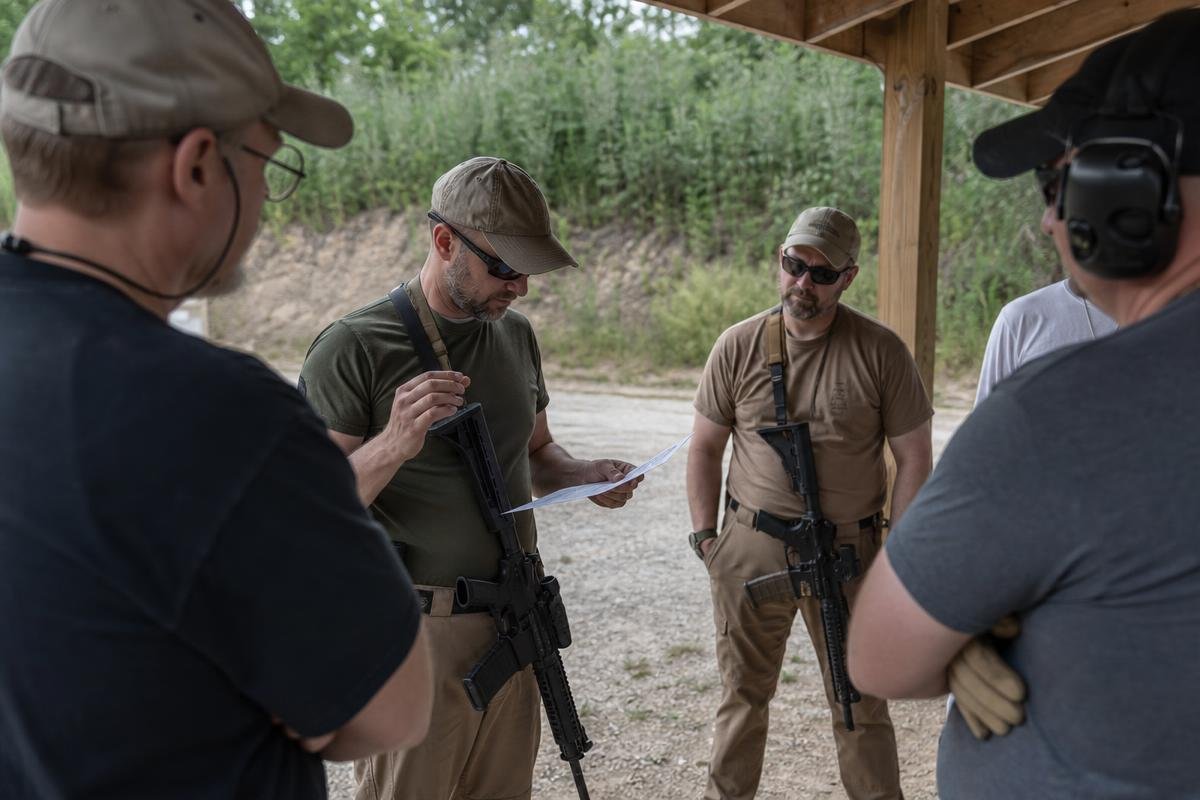
These gun safety tips help Denison rifle owners prepare for a safer, more focused range session. Start with safe handling, the correct ammunition for your barrel marking, protective gear, and a clear understanding of the facility’s rules before loading. For help choosing compatible AR-15 parts for a range setup, contact our team.
Key Takeaways
- Always direct the rifle toward the established safe area or backstop, including while loading, unloading, and casing it.
- Keep your trigger finger indexed along the receiver until you are on target and ready to fire.
- Confirm the range’s rules for calibers, targets, firing positions, cease-fires, and chamber flags before your trip.
- Before shooting, confirm your eye and ear protection, water, weather-ready clothing, and rifle zero.
6 Gun Safety Tips to Follow Before Every Shot
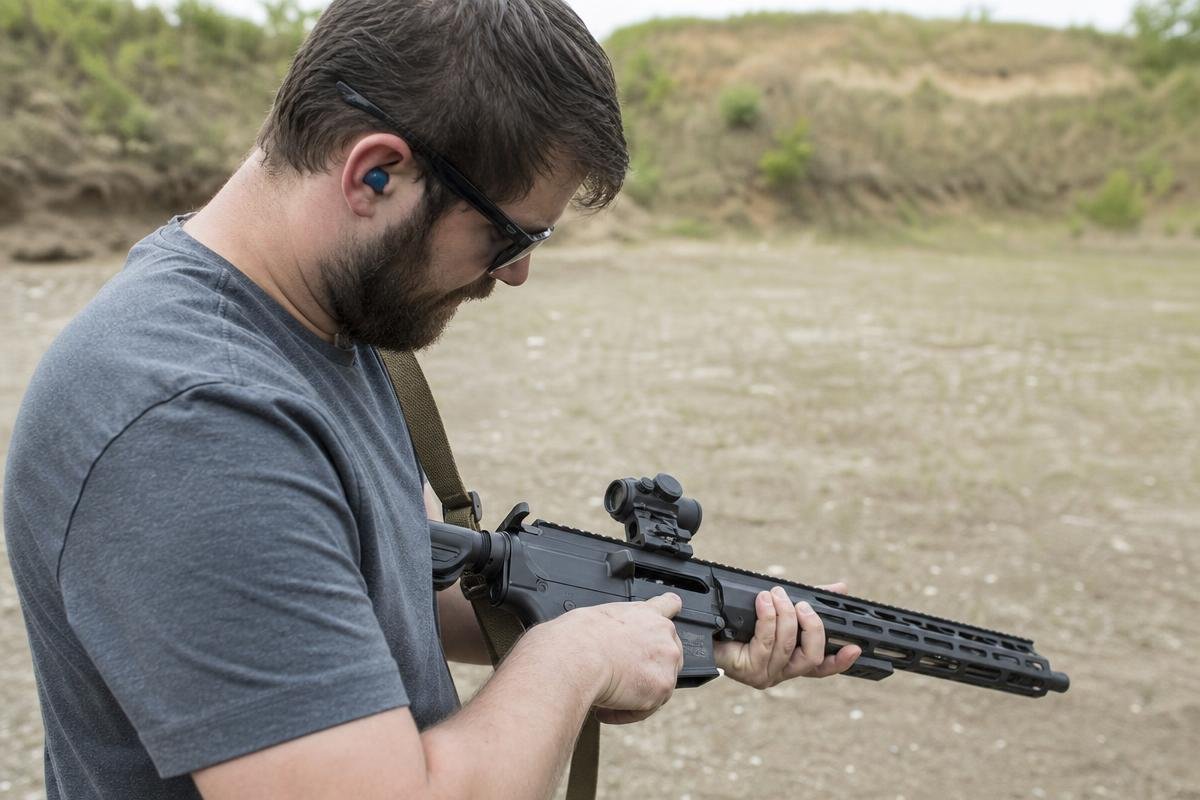
What are the most important rifle safety rules at a shooting range? Treat the firearm as loaded, maintain safe muzzle control, keep your finger off the trigger, know the target and backstop, use ammunition specified for the chamber, and wear eye and ear protection. These principles apply at every facility, regardless of its individual rules.
- Verify the rifle’s condition yourself.
- Keep the bore aimed at the designated safe area.
- Index your trigger finger until the decision to fire.
- Confirm the target and what is behind it.
- Match ammunition to the barrel or chamber marking.
- Use properly fitted eye and hearing protection.
1. Treat Every Firearm as if It Is Loaded
Never assume a rifle is unloaded because the magazine is removed, the bolt appears open, or another person says it is clear. Remove the magazine, lock the bolt to the rear, then visually and physically inspect the chamber and magazine well.
Your AR-15 chamber is clear only after you inspect it yourself. Repeat that check anytime the rifle changes hands or leaves your direct control.
2. Keep the Muzzle Pointed in a Safe Direction
Muzzle discipline means keeping the bore aimed where an unintended discharge cannot injure a person or damage property. At a range, that is normally downrange toward the established backstop. Maintain that orientation while uncasing, loading, clearing, and returning the rifle to the bench. The selector is a mechanical device, not a replacement for careful handling.
3. Keep Your Trigger Finger Indexed Until You Are Ready to Fire
Keep your trigger finger straight along the receiver, outside the trigger guard, until your sights are on target and you have decided to fire. This prevents an unintended trigger press during loading, movement, or a distraction. Make indexing your finger part of every handling step. It applies even when you believe the rifle is unloaded.
4. Identify Your Target and What Is Beyond It
Before shooting, make sure you know the target, the backstop, and what is beyond the target area. Bullets can miss, pass through some materials, or travel beyond an intended target.
Do not fire at a target if you cannot confirm a safe backstop. In North Texas, bright sun, gusty conditions, heat, and fatigue can reduce visibility or concentration, so pause when you cannot clearly identify your target or safely follow the firing line.
5. Match the Ammunition to the Rifle's Chamber Marking
Read the barrel marking and follow the firearm manual and manufacturer guidance for that specific chamber. Do not choose ammunition by appearance, magazine fit, receiver markings, or another shooter’s recommendation.
The relationship between .223 Remington, 5.56 NATO, and other chamber variants should never be reduced to a guess. Verify the actual barrel or chamber marking before loading. If you are setting up one of our 5.56 NATO upper receivers, confirm its marking and use ammunition only as specified by the manufacturer.
6. Wear Eye and Ear Protection Every Time
Wear impact-rated eye protection to guard against debris, gas, and cartridge fragments. Use properly fitted earplugs, earmuffs, or both to reduce exposure to damaging impulse noise. Keep protection on until the range is cold and you have left the firing line. Firearm safety starts before the first round and continues until the rifle is secured.
How to Clear and Inspect an AR-15 Before Handling It
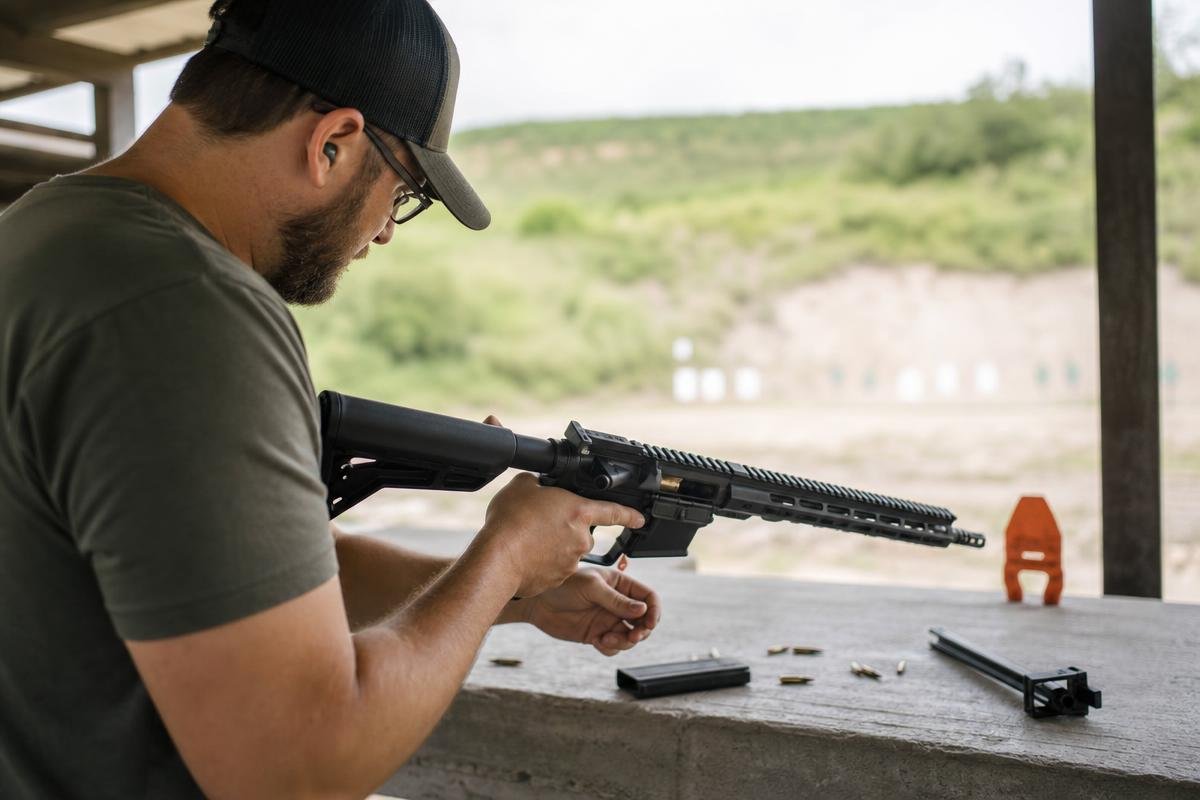
To clear an AR-15, first aim it in the approved safe direction, remove the magazine, lock the bolt open, and inspect the chamber and magazine well yourself. This sequence is useful before handling at home, at the bench, when placing the rifle in a case, or when responding to a cease-fire.
Control the Muzzle Before Touching the Action
Point the muzzle in the range-approved safe direction before you touch the selector, magazine release, charging handle, or bolt catch. Keep your finger indexed outside the trigger guard throughout the process.
Review the facility’s instructions before unpacking. Some locations require an open action or chamber flag during cease-fires and while rifles are resting on the bench, while others may use different procedures.
Remove the Magazine Before Checking the Chamber
Press the magazine release and remove the magazine first. A seated magazine can feed another round when you cycle the action, even if you believe the chamber is empty. Set the magazine aside where you can see it. This simple step prevents ammunition from entering the action during the inspection.
Lock the Bolt Open and Inspect the Chamber and Magazine Well
Pull the charging handle fully to the rear and use the bolt catch to lock the bolt open. Look into the chamber and magazine well. Confirm there is no cartridge, case, or ammunition present.
Use both sight and touch if lighting makes the chamber hard to see, but keep hands away from the muzzle. If you are handling one of our complete AR-15 rifles, follow its manual for model-specific controls and inspection points.
Check the Bore Before Firing
Check that the bore is clear before shooting, especially after storage, transport, a fall, or a suspected squib. A suspected obstruction, damaged cartridge, or rifle with an uncertain mechanical condition should not be fired.
Keep the action open and follow the firearm manual. Have a qualified gunsmith inspect conditions you cannot identify. For product questions, contact AR15Parts.com by phone or through the contact form. We ship from our facility at 4000 Texoma Pkwy, Denison, TX 75020.
Before changing an upper, optic, magazine, or other component, ask about fitment and follow the applicable manufacturer instructions.
What to Do When a Rifle Does Not Fire or Malfunctions
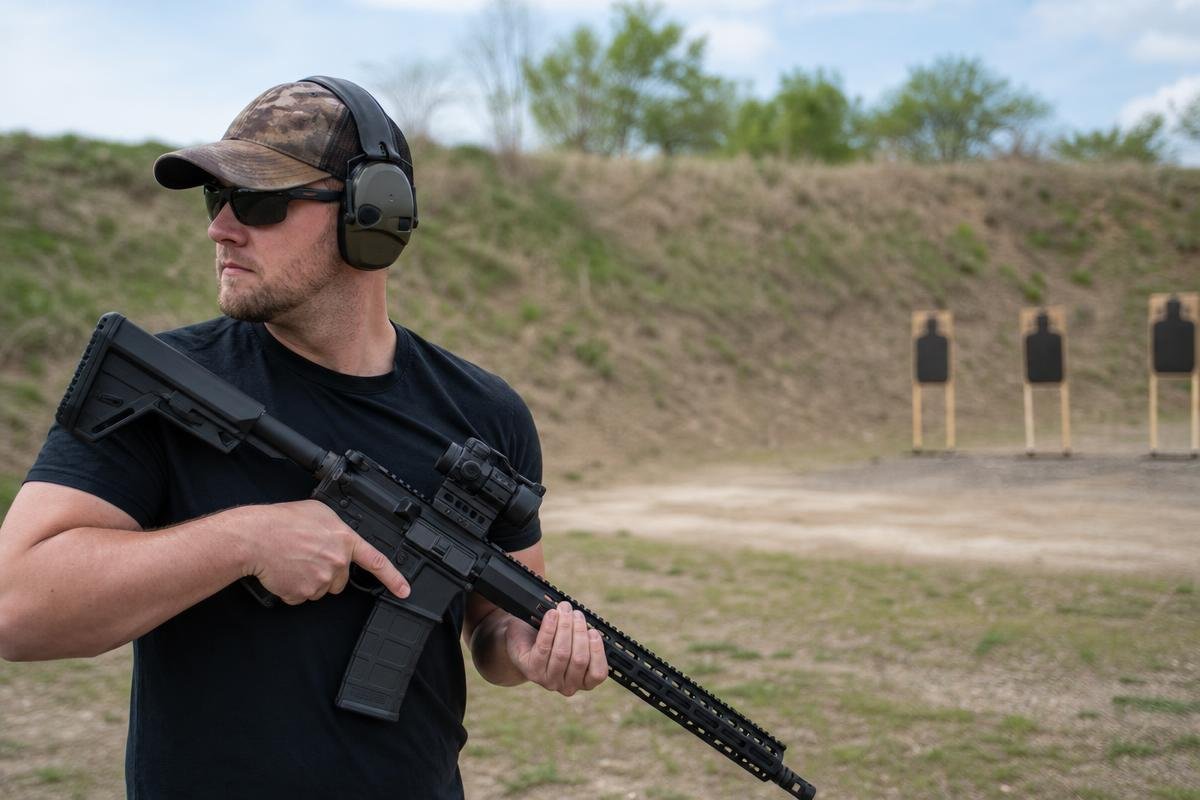
A click without a shot requires the same care as a loaded firearm. Keep the rifle aimed downrange, keep your finger indexed, and do not immediately manipulate the action. Follow the firearm and ammunition manufacturer instructions, along with the range officer’s direction, rather than attempting an unfamiliar malfunction procedure.
Keep the Muzzle Controlled After a Click Without a Shot
After a misfire, keep the rifle directed toward the established safe area. A delayed ignition is possible, so wait the time specified by the rifle or ammunition manufacturer before opening the action.
Do not turn around, lower the rifle casually, or cycle the action without maintaining control. Read your firearm manual for model-specific procedures, especially before handling a new complete rifle or upper assembly.
Follow the Range's Malfunction and Cease-Fire Procedures
Facilities may use different commands, bench rules, and procedures for a firearm that will not fire. Follow the posted instructions and ask the range officer for direction instead of improvising. Keep the rifle in the designated safe orientation until staff direct otherwise. If heat, wind, glare, or fatigue makes it harder to hear commands or assess the rifle’s condition, stop and reset before continuing.
Stop Shooting After Signs of an Ammunition or Bore Problem
Stop shooting immediately after unusual recoil, a weak report, a split case, a damaged cartridge, or a suspected squib. A bore obstruction can damage the rifle if another round is fired behind it.
Do not attempt to diagnose an uncertain mechanical condition at the firing line. Refer to the firearm manual and have a qualified gunsmith inspect the rifle if the cause is unclear. For questions about complete AR-15 rifles or compatible components, reach out to our team.
Need help identifying a rifle or component concern? Call us at (888) 706-0633.
Safe Storage Checklist for Rifles, Ammunition, and Accessories
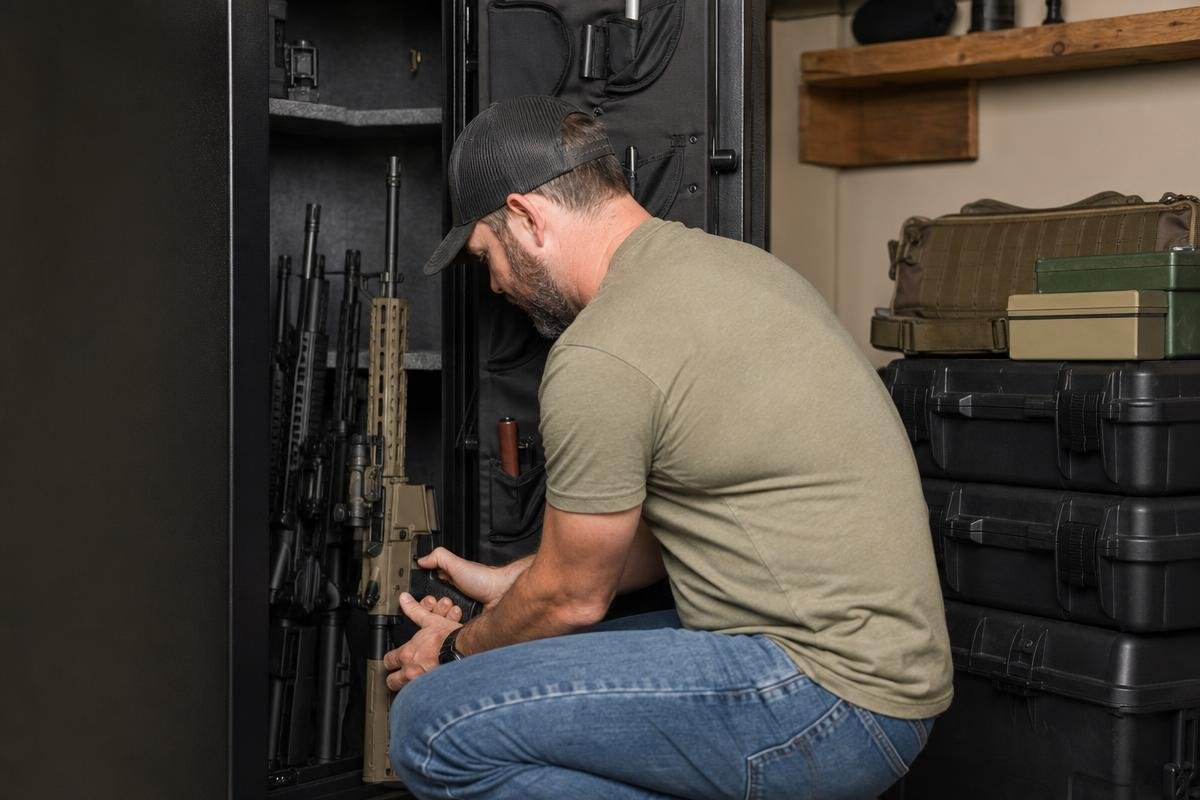
Safe firearm storage starts before the rifle goes into a case, cabinet, or safe. Store guns unloaded, locked against unauthorized access, and separate from locked ammunition. A lock supports safe gun handling, but it does not replace supervision and household access control.
Unload and Verify the Rifle Is Clear
Remove the magazine, lock the bolt to the rear, and inspect the chamber before storage. Check the magazine well and bolt face as well. Keep the rifle oriented toward a safe area throughout the process.
Do not rely on a selector position as proof the rifle is unloaded. This applies to complete rifles, assembled uppers, and any AR-platform firearm you handle at home.
Choose a Locking Method That Fits Your Household
Choose a storage method based on who has access, how many firearms you store, and how quickly authorized users need access. Trigger locks and cable locks can prevent operation, but they are not enough on their own in homes with children, guests, or unauthorized users.
- Use a cable lock through the action to prevent the bolt from closing.
- Use a trigger lock only after verifying the rifle is unloaded.
- Use a lockable case for secured storage or transport.
- Use a strongbox, locking cabinet, or safe for greater physical security.
Local note: Local public-safety resources may offer firearm safety locks. Confirm availability directly with the appropriate local agency.
Control Access to Keys, Codes, and Ammunition
Keep keys, combination codes, and biometric access limited to authorized adults. Do not leave safe keys on hooks, in desk drawers, or inside the storage cabinet. Store ammunition locked and away from firearms. Separate loaded magazines from the rifle as well. This adds another barrier if someone gains access to the firearm.
Secure Rifles for Home Storage and Transport
Use a lockable case before transporting a rifle, and verify the rifle is unloaded before it goes inside. Secure magazines, optics, bolts, and other accessories so they cannot shift or damage the firearm during travel.
For help identifying parts for a safe storage setup, contact our team. Plan travel time for North Texas weather and secure the case in the vehicle so it does not slide, tip, or become damaged in transit.
Range Preparation for Denison Rifle Owners
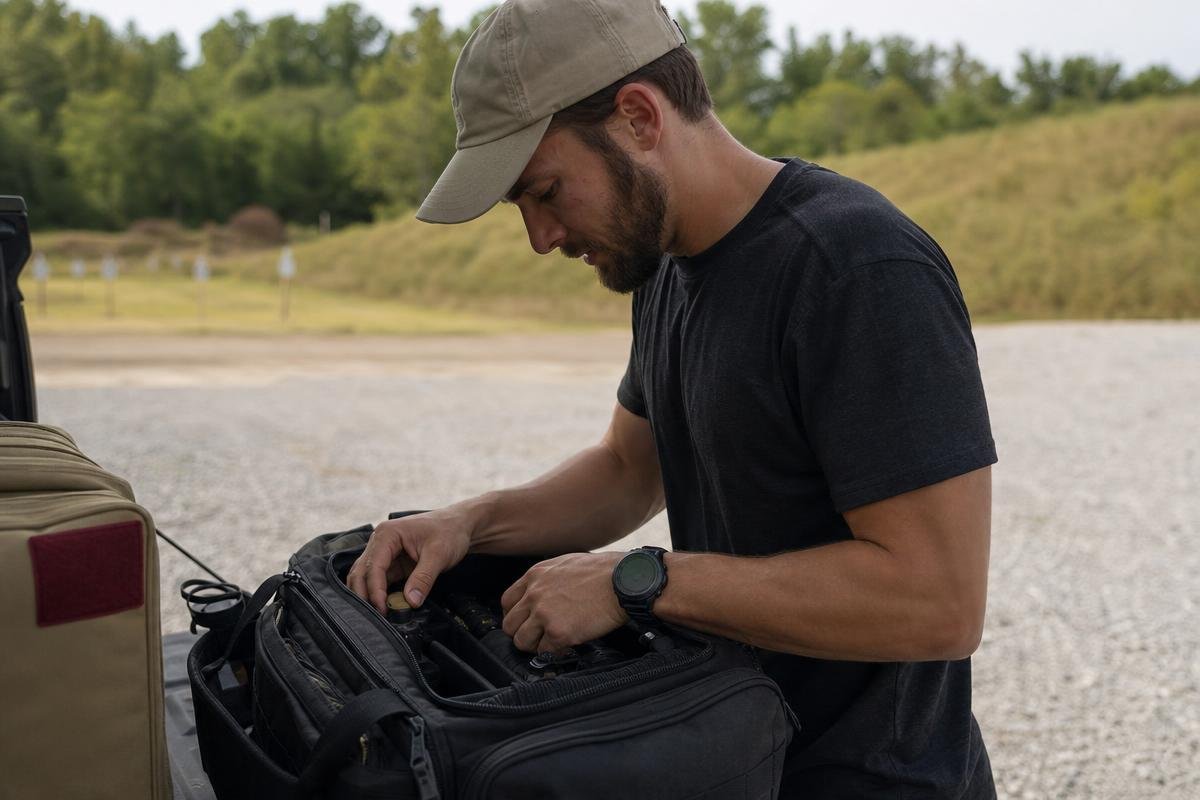
Denison and Texoma-area shooters can reduce avoidable firing-line problems by organizing gear before departure and reading the destination range’s current policies. Conditions in North Texas can change quickly, from high heat and sun exposure to wind and storms, so build safety checks into your plan before you arrive.
Review Posted Rules Before You Pack
Each range sets its own rules for approved calibers, target types, firing positions, chamber flags, and rapid-fire limits. Read those rules before you pack a rifle, including complete AR-15 rifles and any ammunition for the session.
Know the cease-fire procedure before loading a magazine. During a cease-fire, unload as directed, open the action, leave the rifle in the condition required by the facility, and follow staff instructions without delay.
Prepare for Heat, Wind, and Focused Practice
North Texas summer heat can make dehydration and fatigue arrive sooner than expected, while wind can move impacts and make target observation harder. Pack water, use weather-appropriate clothing, take breaks before focus slips, and stop if you cannot see targets or hear range commands clearly.
When confirming a zero after changing an optic, mount, upper, or ammunition type, use a stable bench or supported position and begin at the range distance allowed by the facility. Confirm the firearm is mechanically secure, fire deliberate groups, record adjustments, and verify results before moving to another distance. Never adjust sights while handling a loaded rifle or during a cease-fire.
Pack Safety Gear and the Correct Ammunition
Bring the equipment needed to handle the rifle safely from the vehicle to the bench. Pack:
- Eye protection and hearing protection
- Water and weather-appropriate clothing
- A chamber flag, if the range requires one
- Targets and approved target hardware
- Ammunition that matches the barrel or receiver chamber marking
Keep ammunition in labeled boxes or separate compartments so cartridges do not get mixed. Read the marking on the barrel or upper, then follow the rifle manufacturer’s manual for approved ammunition. Check the marking on your 5.56 NATO upper receiver before loading, and do not rely on generalized chamber-compatibility advice when the marking or manual is unclear.
Frequently Asked Questions
What Are the Most Important Safety Rules for a First-Time Rifle Owner?
Start with muzzle control, unloaded verification, trigger discipline, target awareness, and correct ammunition. Keep your finger off the trigger until sights are on target, and get supervised instruction before live fire.
Is the Safety Selector Enough to Make an AR-15 Safe?
No. A safety selector is a mechanical feature, not a substitute for AR-15 safety practices. Treat every rifle as loaded, keep the muzzle pointed in a safe direction, and verify the chamber yourself.
How Should I Store a Rifle and Ammunition at Home?
Store guns unloaded and secured in a safe, cabinet, strongbox, or locked case. Keep ammunition separately locked and away from the rifle for safe firearm storage. Choose a setup that limits unauthorized access and fits your household.
What Should I Do After a Click Without a Shot?
Keep the muzzle pointed safely downrange and keep your finger outside the trigger guard. Wait according to facility procedures, then ask a range officer for help if you are unsure how to clear the malfunction.
Can I Transport a Loaded Rifle to the Range?
Do not assume transport rules are the same at every location. Review current Texas law, check each facility's posted requirements, and transport firearms in a condition that meets those rules.
Why Should I Check the Barrel Before Shooting?
A blocked barrel can create unsafe pressure when a round is fired. Check for mud, cleaning patches, damaged bullets, or other obstructions before shooting. If anything appears blocked, stop and have the rifle inspected before firing.
Before your next range session, inspect your rifle, confirm the chamber marking, pack required safety gear, and review facility rules. For questions about rifles, parts, and accessories, call (888) 706-0633 or contact our team. We ship from our Denison, TX facility at 4000 Texoma Pkwy, Denison, TX 75020.
Ready to Get Started with AR15Parts.com?
Call (888) 706-0633 to speak with our team directly. We're ready to answer your questions, walk you through your options, and help you find the right solution for your needs. Whether you're just starting to plan or ready to move forward, we'll make the process simple and stress-free. Reach out today and let's talk about how we can help.