
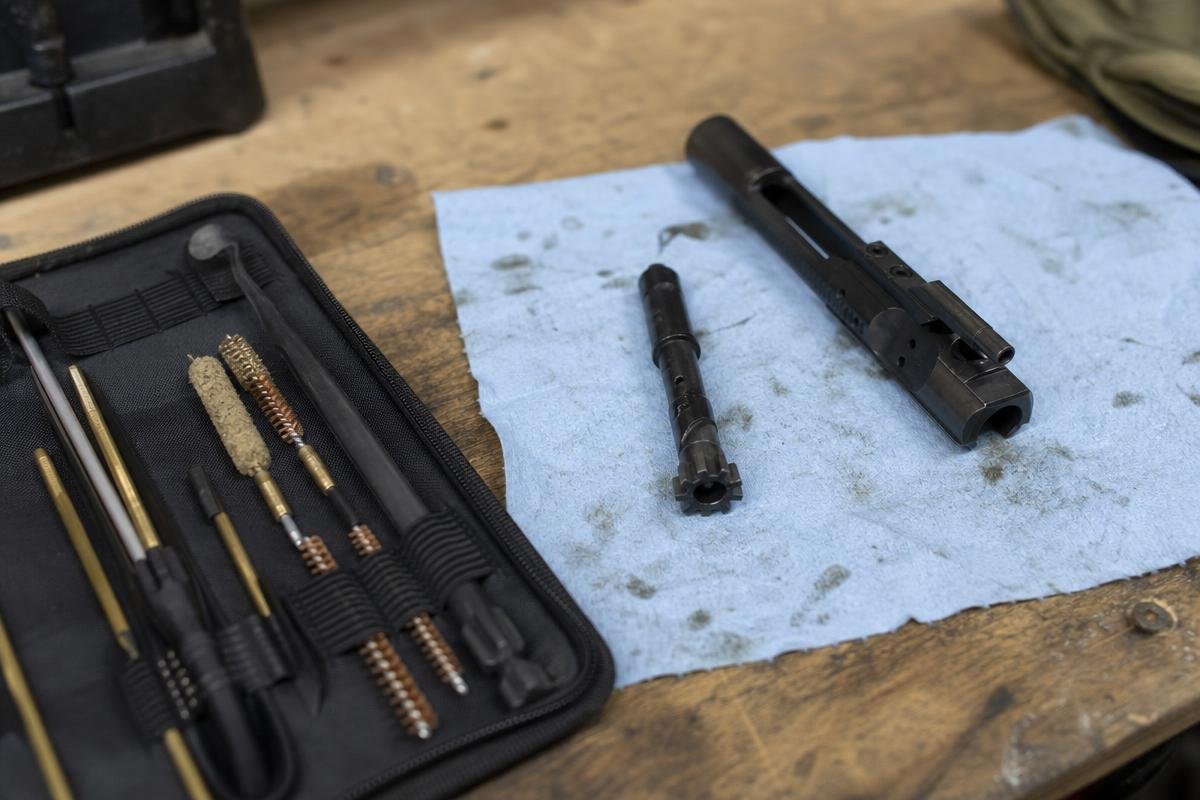
AR15Parts.com shares practical AR-platform parts and maintenance information for rifle owners. Here's how often to clean your AR-15: inspect it after every range trip, use the rifle manufacturer’s service guidance and the rifle’s condition to determine routine cleaning during typical unsuppressed use, and clean it sooner after rain, dust, suppressor use, malfunctions, or before long-term storage. For help finding replacement parts, use the call button below.
Key Takeaways
- Inspect the chamber, bore, action, lubrication, and magazines after every use.
- For ordinary unsuppressed range use, treat round count as a reminder to inspect the rifle, not as a universal cleaning interval.
- Service the rifle sooner after dusty, wet, suppressed, or high-volume shooting, or whenever reliability changes.
- Before storage, remove moisture and grit, use a light lubricant film on bearing surfaces, and avoid sealing a damp rifle in a case.
How Often Should You Clean an AR-15?
Use round count as a planning tool, not a guarantee. A clean, lubricated rifle that is cycling normally may not need a complete teardown after a brief dry outing, while a rifle exposed to dust, moisture, or suppressor fouling may need attention immediately. Visible grit, a dry action, unusual resistance, and reliability problems always override the numbers below.
| Shooting or Storage Condition | Inspection Timing | Cleaning Recommendation | Key Areas to Inspect |
|---|---|---|---|
| Light, dry range use | After every use | Wipe down and relubricate as needed; a full cleaning may wait. | Chamber, bore, carrier rails, magazines |
| Typical unsuppressed use as round count increases | After the session | Routine cleaning and function check | Chamber lugs, bore, bolt, extractor, carrier, buffer system |
| High-volume or suppressed firing | During and after the session | Clean and relubricate sooner, often before the next outing | Action fouling, bolt tail, extractor, gas rings, lubricant condition |
| Dust, rain, mud, or damp transport | Same day | Remove contamination and moisture before storage | Bore, chamber, receiver interior, exterior steel, magazines |
| Long-term storage | Before storage and periodically while stored | Clean if contaminated, inspect for corrosion and dried lubricant | Bore, chamber, moving parts, buffer spring, case moisture |
Round Count Is a Starting Point, Not a Cleaning Rule
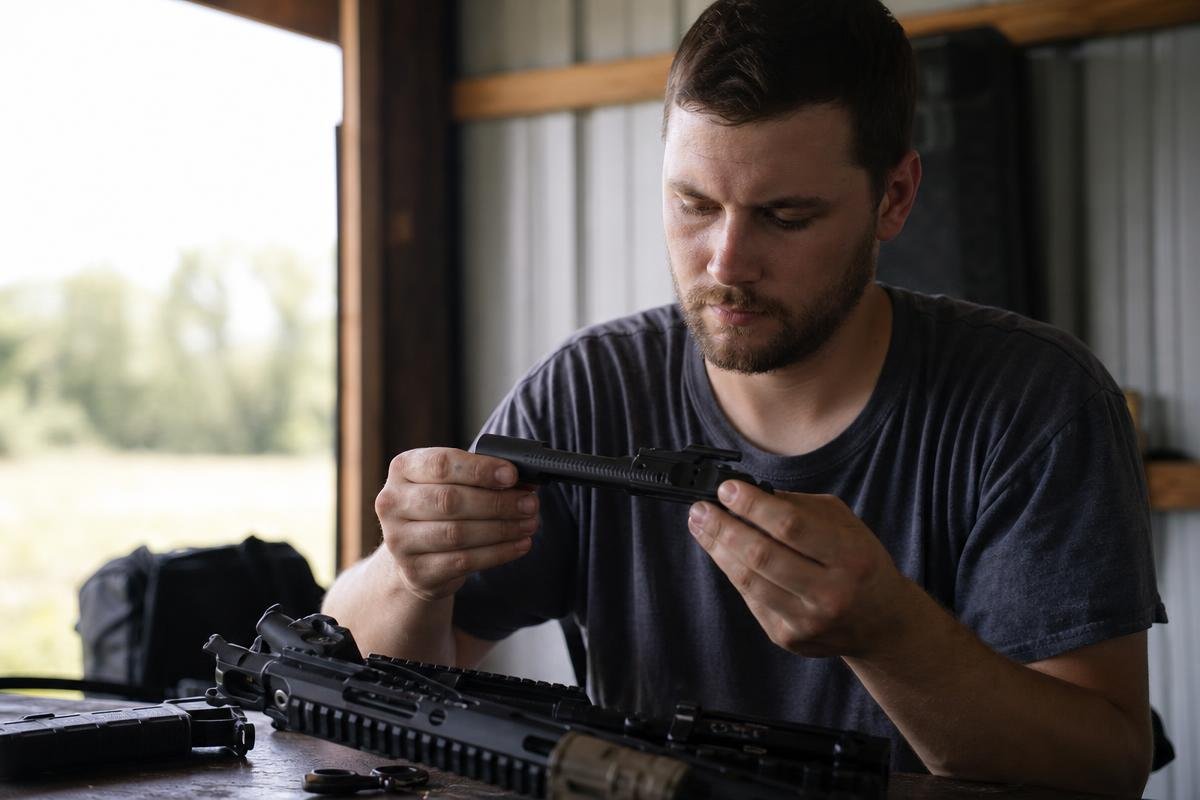
Ammunition, gas system setup, lubricant, carrier coating, and field conditions all affect a rifle maintenance interval. Focus on function first. Smooth action movement, reliable feeding, extraction, ejection, and bolt lock-back are more important than removing every trace of normal carbon staining.
After a Light Range Session
After a short, dry session, inspect the unloaded rifle rather than automatically performing a complete teardown. Check the chamber and bore for debris, wipe away visible fouling on accessible action surfaces, and confirm the bolt, cam pin, carrier rails, and charging handle contact points still have a light lubricant film.
A post-range inspection does not always require deep cleaning. However, if the rifle traveled in an open vehicle, sat on dusty ground, or was packed away while damp, treat contamination and moisture before putting it away.
After Several Hundred Rounds
As round count increases during ordinary unsuppressed shooting, inspect the rifle and perform routine cleaning based on its condition and the manufacturer’s guidance. Clean the chamber and bore, wipe receiver surfaces, clear the charging handle channel, and inspect the bolt, locking lugs, extractor area, gas rings, cam pin, and carrier rails.
End reassembly with an unloaded function check. If you are evaluating a new setup, our complete AR-15 uppers let you match the upper, barrel, and gas system to your intended use.
After High Volume or Suppressed Shooting
High-volume firing and suppressor use add heat and fouling to the action more quickly. Clean and relubricate sooner if the carrier begins to feel sluggish, lubricant turns thick and dirty, or you notice weak extraction, feeding issues, inconsistent cycling, or failure to lock back.
Many suppressors increase backpressure and can send more fouling into the receiver, although the effect varies by suppressor and rifle configuration. Do not wait for a fixed number if the rifle shows it needs service. For questions about compatible upper configurations or replacement parts, contact AR15Parts.com at (888) 706-0633.
Conditions That Mean You Should Clean It Sooner
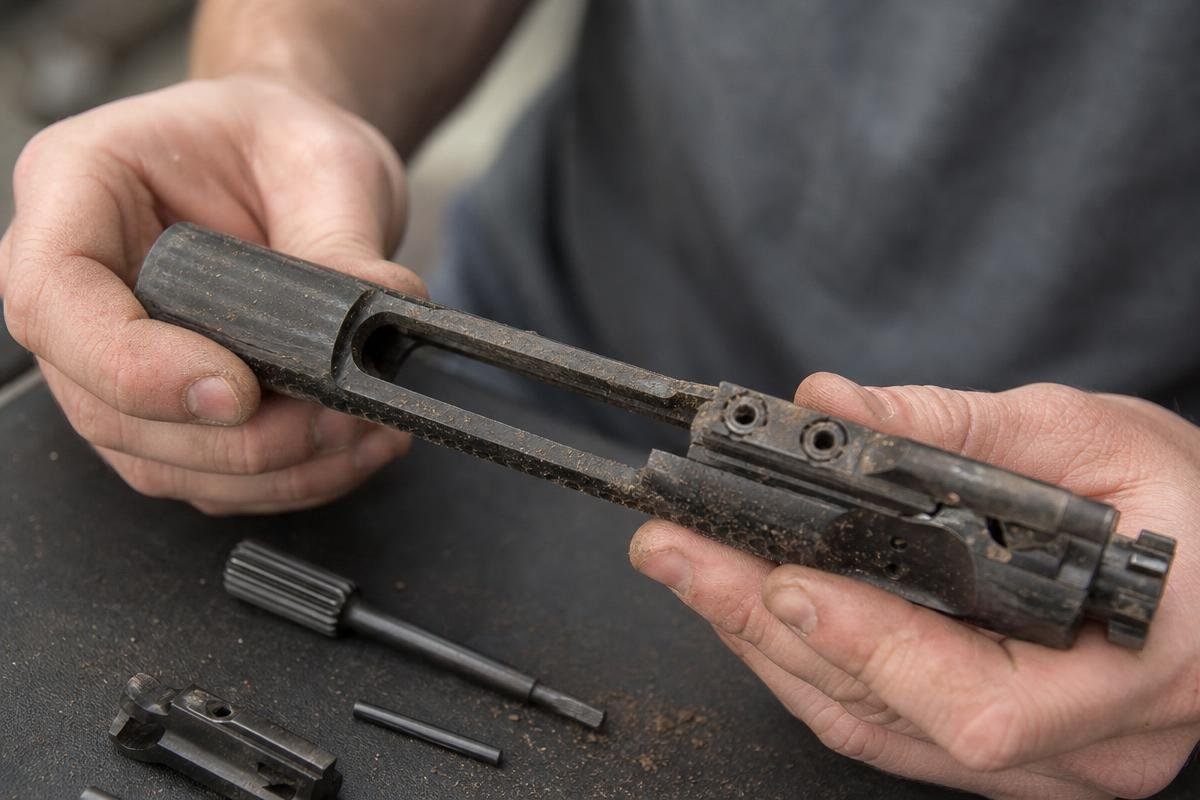
Round count is only one part of the decision. Dust, moisture, and a sudden malfunction can justify an unloaded inspection before the next planned service.
Dust, Fine Grit, and Excess Lubricant
Clean the rifle sooner after dusty or windy shooting conditions. Fine grit mixed with excess oil can become abrasive on carrier rails, in the charging handle path, and around other moving surfaces.
Wipe away visible grit before adding lubricant. Then clean the accessible action surfaces, upper receiver interior, chamber, and bore as needed. A light, controlled lubricant film is preferable to pooled oil, which can collect more debris during transport and range use.
Rain, Humidity, and Condensation
Water exposure calls for a same-day inspection, even after a short session. Wipe exterior moisture from the rifle, inspect the chamber and bore, and check steel surfaces for early corrosion before storage.
Seasonal North Texas temperature changes can create condensation when a cold rifle is moved into warm indoor air. Do not place it directly into a closed case while moisture is present. Let the rifle dry, inspect it, and avoid trapping damp fabric against metal.
Malfunctions Need Inspection, Not Guesswork
Stop shooting and inspect an unloaded rifle after failures to feed, failures to extract, short stroking, sluggish action movement, or unusual chambering resistance. Check the chamber, magazines, visible fouling, and lubrication condition before returning the rifle to service.
Cleaning does not repair every malfunction. Cycling problems can involve ammunition, magazines, gas system configuration, worn components, or assembly issues. If you need replacement components or want to compare complete AR-15 uppers, we ship from our Denison, TX facility.
A Safe AR-15 Cleaning Sequence for the Parts That Matter Most
A safe cleaning sequence starts with an unloaded rifle and ammunition kept off the bench. Following the same order each time helps you inspect the areas that collect fouling and identify debris picked up during transport.
Make the Rifle Safe Before Cleaning
Remove the magazine first. Lock the action open, then visually and physically verify the chamber is empty. Keep loose ammunition in a separate area before you begin. After a range trip, check the exterior for sand, grass, moisture, and other debris before opening the action. Separate the upper and lower receivers, then remove the charging handle and carrier assembly.
Clean the Upper Receiver and Bolt Carrier Group
Clean the chamber lugs, chamber, bore, charging handle channel, and upper receiver interior first. Use a chamber brush from the chamber end, followed by solvent patches and dry patches. A properly sized rod or pull-through system removes bore fouling without unnecessary abrasion.
Focus action cleaning on the bolt tail, locking lugs, extractor area, gas rings, cam pin, carrier rails, and bolt face. Disassemble only as far as you can confidently reassemble. Routine service normally includes removing the firing-pin retaining pin, firing pin, cam pin, and bolt in the manufacturer-specified order; remove the extractor only when the manufacturer’s procedure or inspection requires it.
Inspect the bore for heavy copper fouling, pitting, or damage. If you find a worn or damaged upper component, compare options in our complete AR-15 upper selection.
Inspect the Lower, Buffer System, and Magazines
Wipe loose fouling from the lower receiver, trigger area, and magazine well. Do not flood the fire-control group with solvent or oil. Inspect the buffer spring and buffer tube only as permitted by the rifle manufacturer’s procedure and only if you can remove and reinstall the components correctly.
Inspect each magazine body, follower, spring, and feed lips. Dirt inside a magazine can cause feeding problems that look like a rifle malfunction. Keep magazine interiors dry, and replace any magazine with a cracked body or spread feed lips.
Reassemble and Function Check Safely
Apply lubricant lightly to bearing surfaces such as the carrier rails, cam pin, bolt exterior, and charging handle contact points. Do not leave pooled oil inside the action, chamber, or buffer tube.
Reinstall the charging handle and carrier assembly, join the receivers, and confirm the rifle remains unloaded. Perform a basic function check with no ammunition present. Every cleaning should end with this inspection, not just a quick wipe-down.
For parts questions, contact AR15Parts.com through our contact page or call (888) 706-0633.
What to Clean, What to Lubricate, and What to Leave Alone
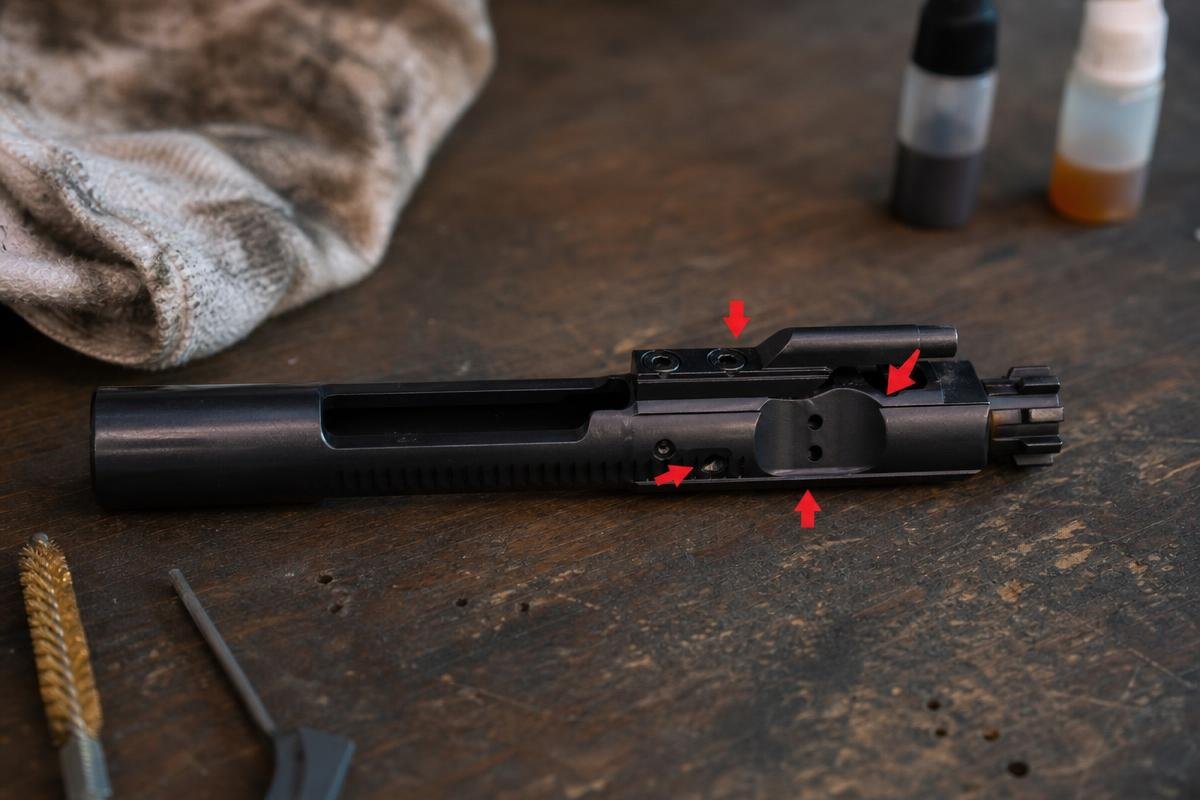
Cleaning should restore free movement, not make every internal part look new. Carbon on the bolt tail and inside the carrier is normal. Remove loose fouling, clean the chamber area and receiver surfaces, then inspect for damage, cracks, abnormal wear, and binding.
Focus on Functional Movement, Not a Showroom Finish
The bolt should move smoothly in the carrier, the cam pin should rotate freely, and the extractor should not bind. Avoid aggressive scraping on the bolt tail, carrier bore, or chamber surfaces. Do not force tools into the gas tube, and keep solvent and oil away from loaded ammunition and primers.
A clean bore and chamber matter, but discoloration alone is not a failure. For replacement components and complete assemblies, see our complete AR-15 uppers.
Lubricate Bearing Surfaces Lightly
Apply a light, visible lubricant film to the carrier rails, cam pin contact surfaces, bolt exterior bearing surfaces, and charging handle contact path. The rifle should not run dry, but oil should not pool inside the receiver or drip from the carrier.
Wipe away excess before reassembly, particularly after outdoor use where dust can cling to wet surfaces. A common mistake is adding more oil to a gritty action without first removing the contamination.
Know When Cleaning Will Not Solve the Problem
Cleaning cannot repair worn gas rings, damaged extractor parts, cracked magazine feed lips, a rough chamber, or a suspected barrel obstruction. If the rifle continues to have extraction failures, weak ejection, repeated feeding problems, damaged parts, or uncertain headspace after normal maintenance, stop firing and have it inspected by a qualified firearms professional.
We ship from our facility at 4000 Texoma Pkwy, Denison, TX 75020. For compatible replacement components, call (888) 706-0633.
Storage Checks Matter Even When You Have Not Fired a Round
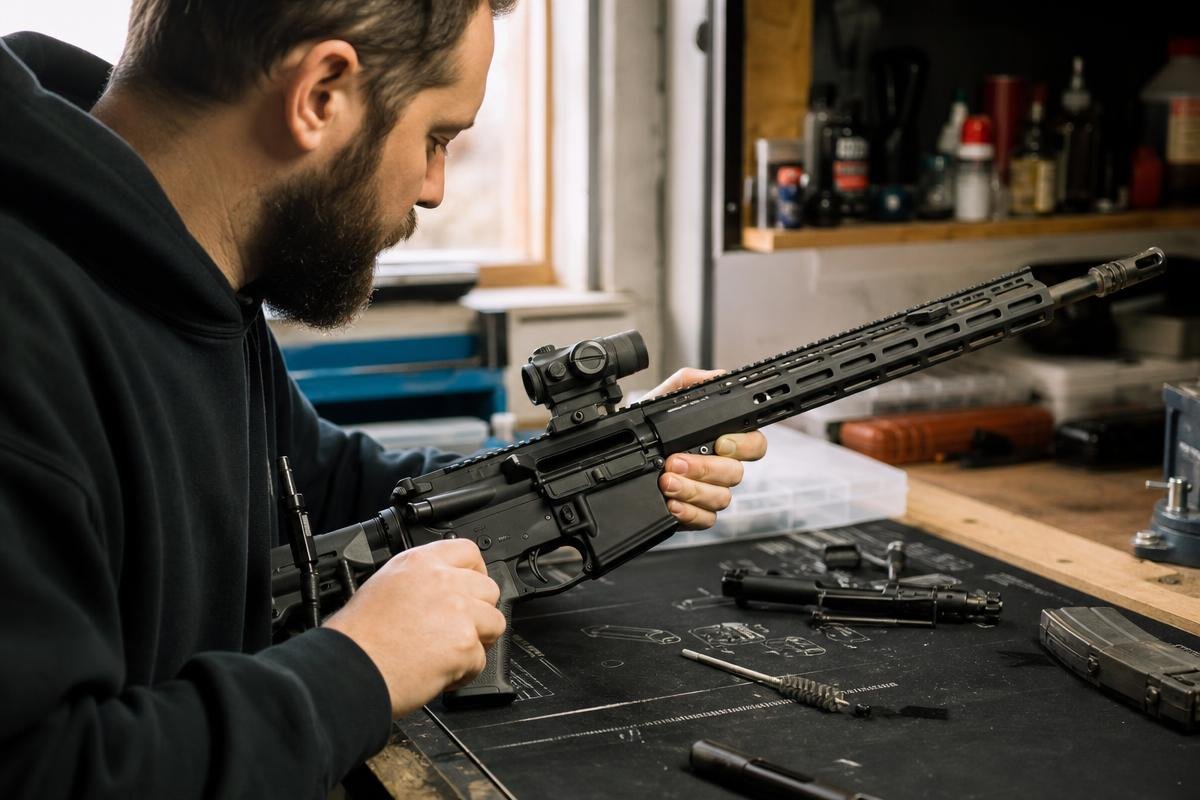
You do not need a full cleaning after an AR-15 has sat unfired, but it still needs periodic inspection. Storage planning should account for temperature swings, moisture exposure during transport, dust, and the condition of the lubricant.
Inspect Stored Rifles Periodically
Store the rifle unloaded in a dry, secure location that follows applicable laws and manufacturer guidance. Check exposed steel for surface corrosion, inspect the bore for obstructions, and look for dust or debris around the action.
Soft cases and closed hard cases can trap moisture against metal during extended storage. Check that lubricant on moving parts has not dried out, and confirm the adjustable stock moves normally and the buffer tube assembly is secure.
Run a Pre-Range Check Before Loading
Before loading at the range, inspect the rifle for visible rust, a clear bore, and normal charging handle and action movement. Check receiver and optic fasteners for security, then inspect magazines for cracked feed lips, damaged bodies, or slow or binding follower movement.
A quick pre-range check catches storage problems without requiring a teardown. If you find corrosion, a bore obstruction, or a part that does not move correctly, address it before firing. For replacement assemblies, we carry complete AR-15 uppers for common builds and calibers.
If you need help identifying a compatible part, contact AR15Parts.com at (888) 706-0633.
AR-15 Maintenance Considerations for Denison Shooters
Outdoor use can leave dust, windblown debris, and moisture in places you may not notice at the firing line. Before you case the rifle, make a quick post-transport inspection part of your maintenance routine.
Check the Rifle Before It Goes Back Into Its Case
Clear the rifle first, then inspect the bore and chamber area for debris or moisture. Check exterior metal for fingerprints, water, or grit. Look through the action openings and confirm the carrier moves freely with visible lubricant on its normal bearing surfaces.
Inspect magazines before they go into the case. Wipe off dirt, check feed lips for damage, and make sure the follower moves without binding. A dirty magazine can cause problems even when the action is clean.
Choose Parts and Accessories With Routine Inspection in Mind
A 5.56 NATO complete upper receiver still needs an inspection-based maintenance schedule tailored to its use and configuration. Its chamber, action components, gas system area, and lubrication points still need routine inspection after use and before storage. See our 5.56 NATO complete upper receivers if you are setting up a common range or defensive rifle configuration.
We sell firearms, parts, and accessories online and ship from our facility at 4000 Texoma Pkwy, Denison, TX 75020. Complete firearms ship to the buyer's FFL for transfer. Our complete AR-15 uppers give you another option when you need an assembled upper for a compatible lower receiver after confirming the caliber, receiver pattern, magazine, buffer system, and manufacturer specifications.
Frequently Asked Questions
These answers give you a practical AR-15 cleaning schedule without treating every rifle or range trip the same. Check function, fouling, and lubrication after use, then clean based on what the rifle shows you.
Should I Clean My AR-15 After Every Range Trip?
Inspect and lubricate your rifle after every range trip. A full cleaning is not always needed, but check the chamber, bore, bolt carrier group, and magazines for fouling, moisture, or damage. Check it again after outdoor transport around Denison before putting it into storage.
Can an AR-15 Run Reliably While Dirty?
Yes, an AR-style rifle can run dirty if the moving parts are properly lubricated. Do not ignore sluggish cycling, failures to feed, weak extraction, or a bolt that will not lock back. Those symptoms call for inspection before more rounds are fired.
How Often Should I Inspect an Unfired AR-15?
Inspect an unfired stored rifle periodically for corrosion, moisture, bore obstructions, and free action movement. Confirm the bolt carrier moves smoothly and the bore is clear before loading it. This is a basic part of any AR-15 maintenance guide.
Should I Clean Inside the Gas Tube?
No, routine AR-15 bolt carrier group cleaning does not include scraping or pushing tools through the gas tube. Carbon buildup normally does not require it, and inserted tools can damage or obstruct the gas tube. Clean the accessible gas key area instead.
How Much Lubricant Does an AR-15 Need?
Apply a visible light film to the bolt carrier rails, cam pin, bolt body, and charging handle contact surfaces. The carrier should have a light, visible film of lubricant but should not drip. Wipe away pooled oil that can collect grit.
What Should I Do if Cleaning Does Not Fix a Malfunction?
Stop firing, unload the rifle, and inspect it safely. Check ammunition, magazines, extractor condition, gas system parts, and wear on the bolt carrier group. If the cause is uncertain, consult a qualified firearms professional before firing again.
Need replacement parts, magazines, upper components, or maintenance accessories for your AR platform? Contact AR15Parts.com at (888) 706-0633 or contact our team for help choosing parts and accessories that ship from our Denison, TX facility.
Ready to Get Started with AR15Parts.com?
Call (888) 706-0633 to speak with our team directly. We're ready to answer your questions, walk you through your options, and help you find the right solution for your needs. Whether you're just starting to plan or ready to move forward, we'll make the process simple and stress-free. Reach out today and let's talk about how we can help.