

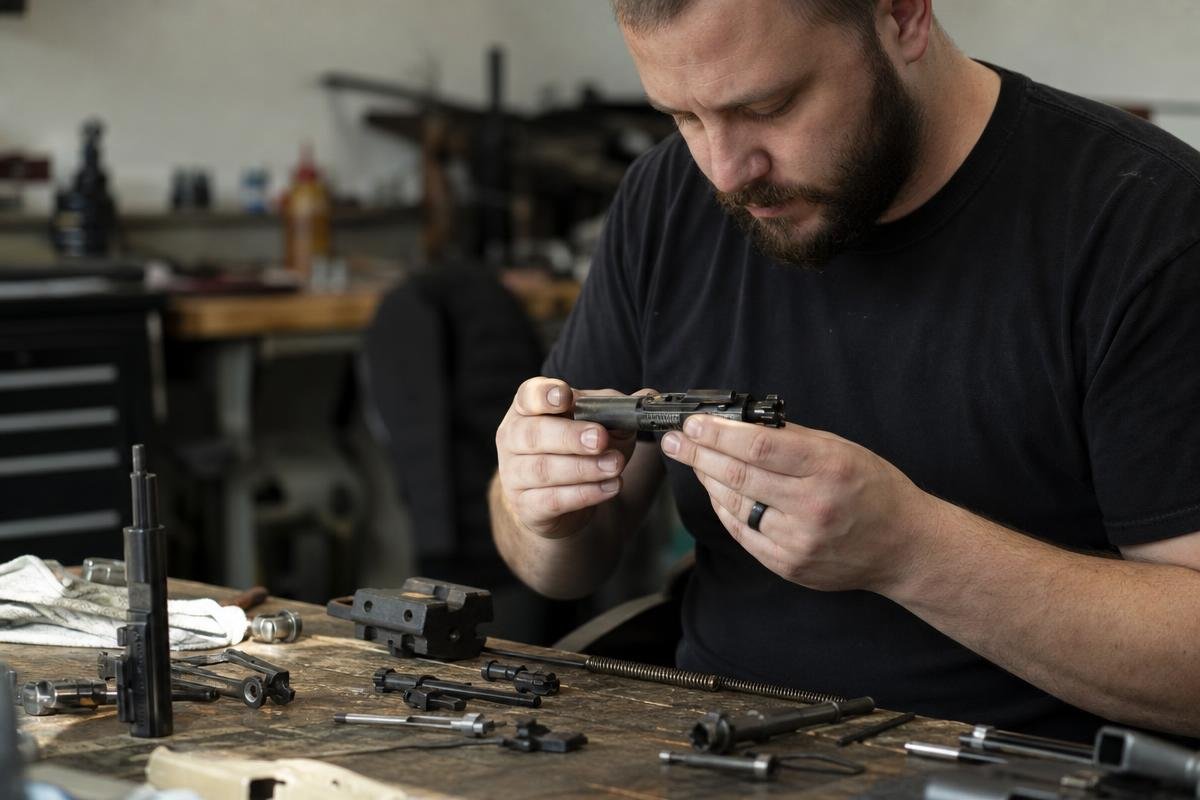
An AR-15 not cycling usually comes down to an ammunition or magazine variable, carrier friction, gas delivery, or a recoil-system mismatch. Identify exactly where the firing cycle stops before replacing parts, then test one controlled variable at a time.
AR15Parts.com ships from our Denison, TX facility. Contact our team for help identifying compatible AR-15 replacement parts before ordering components for a build or troubleshooting project.
Key Takeaways
- An AR-15 not cycling often points to ammunition, magazine, gas-delivery, bolt carrier, buffer, or spring issues.
- Failure to eject, incomplete feeding, short stroking, and no lock-back each narrow the inspection path.
- Establish a baseline with safe handling, suitable factory ammunition, a proven magazine, and a clean, lubricated carrier before changing parts.
- Suspected headspace, barrel-port, gas-block installation, loose carrier-key, or damaged-component concerns require qualified in-person service.
Why Is My AR-15 Not Cycling?
An AR-15 may fail to cycle because the bolt carrier does not receive enough energy to travel fully rearward, or because friction, magazine presentation, or chambering resistance interrupts the cycle. Start by matching the observed symptom to the stage that is failing. Use this quick reference before replacing components:
| Observed symptom | Likely areas to check | Safe next step | When to stop |
|---|---|---|---|
| Fired case remains in chamber | Extractor, ejector, chamber cleanliness, carrier travel | Inspect case rim marks and clean the chamber | Stop for damaged cases, suspected headspace issues, or repeated stuck cases |
| Case ejects but no new round feeds | Magazine, carrier travel, buffer and spring, chamber | Test a proven magazine with appropriate factory ammunition | Stop if cartridges are damaged or the bolt will not fully close |
| Carrier moves but does not lock open on an empty magazine | Magazine follower, ammunition, gas system, recoil system | Use a one-round test with another proven magazine | Stop if a gas-system or carrier-key installation problem is suspected |
| Round starts into chamber but will not seat | Chamber, ammunition dimensions, bolt lugs, carrier movement | Unload and inspect the cartridge and chamber | Do not force the round into battery |
This process prevents changing a gas block, buffer, and magazine simultaneously, which removes the evidence needed for a useful diagnosis during a controlled range test.
Failure to Eject

An AR-15 that does not eject may leave the fired case in the chamber or pull it from the chamber without clearing the action. Possible causes include weak extraction, ejector issues, a dirty chamber, insufficient carrier speed, or inadequate gas delivery.
Inspect the case rim for extractor damage and check that the ejector moves freely. Carbon or fouling in the chamber can grip a fired case tightly enough to slow extraction.
Failure to Feed the Next Round
A feeding failure occurs when the bolt returns without stripping a cartridge, or when it catches the cartridge at the wrong angle. Magazine feed lips and follower movement are common starting points because they control cartridge presentation.
Incomplete carrier travel, excessive recoil-system resistance, and chamber fouling can produce the same symptom. If an upper has repeated feeding trouble after baseline checks, compare its configuration with properly assembled complete AR-15 uppers built around matched components.
Short Stroking and Failure to Lock Back
Short stroking means the bolt carrier moves rearward but does not travel far enough to complete the cycle. The rifle may eject a case yet fail to pick up the following cartridge or hold open after the magazine is empty.
A bolt that stays forward after a one-round test is a useful clue, not final proof of a gas problem. Magazine follower function, ammunition, carrier drag, buffer weight, spring resistance, and gas flow can all affect the result.
A Round That Will Not Chamber
A round that will not chamber is different from a feed-path problem. If the cartridge leaves the magazine but stops short of full lockup, inspect the chamber, ammunition dimensions, bolt lugs, and bolt carrier movement. Do not force a round into battery, especially if the cartridge shows bullet setback, a damaged case rim, or visible fouling. Unload the rifle and inspect it before continuing.
What Should You Check First When an AR-15 Is Not Cycling?
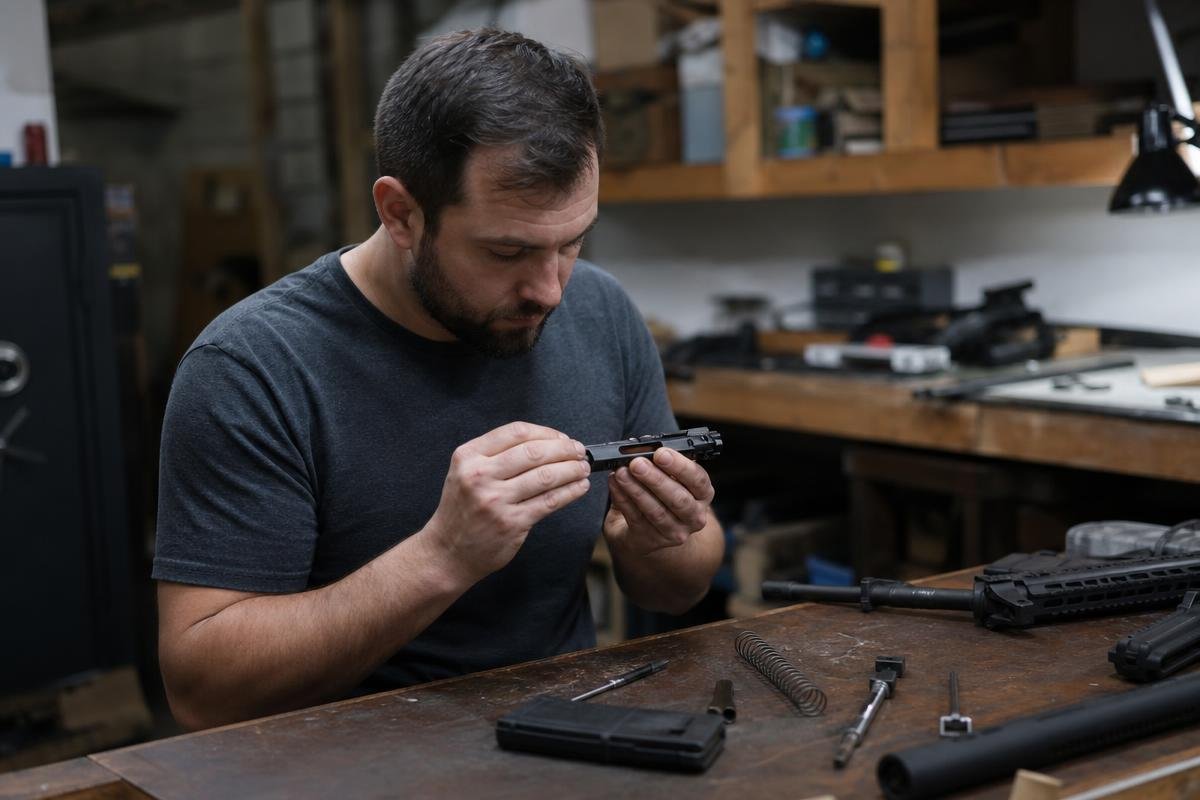
Start with safe handling, ammunition and magazine verification, and carrier cleaning and lubrication. These three checks remove common variables and create a cleaner baseline before gas-system or recoil-system troubleshooting.
Make the Rifle Safe Before Inspection
Stop firing after a repeated malfunction. Point the rifle in a safe direction, remove the magazine, lock the bolt open if possible, and visually and physically verify the chamber is empty. Complete bench inspection with live ammunition away from the work surface. Confirming results later should be done only at a safe, designated firing location and under applicable range rules.
Rule Out Ammunition and Magazine Problems
Weak or inconsistent ammunition can make an AR-15 appear undergassed, particularly when it functions with one load and not another. Use factory-loaded ammunition of the correct chambering before attributing the problem to the gas system.
A damaged, dirty, or weak magazine can also cause feeding failures with an otherwise functional upper. Inspect feed lips and follower movement, make sure the magazine seats fully, and test with a proven magazine before replacing rifle components.
Clean and Lubricate the Carrier Group
Carbon buildup and dried lubricant create drag at the bolt lugs, cam pin path, gas rings, carrier rails, and charging-handle track. Clean those contact points and apply suitable firearm lubricant to the carrier rails, cam pin, bolt body, and charging-handle bearing surfaces.
Cycle the bolt carrier by hand after reassembly. Smooth movement is useful, but it does not prove the rifle receives sufficient gas during firing. If the AR-15 is still not cycling after these checks, move to the gas and recoil systems without changing multiple variables at once.
Need compatible replacement parts for the next step in your diagnosis? Contact our team.
Why Is My AR-15 Short Stroking?
Short stroking generally means the carrier is not receiving enough usable energy, or it is encountering enough resistance that it cannot complete its rearward travel. Gas delivery, carrier friction, ammunition, and the buffer system must be evaluated as one operating system.
How Gas Delivery Drives the Bolt Carrier
Gas enters the barrel port, passes through the gas block and tube, then enters the carrier key. It expands inside the bolt carrier and drives the carrier rearward. A restricted tube, blocked port, or poor gas-block seal can limit travel.
A gas block must align its port with the barrel gas port. Visual centering is not always enough, especially on a new build. Even a small offset can reduce gas flow and lead to ejection, feeding, or empty-magazine lock-back issues.
Clues Around the Gas Block and Carrier Key
Look for unusual carbon residue around the gas-block junction and carrier key. Staining can suggest leakage, but carbon alone does not identify the source. Check that the carrier key is secure and that the gas tube does not bind the carrier during normal movement.
Do not alter or enlarge a barrel gas port. Suspected gas-block installation, damaged gas tube, or loose carrier-key concerns should be inspected by a qualified firearms professional rather than corrected through repeated live-fire testing.
When to Stop and Seek Qualified Service
Stop home troubleshooting if you suspect a barrel-port problem, incorrect gas-block installation, damaged gas tube, loose carrier key, or headspace concern. These issues need in-person inspection before further firing.
For parts-selection questions, contact AR15Parts.com at (888) 706-0633. We ship from our Denison, TX facility. If replacing an entire assembly is more practical than diagnosing a build, consider a complete AR-15 rifle.
How Do Buffer, Spring, and Bolt Carrier Parts Affect Cycling?
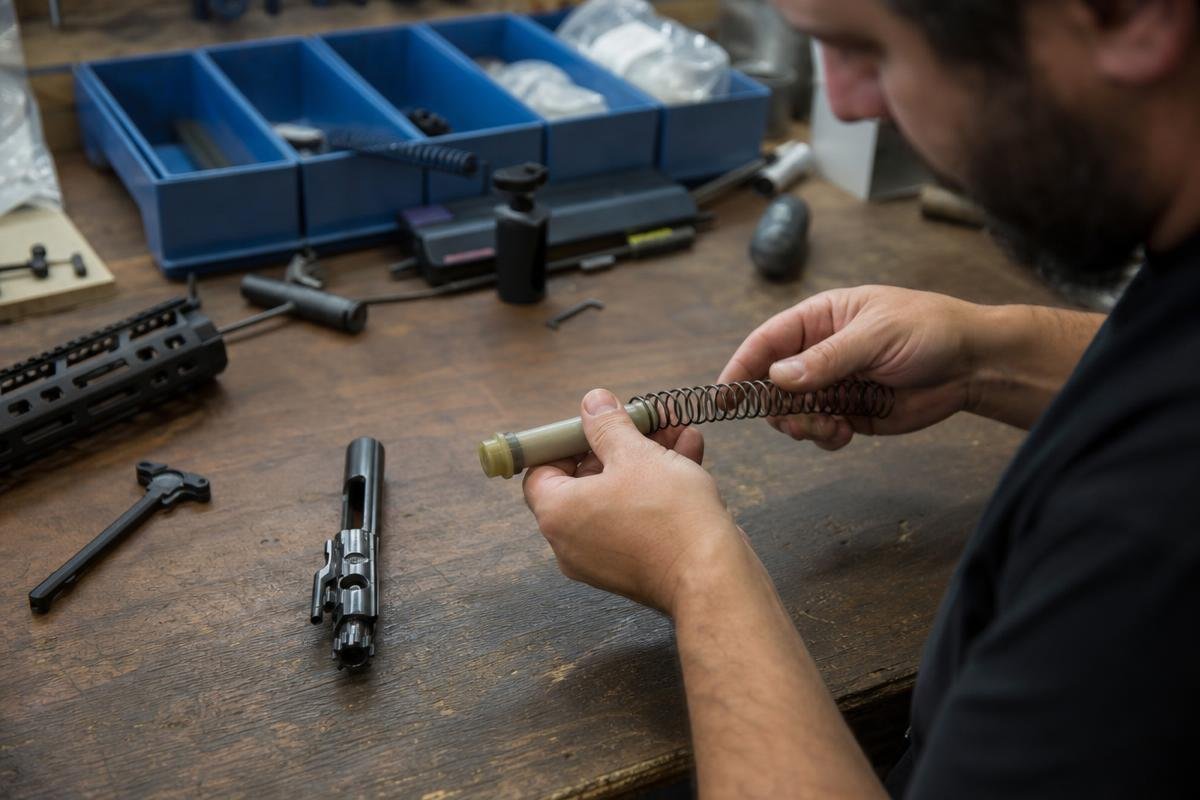
The recoil system resists rearward carrier movement, so an incompatible or worn buffer, spring, or carrier component can imitate a gas problem. Isolate these parts only after completing the baseline checks.
Recoil-System Resistance and Bolt Travel
The buffer and recoil spring resist rearward bolt carrier movement. Excess resistance can prevent full travel, leaving the rifle unable to strip the next cartridge or remain open after the final round.
There is no universal buffer weight for every build. Match the recoil system to the barrel configuration, gas system length, ammunition, and intended use. For a build with changes to the barrel, gas system, or suppressor status, avoid assuming that a buffer choice from another rifle will produce the same result.
Carrier Friction and Gas Ring Condition
Remove the bolt carrier and check for rough movement, heavy carbon buildup, damaged rails, and dry contact surfaces. A carrier that drags in the upper can lose enough speed to create a feeding malfunction.
Inspect the gas rings for obvious wear or damage. Worn rings allow gas to bypass the bolt and reduce the force that drives the carrier. When rebuilding a questionable setup, matched assemblies can reduce compatibility variables.
Separate Extractor Problems From Gas Problems
An extraction problem is not always caused by the extractor. The extractor holds the case rim during extraction, while carrier speed and ejector force influence whether the case clears the action.
Check the extractor claw, spring, insert, and case rim marks, then verify that the carrier is completing its stroke. Replacing extractor parts alone will not resolve an underlying gas or recoil-system issue.
Need help narrowing down a buffer, spring, or carrier issue? Call us at (888) 706-0633.
Why Won't My AR-15 Lock Back on an Empty Magazine?
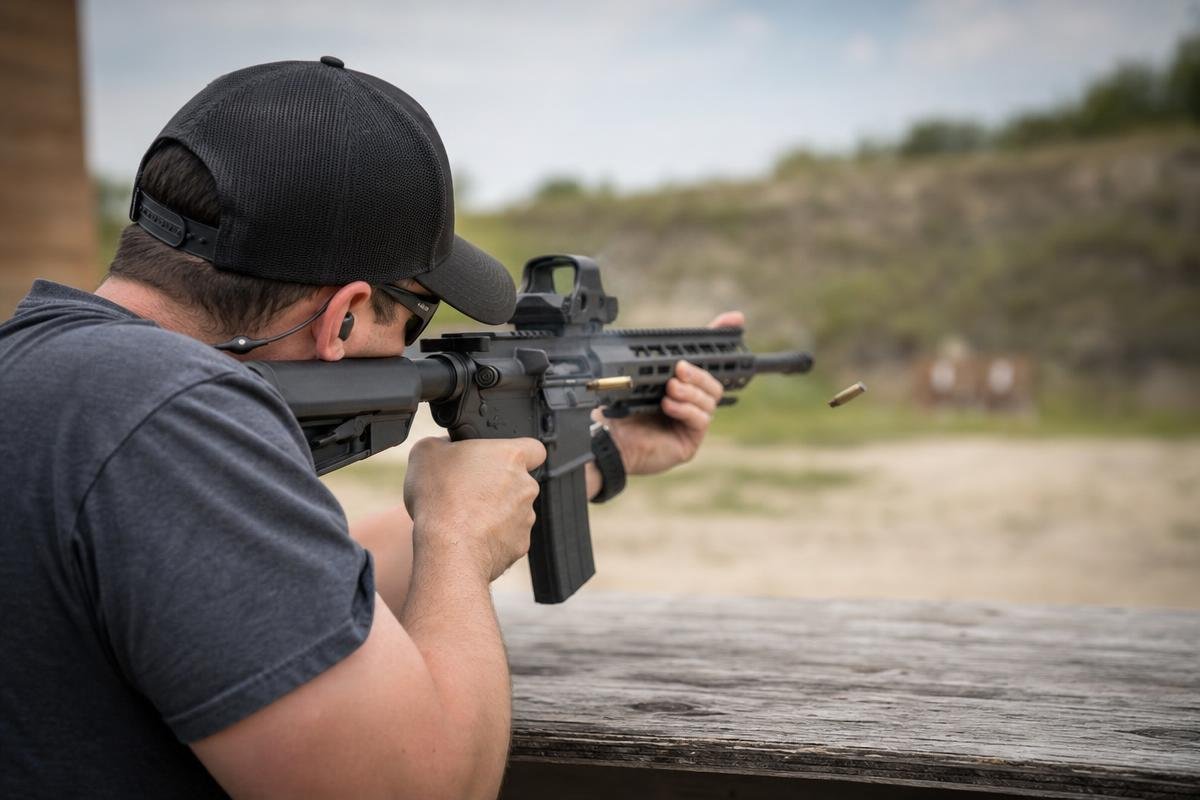
An empty-magazine lock-back failure can support a short-stroking diagnosis, but it does not identify a single failed part. Use the result alongside ammunition, magazine, carrier, gas-system, and recoil-system observations.
What Erratic Ejection Can Suggest
Inconsistent ejection can point to ammunition variation, a dirty or dry bolt carrier, extractor or ejector wear, restricted gas delivery, or excess recoil-system resistance.
Do not treat casing direction as a precise diagnosis. Where a casing lands may support an inspection, but it does not prove the rifle is undergassed or overgassed. Consider the carrier, extractor, ejector, lubrication, gas system, and recoil system together.
How to Use the Empty-Magazine Lock-Back Check
Load one round in a proven magazine and fire it using normal safe range procedures. Observe whether the bolt stays to the rear after the round is fired. If it does not, repeat with appropriate ammunition and another proven magazine.
If the result repeats, review the symptom matrix above before replacing parts. A magazine follower, ammunition pressure, bolt speed, gas delivery, or recoil-system resistance may each contribute to the same outcome.
Record Each Controlled Change
Write down the ammunition type, magazine used, visible symptom, and result after each change. Record whether the rifle fed, ejected, and remained open after the magazine was empty. Change one variable at a time. A simple log helps prevent unnecessary part replacement and provides useful information if qualified service becomes necessary.
What Cycling Checks Apply to Specialized AR-15 Setups?
Specialized rifles require controlled testing because a single change can alter bolt speed, dwell time, and feeding behavior. Keep suppressed and unsuppressed results separate, and use consistent ammunition and magazines while comparing outcomes.
Short-Barreled and Suppressed Configurations
Short barrels are more sensitive to gas timing because less barrel remains after the gas port. A suppressor adds backpressure and can drive the bolt carrier faster, changing extraction, ejection, and feeding behavior.
Test suppressed and unsuppressed results separately. Review the gas block, carrier movement, buffer weight, spring condition, and ammunition as a complete system. Do not assume one setup will perform the same way in both configurations.
300 Blackout Load and Setup Variables
300 Blackout subsonic loads can produce a different gas curve than supersonic loads. Barrel length, gas-system length, suppressor status, buffer setup, and the specific load must be evaluated together. If the AR-15 not cycling issue appears only with subsonics, test appropriate supersonic ammunition first. A complete upper may fit a mil-spec lower receiver, but the lower receiver's buffer system still affects cycling.
New Builds and Compatibility Checks
New builds should be checked for correct assembly, proper lubrication, compatible parts, and reliable magazine function before components are swapped. Confirm the bolt carrier moves freely, the magazine presents cartridges correctly, and the chamber is clean.
Have headspace verified by a qualified professional if there is any concern about barrel and bolt compatibility. Keep notes that distinguish suppressed from unsuppressed testing and one ammunition type from another.
A Denison Range-Test Plan for Confirming Reliable Cycling
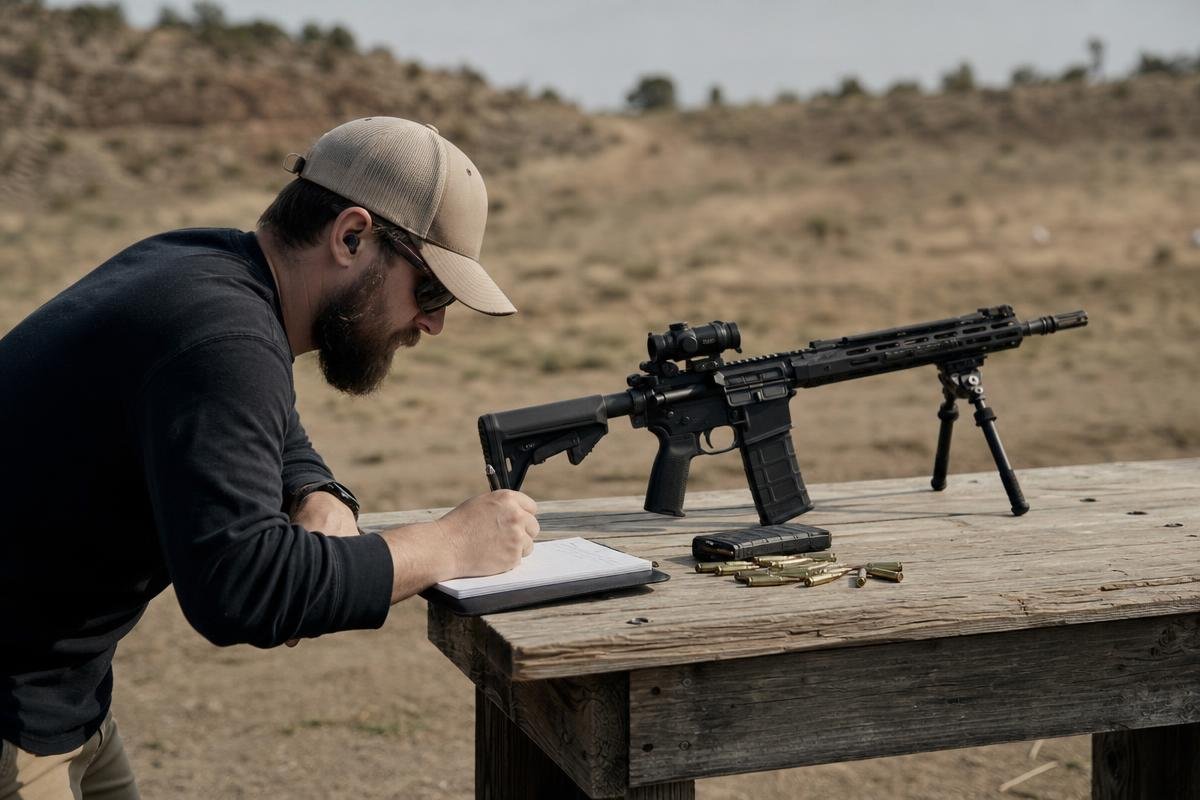
Range testing confirms whether an AR-15 not cycling problem is corrected without adding new variables. Bring a written log and record extraction, ejection, feeding, and empty-magazine lock-back after every test string.
Bring Known-Good Test Items
Bring two proven magazines, factory ammunition that matches your chamber, lubricant, and basic cleaning supplies. If feeding remains inconsistent, test each magazine separately and note the malfunction in your log.
Load one round first and observe the empty-magazine result before moving to two, then five rounds. This graduated approach helps identify whether the rifle is completing its cycle without introducing unnecessary variables.
Change One Variable at a Time
Change only one controlled item between strings. Swap the magazine, ammunition lot, lubrication condition, or one verified compatible component, then repeat the same round count. Do not change the buffer, spring, ammunition, and magazine at once. You will not know what corrected the issue, or what caused it.
Know When to Stop Firing
Stop firing if malfunctions repeat, parts appear damaged, or safe operation is uncertain. Suspected headspace problems, abnormal case damage, and failures to fully lock require a qualified firearms professional.
Do not force a round into the chamber or continue testing a rifle with unexplained failures. A safe diagnosis is more important than finishing a range session.
Frequently Asked Questions
Can Cleaning Fix an AR-15 That Is Not Cycling?
Cleaning can reduce friction from carbon buildup and dried lubricant. It will not correct a gas leak, weak magazine, or incorrect recoil setup. Inspect the rifle before replacing parts or changing the operating setup.
Why Will My AR-15 Not Chamber the Next Round?
An AR-15 won't feed the next round if the magazine presents cartridges poorly, the carrier lacks rearward travel, ammunition is out of spec, or the chamber is fouled. Test with a known-good magazine and ammunition first.
Can the Wrong Buffer Cause Cycling Problems?
Yes. Buffer weight and spring resistance affect carrier travel, but no single buffer fits every rifle. Match the recoil system to the barrel, gas system, ammunition, and suppressor setup. Change one variable at a time during diagnosis.
Why Does My AR-15 Fire but Not Lock Back?
An AR-15 bolt won't lock back because of limited gas delivery, a weak magazine follower, low-pressure ammunition, or excessive recoil-system resistance. Test one round in a known-good magazine before changing parts.
Should I Replace the Gas Block?
No. Verify gas-block alignment, port coverage, and leakage before replacement. Uncertain barrel or gas-system work belongs with a qualified professional. Stop firing if alignment or fit is uncertain.
Is It Safe to Keep Firing After Repeated Malfunctions?
No. Stop firing and inspect the rifle if the same malfunction repeats. For controlled AR-15 gas system troubleshooting, review complete AR-15 uppers and compatible components from AR15Parts.com, or call (888) 706-0633 with product questions before placing an order.
Ready to Get Started with AR15Parts.com?
Call (888) 706-0633 to speak with our team directly. We're ready to answer your questions, walk you through your options, and help you find the right solution for your needs. Whether you're just starting to plan or ready to move forward, we'll make the process simple and stress-free. Reach out today and let's talk about how we can help.