
How does an AR-15 work? The upper houses the barrel and operating components, while the lower houses the trigger controls and buffer system. Understanding those roles helps you compare a ready-to-shoot rifle, a complete upper and lower combination, or an individual-parts build before ordering. AR15Parts.com offers firearms, parts, and accessories for customers who want to compare those options before ordering. Need help sorting out a first-build parts list? Ask about product specifications before you order.
How Does an AR-15 Work? Key Takeaways for Parts Selection
- A factory-complete rifle is generally the simplest starting path for a first-time owner.
- A complete upper can reduce assembly work, but receiver pattern, chamber, bolt, magazine, buffer system, and manufacturer specifications still need review.
- A first build should begin with safe handling instruction, a lawful intended purpose, and a written parts checklist.
- 5.56 NATO is a common first-rifle chambering, but ammunition must always match the barrel marking and manufacturer guidance.
What First-Time AR-15 Buyers Should Know
A first AR-15 purchase is easier to manage when safety education, configuration choices, and parts compatibility are treated as separate steps. We compare buying a complete rifle, combining a complete upper with a compatible lower, and selecting individual components. It is educational product guidance, not a substitute for qualified firearms instruction, manufacturer documentation, or legal advice.
Before comparing products, decide whether you want to learn the platform with minimal assembly or whether the learning process of a beginner AR-15 build is part of the goal. You can begin with complete AR-15 rifles or select an upper assembly, then confirm the listed specifications for every component you plan to combine. Product research does not replace supervised instruction on loading, unloading, chamber checks, firing, secure storage, or applicable laws.
Start with Safe Handling and a Clear First-Rifle Goal
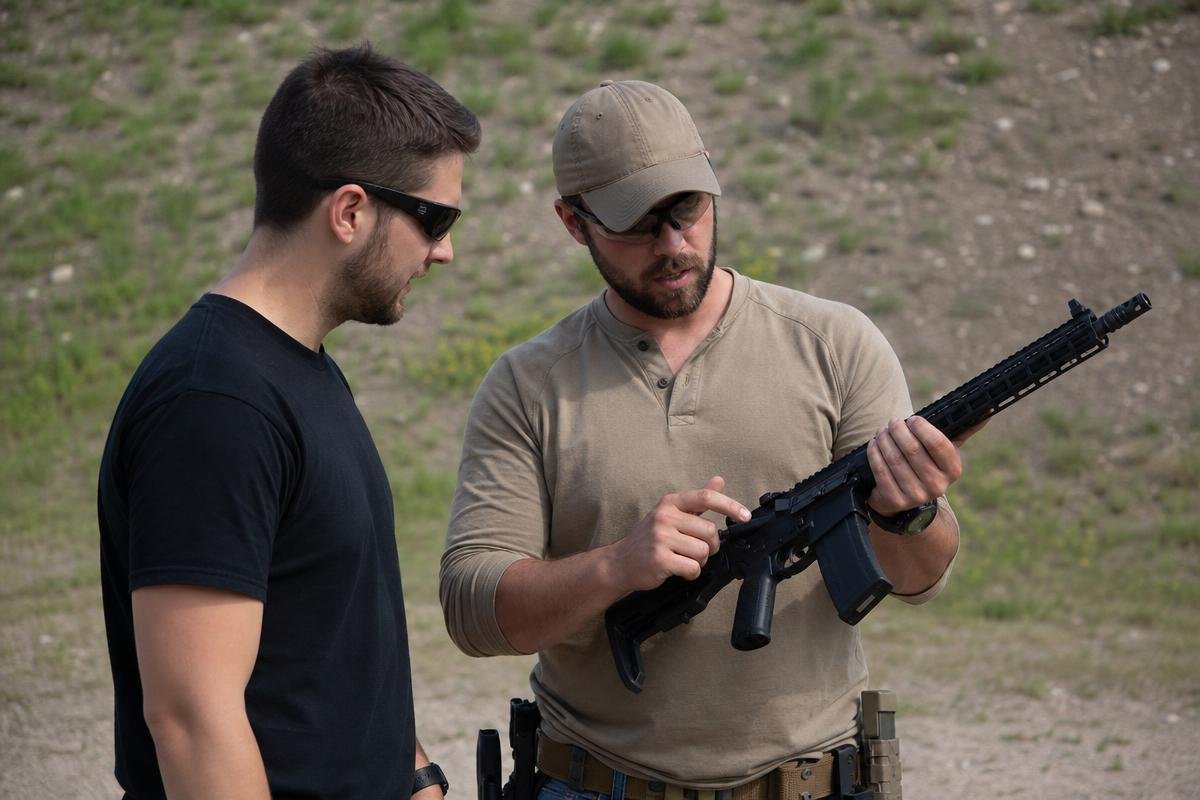
Hands-on safety instruction should come before parts selection. Learn muzzle discipline, chamber checks, safe loading and unloading, and secure storage from a qualified instructor or established range program. In the Texoma area, confirm the rules of the particular range or training provider you choose, along with applicable federal, state, and local requirements, before purchasing or configuring a firearm.
Get Qualified Hands-On Safety Instruction First
Videos and articles can explain terminology, but they cannot replace supervised handling. A qualified instructor can correct grip, muzzle direction, chamber-check habits, and storage practices before they become bad habits. Read about how the platform operates, but keep live-fire instruction separate from parts shopping.
Choose One Lawful Purpose Before Choosing Accessories
Pick one lawful purpose, such as range practice, training, or sporting use. Do not try to make one rifle serve every possible role on a first project. That decision helps narrow barrel, sighting-system, and furniture choices without adding accessories you do not yet need.
Keep the First Setup Simple
Start with a basic sight plan, reliable magazines, and a sling for safe transport and retention. Backup sights can be part of that plan, even if you later choose an optic. Our AR-15 magazines page can help you compare available magazine options before adding cosmetic accessories.
A simple setup gives you time to learn fit, function, maintenance, and range rules. Save the product listing, chamber marking, and manufacturer manual for each major component so you have a clear record of what is installed.
Should a Beginner Buy or Build an AR-15?
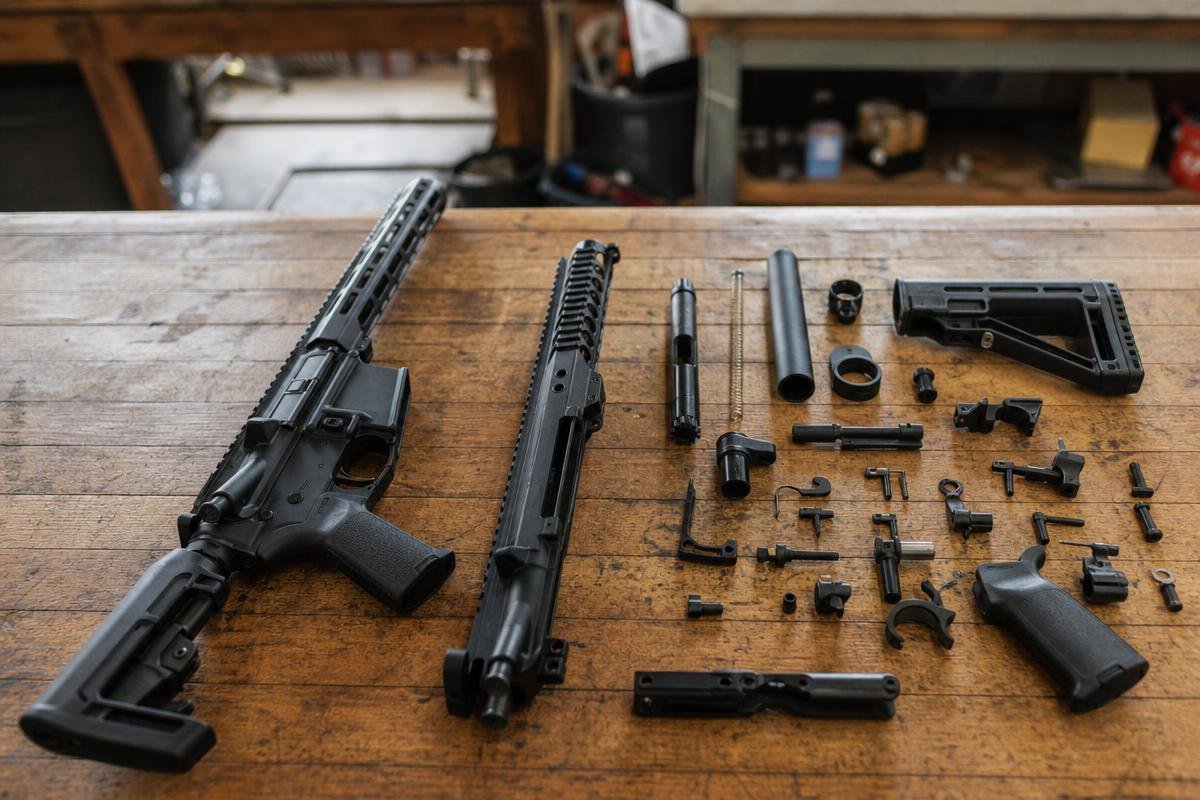
Most beginners benefit from starting with a complete rifle because the major assembly, fitment, and function decisions have already been addressed by the manufacturer. A complete upper and lower combination can be a reasonable middle path, while a stripped-parts build is best approached only when you are prepared to verify specifications, use proper tools, and seek qualified help when needed.
Compare the Three Starting Paths
| Starting Path | Assembly Required | Compatibility Decisions | Tools and Troubleshooting | Best Fit |
|---|---|---|---|---|
| Complete Rifle | Minimal | Few | Basic maintenance tools | Safe familiarization and range use |
| Complete Upper Plus Lower | Join upper and lower | Verify receiver pattern and caliber-specific requirements | Limited troubleshooting | Buyers who want a simple configuration choice |
| Individual Parts Build | Full assembly | All major systems | Armorer tools and diagnostic work | Builders who want to learn each component |
A factory-complete option lets you focus on safe loading, unloading, sight setup, maintenance, and range practice rather than chasing a missing small part or a fitment question. If your first goal is learning the platform out of the box, compare complete AR-15 rifles. Want the fewest assembly decisions for your first purchase?
What Does a Complete Upper Include?
A complete upper removes most assembly work above the lower receiver. It commonly includes the upper receiver, barrel, gas system, handguard, bolt carrier assembly, and charging handle, but included parts vary by product. Always read the individual listing rather than assuming every upper includes the same components.
Standard AR-15-pattern uppers and lowers commonly mate, but caliber alone does not confirm compatibility. Verify the manufacturer listing, receiver pattern, chamber and bolt requirements, magazine type, buffer-system needs, and any configuration-specific restrictions before combining parts. Compare complete AR-15 uppers if you want fewer assembly steps while still selecting the lower-side components separately.
Why Kits Need a Full Contents Check
A kit does not always include every item needed to finish a firearm. Compare the product contents against a written checklist before buying, including whether it includes or excludes the lower receiver, lower parts kit, buffer system, stock, magazine, sights, and required tools.
For an individual build, also account for receiver pattern, barrel extension and bolt relationship, gas-system length, handguard mounting method, buffer system, and small-part fitment. Budget categories should include the core assemblies, magazines, sights, ammunition, cleaning supplies, safety equipment, transfer or shipping costs where applicable, and professional assistance if a task exceeds your experience.
How Does an AR-15 Work Before You Choose Parts?
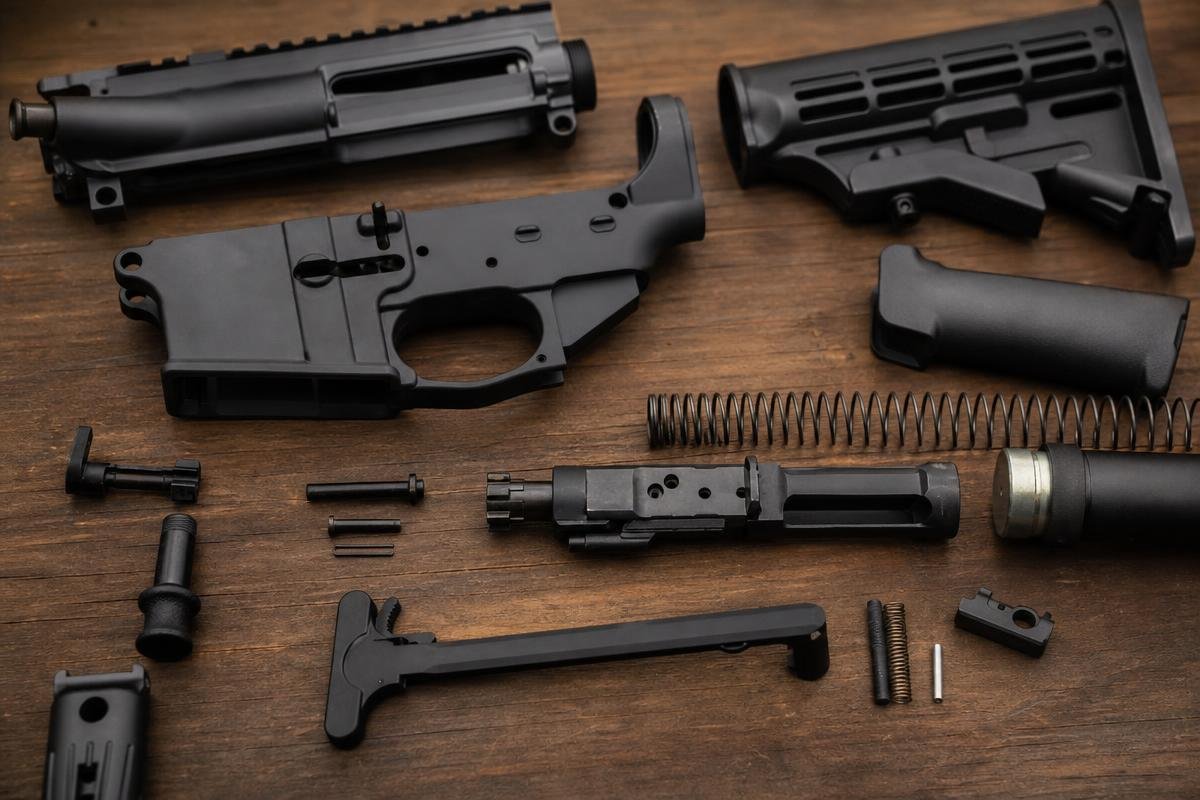
An AR-15 has two main receiver groups, the upper and lower. Understanding what belongs in each group makes it easier to read product listings, identify what is already included, and avoid ordering duplicate or incompatible components.
Upper and Lower Receiver Groups
The upper receiver group contains the barrel and operating components. It includes the upper receiver, barrel, gas block, gas tube, bolt carrier assembly, charging handle, and handguard.
The lower receiver group houses the trigger-control components, magazine well, grip, buffer tube, stock, and buffer system. Although common AR-15-pattern receivers are designed to work together, confirm the specifications of both components before purchase. See our complete AR-15 uppers for major upper assembly options.
The Operating Cycle at a High Level
After a round is fired, gas is redirected from the barrel through the gas block and gas tube. That gas drives the carrier rearward, extracting and ejecting the fired case.
The buffer system helps manage that rearward movement and returns the carrier forward. The carrier then chambers the next round from the magazine. This is a high-level explanation, not a substitute for safe handling instruction, manufacturer documentation, or hands-on training.
Compatibility Starts with the Barrel, Bolt, and Gas System
The barrel, bolt, and gas system must work as a matched set. The bolt must match the chambered cartridge family and barrel extension, while gas-system length must be considered alongside barrel length and the intended configuration.
For example, a 5.56 NATO barrel requires compatible 5.56 bolt components and matching upper parts. Our 5.56 NATO complete upper receivers keep key upper-side components grouped together for a simpler first-build decision.
Before comparing individual parts, be able to identify the upper, lower, barrel, gas block, gas tube, bolt carrier assembly, charging handle, magazine well, buffer tube, and stock.
What Parts Do You Need for an AR-15 Build?
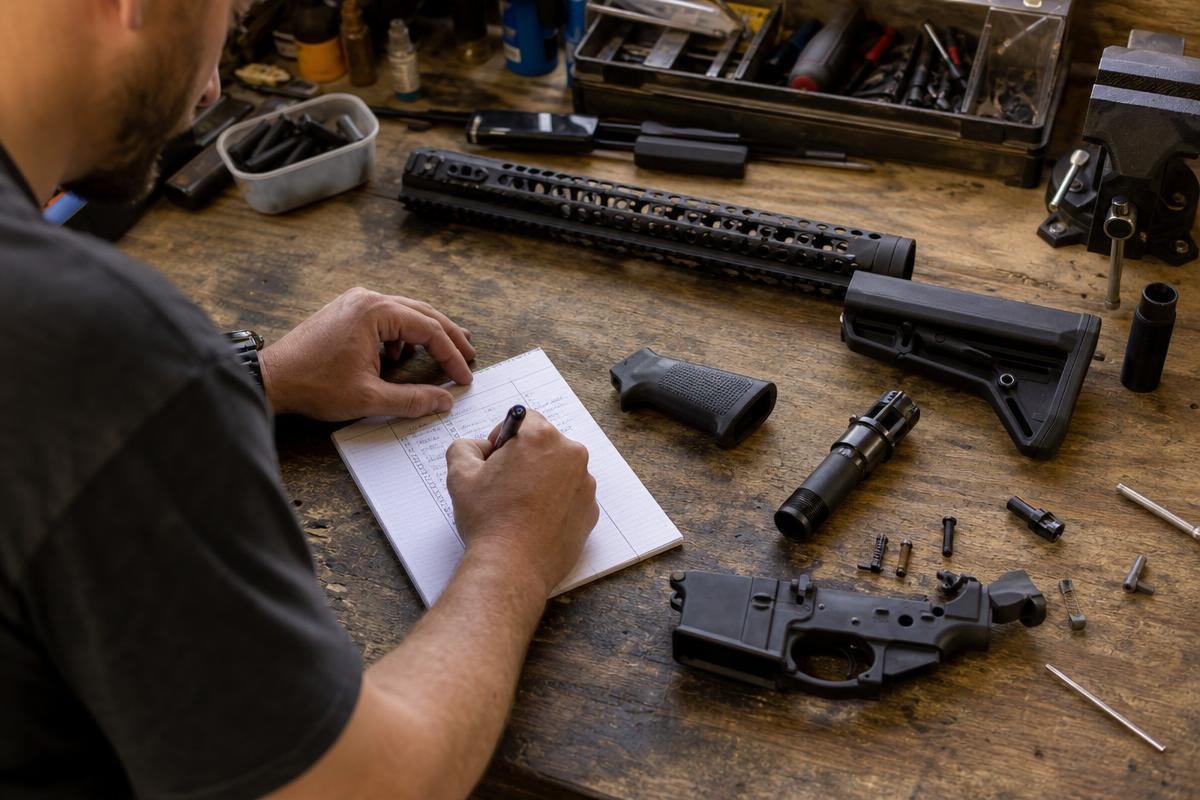
A stripped build requires every operating component to be accounted for, while a complete upper reduces the number of decisions above the lower receiver. Before ordering, make a checklist that separates included components from items you still need to buy. This prevents common first-order mistakes such as overlooking a charging handle, buffer assembly, sights, magazines, or a lower parts kit.
Core Component Groups to Confirm
A stripped build needs every operating component accounted for. A complete upper reduces the list, but you still need a compatible lower, buffer assembly, stock, magazine, sighting system, and ammunition matched to the chamber.
- Upper receiver assembly, or a stripped upper with barrel, gas block, gas tube, handguard, muzzle device, bolt carrier group, and charging handle.
- Lower receiver, lower parts kit, trigger group, buffer tube assembly, buffer, action spring, and stock.
- Magazine, iron sights or an optic, and ammunition appropriate for the barrel chamber marking.
For many first builds, one of our complete AR-15 uppers keeps barrel, bolt, gas-system, and handguard planning together.
Compatibility Checks Before Ordering
Do not assume every AR-pattern part fits every other AR-pattern part. Confirm the receiver pattern, chamber marking, barrel extension and bolt compatibility, gas tube length, gas-block journal diameter, and handguard attachment method before placing an order.
Free-float handguards mount to a barrel nut and do not contact the barrel. Drop-in handguards fit around the barrel and depend on the front sight base, handguard cap, or delta-ring configuration. Check the mounting system and required barrel nut, not just the handguard length.
Stocks must match the buffer tube type. Mil-spec and commercial tubes have different outside dimensions and rear profiles, so a stock made for one may not fit the other correctly. When pairing an upper and lower, verify the product listing for caliber-specific magazine, bolt, buffer, and receiver requirements.
Accessories That Can Wait
Start with a safe, functional base rifle before adding lights, bipods, angled grips, upgraded triggers, or extra controls. Learn the rifle’s balance, sight picture, and basic operation first.
Keep a parts checklist beside each product listing. If a component description does not clearly answer a fitment question, pause the order and confirm it before purchasing.
Need a second set of eyes on your build list? Call us at (888) 706-0633 before ordering.
Is 5.56 NATO a Good First AR-15 Chambering?
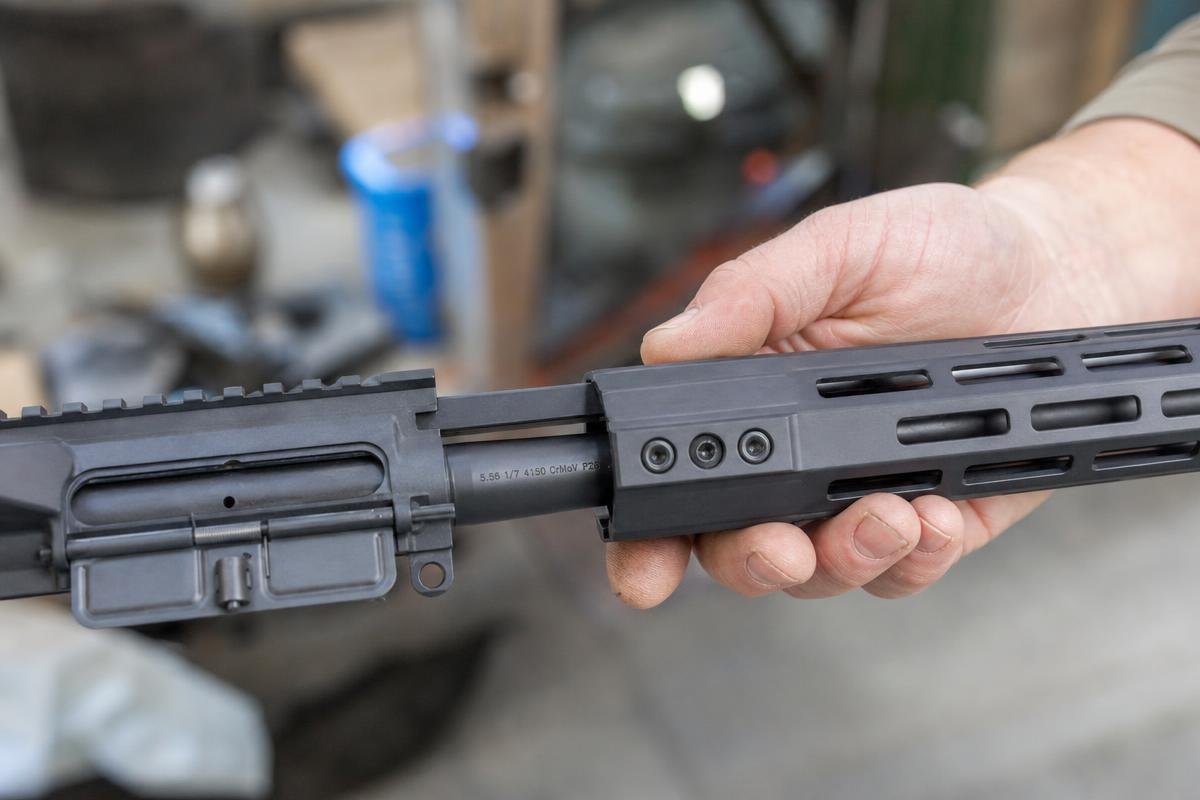
5.56 NATO is a common first-rifle chambering because clearly marked 5.56 NATO uppers, magazines, and ammunition information are widely available. However, the correct ammunition choice always depends on the exact barrel marking and the ammunition manufacturer’s guidance. Never rely on appearance or assumptions when selecting ammunition.
Start with Clearly Marked Chamber Options
5.56 NATO and .223 Wylde are common chamber options with widely available product information. Start by reviewing 5.56 NATO complete upper receivers and reading each barrel marking before selecting ammunition.
Barrel markings and ammunition manufacturer guidance control ammunition selection. Do not assume chamber compatibility from cartridge appearance, online comments, or a similar-looking upper.
Treat Barrel, Gas System, and Handguard as One Fitment Decision
Barrel length, gas-system length, and handguard length must fit together. A gas block and gas tube must match the barrel’s gas-system position, while the handguard needs enough internal clearance and proper length around that assembly.
Choose an assembled upper when you want those parts selected as a set. Review the listing to confirm what is included and what lower-side components, magazines, or configuration requirements still apply.
Choose a Stock Style Based on Configuration Requirements
Fixed stocks and adjustable stocks attach differently and can require different receiver extension components. Confirm stock, buffer tube, buffer, spring, and lower receiver fitment before ordering.
Before you buy or build an AR-15, verify applicable federal, state, and local requirements. Requirements can change, and product selection is not legal advice.
Prefer an upper assembly with major barrel and gas-system components already selected together?
Cleaning, Inspection, and Range Preparation for a New AR-15
Preparation starts with an unloaded rifle and its documentation. Product selection does not replace safe operation instruction, loading and unloading practice, or the rules of the specific range you plan to visit.
Read the Documentation Before Inspection
Verify the firearm is unloaded before inspection or cleaning. Read the manufacturer manual for your rifle, upper, bolt carrier group, magazines, and ammunition requirements. Follow the rules of the specific range you visit. Bring eye and ear protection, approved ammunition, magazines, and your manual for reference.
Keep Maintenance General and Manufacturer-Led
Keep the bore, chamber, bolt carrier group, and moving surfaces clean according to manufacturer guidance. Apply appropriate firearm lubricant sparingly and only where documentation calls for it.
Cleaning frequency depends on ammunition, firing volume, storage conditions, and manufacturer direction. Inspect magazines for cracks, bent feed lips, damaged followers, or visible feed issues before range use. If a part looks damaged, improperly installed, or unfamiliar, stop and seek qualified help.
Record Configuration Details and Questions
Write down your rifle configuration, ammunition used, magazine involved, and any observed malfunction. Those notes help a qualified gunsmith or instructor assess a question without guessing how the platform works in your specific setup.
We can help you identify compatible parts. Contact our team with product questions. For a new build, keep records for each major component and any changes made after your first range session.
Parts Guidance from Our Denison, TX Facility
AR15Parts.com is an online retailer that ships from our Denison, TX facility at 4000 Texoma Pkwy, Denison, TX 75020. Customers can review listings, keep a written configuration checklist, and contact our team with product questions before ordering. Complete rifles and lowers ship to the buyer's FFL for transfer where permitted.
Discuss Broad Product Categories Before Ordering
Start with your build goal, then compare complete rifles, complete uppers, barrels, magazines, bolt carrier groups, charging handles, handguards, lower parts, muzzle devices, stocks, upper parts, and upper receivers. A preassembled upper can reduce the number of parts you need to coordinate for a first build. Keep your AR-15 parts checklist nearby. It helps you confirm which components are already included and which parts still need to be selected.
Verify Specifications and Applicable Requirements
Verify caliber, chamber, barrel length, gas system length, receiver fit, handguard mounting method, buffer setup, and magazine compatibility before ordering. A 5.56 NATO chamber safely fires both 5.56 NATO and .223 Remington ammunition, but a .223 Remington chamber is not rated for 5.56 NATO pressures. Follow the barrel and ammunition manufacturers' guidance for other chamber markings.
Also verify applicable federal, state, and local requirements for your order. For questions about product categories or specifications, use our contact page before you buy.
Frequently Asked Questions
Is a Complete AR-15 Better for a Beginner Than a Parts Build?
Yes, a complete rifle is usually the simplest first purchase. It reduces assembly and compatibility decisions. The decision to buy or build an AR-15 depends on your comfort with specifications, tools, and qualified help.
Which Chamber Is Best for a First AR-15?
No single chamber is best for every first rifle. Read your barrel marking and follow ammunition manufacturer guidance before loading any cartridge. Chamber markings determine what ammunition matches your barrel.
Will Any AR-15 Upper Fit Any Lower?
No, fitment must be verified before ordering. Receiver pattern, caliber, buffer system, and component specifications can affect compatibility. Check listed dimensions for complete AR-15 uppers and your lower receiver.
What Tools Do I Need for an AR-15 Build?
Tool needs depend on how far you are assembling stripped components. A vise, receiver blocks, torque wrench, armorer's wrench, punches, and gauges may be required. Do not improvise with unsuitable tools, and seek qualified assistance if needed.
Should I Start With an Optic or Backup Sights?
Start with sights you can zero and use correctly. Backup sights provide a simple reference point, while an optic can be added after you understand your rifle's setup and intended range use.
How Often Should a New AR-15 Be Cleaned?
Inspect and clean your rifle after range use, especially the bolt carrier group, chamber, bore, and magazines. Your AR-15 parts checklist should also include lubricant and basic cleaning supplies.
Ready to Get Started with AR15Parts.com?
Call (888) 706-0633 to speak with our team directly. We're ready to answer your questions, walk you through your options, and help you find the right solution for your needs. Whether you're just starting to plan or ready to move forward, we'll make the process simple and stress-free. Reach out today and let's talk about how we can help.