
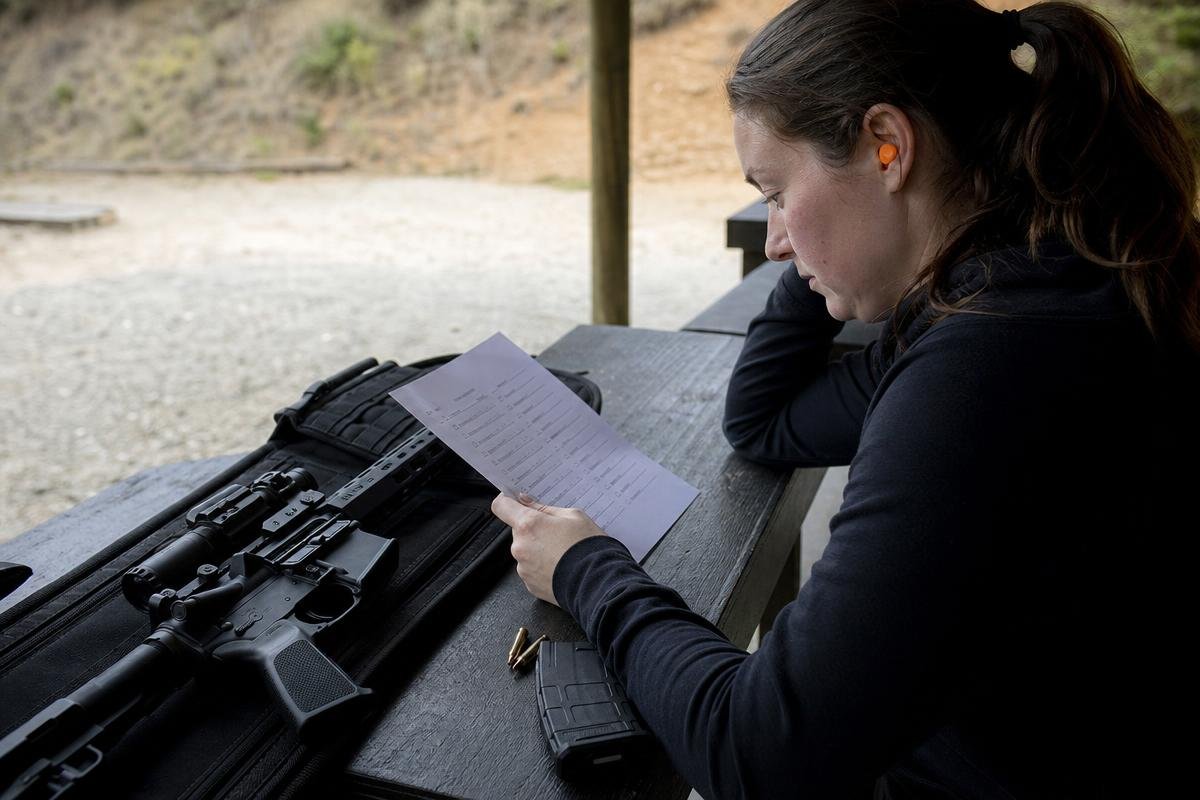
A first visit to a gun range in Texas should be planned around what you intend to shoot, the distance you need, and the facility’s current rules. When comparing nearby facilities, check which firearms, ammunition, targets, and shooting positions each one permits.
AR15Parts.com ships from our Texas facility. Contact our team before your range trip if you need help comparing range-ready parts, magazines, optics, or an upper for the distance you plan to shoot.
Get help matching an upper, magazine, and optic setup to your intended zero distance before range day.
Key Takeaways
- Call or check the selected range’s official website for current hours, fees, reservations, firearm restrictions, ammunition rules, and safety procedures.
- Choose a facility based on your actual plan, such as pistol practice, an indoor function check, instruction, or rifle zero confirmation.
- Ask whether the available lane distance, target system, bench, and ammunition policy work with your rifle setup.
- For outdoor Texas ranges, plan for heat, wind, rain, and muddy or soft ground after storms.
Important safety and legal note: We provide general planning information, not legal advice or a substitute for range instruction. Follow all applicable federal, state, and local laws, transport firearms safely and securely as required, and obey the selected facility’s posted rules and range officer commands.
What Type of Shooting Do You Plan to Do?
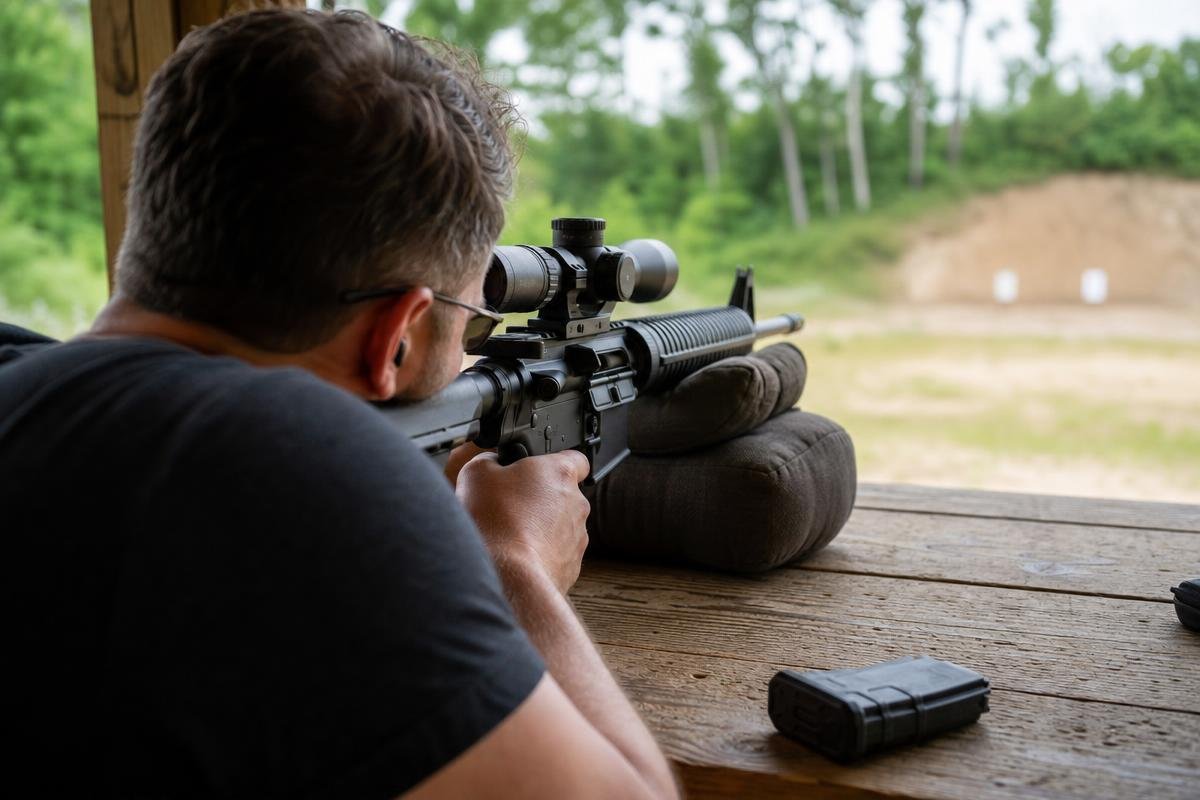
Start by identifying the firearm, distance, and purpose of your visit. A short indoor lane may be appropriate for pistol practice or confirming that a rifle functions properly, while an outdoor bench or longer rifle line is more useful when you need to confirm a 50-yard or 100-yard zero. Options vary by area, so confirm each facility's current lane distances and firearm rules before traveling.
Pistol Lanes and Indoor Shooting
Indoor ranges can be practical for pistols, defensive-handgun practice, and close-range function testing. Before you go, ask whether the lane permits your caliber and whether the target carrier can handle the ammunition and firearm you plan to use.
Restrictions matter because a facility’s backstop and ventilation system may limit rifle cartridges, steel-core ammunition, tracer rounds, or other ammunition that can damage equipment or create sparks. Target-carrier rules also matter, since a range may require paper targets or prohibit certain silhouettes, steel targets, clips, or staples. Have your firearm caliber and ammunition type ready when you call.
Rifle Benches and Distance Requirements
A rifle range in Texas needs enough usable distance for the zero you plan to confirm. Ask about rifle access on specific lanes, maximum distance, approved cartridges, bench rest availability, and muzzle-device rules.
A stable bench and repeatable support position help you read groups on paper targets. A short indoor lane can be useful for a basic function check, but it may not provide the distance needed to validate a practical rifle zero. If you are setting up a new build, our complete AR-15 uppers are assembled for a mil-spec lower, but your selected range determines what distance you can verify.
Training, Rentals, and Staff Support
First-time visitors should ask whether the facility offers an orientation, formal instruction, rentals, or on-site staff support. Do not assume these services are available on a walk-in visit or during a busy weekend period.
Ask whether staff explain cease-fire commands, target changes, loading procedures, and lane rules before you begin. For a new shooter, a clear orientation reduces confusion when the line goes cold and everyone must stop handling firearms.
For product questions before your range trip, AR15Parts.com can be reached at (888) 706-0633.
What Should First-Time Visitors Ask a Texas Gun Range?

Ask about the exact lane or bay you will use, not just whether the facility generally allows rifles or pistols. The most useful call confirms distance, ammunition restrictions, target requirements, reservation status, safety gear, and whether a first-time orientation is available. Current facility rules control your visit.
Check the Visit Information First
You may need a reservation, especially for a class, private bay, or high-demand weekend period. Some facilities accept walk-ins, but lane availability can change quickly.
Use this call-ahead script: “I am a first-time visitor bringing a [firearm type] in [caliber]. Do you have a lane available for [distance]? Are my ammunition type and magazines allowed, do I need a reservation, and what safety gear or target requirements apply?”
- Current address, route, parking, and arrival instructions.
- Operating hours, walk-in policy, and reservation requirements.
- Range fees, memberships, time limits, and accepted payment methods.
- Age, supervision, identification, rental, and ammunition purchase rules.
- Permitted firearms, calibers, ammunition types, and target requirements.
If you need help selecting a rifle setup before your visit, contact our team or call us at (888) 706-0633.
Match the Bay Layout to Your Plan
Lane and bay layout determines what you can realistically shoot. A pistol lane with a moving target carrier works differently than a seated bench, a covered outdoor position, or a longer firing line with fixed target stands.
Confirm the available distance before bringing a rifle. Indoor lanes can be helpful for basic sight checks, while longer firing lines provide room to confirm trajectory and zero. Review our 5.56 NATO upper receivers if you need a setup matched to your intended distance.
When you arrive, follow the facility’s commands and posted conduct rules. At the counter, let staff know it is your first visit, ask where to case and uncase the firearm, and wait for permission before handling it outside the designated area.
What Should You Bring to a Gun Range in Texas?
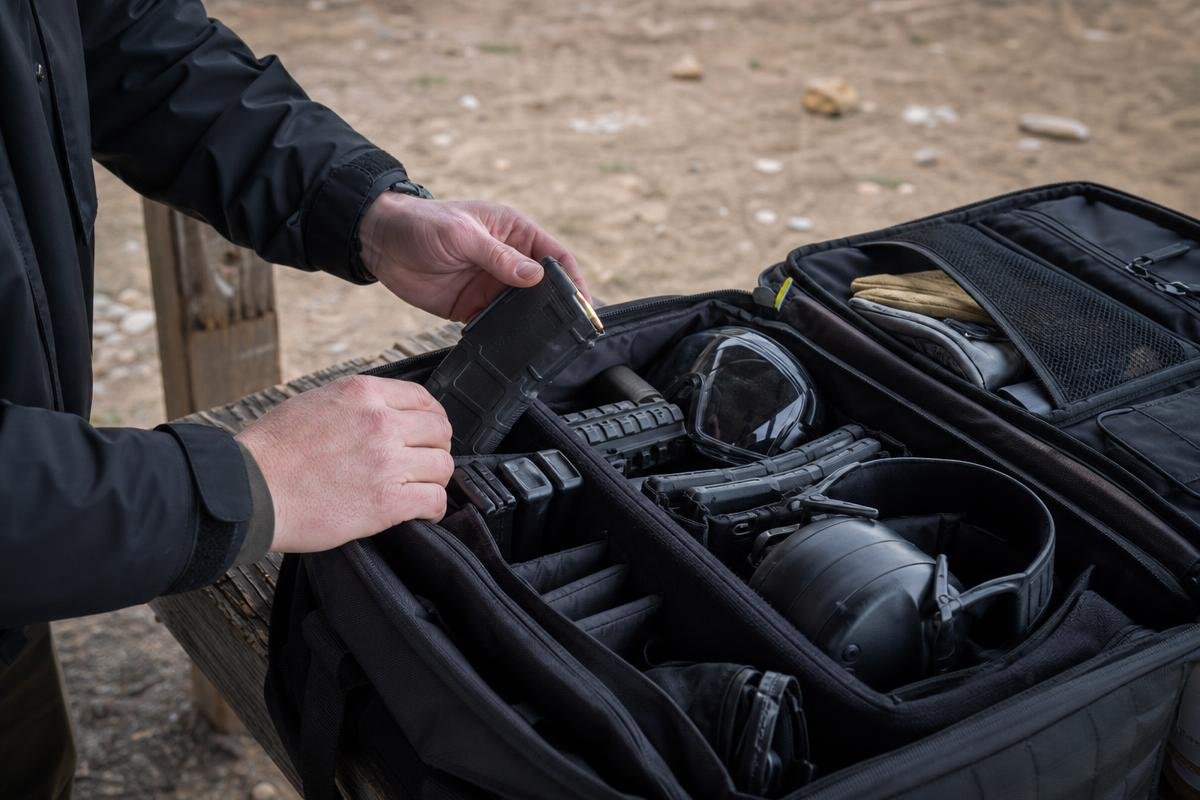
Bring required safety equipment, correctly matched ammunition, a secure case, approved targets, and the basic tools needed for your setup. For outdoor Texas ranges, add water, sun protection, and a way to keep gear dry and off wet ground. Check the range’s current policy before packing specialty items.
Eye and Ear Protection
Pack eye protection and hearing protection before anything else. Clear, wraparound safety glasses help protect against debris, brass, and fragments, while properly fitted ear protection helps reduce exposure to gunfire.
Electronic earmuffs can be especially useful for first-time visitors because they reduce impulse noise while allowing range commands and normal conversation to be heard more easily. Follow any facility-specific equipment requirement.
Firearm, Magazine, and Ammunition Checks
A mismatched cartridge or damaged magazine can stop a range day before the first target is hung. Before transport, ensure the firearm is unloaded and secured in accordance with applicable law and your situation. Confirm that the ammunition matches the chamber marking, and inspect magazines for cracked feed lips, bent bodies, or damaged baseplates.
For an AR-platform rifle, check the chamber, bore, bolt carrier group, optic mount, and magazine fit before departure. Our complete AR-15 uppers are configured around stated chamberings, but you must match ammunition to the barrel marking and range policy.
Targets, Tools, and Support Gear
Wrong targets or missing support gear can keep you from using a lane as planned. Bring only targets approved by the facility, plus tape or a staple gun only where the range allows them.
- A cleaning cloth for oil, dust, and wet surfaces.
- A chamber flag if the range requires one.
- Water for hot, bright Texas range days.
- Weather-ready clothing for wind, rain, and changing conditions at outdoor facilities.
- A small tool kit for loose optic mounts or accessory screws.
Pack the bag the night before, then check it again at the vehicle. If you need help selecting parts for your rifle setup, contact AR15Parts.com at (888) 706-0633.
What Safety Questions Should You Ask Before Choosing a Range?
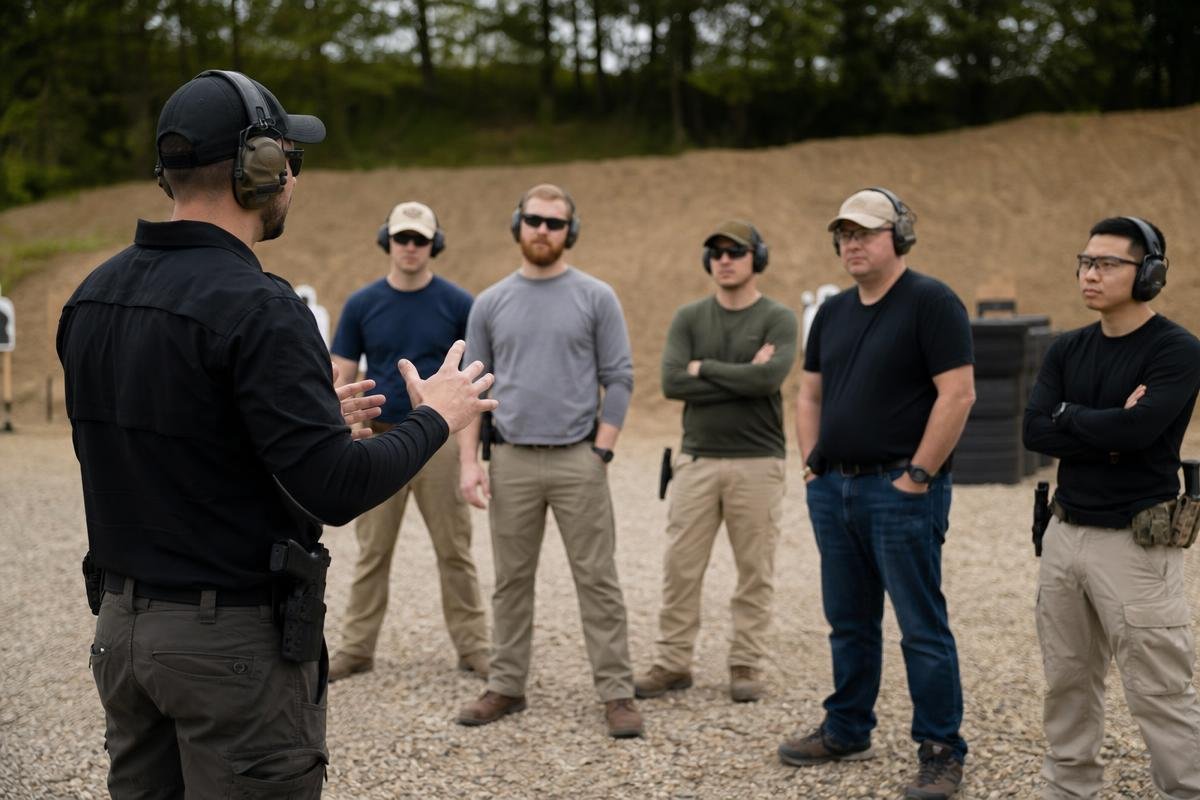
A suitable first-visit range explains its procedures clearly and enforces them consistently. Ask how the range handles cease-fires, firearm handling, ammunition restrictions, and new-shooter support. The answers tell you whether the visit will fit your equipment and comfort level.
Range Commands and Firing Line Procedures
Ask how cease-fires are called, where uncased firearms must be pointed, and when handling is prohibited. A clear answer should cover cold-range procedures, chamber flags if required, and what happens when people need to move forward of the firing line.
During a cease-fire, shooters are generally expected to step back from the bench or firing position and avoid touching firearms until the line is declared hot again. Ask whether a range safety officer is present, particularly if you are unfamiliar with indoor lane procedures or bringing an AR-style rifle for the first time.
Firearm and Ammunition Restrictions
Confirm restrictions before loading your vehicle. Ask about caliber limits, steel-core ammunition, steel-case ammunition, rapid-fire rules, suppressor policies, and muzzle-device restrictions.
- Ask if your rifle caliber is allowed at the available distance.
- Ask if magnetic ammunition is prohibited, even if it is steel case.
- Ask if brakes, compensators, or flash hiders have bay-specific limits.
- Ask if rapid strings require staff approval or a separate lane.
These questions have practical consequences. A brake may increase side blast in an enclosed lane, a magnetic projectile may be prohibited to protect a backstop, and rapid fire may be limited so staff can maintain safe line control. If you are setting up a new rifle, our complete AR-15 uppers provide a starting point for matching caliber and barrel length to your intended use.
Support for New Shooters
A prepared facility should answer basic questions before you bring a firearm to the firing line. Ask whether staff explain range commands, lane setup, target placement, and safe loading procedures for beginners.
The selected shooting range sets its own rules. If you would like to discuss a rifle, upper, optic, or replacement component before your visit, AR15Parts.com can help you prepare your gear list. Ask about range-ready magazines, optics, and rifle components before your first visit.
How Do You Set Up a Rifle for the Distance You Can Actually Shoot?
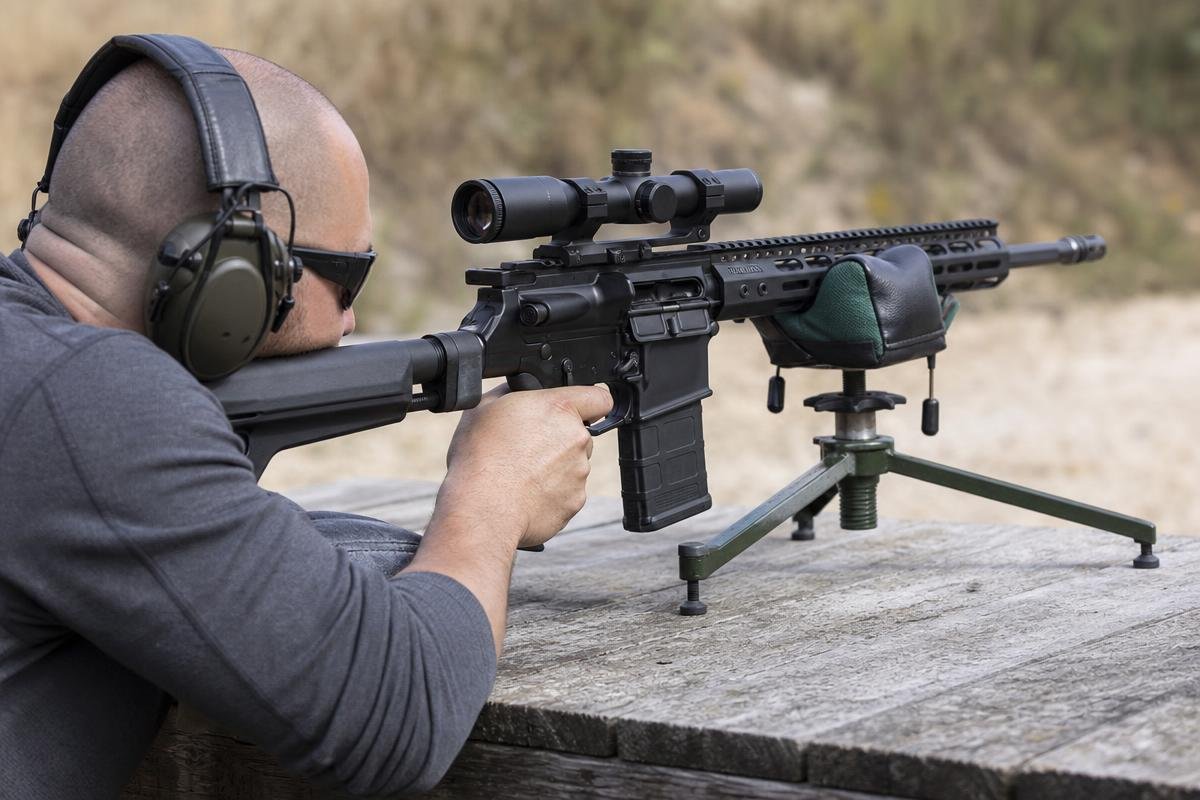
Match the rifle setup and target to the distance available at your selected range. A reliable zero requires a known distance, a target you can read, stable support, and a repeatable process. Do not plan a 100-yard confirmation if the facility only provides short lanes.
Choose a Practical Zero Distance
Pick a zero distance the selected facility actually supports. A 25-yard target can establish a starting point, while a 50-yard or 100-yard lane gives you a clearer confirmation of point of impact. Indoor function testing and outdoor zero confirmation are different jobs, so ask the range which distances and positions are available before you print targets.
Bring targets with a defined aiming point and a grid for measuring group movement. Record each turret adjustment, group location, ammunition type, and distance. Barrel length, twist rate, and load selection all affect group results, especially with 5.56 NATO upper receivers.
Confirm Your Optic and Mount
Check the optic mount before the trip. Confirm the mount fasteners are tight, the optic is level enough for your intended use, lens caps are clear, and the battery is fresh. Bring a spare battery for a red dot and the correct tool for your mount screws.
Use a dedicated red dot zeroing procedure for the target distance you can shoot. A loose mount or dead battery can look like a rifle problem, so rule those out before changing ammunition or chasing adjustments.
Bring a Reliable Support Setup
A stable front rest reduces movement while you fire a group. A rear bag, where the range permits one, lets you make small elevation changes without pulling the rifle off target. This helps you see what the rifle and ammunition are doing instead of measuring inconsistent hold.
Pack a front bag or rest, rear bag, targets, marker, tape, staple gun if allowed, and a notebook. Contact our team for product advice if you need help choosing an upper for your intended range use.
What to Verify Before Your First Texas Range Trip
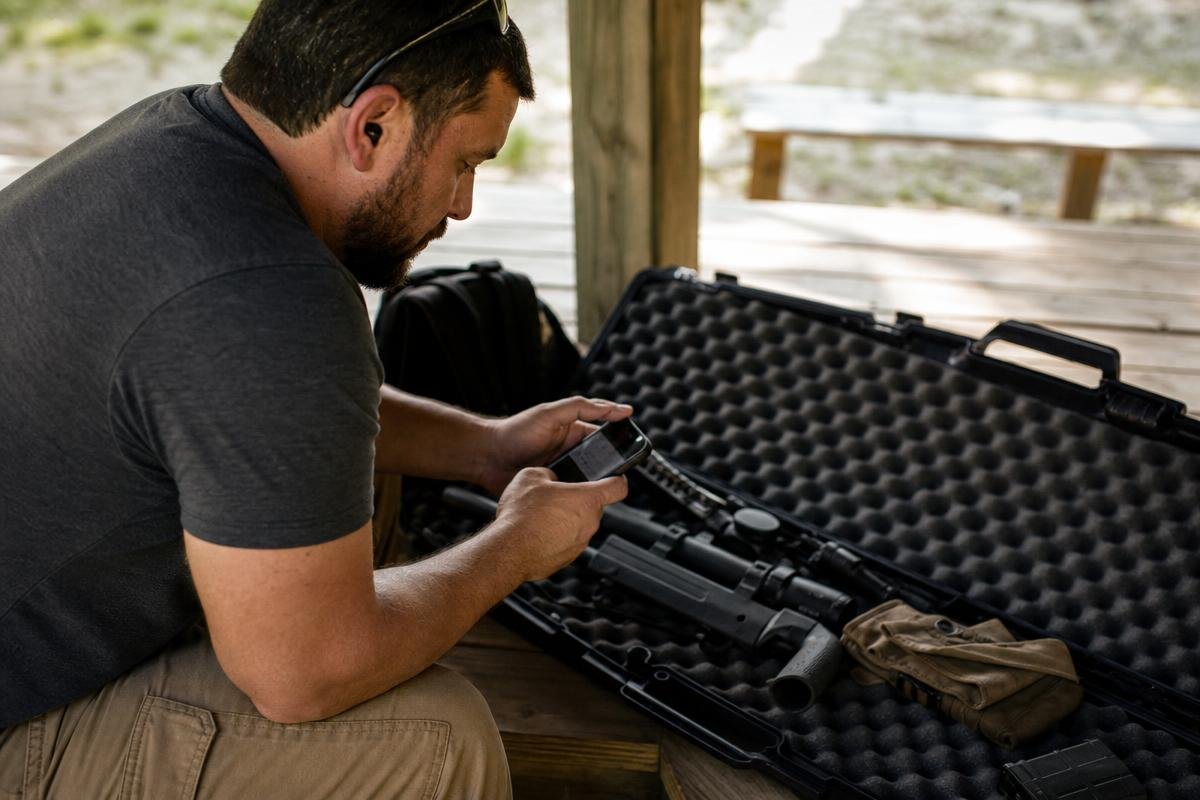
Before a first range trip in Texas, confirm current details with the facility. Range operations can change with weather, staffing, events, lane maintenance, and weekend demand, so a current phone call or official website check helps prevent a wasted trip.
Confirm Current Facility Information
Verify the location, current hours, arrival instructions, fees, reservation policy, permitted firearms, and posted safety rules directly with the selected facility. Ask whether walk-ins are accepted and whether the rifle range has distance limits that affect your setup.
Do not assume a facility offers bay rentals, training, rifle lanes, or long-range shooting because another range does. Confirm those details before you pack your rifle.
Prepare for Indoor and Outdoor Conditions
Outdoor shooting at a Texas range can change with summer heat, gusty wind, rain, and soft ground after storms. Pack water, weather-appropriate clothing, eye protection, hearing protection, and a stable way to keep gear out of mud or standing water.
An indoor shooting range has different considerations. Confirm lane procedures, ventilation requirements, ammunition restrictions, and any limits on rifle calibers or muzzle devices before arrival.
Choose AR-15 Components for Your Intended Use
Match your rifle configuration to the shooting you plan to do, not to a facility claim you have not verified. You can compare AR-15 complete rifles and complete AR-15 uppers based on barrel length, chambering, and the distance available at your chosen range.
AR15Parts.com is an online firearm parts and accessories retailer. For product questions about a rifle, upper, or replacement component, contact our team at (888) 706-0633.
Frequently Asked Questions
What Should I Ask Before Visiting a Gun Range?
Ask about firearm type, permitted calibers, available distances, reservations, fees, required eye and ear protection, and any first-time orientation. Confirm current rules directly with your selected range in Texas before leaving home.
Do Ranges Allow Rifles and AR-15-Style Firearms?
Some ranges allow rifles and AR-15-style firearms, while others limit firearm types or calibers. Confirm rifle, caliber, magazine, ammunition, and muzzle-device rules in advance. If you need a setup for your intended distance, compare our AR-15 complete rifles before your trip.
Do I Need a Reservation?
Maybe. Walk-in lanes and reservations can change during busy periods, so direct confirmation prevents an unnecessary trip. Ask if rifle lanes, indoor shooting bays, or longer-distance lanes require advance booking.
What Safety Gear Do I Need?
Bring wraparound eye protection and hearing protection rated for gunfire. Some facilities rent gear, but your own properly fitted electronic muffs and clear safety glasses are usually more comfortable. Pack a backup set if another person may join you.
What Distance Should I Use for Zeroing?
Your proper zero depends on your rifle, optic, ammunition, and intended use. Match your zero to available range distance, then review complete AR-15 uppers if your current setup does not fit that role.
Can I Bring My Own Ammunition?
Usually, but ammunition rules differ by facility. Ask about steel-core, steel-case, tracer, incendiary, and reloaded ammunition before packing for your trip. Confirm the approved calibers and ammunition types directly with the range so you do not arrive with gear you cannot use.
Before your next range day, confirm current rules, hours, reservations, and firearm restrictions directly with that facility. If you are preparing an AR-15 for your intended use, contact AR15Parts.com at (888) 706-0633 or contact our team to compare rifles, uppers, and replacement components.
Ready to Get Started with AR15Parts.com?
Call (888) 706-0633 to speak with our team directly. We're ready to answer your questions, walk you through your options, and help you find the right solution for your needs. Whether you're just starting to plan or ready to move forward, we'll make the process simple and stress-free. Reach out today and let's talk about how we can help.