
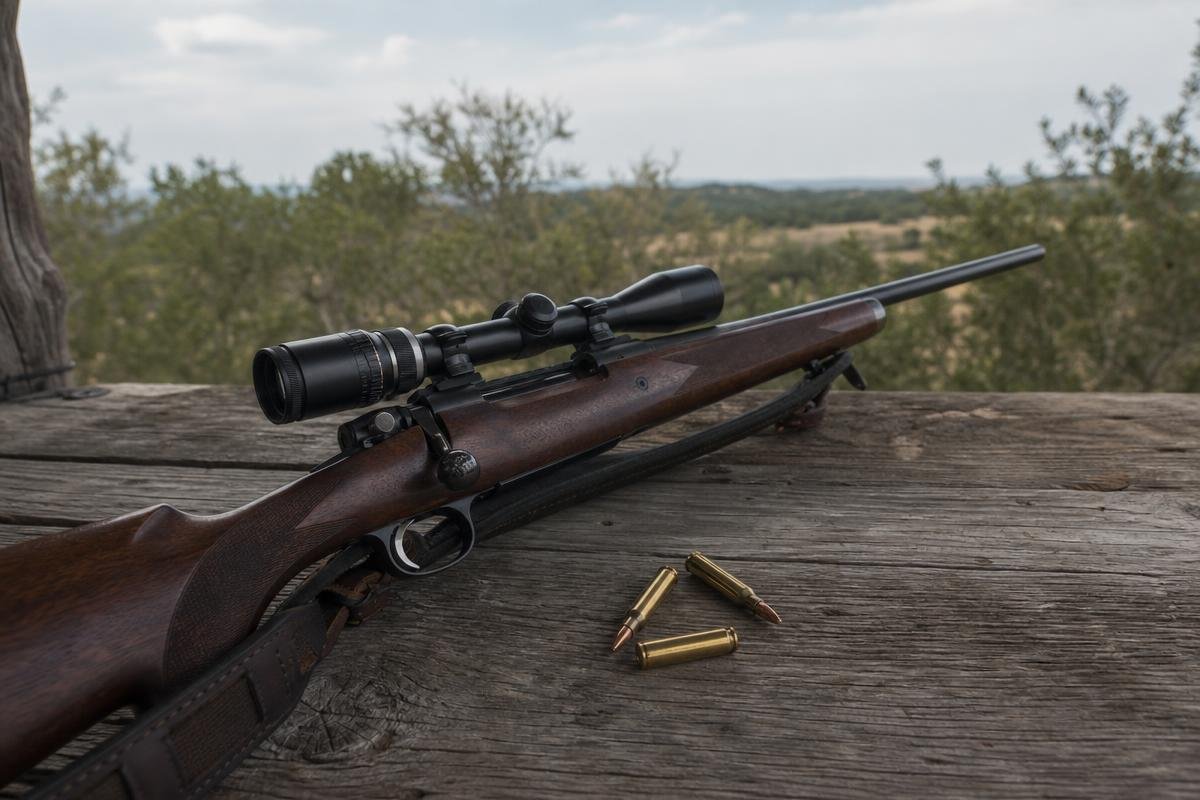
Start by defining the deer you hunt, your typical shot distance, and the conditions you face. The right cartridge is one you can shoot accurately with a suitable hunting bullet, in a rifle configuration that is legal where you hunt. Before buying an upper, magazine, or ammunition, review the current Texas Parks and Wildlife hunting regulations and any rules set by the landowner, lease, or managed property.
Key Takeaways
- Choose a deer cartridge based on expected range, bullet performance, recoil tolerance, and your ability to practice.
- Choosing the best deer hunting caliber starts with honest shot-distance expectations, not maximum advertised range.
- .243 Winchester, .270 Winchester, .308 Winchester, and .30-06 Springfield each fit different recoil and range needs.
- Confirm hunting regulations, landowner rules, cartridge restrictions, and magazine requirements before building or buying a rifle setup.
How to Choose a Deer Hunting Caliber
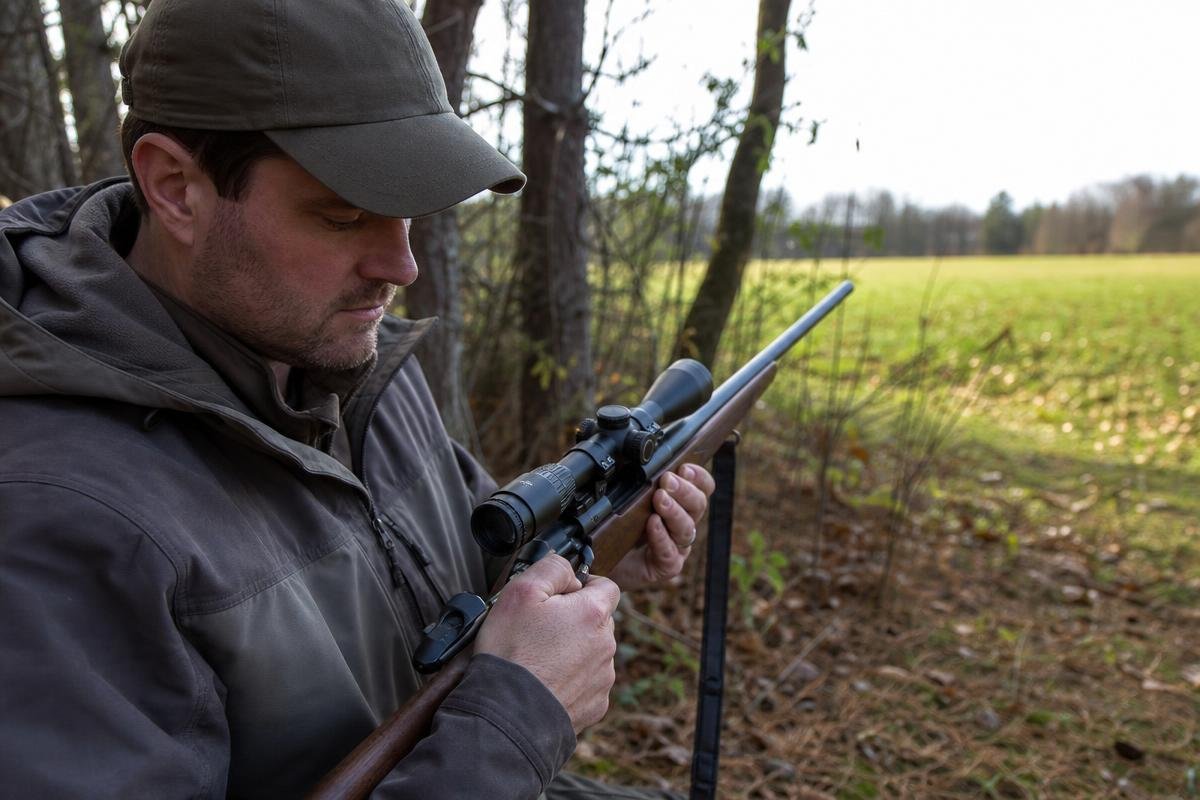
No single cartridge is right for every deer hunter. Deer size, realistic shot distance, recoil tolerance, ammunition availability, and rifle platform matter more than a popular cartridge name. A cartridge only makes sense when the rifle components, magazines, and ammunition are compatible.
For many North Texas hunters, preseason planning means accounting for warm early-season conditions, thick cover, field edges, and short to moderate shooting lanes. Walk the property where you have permission to hunt, identify safe backstops and likely shot distances, then choose a setup that you can handle confidently. If an AR-pattern rifle fits your plan, browse complete AR-15 uppers in multiple calibers after confirming the receiver pattern and cartridge requirements.
AR15Parts.com ships from our Denison, TX facility. The product-selection process should begin with compatibility, intended use, and the hunting rules that apply to your specific location.
Browse our complete AR uppers to compare caliber options for your receiver pattern.
Start With Your Deer, Distance, and Hunting Conditions
Whitetail deer are the usual starting point for cartridge selection, but the decision should also reflect the distance and angle of the shots you are prepared to take. Rather than planning around a cartridge's maximum advertised capability, set a personal effective range based on repeated practice from realistic field positions.
Match the Cartridge to Realistic Shot Opportunities
Plan around the property you have permission to hunt. In the Cross Timbers and North Texas region, timber, brush, creek bottoms, pasture edges, and senderos can all create very different shot opportunities. A compact setup may be practical in close cover, while a field edge may call for a clear optic, a confirmed zero, and more deliberate range planning.
Practice from positions you may use during the season, including seated, kneeling, standing, and supported positions from a blind or tree stand. The right caliber for whitetail deer is not automatically the largest cartridge. It is one that delivers accurate, controlled shots at distances you have proven in practice.
Choose Recoil You Can Practice With
Too much recoil is any level that causes flinching, rushed shots, or less range time. A hunter who can control a moderate cartridge and practice regularly is generally better prepared than someone using a harder-kicking rifle they avoid shooting.
Rifle weight, stock fit, muzzle device, optic position, and shooting position all affect felt recoil. Compare recoil using the actual cartridge and rifle configuration under consideration, then test-fire when possible. Your preseason range work should confirm that the rifle, hunting load, and your field-position technique work together.
Compare Common Deer Hunting Calibers Before Choosing a Rifle
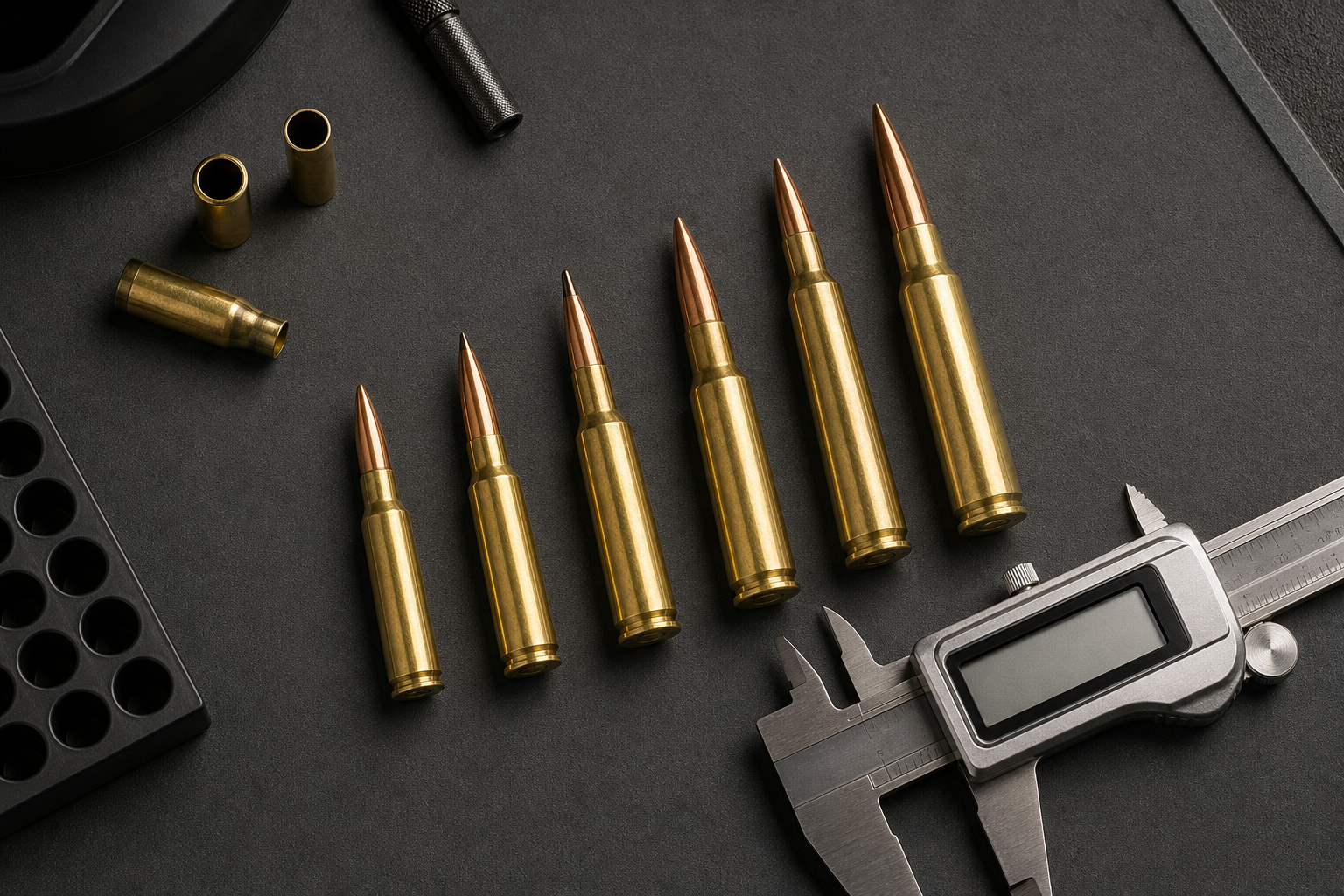
Traditional deer cartridges can all be effective when matched with an appropriate hunting bullet and used within the hunter's demonstrated range. The best deer hunting caliber is the one that fits your rifle, your shooting ability, and the hunting conditions you expect.
A Practical Comparison of Four Traditional Deer Cartridges
| Cartridge | Typical Fit | Recoil Consideration | Practical Range Planning and Buyer Considerations |
|---|---|---|---|
| .243 Winchester | Whitetail hunters who want manageable recoil | Usually easier for newer shooters to practice with | Choose a proper hunting bullet and keep shots within your proven range. |
| .270 Winchester | Traditional deer rifle hunters seeking a flatter-shooting option | More recoil than .243 Winchester, but manageable for many shooters | Works well for open-country planning if you confirm your zero and field positions. |
| .308 Winchester | Hunters wanting broad rifle and ammunition support | Moderate recoil that requires regular practice | A familiar choice for woods and field edges, with many rifle and load options. |
| .30-06 Springfield | Hunters wanting one traditional rifle for deer and other big game | Typically more recoil than .308 Winchester | Flexible ammunition choices, but buy it only if you can shoot it confidently. |
Is .243 Winchester Enough for Whitetail Deer?
Yes. .243 Winchester can be enough for whitetail deer when paired with an appropriate hunting bullet and used within the hunter's proven effective range. Its manageable recoil can help newer hunters spend more time practicing, but bullet selection and precise shot placement remain essential. For an AR-pattern build, review our .243 Winchester complete uppers before selecting a compatible lower and magazine setup.
Many hunters choose .308 Winchester because rifles and hunting ammunition are widely available. It offers a practical middle ground for those who want a familiar cartridge without stepping up to .30-06 Springfield recoil. Larger-frame builds require compatible parts, including .308 Winchester complete uppers.
Choose .270 Winchester if you prefer a flatter-shooting traditional deer rifle and can manage its recoil comfortably. Consider .30-06 Springfield if you also hunt larger game and are willing to practice enough to shoot it accurately. For any cartridge, confirm the legal hunting method and equipment rules before season.
Which Deer Calibers Make Sense on an AR Platform?
AR-platform deer cartridges must match the receiver pattern, bolt, magazine, barrel, and complete upper configuration. Never assume a standard AR-15 lower accepts every rifle cartridge. The platform decision comes before the caliber decision because a standard AR-15 and a larger-frame AR are not interchangeable systems.
Start With Receiver Pattern and Component Compatibility
A standard AR-15 lower is not compatible with .308 Winchester. .308 Winchester requires a larger-frame rifle pattern with its own upper, lower, bolt carrier group, magazines, and buffer system.
Keep the platform matched from end to end. A larger-frame upper does not interchange with a standard AR-15 lower, even if both rifles share familiar controls and furniture. Verify the manufacturer's compatibility information before ordering parts for a build.
AR-15 Compatible Hunting Options
6.5 Grendel gives many hunters more reach than common 5.56 setups while remaining on an AR-15-compatible platform. It requires a correct 6.5 Grendel bolt and matching magazines, not only a barrel change. Review our 6.5 Grendel complete uppers if you want a turnkey upper ready to drop onto your lower.
.350 Legend and .450 Bushmaster are other AR-15 options. Both use straight-wall cartridges, which can matter where a property or jurisdiction has straight-wall requirements. Those rules are location-specific, so confirm them directly before selecting a cartridge or magazine configuration.
Larger-Frame Options Require a Different Rifle Pattern
.308 Winchester remains a practical deer cartridge, but it belongs on an AR-10-style or other larger-frame configuration. It is not a conversion for your standard AR-15 lower.
For a straight-wall AR-15 build, our .350 Legend complete uppers provide a matched barrel, bolt, and upper assembly. Confirm that your lower, magazine type, ammunition, and intended hunting use all match the selected upper before placing an order.
For help checking cartridge and receiver-pattern compatibility, contact our team.
Choose Deer Ammunition by Bullet Construction, Weight, and Availability
Select ammunition after choosing the cartridge and confirming your rifle platform. Bullet construction, weight, velocity, and how the load groups in your rifle all influence field performance. Buy enough of one hunting load to establish a zero, practice from field positions, and carry the same load during the season.
Choose Hunting Bullets, Not General Target Loads
Target loads are designed primarily for paper and steel. Hunting bullets are intended to expand and penetrate in game tissue. Look for ammunition labeled for hunting, with a soft-point, bonded, copper, or other controlled-expansion bullet design appropriate for your cartridge.
Use Bullet Weight as One Part of Load Selection
Heavier bullet weight does not automatically mean better deer performance. Construction, impact velocity, accuracy, and expected distance all matter. Compare hunting loads available for your cartridge, then test the options your rifle stabilizes and groups consistently.
If you are building around an AR cartridge, our 6.5 Grendel complete uppers provide a practical platform for testing compatible hunting loads. Handloaders should use published load data, follow component specifications, and work up loads carefully.
Practice With the Load You Plan to Carry
Do not sight in with target ammunition and hunt with a different load. Use the same bullet type, manufacturer, and similar bullet weight you plan to carry. Confirm your zero from a steady rest, then practice from field positions before opening day.
For questions about products, call us at (888) 706-0633 or contact our team.
Need help matching your rifle setup to a deer hunting load? Call us at (888) 706-0633.
Use This Deer Caliber Selection Checklist Before You Buy
Choosing a deer hunting caliber is easier when you follow a fixed order. Confirm legal requirements first, identify the rifle platform second, check ammunition availability third, and then prove the chosen load at the range.
1. Verify Current Regulations First
Check current state regulations and rules from your landowner, lease, or managed property before buying a cartridge or upper. Cartridge restrictions, magazine limits, and approved hunting methods can differ by location. Review the current Texas Parks and Wildlife regulations, then confirm any additional property requirements directly.
2. Confirm Rifle and Upper Compatibility
Many AR-15 deer hunting calibers require a caliber-specific barrel, bolt, and magazine. A 6.5 Grendel or .350 Legend build cannot share every component with a 5.56 rifle. Turnkey complete AR-15 uppers in multiple calibers simplify matching when they fit your intended receiver pattern. Verify your lower, buffer system, magazine type, and upper components before ordering.
3. Check Ammunition Availability Before Committing
Buy enough of one hunting load for zeroing, practice, and the season while it is available. Keep bullet construction and deer hunting bullet weight consistent between range sessions and your final hunting load. Choose a load you can obtain again, then set aside a dedicated supply before preseason work begins.
4. Confirm Your Hunting Load at the Range
Zero with the exact ammunition you plan to carry, not a different practice load with a similar bullet weight. Confirm group size and point of impact from a stable rest at your expected hunting distance. Record your zero, test magazine feeding, and recheck your rifle before heading into the field.
What Should New Deer Hunters Prioritize in Their First Rifle Caliber?
New deer hunters should prioritize a rifle and caliber they can practice with regularly, carry comfortably, and operate safely. The best deer rifle caliber for beginners is one that produces manageable recoil, uses available ammunition, and lets you build confidence from field positions. A larger cartridge does not replace a known zero or steady shooting.
Prioritize Repeatable Practice Over Cartridge Size
Confidence comes from shooting the same rifle from prone, seated, kneeling, and supported positions before season. Confirm your zero with the hunting load, then practice working the safety, magazine release, and bolt or charging handle without looking down.
Choose common ammunition you can replace locally and afford to shoot often. Cartridge size matters less than the ability to place a suitable hunting bullet accurately under field pressure.
Set Up the Rifle for Safe, Comfortable Field Use
Stock fit affects every shot. Correct length of pull lets you shoulder the rifle without reaching, while a consistent cheek weld keeps your eye aligned with the optic. Review rifle-fit guidance in our AR-15 stock guide before selecting a stock.
A complete upper can work with an existing lower only after you confirm receiver-pattern compatibility, magazine requirements, and legal configuration. New hunters who want a matched setup can start with complete AR-15 rifles that are ready to set up and zero. Confirm applicable hunting requirements before selecting a cartridge, magazine, or straight-wall configuration.
Denison Deer Hunting Setup Considerations
We ship from our Denison, TX facility. Your rifle and cartridge should fit the land you actually hunt, not a general recommendation meant for a different terrain type or shooting distance.
Plan for the Property You Actually Hunt
Walk the property before buying a rifle or upper. Wooded cover often limits shots and favors a compact, quick-handling setup. Field edges, pasture openings, and cleared lanes can give you more distance, so identify your longest safe sightline before selecting an optic and cartridge.
Ask the landowner about stand locations, shot directions, access routes, and any magazine or equipment restrictions. This planning also helps you avoid selecting more cartridge or magnification than your actual hunting conditions require.
Build a Setup Around Confirmed Requirements
After confirming legal requirements and receiver compatibility, browse complete AR-15 uppers in multiple calibers. This gives you a practical shopping path for AR-15 deer hunting calibers without replacing your entire rifle.
Match barrel length, optic, magazine, and ammunition to your planned shots. A complete upper should be installed only after you verify that the cartridge works with your lower, bolt, magazines, and receiver pattern.
Frequently Asked Questions
What Is the Best Deer Hunting Caliber?
The best deer hunting caliber meets current legal requirements, fits your expected distance, and lets you place a suitable hunting bullet accurately. The best caliber for whitetail deer is usually one you can practice with consistently.
Is .243 Winchester a Good Choice for Whitetail Deer?
.243 Winchester can be a good choice with a properly constructed hunting bullet and careful shot placement. Confirm ammunition availability and choose a rifle you can shoot well from field positions.
Is .308 Winchester Manageable for Most Hunters?
.308 Winchester produces manageable recoil for many hunters and can produce less felt recoil than some larger cartridges, depending on the rifle and load. Rifle weight, stock fit, and practice matter more than a general recoil rating.
Can I Hunt Deer With an AR-15?
You can hunt deer with an AR platform if current rules allow your cartridge, magazine setup, and hunting method. Verify caliber-specific barrel, bolt, and magazine compatibility before assembling AR-15 deer hunting calibers.
What Bullet Weight Should I Use for Deer Hunting?
No single deer hunting bullet weight fits every rifle, bullet design, or intended distance. Follow your barrel’s accuracy results and select a controlled-expansion hunting bullet appropriate for your cartridge.
Should I Buy a Complete Upper or Build One?
A complete upper is the simpler choice if you want matched components ready to drop onto your lower. A build makes sense if you already understand receiver patterns, gas systems, and caliber-specific parts.
What Distance Should I Practice for Deer Hunting?
Practice at distances you expect to shoot, starting from a confirmed zero and adding seated, supported, and standing positions. Once you have confirmed hunting rules, expected distance, and receiver pattern, browse complete AR-15 uppers in multiple calibers or contact AR15Parts.com at (888) 706-0633 for help finding components that match your planned setup.
Ready to Get Started with AR15Parts.com?
Call (888) 706-0633 to speak with our team directly. We're ready to answer your questions, walk you through your options, and help you find the right solution for your needs. Whether you're just starting to plan or ready to move forward, we'll make the process simple and stress-free. Reach out today and let's talk about how we can help.