

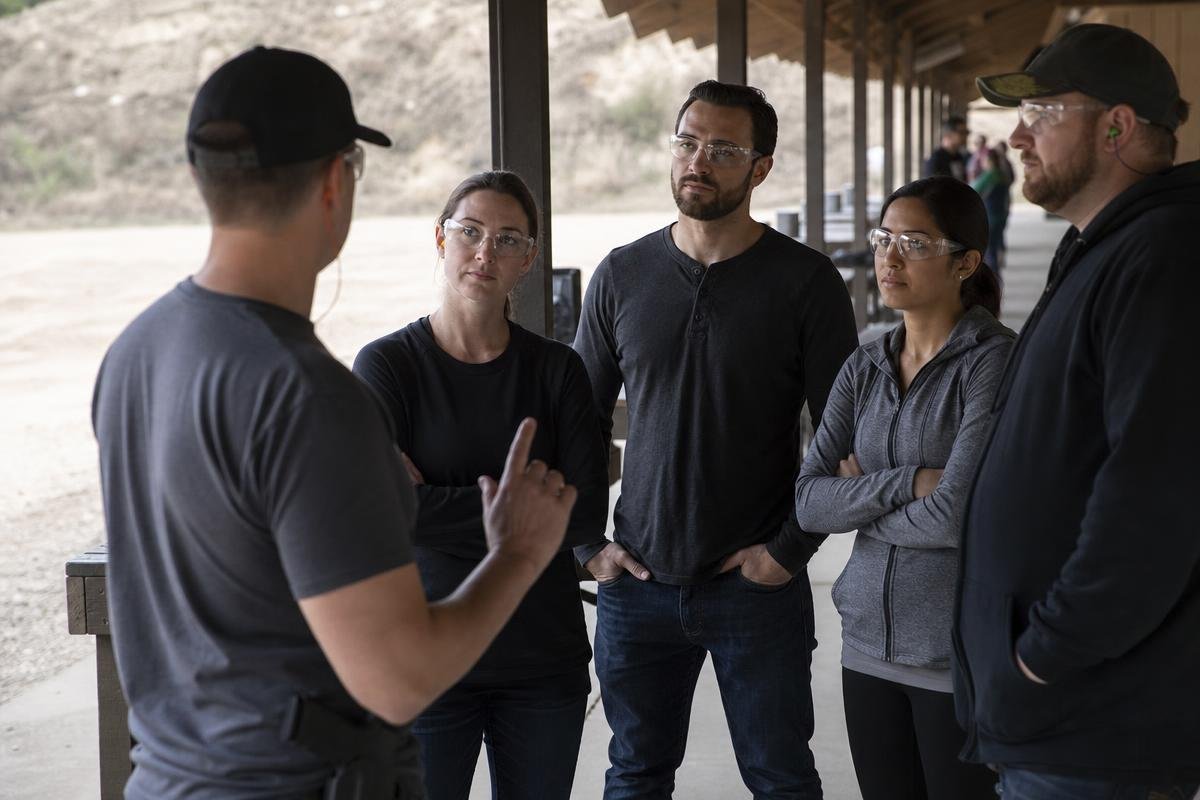
Good shooting range etiquette starts before you arrive: confirm the facility’s current rules, reservation or walk-in policy, approved ammunition and target requirements, then arrive with your firearm unloaded, cased, and your eye and ear protection ready. AR15Parts.com is a Denison firearms parts and rifle resource, not a shooting range, so always rely on the specific range’s official rules and on-site staff for live-fire procedures. For foundational firearm-safety guidance, review the NSSF firearm safety rules before your visit.
Need help checking magazine compatibility, upper specifications, or rifle options before your first visit? Contact our team online or call (888) 706-0633.
Key Takeaways
- Confirm the chosen facility’s hours, waiver, reservation, guest, ammunition, and target policies before driving over.
- Keep the muzzle in the designated safe direction and keep your trigger finger indexed until you are ready to fire.
- Wear eye and ear protection before entering an active firing area.
- Good shooting range etiquette includes checking in, respecting lane space, handling cease-fires correctly, and leaving your bench clean.
What Should You Do Before You Enter the Firing Range?
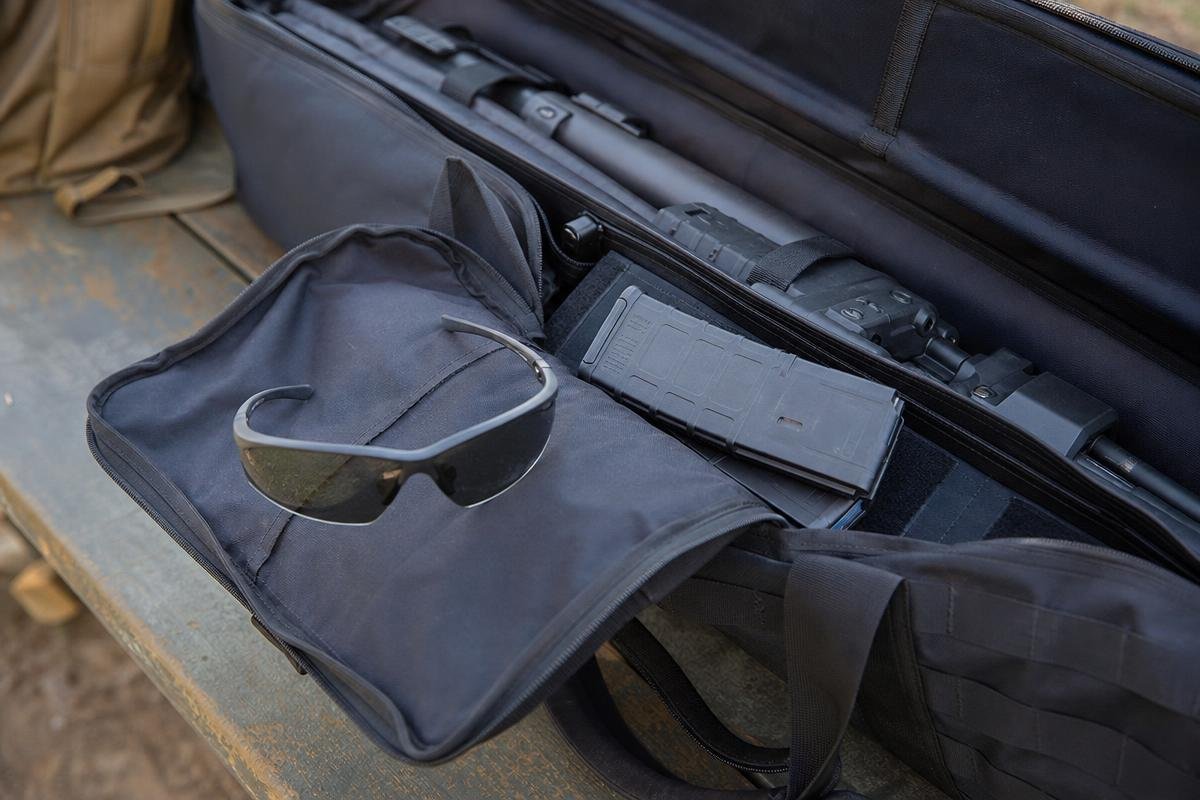
For a first time at a shooting range, give yourself extra time for check-in. Many facilities require visitors to review a waiver, show identification, watch a safety briefing, or reserve a lane in advance. Indoor facilities may have lane and ventilation-related restrictions, while outdoor facilities may have separate bays, scheduled target changes, and weather-dependent operating conditions.
Read the Facility Rules Before You Handle Gear
Confirm the facility’s rules before leaving home, then read the posted rules again at check-in. Ammunition limits, approved target materials, rapid-fire policies, holster work, firearm handling behind the firing line, and guest requirements can differ substantially between ranges in the Denison and broader Texoma area.
Ask whether the facility accepts your firearm type and cartridge, whether a reservation is required, and whether it has an indoor rifle lane or an outdoor rifle bay. If a rule is unclear, call the facility directly rather than assuming a policy from a previous visit elsewhere.
Pack Only What You Need at the Bench
Bring eye protection, ear protection, a firearm case, suitable ammunition, magazines, a basic cleaning item, and water. North Texas heat can make outdoor sessions uncomfortable, so hydrate and secure loose items before wind or weather turns them into a distraction. Keep unused gear in your bag so the bench stays organized.
- Pack ammunition that matches your firearm’s chamber marking.
- Bring a chamber flag if the facility requests one.
- Use a case that keeps the firearm covered until staff directs otherwise.
- Keep eye and ear protection accessible, not buried under ammunition or accessories.
A chamber flag is a visible status indicator, not proof that a firearm is unloaded. Open the action and personally check the chamber every time.
Ask the Range Officer Before You Act
Tell the check-in staff that you are new to the facility. Ask where to uncase, how to use the target system, where to place bags, and what to do if you need assistance. Asking before loading, unholstering, adjusting a target, or moving behind the line is considerate and safer than guessing.
AR15Parts.com can help answer product-fit questions before your visit, including magazine compatibility, upper and ammunition markings, and basic range gear. For equipment questions, contact our team.
Firing-Line Rules That Keep Every Lane Predictable
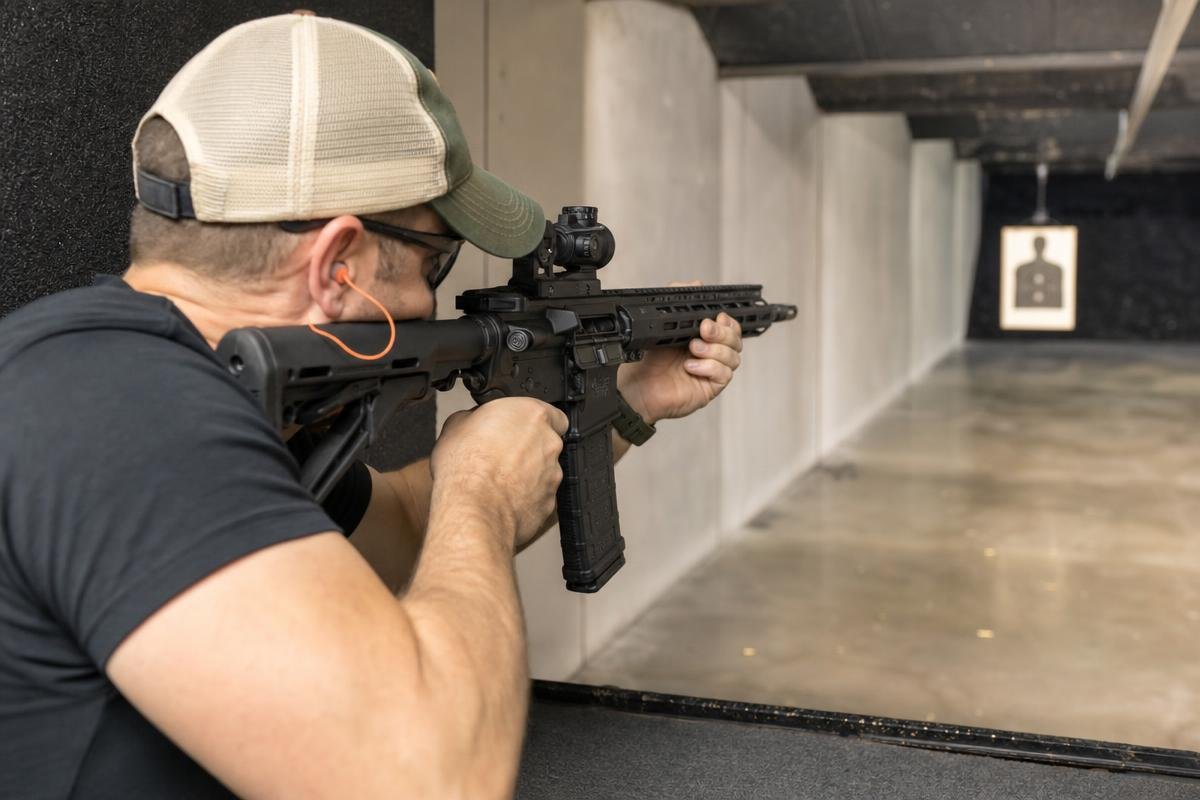
Every facility has its own operating procedures, and its commands control the line. Once you understand that baseline, the etiquette is simple: make your actions easy for nearby shooters and staff to read. Avoid sudden movements with a firearm, keep your bench orderly, and pause to ask for help when something does not feel right.
Keep the Muzzle Pointed at the Backstop
Your muzzle should point downrange at the backstop whenever a firearm is out of its case. Do not sweep the bench, ceiling, floor, side walls, or another lane while setting down or picking up a firearm.
Keep firearms cased until staff permits uncasing. Between strings of fire, place the firearm in the condition and position the facility requires, commonly with the action open and muzzle downrange. Check sling length, optic mounts, and controls before arriving so you are not trying to solve setup issues while others are actively firing.
Keep Your Trigger Finger Indexed
Your trigger finger stays straight along the receiver or frame until your sights are on target and you have decided to fire. A safety selector does not replace trigger discipline. This habit matters while loading, clearing, adjusting your stance, checking a sight, or setting the firearm down.
Think of the trigger guard as a firing-only area. If you are not deliberately firing at an approved target, your finger should be outside it.
Handle Cases, Magazines, and AR Platforms Safely
Load magazines only where the facility permits, keep ammunition organized, and never leave a loaded firearm unattended. Do not pass a firearm between lanes or lean into another shooter’s space to examine equipment without permission.
For an AR platform, confirm chamber condition visually and physically when appropriate. Do not rely solely on the safety selector. If you experience a malfunction, keep the firearm pointed downrange, pause, and request help if you do not know the correct, safe clearing procedure. Avoid rushing a repair at a crowded bench.
How to Respond When a Cease-Fire Is Called
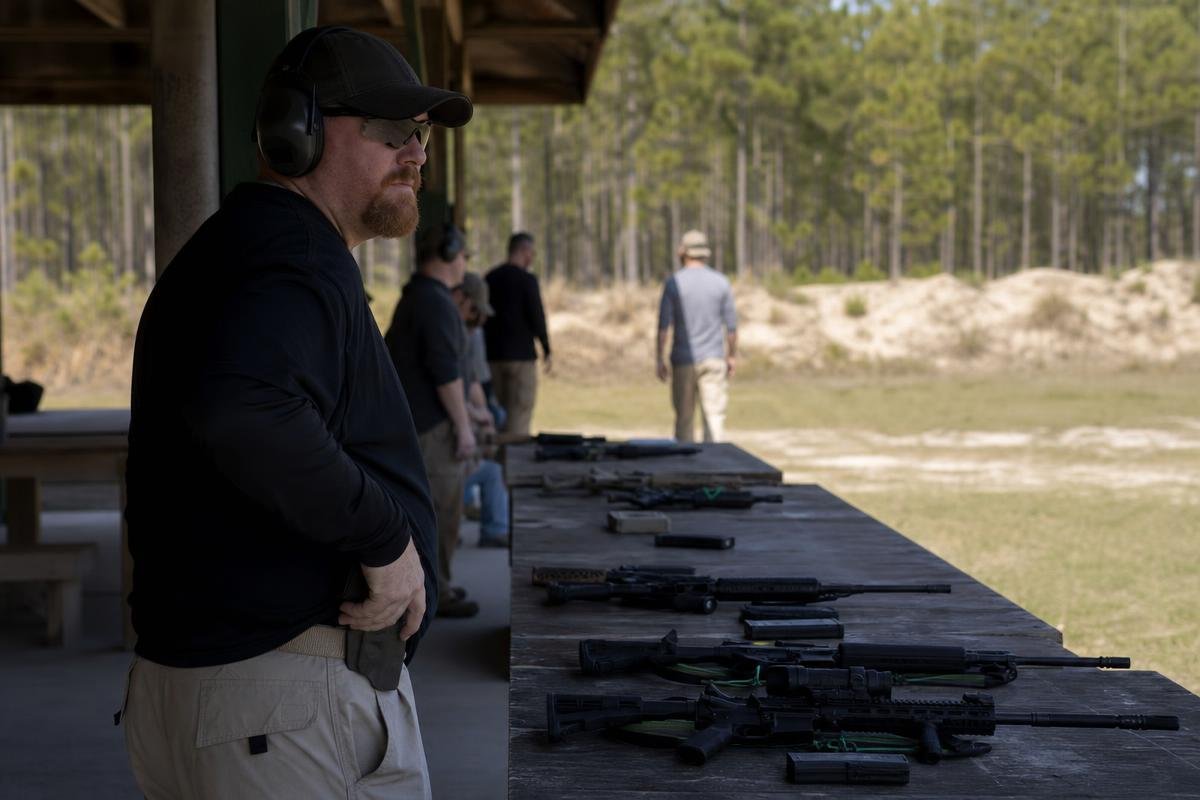
When a cease-fire is called, stop firing immediately, keep the muzzle safely downrange, and listen for the facility’s exact command sequence. A cease-fire may allow target changes, equipment checks, or access to the area forward of the firing line. It is not the time to adjust optics, load magazines, pick up brass, or troubleshoot a firearm.
Stop, Clear as Directed, and Step Back
Wait for the command sequence. You may be told to remove the magazine, unload the chamber, lock the action open, insert a chamber flag, or place the firearm on the bench. The required order can vary, so do not import procedures from another range.
Once your firearm is cleared as directed, step back from the bench and keep your hands away from the firearm. If a rifle has a cycling issue, leave it pointed safely downrange and ask staff how they want you to proceed.
Never Do These Things During a Cease-Fire
- Do not handle firearms.
- Do not touch magazines or ammunition if prohibited.
- Do not walk downrange before permission.
- Do not return to the line before the all-clear.
Stay aware even if another shooter appears ready to resume. Wait until staff confirms that the line is hot before approaching your firearm, loading, or firing again.
Lane Courtesy, Targets, Brass, and Shared-Space Etiquette
Much of shooting range etiquette is about avoiding unnecessary distractions. Respect the lane boundaries, let other shooters concentrate, and keep your gear and conversations from spilling into shared space.
Use Only Approved Target Setups
You can bring your own targets if the facility allows them and they fit its approved carrier, frame, or backer. Hang targets at the specified height and distance. Improper placement can damage equipment or send rounds into an unapproved part of the backstop.
Ask before using steel, reactive targets, large silhouettes, or unusual materials. Never move a target while the line is active. At an indoor lane, use the carrier as instructed and avoid sending it too far forward or pulling it back while someone is trying to communicate with you.
Keep Your Gear Inside Your Lane
Keep bags, ammunition, cases, and personal items inside your lane area or behind the firing line where staff directs. Do not reach across lane dividers, crowd a neighboring bench, or set gear where someone could trip over it.
Keep conversations quiet and brief while others are shooting. Do not offer unsolicited coaching, especially to a stranger handling a firearm. If you see a genuine safety concern, notify staff rather than startling the shooter or reaching toward their equipment.
Ask Before Collecting Brass
Do not enter another lane, reach forward of the firing line, or pick up brass during a cease-fire unless staff permits it. Brass ownership and cleanup procedures vary, and some facilities retain all spent cases.
Before leaving, remove your targets, dispose of trash, collect only brass you are permitted to take, and leave the bench clear for the next shooter.
Indoor and Outdoor Range Etiquette Is Not Identical
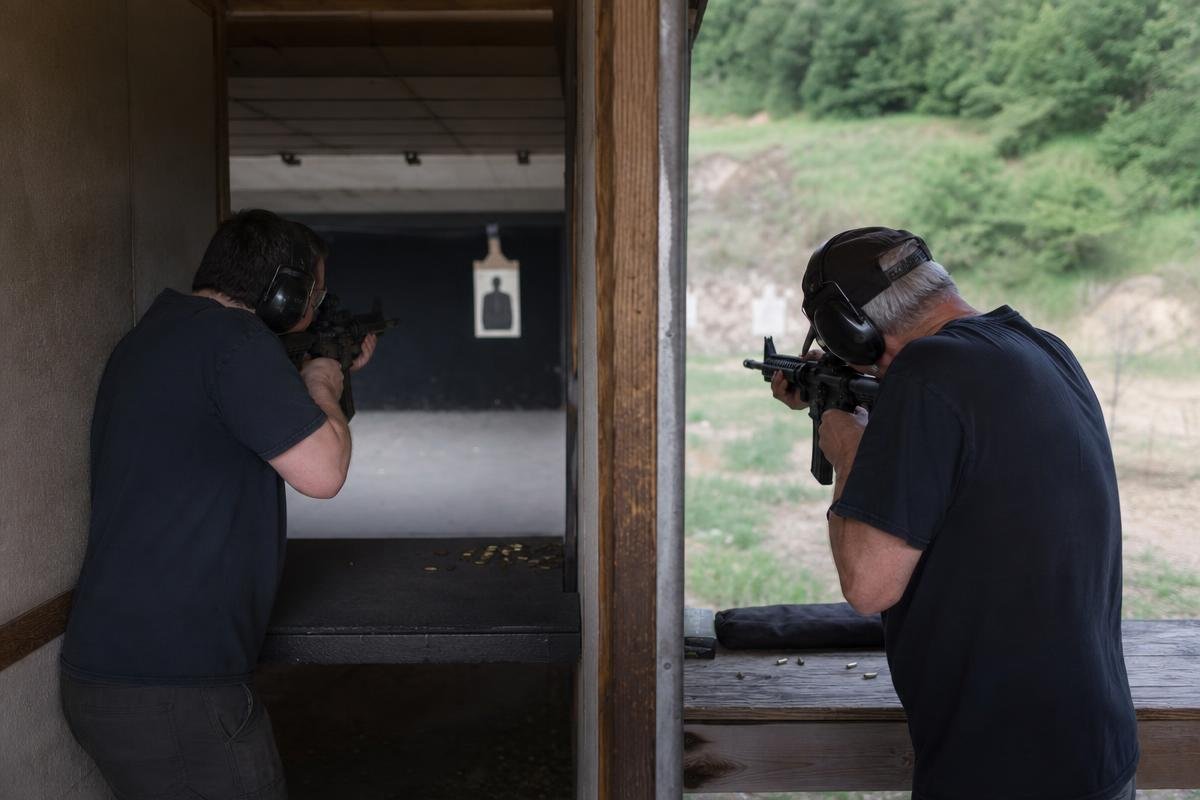
Indoor and outdoor facilities share the same core safety expectations, but their layouts and operating conditions are different. In North Texas, outdoor visits may also require more planning for heat, wind, rain, mud, and changing light. Confirm the facility’s current procedures before unpacking.
What Changes at an Indoor Range
Indoor ranges require close attention to lane boundaries, target carriers, and nearby shooters. Keep gear out of walkways, use only approved targets, and wait for staff assistance if a carrier or firearm issue interrupts your session.
Noise is higher in enclosed bays, and ventilation policies may affect approved ammunition and muzzle devices. Confirm that your rifle setup is accepted before bringing a 5.56 NATO upper receiver to an indoor facility or rifle lane.
What Changes at an Outdoor Range
Outdoor ranges often have separate firing bays, longer distances, and scheduled cold-range periods for target changes. Wind can move paper targets and changing sun can affect visibility, so secure targets properly and bring water, sunscreen, and weather-appropriate clothing when permitted.
Never assume another bay is cold because your group has stopped firing. Movement forward of the line requires the facility’s designated process and clear confirmation from everyone involved.
Confirm Cartridge and Target Restrictions First
A rifle accepted at one facility may be restricted at another. Backstop construction, bay design, caliber limits, steel-core ammunition rules, muzzle-device limits, and target policies can all change what is permitted.
Ask about your specific cartridge, steel-core ammunition, binary triggers, rapid fire, muzzle devices, and target types before arriving. Supersonic and subsonic ammunition must still meet the facility’s policy.
For questions about the cartridge markings or parts on your rifle configuration, contact AR15Parts.com. We can help you identify the product details to confirm with the range before your trip.
A Denison Checklist for Your First Range Visit
Your first visit goes more smoothly when you handle the basics before arrival. Denison-area shooters may choose facilities with different lane types, reservation practices, and rules, so verify details with the specific location instead of relying on a general checklist alone.
Before Leaving Home
- Confirm hours, reservations, waiver requirements, guest policies, and approved ammunition directly with the facility.
- Pack eye and ear protection, ammunition, approved targets, water, and a basic range bag.
- Keep your firearm unloaded and cased. Bring no prohibited target materials.
- Check that your magazines match your firearm and that all mounts, sights, and controls are secure.
At Check-In
- Tell staff it is your first visit and ask for a quick review of the facility’s procedures.
- Ask about lane assignments, target placement, ammunition restrictions, photo policies, and the command sequence for a cold range.
- Confirm where firearms may be uncased, loaded, cleared, and cased before departure.
Before You Leave the Facility
- Clear your firearm using the facility procedure, then case it only when staff permits.
- Remove used targets, trash, and empty boxes from your lane.
- Ask about brass policy before collecting any cases from the floor.
We ship from our Denison, TX facility. For help choosing compatible gear before your visit, contact our team online or call (888) 706-0633.
Range-Ready AR Gear to Check Before You Go
Before a range visit, check your firearm's chamber marking, magazine compatibility, and the facility's rules for your cartridge and rifle setup.
We offer complete AR-15 rifles, AR uppers, and magazines to help you plan a compatible setup. Confirm your chosen range accepts your equipment before you go.
Frequently Asked Questions
Questions about a first visit to a shooting range are normal. Read your chosen facility’s firing range safety rules before arrival, since guest procedures and range officer commands can differ.
What Should I Do If I Am Not Sure How to Operate My Firearm?
Keep the muzzle downrange, keep your finger off the trigger, and ask the range officer for direction. Do not try unfamiliar controls or loading steps while guessing.
Can I Bring a New Shooter With Me?
Yes, but do not supervise beyond your own ability. Confirm guest and orientation procedures with the facility, then keep instruction simple and stop if either shooter is unsure.
What Should I Wear to the Range?
Wear closed-toe shoes, eye protection, and ear protection. A brimmed hat helps keep hot brass off your face, and loose clothing or accessories should not interfere with safe handling.
How Soon Should I Clean My Firearm After a Range Session?
Inspect it after each session for fouling, loose components, and lubrication needs. A full cleaning schedule depends on firearm type, ammunition, and how it was used.
Can I Take Photos or Video at the Range?
Ask staff before recording. Never film other patrons without permission, and follow any facility limits on cameras, phones, or video near active lanes.
What Should I Do if My Firearm Malfunctions?
Keep the muzzle downrange, keep your finger off the trigger, and avoid improvising a repair. Ask for range officer help if you are unsure what happened.
Before your next range session, check your chosen facility’s rules, pack protective gear, and review your firearm’s safe operating condition. For rifles, parts, and accessories, contact AR15Parts.com at (888) 706-0633.
Ready to Get Started with AR15Parts.com?
Call (888) 706-0633 to speak with our team directly. We're ready to answer your questions, walk you through your options, and help you find the right solution for your needs. Whether you're just starting to plan or ready to move forward, we'll make the process simple and stress-free. Reach out today and let's talk about how we can help.