
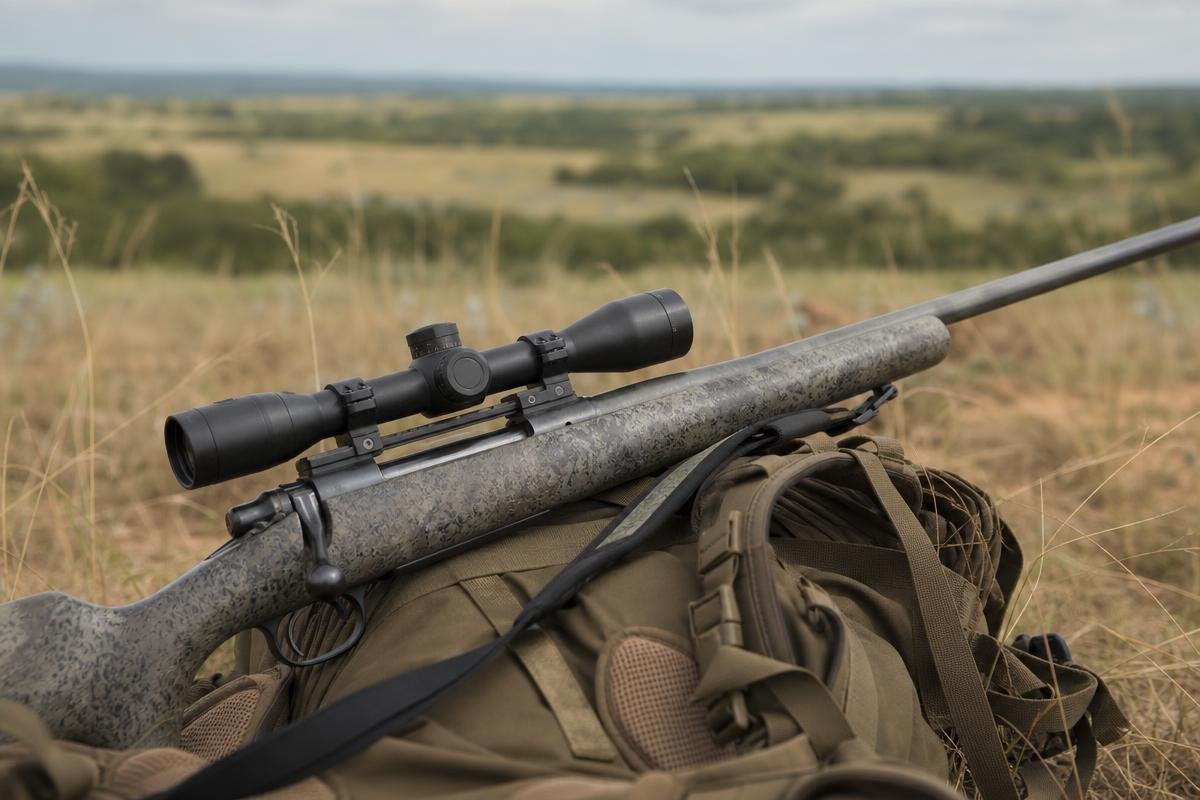
The 7mm-08 Remington is a hunting cartridge, and understanding 7mm-08 ballistics helps show how it compares with .308 Winchester and other AR-platform options. Out past 200 yards across open country, the numbers matter. Bullet drop, retained energy, and muzzle velocity all shift in ways that change shot selection. Compare velocity, energy at distance, and drop to help choose a load and bullet weight.
At AR15Parts.com, we help hunters and shooters compare calibers and choose components for AR builds. We can help you weigh a 7mm-08 hunting rifle against an AR-platform option.
Key Takeaways
- 7mm-08 ballistics favor 120gr and 140gr bullets for most North Texas deer hunting distances of 100 to 300 yards.
- Muzzle velocity for standard 140gr loads typically runs between 2,800 and 2,860 fps depending on barrel length and ammunition brand.
- Retained energy drops significantly past 300 yards, making bullet selection critical for ethical terminal performance on whitetail.
- The 7mm-08 produces less recoil than .308 Win while delivering comparable energy at practical hunting distances.
- Barrel length directly affects muzzle velocity; a 24-inch barrel may gain roughly 80 to 100 fps over a 20-inch tube, depending on the load and powder.
The 7mm-08 Remington is a necked-down .308 Winchester case loaded with a .284-inch bullet. That simple design decision produces one of the most efficient mid-range cartridges available, delivering flat trajectory, manageable recoil, and retained energy that holds up past 300 yards. If you are comparing a hunting rifle with an AR-platform build, weigh 7mm-08 ballistics against the cartridges available for your platform.
Compare 7mm-08 muzzle velocity, retained energy at distance, and bullet drop from the muzzle out to 400 yards. If you are weighing the 7mm-08 against .308 Win or choosing a hunting bullet weight, the numbers below offer a starting point. We also carry 6.5 Grendel uppers for AR builds if you want to explore a different semi-automatic option.
What Makes 7mm-08 Ballistics Different from Other Mid-Range Cartridges?
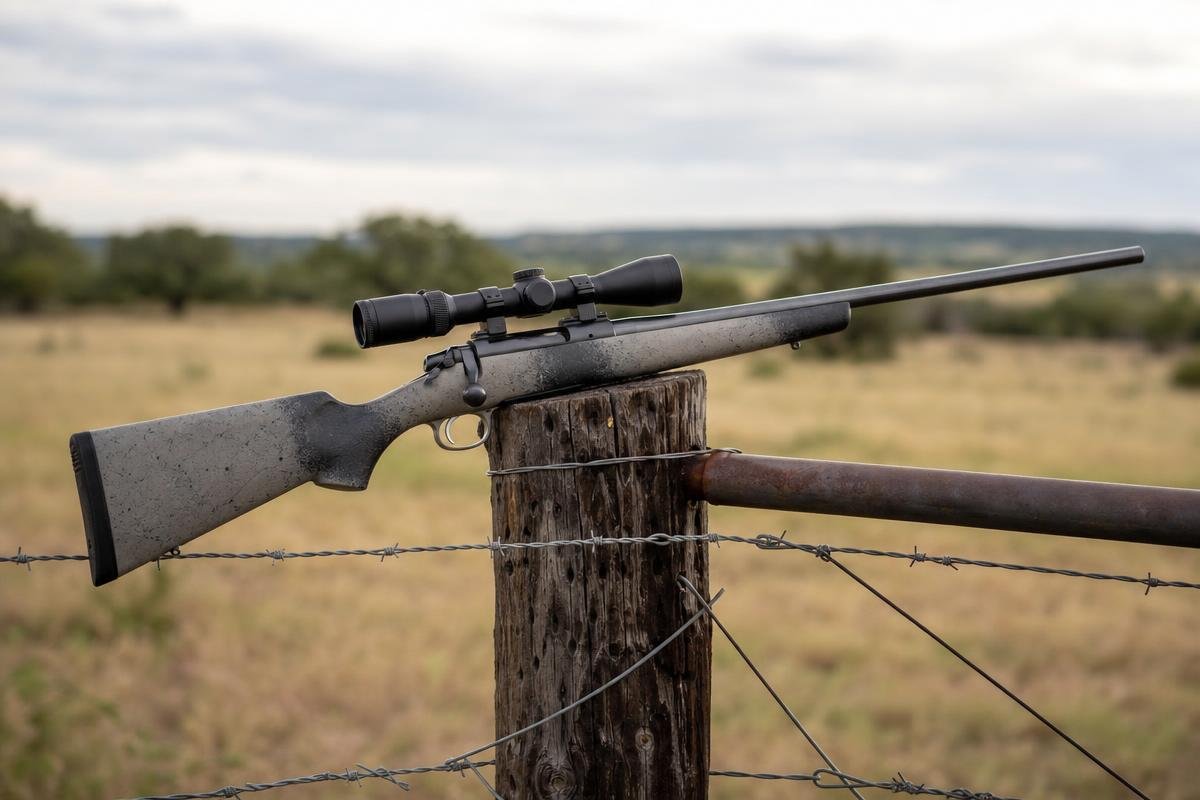
Some 7mm-08 bullets can retain velocity and shoot flatter than comparable .308 loads, but ballistic coefficient depends on bullet design as well as diameter. Sectional density is another consideration for penetration, alongside bullet construction and impact velocity.
The Parent Case
The 7mm-08 is the .308 Winchester case necked down to accept a .284-inch bullet. That means the same bolt face, nearly identical powder capacity, and the same magazine geometry. You get a cartridge that feeds and functions like a .308 but launches a smaller, sleeker projectile. That difference in bullet diameter can offer an advantage at distance when paired with a suitable bullet design.
For a hunter working a 200 to 300 yard shot across an open field near Pottsboro, that retained velocity matters. The higher-BC .284-inch bullet can shed velocity more slowly than a comparable .308 projectile, arriving downrange with more speed and a flatter trajectory when the loads are otherwise comparable. We cover the actual numbers in the next section, but the physics start here with the case design.
Why Bullet Diameter and Sectional Density Matter
Sectional density is bullet weight in pounds divided by the square of its diameter in inches. It is one factor in potential penetration, while aerodynamic drag and velocity retention are represented more directly by ballistic coefficient. A 140gr 7mm bullet carries an SD of approximately 0.248. A 150gr .308 bullet sits at roughly 0.226. Higher sectional density can support penetration when bullet construction and impact velocity are appropriate, while retained energy depends on mass, velocity, and ballistic coefficient.
A 7mm-08 load with a high-BC bullet can outperform a lower-BC .308 load at longer ranges, but neither cartridge has a universal advantage. Compare specific bullet designs, and assess penetration using bullet construction and impact velocity as well as sectional density. If you are also looking at other efficient mid-range calibers for an AR platform, our 6.5 Grendel uppers for AR builds cover similar high-SD territory worth comparing.
7mm-08 Velocity and Energy: What the Numbers Look Like at Real Distances
The 7mm-08 ballistics story is best told with actual numbers. The table below shows representative figures for 120gr and 140gr loads generated from a standard ballistic calculator using the Remington Core-Lokt 140gr factory reference (2,860 fps muzzle velocity, 0.412 G1 BC) and an illustrative 120gr load at 2,980 fps. The 120gr bullet BC, sight height, and full atmospheric inputs are not specified here, so those figures must be recalculated for the exact load before use. All values are approximate. Confirm against the specific factory load and lot you plan to shoot before finalizing a ballistic solver input.
| Range (yds) | 120gr Velocity (fps) | 120gr Energy (ft-lbs) | 120gr Drop (in) | 140gr Velocity (fps) | 140gr Energy (ft-lbs) | 140gr Drop (in) |
|---|---|---|---|---|---|---|
| Muzzle | 2,980 | 2,367 | 0.0 | 2,860 | 2,542 | 0.0 |
| 100 | 2,740 | 2,000 | 0.0 | 2,647 | 2,178 | 0.0 |
| 200 | 2,510 | 1,678 | -3.8 | 2,543 | 2,013 | -3.5 |
| 300 | 2,290 | 1,396 | -13.9 | 2,345 | 1,710 | -12.8 |
| 400 | 2,080 | 1,152 | -31.4 | 2,243 | 1,566 | -29.1 |
Drop figures assume a 100-yard zero and standard atmospheric conditions at sea level. Adjust for a 200-yard zero, altitude, and temperature as needed.
The 140gr load retains 1,566 ft-lbs at 400 yards. That may be suitable for whitetail when the bullet’s impact-velocity requirements, current regulations, and shot conditions are satisfied. The 120gr load starts faster but sheds energy more quickly past 300 yards due to lower mass. For most hunting situations in the Texoma region, the 140gr is the practical choice.
How Barrel Length Affects Muzzle Velocity
Published 7mm-08 muzzle velocity figures almost always come from 24-inch test barrels. In the field, most bolt guns run 20-inch tubes. Each inch of barrel you lose can cost roughly 20 to 25 fps with the 7mm-08, though the change varies by powder and load. Dropping from 24 to 20 inches may mean roughly 80 to 100 fps less at the muzzle.
That gap matters when you read a ballistics chart. A 140gr load listed at 2,860 fps from a 24-inch barrel may leave a 20-inch barrel at roughly 2,760 to 2,780 fps, depending on the load. Adjust your ballistic solver accordingly. The 20-inch barrel is still the practical hunting sweet spot, balancing velocity against rifle length and handling. The 24-inch barrel makes sense for bench shooting or extended long-range work where every fps counts.
Barrel selection matters whether you are buying factory or building your own platform. We carry complete AR uppers in multiple calibers if you are looking at semi-auto options alongside your bolt-gun build.
7mm-08 Bullet Drop: Reading the Trajectory from Muzzle to 400 Yards
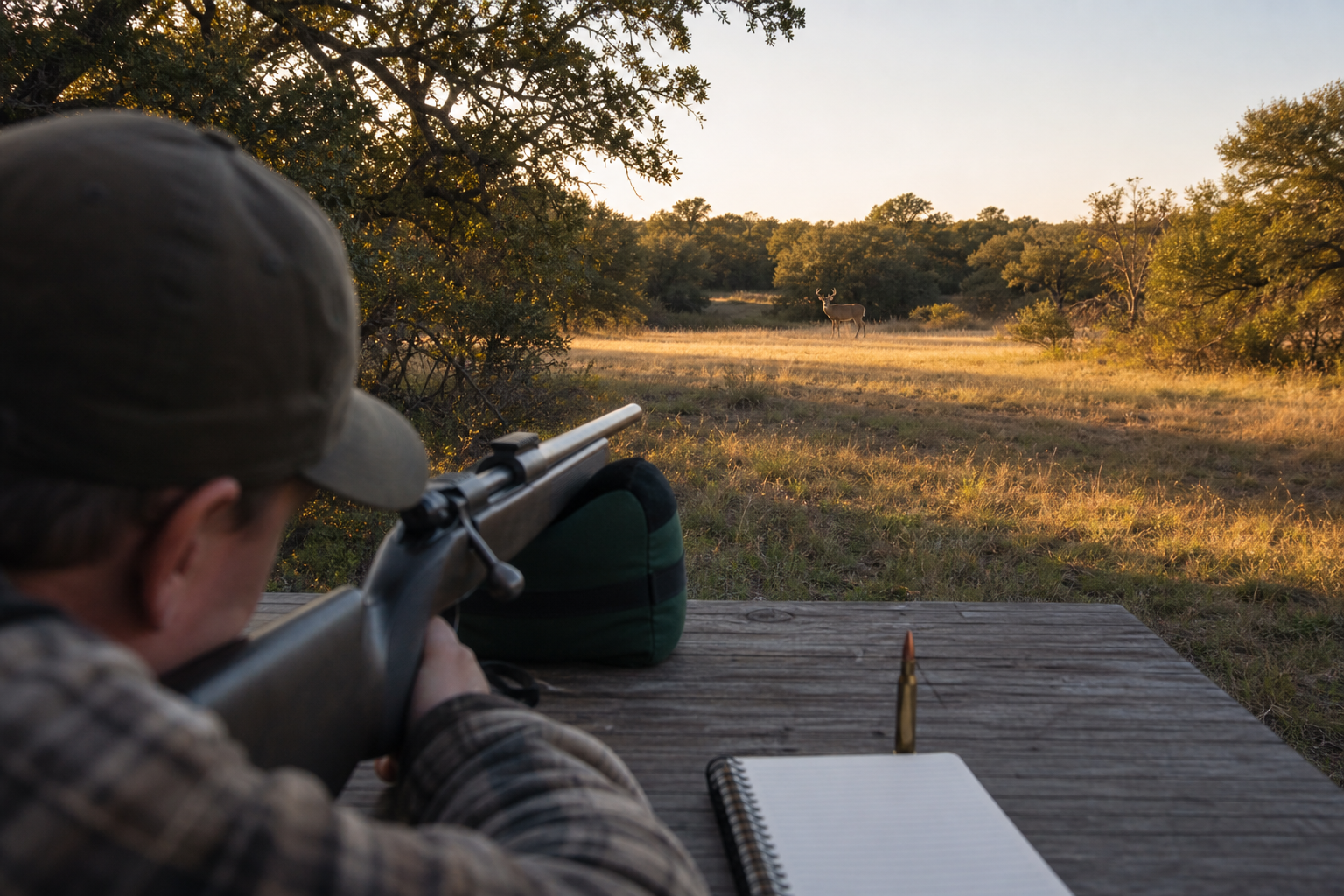
Bullet drop is where 7mm-08 ballistics separate themselves from the pack in practical field conditions. The numbers below are based on a 140gr load at 2,860 fps, which is the standard most hunters and shooters use as a reference point.
With a 200-yard zero, that 140gr bullet runs approximately 1.5 inches high at 100 yards, dead on at 200, and roughly 7 inches low at 300 yards. Stretch it to 400 yards and you're looking at around 20 inches of drop. With a 100-yard zero, the same load hits about 3.5 inches low at 200 yards and 14 inches low at 300. The 200-yard zero gives you a wider point-blank range and is the more practical setup for deer hunting.
Open shots in this part of North Texas regularly run 200 to 300 yards. A 200-yard zero keeps you on a deer-sized target from the muzzle out to about 275 yards with minimal holdover. In tighter river bottom timber, shots under 150 yards are common, so zero distance matters less. But knowing your drop still keeps you from making a bad shot at the edge of a clearing.
Zero Distance and Its Effect on Midrange Drop
The difference between a 100-yard zero and a 200-yard zero is significant at 300 yards. Verify the trajectory for your exact load and use a confirmed hold rather than relying on a generalized chart. For open-country shooting in the Lake Texoma region, the 200-yard zero is the standard we recommend. It matches the terrain and keeps your holdover simple at the distances you're most likely to shoot.
Wind Drift
Wind drift depends on the exact bullet BC, muzzle velocity, atmosphere, and wind angle. A higher-BC 7mm bullet may drift less than a lower-BC .308 load under the same conditions, but use manufacturer data and a current ballistic solver for a defensible comparison. The wind can pick up quickly in open pasture once the sun climbs. If you want a related trajectory comparison, the 6.5 Creedmoor vs .308 comparison covers similar wind drift and drop data side by side.
7mm-08 vs .308 Ballistics: Side-by-Side Comparison
The 7mm-08 vs .308 ballistics debate comes up constantly, and the honest answer is that neither cartridge dominates the other across the board. The numbers are closer than most people expect. What separates them is where each one gives ground.
| Metric (300 yds) | 140gr 7mm-08 | 150gr .308 Win |
|---|---|---|
| Muzzle velocity (fps) | 2,860 | 2,820 |
| Velocity at 300 (fps) | ~2,345 | ~2,100 |
| Energy at 300 (ft-lbs) | ~1,710 | ~1,469 |
| Sectional density | 0.248 | 0.226 |
| Free recoil (8.5 lb rifle) | 13 to 15 ft-lbs | 20 to 22 ft-lbs |
Velocity and Energy Head-to-Head at 300 Yards
Start with a 140gr 7mm-08 load at 2,860 fps muzzle velocity. A comparable 150gr .308 Win load leaves the muzzle at roughly 2,820 fps. Those numbers look nearly identical. At 300 yards, the gap widens in the 7mm-08's favor. The 140gr 7mm-08 retains approximately 2,345 fps and 1,710 ft-lbs of energy. The 150gr .308 drops to around 2,100 fps and 1,469 ft-lbs.
That is a real difference in 7mm-08 energy at distance, but not a dramatic one. Both cartridges may suit whitetail at 300 yards when the exact bullet, impact velocity, current regulations, and shooter proficiency support the shot. The 7mm-08 edges ahead on retained velocity and a flatter trajectory. The .308 counters with a wider factory ammunition selection and broader component availability. If you are reading a ballistics chart and trying to pick a winner on paper, the 7mm-08 muzzle velocity advantage compounds over distance. In the field, both cartridges get the job done.
Recoil, Weight, and Practical Tradeoffs
This is where the comparison gets practical. The .308 Win produces roughly 20 to 22 ft-lbs of free recoil in a typical 8.5 lb rifle. The 7mm-08 generates 13 to 15 ft-lbs under the same conditions. That gap is meaningful for follow-up shots, and it matters directly for youth hunters and smaller-framed shooters across the Texoma region. A shooter who experiences less felt recoil may find it easier to maintain consistent fundamentals, but accuracy still depends on fit, training, and conditions.
If you want to compare another AR-platform option at the higher end of the energy spectrum, the 338 ARC ballistics breakdown covers a cartridge built for more energy at distance. For most deer hunters working open fields and cedar breaks around Sherman, the 7mm-08 hits the right balance of recoil, trajectory, and terminal performance.
Questions about caliber selection or component availability? Call us at (888) 706-0633 and we will give you a straight answer.
Choosing the Right 7mm-08 Bullet Weight for Your Application
Bullet weight in the 7mm-08 is not a preference decision. It is an application decision. The case capacity inherited from the .308 parent case sets real limits on what each weight class can do, and those limits matter when you are picking a load for a specific animal at a specific distance.
120gr Loads
The 120gr is the fastest option in the 7mm-08 lineup. Muzzle velocity runs 2,960 to 3,000 fps, which produces the flattest trajectory of any factory 7mm-08 load. That makes it a strong choice for varmints and lighter deer at ranges under 300 yards.
The tradeoff is energy retention. Lower mass means the 120gr sheds velocity faster past 300 yards, and terminal performance on larger deer becomes marginal at distance. If you want a lighter, faster option on the AR platform, .243 Winchester uppers for high-velocity builds are worth a look as an alternative.
140gr Loads
The 140gr is the standard hunting load for the 7mm-08, and for good reason. 7mm-08 140gr ballistics deliver muzzle velocity in the 2,800 to 2,860 fps range with ballistic coefficients between 0.485 and 0.530 on quality projectiles. That combination holds energy well past 400 yards.
The Remington Core-Lokt 140gr is the widely available factory reference load and a reliable benchmark for comparison. It can be appropriate for whitetail, mule deer, and pronghorn when the bullet’s impact-velocity guidance, current regulations, and the shooter’s verified limits are met. For open-country shots in the 200 to 300 yard range common across this part of Texas, the 140gr is the default answer.
150gr and Beyond
Heavier loads above 150gr are less common in the 7mm-08 because the case simply runs out of room. Velocity drops to 2,650 to 2,700 fps, which narrows the advantage over a standard .308 load considerably.
Where heavier bullets make sense is close-range work on elk-sized game where penetration matters more than flat trajectory. In tight timber where shots stay under 150 yards, the extra mass earns its place. At longer distances, the 7mm-08 muzzle velocity penalty with heavy bullets is real and measurable.
7mm-08 Ballistics Compared With AR-Platform Options
Hunting Conditions and Cartridge Selection
For a 7mm-08 hunting rifle, open-field shots around 200 to 300 yards make trajectory, retained energy, and verified holdovers important. Compare those same factors when choosing a large-frame AR cartridge such as .308 Winchester; the right choice depends on your load, barrel, and intended distance.
For shorter-range hunting in dense cover, bullet construction and impact velocity may matter more than a small ballistic-coefficient advantage. A 140gr soft point may suit close-range deer hunting when the manufacturer identifies it for that use and its impact-velocity requirements are met.
Comparing 7mm-08 With Available AR Uppers
The 7mm-08 can be chambered in some compatible large-frame AR platforms. If you are weighing an AR build against a 7mm-08 hunting rifle, compare our complete AR uppers by cartridge and check compatibility and included components on each product page.
We ship eligible products where permitted from 4000 Texoma Pkwy, Denison, TX 75020. Call us at (888) 706-0633 with questions about caliber selection or component availability. If you know the performance envelope you need, we can point you to the right upper.
Frequently Asked Questions
What is the muzzle velocity of a 140gr 7mm-08 load?
A factory reference load is listed at 2,860 fps from a 24-inch test barrel. Actual factory loads and barrels vary, so confirm the manufacturer’s test barrel and expect velocity to change as barrel length changes.
How much does a 140gr 7mm-08 drop at 300 yards?
With a 200-yard zero and a 140gr load at 2,860 fps, 7mm-08 bullet drop at 300 yards is approximately 7 inches. Zero at 100 yards instead and that number climbs to around 14 inches. The 200-yard zero is the practical standard for open-country shooting.
Which is better for deer, 7mm-08 or .308?
Both can be suitable for whitetail, but no universal range limit replaces load-specific data, current regulations, and demonstrated shooter proficiency. The 7mm-08 produces roughly 13 to 15 ft-lbs of recoil versus 20 to 22 ft-lbs for .308. On open ground where 300-yard shots are realistic, the 7mm-08 gives up nothing on terminal performance and is noticeably easier to shoot accurately. The .308 has a wider selection of factory ammunition.
Does 7mm-08 retain enough energy at 400 yards for ethical hunting?
Using the table’s stated inputs, a 140gr bullet at 2,860 fps retains approximately 1,566 ft-lbs at 400 yards. Treat energy thresholds as rules of thumb rather than universal ethical limits, and confirm bullet construction, impact velocity, current regulations, and shot conditions.
What barrel length gives the best 7mm-08 velocity?
A 24-inch barrel generally produces more velocity than a 20-inch barrel with the same load. A 20-inch barrel may give up roughly 80 to 100 fps, depending on powder and load. Dropping below 18 inches costs meaningful velocity and increases muzzle blast without a useful tradeoff in most field situations.
What bullet weight is best for deer hunting with 7mm-08?
The 140gr is the standard answer. It balances ballistic coefficient, terminal expansion, and retained energy across the ranges most hunters actually shoot. Lighter bullets like 120gr work at closer ranges but sacrifice downrange energy on longer shots.
Can I shoot 7mm-08 from an AR platform?
The 7mm-08 is not a standard AR-15 cartridge, but it can be chambered in some compatible large-frame AR-10-style platforms. Confirm receiver pattern, magazine, barrel, bolt, and manufacturer specifications. If you want a small-frame AR-15 alternative, 6.5 Grendel offers a different balance of recoil, range, and energy rather than a direct ballistic match.
We ship eligible complete AR uppers in multiple calibers where permitted from 4000 Texoma Pkwy, Denison, TX 75020. If you are evaluating calibers in a similar performance envelope to the 7mm-08 for your next AR build, call our team at (888) 706-0633. We can help you find the right upper for your application.
Ready to Get Started with AR15Parts.com?
Call (888) 706-0633 to speak with our team directly. We're ready to answer your questions, walk you through your options, and help you find the right solution for your needs. Whether you're just starting to plan or ready to move forward, we'll make the process simple and stress-free. Reach out today and let's talk about how we can help.