
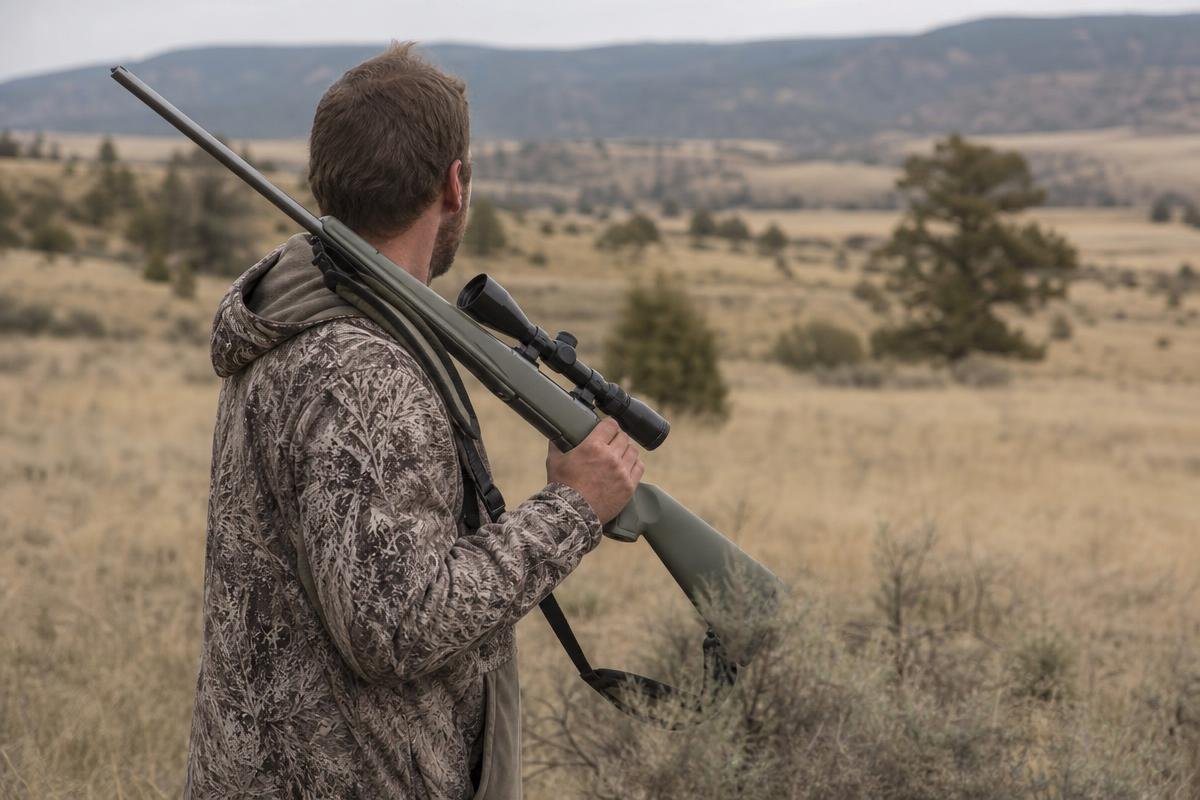
We ship from our Denison, TX facility at 4000 Texoma Pkwy, Denison, TX 75020. If you are asking what .243 Winchester is good for, it remains a practical choice for deer, coyotes, varmints, and pronghorn when the load, range, and shot angle fit the cartridge. Below, we cover common .243 Winchester uses, realistic hunting limits, and the distinction between traditional bolt-action rifles and AR-platform configurations. Need help identifying a .243 Winchester product category or confirming platform requirements?
Key Takeaways
- The .243 Winchester is a versatile cartridge for varmints, coyotes, pronghorn, and deer-sized game.
- For deer, purpose-built 95 to 100 grain hunting ammunition is a common starting point.
- The best game for .243 depends on bullet construction, distance, wind, and the angle of the shot.
- Traditional .243 Winchester rifles are usually short-action bolt guns. .243 Win AR-10/DPMS-pattern uppers are niche configurations, not a universal standard; confirm lower and magazine compatibility with the specific upper manufacturer.
What Is .243 Winchester Best Used For?
Varmints and Small Predators
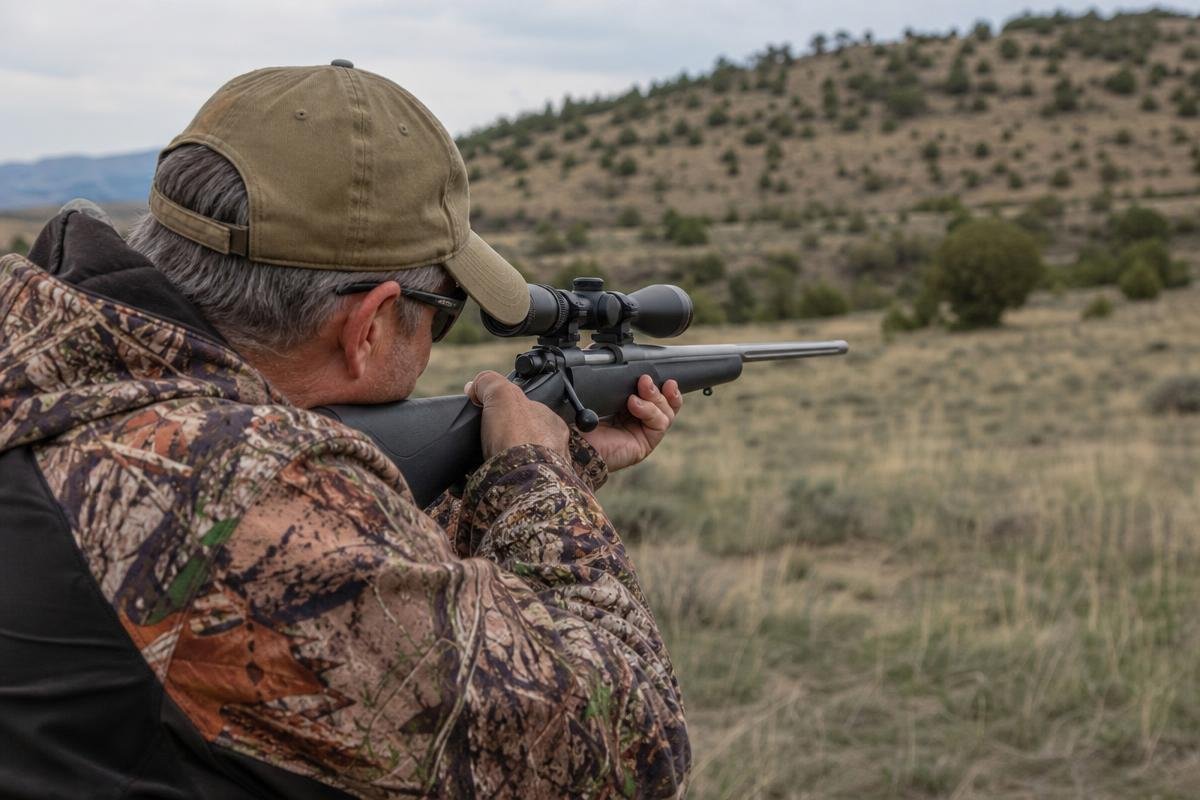
Light 55 to 75 grain bullets are commonly used for prairie dogs, ground squirrels, and smaller predators. These loads are generally designed for rapid expansion and a flat trajectory, not for deep penetration through the shoulder of a larger animal.
For open-country shooting, the .243 Win offers more reach than many smaller varmint cartridges, though it can be more cartridge than necessary at close range. Confirm accuracy with the exact load you intend to use, especially when switching between lightweight varmint ammunition and heavier hunting ammunition.
Coyotes and General-Purpose Farm Use
The .243 Winchester is a familiar predator cartridge for hunters who also want a deer-capable rifle. Bullets in the 70 to 90 grain range can bridge the gap between explosive varmint loads and heavier deer loads, although fur damage varies widely with bullet design, impact speed, and shot placement.
For North Texas field use, a shooter may encounter coyotes around pasture edges, brush lines, and harvested fields, then carry the same rifle during deer season with an appropriate hunting load. For available caliber-specific assemblies, see our .243 Winchester complete uppers. Review each listing carefully for its stated receiver set, magazine, bolt, and ammunition requirements.
Deer and Pronghorn Hunting
Is .243 good for deer? Yes, when used with a hunting bullet designed to penetrate adequately and expand at expected impact velocities. For deer and pronghorn, 95 to 100 grain bullets are a common starting point because they are generally built for more penetration than lightweight varmint projectiles.
Broadside and lightly quartering shots provide the most margin. Larger-bodied game, heavily quartering angles, and shots that require breaking heavy bone are situations where a larger cartridge may be the better choice.
| Use Case | Typical Bullet Weight | Practical Fit | Limitation |
|---|---|---|---|
| Varmints | 55 to 75 grain | Flat shooting and rapid expansion | Not designed for deep penetration |
| Coyotes | 70 to 90 grain | Versatile predator role | Bullet choice affects pelt damage |
| Pronghorn | 90 to 100 grain | Suitable with hunting bullets | Precise placement required |
| Deer | 95 to 100 grain | Proven deer-sized option | Avoid poor angles |
| Larger-bodied game | 100 grain and up | Use caution | Often better served by a larger cartridge |
Why Do 95 to 100 Grain Bullets Matter for Deer?
For .243 Winchester deer hunting, bullets in the 95 to 100 grain class are popular because they balance sectional density, controlled expansion, and penetration for broadside deer shots. For example, Federal lists its 100-grain Power-Shok soft-point .243 Winchester load at 2,960 fps from a 24-inch test barrel, while published velocity and field results can vary by rifle barrel length, chamber, temperature, and lot.
Bullet Construction Matters More Than Weight Alone
A deer bullet differs from a varmint bullet because it is built to stay intact long enough to penetrate after impact. Lighter varmint bullets are often intended for rapid, dramatic expansion on coyotes and other small targets. That construction can reduce penetration on deer, particularly on an angled shot or after contact with heavier bone.
Check the ammunition maker's intended game use and expansion guidance before buying. Jacket design, bonding, copper construction, impact-velocity window, and shot angle all affect terminal performance. A purpose-built hunting bullet is a better deer choice than a thin-jacketed varmint projectile, even when their weights are similar.
Checking Twist Compatibility and Point of Impact
Your rifle must stabilize the bullet and place it where your optic indicates. Many .243 Winchester rifles use a 1:10 twist, which commonly handles conventional 95 to 100 grain hunting bullets, but long-for-weight all-copper bullets and very long target bullets can require different twist considerations. Check the barrel maker's stated twist guidance and test the actual load rather than relying on bullet weight alone.
Confirm point of impact with the exact hunting load you plan to carry. Shoot supported groups at your zero distance, then verify drop at realistic field distances after changing ammunition. A load that groups consistently from your rifle is more useful than a heavier load that does not.
How Far Is .243 Winchester Effective for Ethical Hunting?
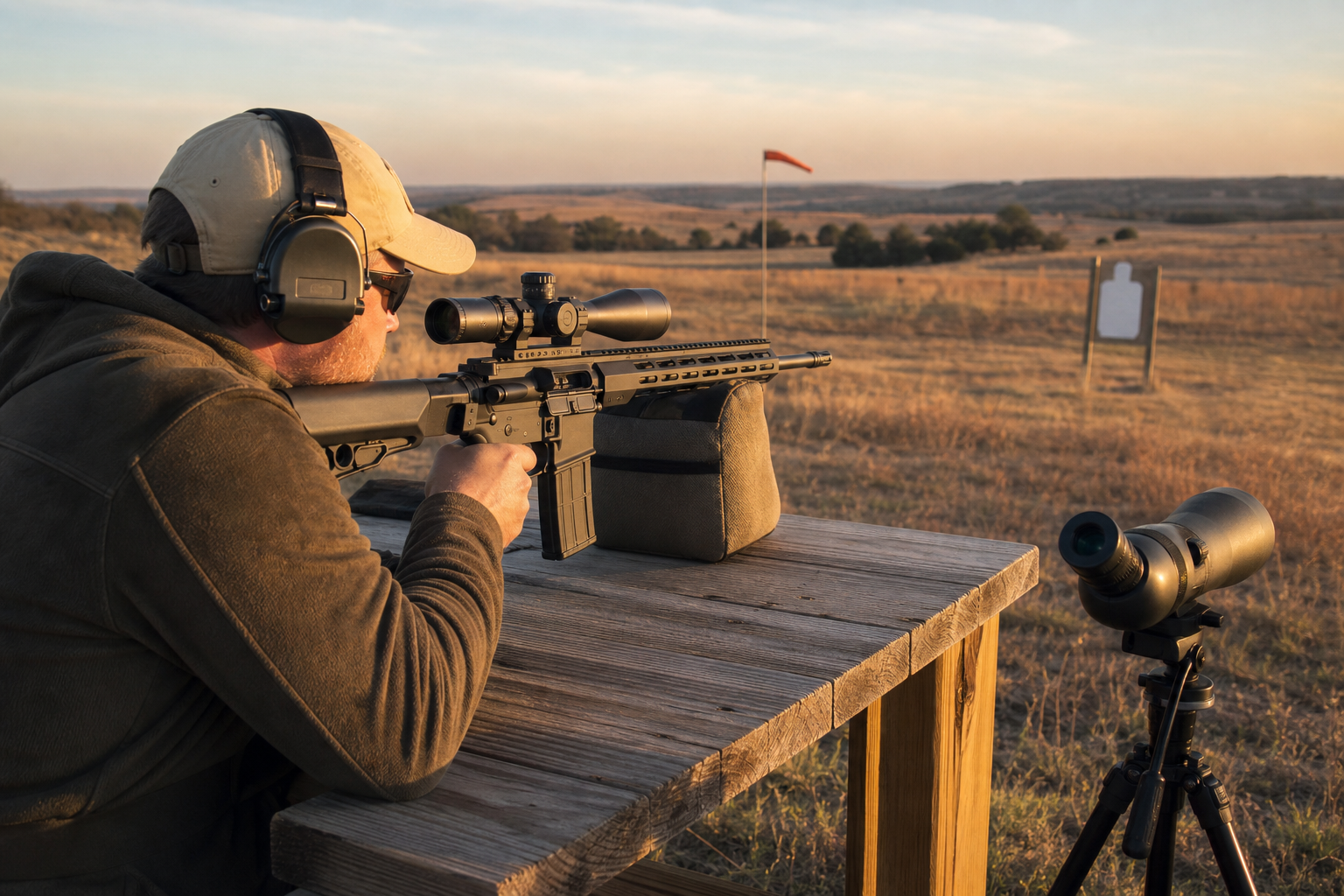
A .243 Winchester can be effective at extended distances, but ethical range depends on accuracy, wind reading, impact velocity, shooting position, and the bullet's ability to expand at the target. A responsible limit is the farthest distance where you can repeatedly place a proven load into the vital zone from a stable field position. A deer taken near 400 yards may show what is possible in controlled conditions, not a routine distance for every hunter.
Build Your Range Limit at the Range
Confirm your zero before the hunt, then shoot groups at the distances you expect to encounter deer. Measure group size, verify actual drop data, and observe wind drift with your hunting load. Ballistic calculator data is a starting point, but your rifle and ammunition must confirm it on paper or steel.
An optic with a confirmed zero remains central to the setup. In North Texas, wind across open fields can matter quickly as distance increases, particularly with lighter 6 mm bullets. Use a stable rest, know your hold or dial, and pass on shots when wind conditions exceed your demonstrated ability.
Shot Placement Creates More Margin
Broadside and lightly quartering deer offer the clearest path to the heart and lungs. Refer back to the deer-load guidance above, but remember that no bullet weight makes up for a rushed shot, poor angle, or unstable position.
Pass on steep angles, heavy wind, and animals that may move before the bullet arrives. The .243 Winchester effective range is not a fixed yard number. It changes with the rifle, the load, the rest, the weather, and your ability to make a clean shot.
AR15Parts.com is located at 4000 Texoma Parkway, Denison, TX 75020. For product-category questions, call (888) 706-0633 or contact our team before ordering parts for a specific receiver platform.
When Is .243 Winchester Less Ideal?
A .243 Winchester hunting cartridge is less ideal when the animal is heavier, the shot angle is difficult, or extra penetration margin is needed. It can work well on deer and predators, but 6 mm bullets generally leave less room for error than heavier bullet classes in larger cartridges.
Larger Game, Hard Angles, and Less Penetration Margin
Choose something larger when you expect larger-bodied deer, bigger game, steep quartering shots, or uncertain field conditions. A broadside shot through the lungs is one thing. A quartering shot that must break substantial bone and reach vital organs asks more from the bullet.
Is .243 Winchester enough for larger-bodied deer? It can be under favorable conditions with an appropriate hunting bullet, careful placement, and reasonable distance. Laws, animal size, bullet construction, and conditions vary, so there is no universal answer. As distance increases, wind drift and reduced impact velocity can turn a previously comfortable shot into a marginal one.
How .243 Win Fits Beside 6.5 Grendel and .308 Win
The .243 Win fits shooters who want mild recoil for deer, coyotes, varmints, and range practice. The .223 Remington is generally more economical for varmint use and produces less recoil, but it offers less bullet weight and penetration margin for deer. The .25-06 Remington offers more velocity and energy, though with more recoil and a longer-action rifle requirement.
If you need an AR-platform option with a heavier bullet class, review our 6.5 Grendel upper options. The Grendel uses the AR-15 platform with its own correct bolt and magazines and provides access to heavier 6.5 mm bullets. A .308 Win or 6.5 Creedmoor may make more sense for hunters seeking greater retained energy on larger game, but those cartridges are generally associated with larger rifle platforms.
Need help matching a cartridge and upper to your hunting plan? Call us at (888) 706-0633.
Choosing a .243 Winchester Upper by Use Case
Choose the job first. A .243 Winchester hunting cartridge set up for coyotes may favor a different barrel profile and twist rate than one intended for deer or regular range use. For a niche .243 Win AR-platform setup, let your intended ammunition and use guide the barrel choice; check the manufacturer's specifications before ordering.
Match the Upper to Predator, Deer, or Range Use
Predator hunters often want a setup that carries easily and handles lighter varmint bullets accurately. Deer hunters should select an upper and barrel configuration that supports the ammunition they plan to shoot, including common 95 to 100 grain hunting loads.
Range use puts more emphasis on the barrel, chamber, ammunition combination, and optic setup that produce repeatable groups. Review available .243 Winchester complete upper configurations, then match the listing specifications to your intended ammunition and shooting distance.
Verify Compatibility Before You Order
.243 Winchester shares the .308 Winchester case family, but .243 Win AR-10/DPMS-pattern uppers are niche or custom offerings, not a universal AR-10 standard. Not all AR-10 makers chamber .243 Win, and large-frame receiver patterns can differ. Verify the specific manufacturer's supported lower and component requirements before ordering.
Before ordering a complete upper, verify these items:
- The upper's stated receiver platform requirement.
- Whether the manufacturer specifically supports standard .243 Winchester, rather than a different 6 mm chambering.
- The correct bolt and bolt carrier group for that chambering.
- The required magazine type, magazine length, and magazine compatibility.
- Lower receiver compatibility and required buffer system.
- Barrel, gas-system, and handguard specifications listed by the manufacturer.
We ship from our Denison, TX facility. If you need category help, contact our team or review our AR-15 complete uppers in multiple calibers for other build directions.
Follow all applicable federal requirements, Texas hunting regulations, local laws, and manufacturer instructions. For firearm transfers, use a properly licensed dealer when required. Have a qualified gunsmith inspect a build if compatibility or assembly is uncertain.
A Denison Starting Point for .243 Winchester Parts
AR15Parts.com is located at 4000 Texoma Parkway, Denison, TX 75020. We help shooters evaluate product categories for hunting and range builds, with compatibility verified from the specifications of the actual components being considered.
Get Product Category Help
Questions about available product categories can be sent through the AR15Parts.com contact page or directed to (888) 706-0633. Our team can help you identify the parts category that fits your intended rifle setup, without guessing at compatibility. For business information, read the about AR15Parts.com page before placing an order. Bring your intended bullet weight, expected hunting distance, and current receiver platform to the conversation.
Frequently Asked Questions
Is .243 Winchester Good for Deer?
Yes. .243 Winchester deer hunting works well with a controlled-expansion hunting bullet, sound shot placement, and shots inside your demonstrated range. A 95 to 100 grain soft point, bonded bullet, or copper hunting bullet is a common starting point.
Is .243 Winchester Good for Coyotes?
Yes. .243 Winchester for coyotes gives you flat trajectory and enough energy for predator work at practical field distances. Lighter bullets are often chosen for varmints, but exact bullet selection depends on desired terminal behavior and applicable local and state requirements.
What .243 Winchester Bullet Weight Is Common for Deer?
A .243 Winchester bullet weight of 95 to 100 grains is commonly discussed for deer. Check ammunition manufacturer guidance, your barrel twist rate, and actual accuracy from your rifle before settling on a load.
Is .243 Winchester Suitable for Larger Game?
.243 Winchester can handle some larger game under favorable conditions, but it gives you less margin on heavier animals or poor angles. For bigger game, choose a tougher bullet and follow all applicable hunting rules. Many hunters move to a larger cartridge when animal size and penetration demands increase.
How Does .243 Winchester Compare With 6.5 Grendel?
.243 Winchester generally favors lighter bullets and a flatter varmint-to-deer role. The 6.5 Grendel uses heavier, higher-sectional-density bullets that can offer more penetration margin on deer-sized game. Review our 6.5 Grendel upper options if that tradeoff better fits your intended use.
Will a .243 Winchester Upper Fit My Lower?
Not necessarily. .243 Winchester AR-10/DPMS-pattern uppers are niche configurations, and fit varies by manufacturer. Check the specific maker's supported lower and component requirements before ordering. Browse our .243 Winchester complete uppers and .243 Winchester barrels, or call (888) 706-0633 for product-category help.
Ready to Get Started with AR15Parts.com?
Call (888) 706-0633 to speak with our team directly. We're ready to answer your questions, walk you through your options, and help you find the right solution for your needs. Whether you're just starting to plan or ready to move forward, we'll make the process simple and stress-free. Reach out today and let's talk about how we can help.