
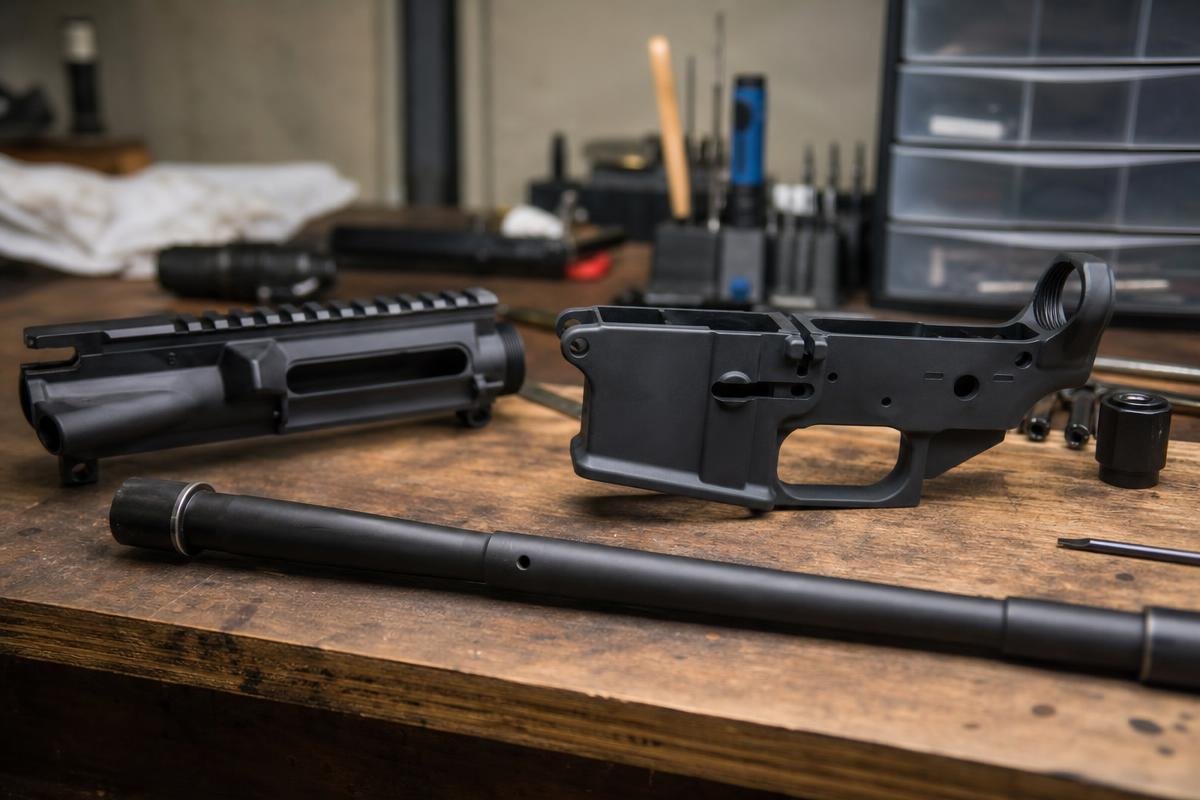
At AR15Parts.com, we explain what an AR-10 is and how to choose compatible large-frame parts before you buy. An AR-10 is a larger AR-style rifle platform commonly chambered in .308 Winchester or 7.62x51mm NATO, while the AR-15 is built around a smaller receiver and intermediate cartridges such as 5.56 NATO. The important buying detail is that large-frame ARs do not share one universal parts standard.
Key Takeaways
- An AR-10 is a larger-frame AR-style rifle commonly chambered in .308 Winchester or 7.62x51mm NATO.
- Major AR-15 systems, including receivers, barrels, bolts, magazines, barrel nuts, and handguards, do not cross-fit with large-frame AR systems.
- Some small controls may overlap between platforms, but each component should be checked against the manufacturer’s specifications.
- Large-frame rifles may use ArmaLite AR-10 or DPMS/LR-308-style dimensions, so the receiver pattern must guide every major parts purchase.
AR-10 Basics Before You Buy Parts
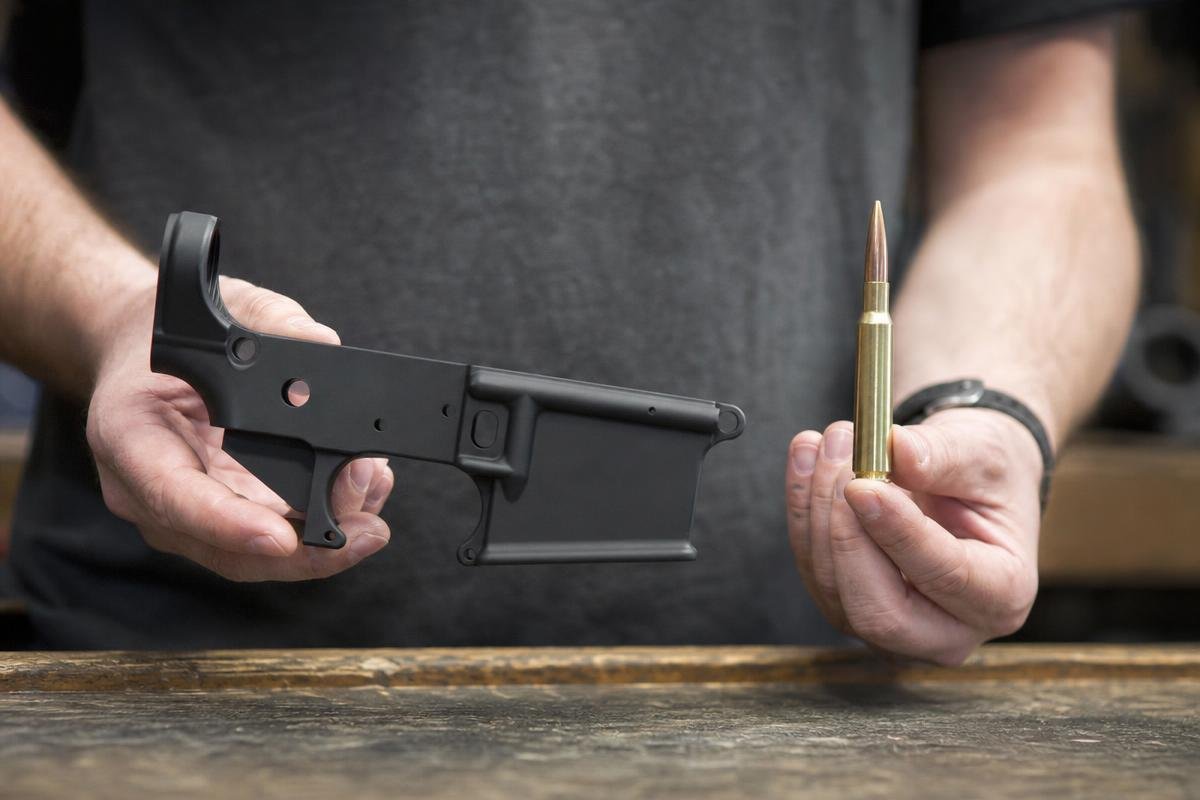
In practical terms, an AR-10 is a semi-automatic, large-frame AR platform. The AR-10 name originated with ArmaLite, but modern product listings may also use AR-308 or LR-308 for .308-class rifles. Those names describe a general family of rifles, not a single industry-wide specification.
Before ordering large-frame components, record the receiver manufacturer and pattern, the chambering, the magazine type, and the specifications for the component being replaced. Then compare the upper-to-lower interface, barrel extension and bolt requirements, rail height, barrel-nut interface, charging-handle style, and buffer-system requirements with the manufacturer’s documentation. This is the practical foundation for understanding what an AR-10 is and how it relates to compatible parts.
Start with the chambering and intended build. Our 6.5 Creedmoor complete upper receivers are an example of why a buyer should identify the intended cartridge and documented receiver pattern before choosing a configured upper.
What Is an AR-10, Exactly?
An AR-10 is a large-frame AR-style rifle platform originally developed by ArmaLite. Today, the term is also widely used for .308-class AR rifles, although rifles described as AR-10, AR-308, or LR-308 may use different dimensions and component interfaces.
The Original AR-10 Name and Modern Usage
The original AR-10 name refers to an ArmaLite rifle design. In current product descriptions, manufacturers may use AR-10, AR-308, or LR-308 to identify a large-frame AR, even when the receiver cuts, rail height, charging-handle geometry, buffer components, or barrel extension differ from an ArmaLite-pattern rifle.
For that reason, the product title alone is not enough to establish fit. Use the receiver manufacturer’s stated pattern and the component maker’s fitment notes when comparing a charging handle, bolt carrier group, upper receiver, handguard, or barrel.
Common Chamberings for Large-Frame AR Rifles
.308 Winchester and 7.62x51mm NATO are the chamberings most often associated with large-frame AR rifles. They have similar external case dimensions, but the chamber marking on the barrel identifies the ammunition guidance that applies to that barrel.
Large-frame builds can also be chambered in 6.5 Creedmoor. A 6.5 Creedmoor upper uses cartridge-specific barrel and bolt components, along with a gas and buffer setup selected for that configuration. Follow the upper and barrel manufacturer’s compatibility guidance rather than treating it as a simple barrel swap.
Why Barrel Markings and Manufacturer Specifications Matter
Headspace is the relationship between the chamber and the bolt locking surfaces when the bolt is closed. A barrel and bolt must be correctly matched, and headspace must be checked before the rifle is fired.
Start with the barrel marking, receiver pattern, and bolt specification. Then review the listing for stated compatible components. AR15Parts.com can review the product details you provide through our contact page when you have a fitment question about a listed item.
What Is the Difference Between an AR-10 and an AR-15?
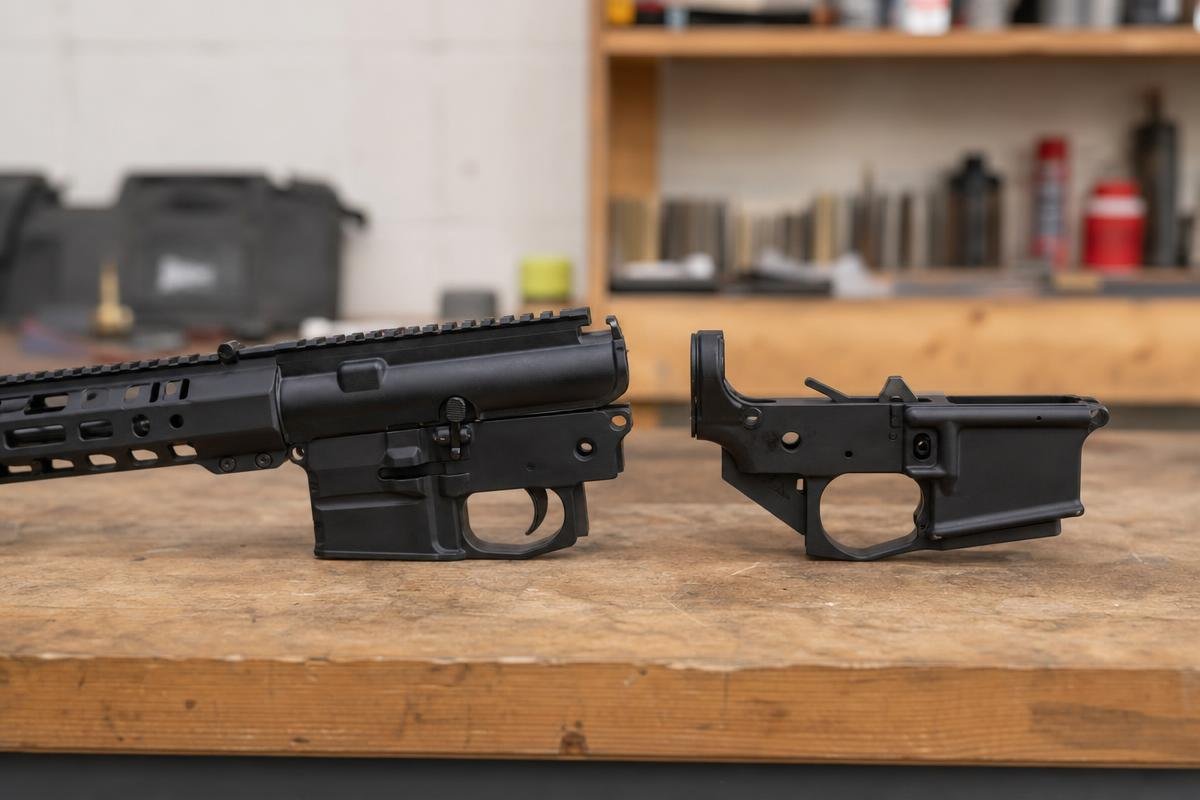
An AR-10 uses a larger receiver, bolt, barrel extension, and magazine system to accommodate .308-class cartridges. An AR-15 uses a smaller architecture for cartridges such as 5.56 NATO, so its core assemblies are not interchangeable with a large-frame AR.
Receiver, Bolt, and Magazine Differences
An AR-15 upper, lower, barrel, bolt carrier group, magazine, barrel nut, and handguard are not sized for a large-frame AR. A .308-class system uses a longer and wider receiver, a larger bolt face, and magazines designed around longer cartridges.
Some small parts, such as certain controls or springs, may overlap depending on the manufacturer, but that possibility does not apply to the primary operating and mounting systems. Check the exact product specifications for each individual part.
Cartridge Size Changes the Whole System
Common AR-15 chamberings include 5.56 NATO and .223 Wylde. Large-frame rifles are commonly chambered in .308 Winchester or 7.62x51mm NATO, with other options such as 6.5 Creedmoor also built on the larger receiver architecture.
A .308-class cartridge is longer and wider than 5.56 NATO. That difference affects bolt-face diameter, magazine geometry, receiver dimensions, rifle weight, recoil impulse, barrel selection, and gas-system setup. Compare available 5.56 NATO complete upper receivers with the cartridge and platform requirements in mind.
Choosing a Platform for the Intended Role
An AR-15 may suit general range use, training, and intermediate-cartridge shooting. A large-frame rifle may suit shooters seeking a .308-class cartridge for longer-distance target work, with the added size and weight that come with the platform.
Neither platform is universally better. Match the cartridge, barrel length, optic, and receiver system to the shooting you plan to do. If you are researching what an AR-10 is before ordering online, decide on the cartridge first, then work from a documented platform pattern.
For questions about listed products, contact AR15Parts.com through the AR15Parts.com contact page or call (888) 706-0633.
AR-10, LR-308, and AR-308 Patterns Are Not One Universal Standard
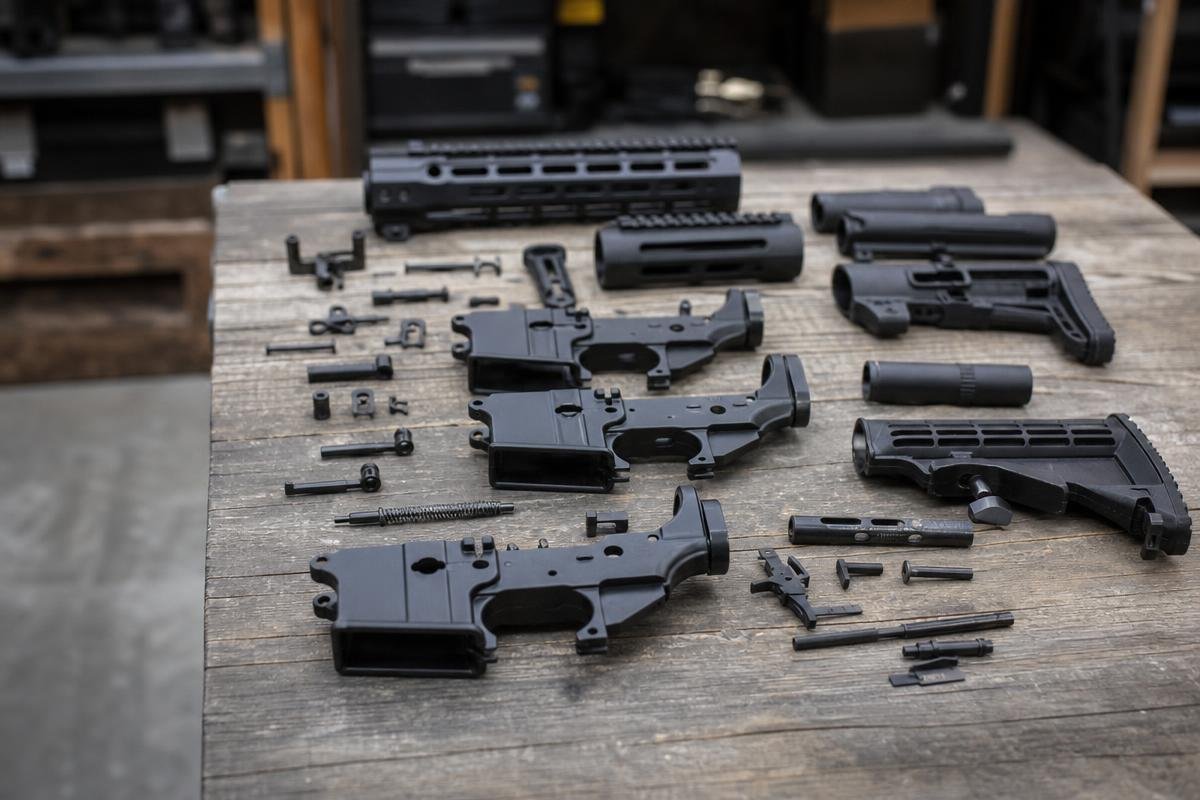
AR-10-pattern rifles and LR-308/DPMS-pattern rifles share the broad traits of a large-frame AR, but there is no universal large-frame mil-spec. The receiver pattern determines which upper, lower, barrel, bolt carrier group, handguard, charging handle, buffer parts, and magazines are appropriate.
Are AR-10 and LR-308 Parts Interchangeable?
Not as a universal rule. ArmaLite AR-10 and DPMS/LR-308-style parts can differ in receiver geometry, upper-to-lower mating, rail height, barrel extension details, charging-handle dimensions, and buffer systems, so compatibility must be established from the manufacturer’s documentation.
| Component Area | ArmaLite AR-10 Pattern | DPMS/LR-308 Pattern | Buying Guidance |
|---|---|---|---|
| Upper and lower receivers | Pattern-specific receiver geometry | Pattern-specific geometry that may not mate with ArmaLite receivers | Use a documented matched receiver set when possible. |
| Top rail and handguard | Rail and handguard interfaces vary by model | May use high-profile or low-profile rail heights | Match the handguard and top-rail height to the upper receiver. |
| Barrel and extension | Barrel extension and upper interface are pattern dependent | Barrel extension and upper interface are pattern dependent | Choose a barrel listed for the specific upper pattern and pair it with the correct bolt. |
| Magazine pattern | May use an ArmaLite-specific magazine design | Commonly uses SR-25 or DPMS-style magazines | Follow the lower receiver maker’s stated magazine type. |
| Charging handle | Dimensions may vary by pattern and receiver design | Dimensions may vary by pattern and receiver design | Buy a charging handle identified for your receiver pattern. |
| Buffer system | Length and weight requirements vary by configuration | Rifle and carbine systems can use different tubes, buffers, and springs | Follow the receiver and stock-system manufacturer’s guidance. |
Why Receiver Pattern Comes First
Receiver pattern establishes the basic geometry of the build. It affects upper-to-lower fit, takedown and pivot-pin dimensions, top-rail height, charging-handle travel, barrel-nut interface, and handguard alignment.
DPMS-style upper receivers are often described as high rail or low rail. That distinction is especially important when selecting a free-float handguard because a handguard that physically mounts may still leave the top rail misaligned with the receiver if the rail heights do not match.
Large-Frame AR Parts Compatibility Checklist
Use this sequence before buying parts for a large-frame build.
- Identify the receiver manufacturer, model, and stated pattern.
- Confirm that the upper and lower are designed to mate together.
- Match the barrel extension and barrel-nut interface to the upper receiver.
- Select the bolt carrier group specified for the barrel and receiver pattern, then check headspace before firing.
- Match the handguard to the barrel nut and, where applicable, the upper receiver’s high- or low-profile rail.
- Choose magazines and a buffer system listed for the lower receiver and stock configuration.
Magazine fit is controlled by the lower receiver design. A chamber-correct .308 upper can still be unsuitable if its receiver, bolt carrier group, or magazine system is not designed for the lower you own.
Barrel, Bolt, and Gas System Checks
A barrel and bolt must be correctly paired, and headspace must be checked before use. This confirms that the bolt locks correctly with the chambered cartridge and is a necessary safety step when assembling or changing these components.
Gas-system selection is a separate issue from receiver mating. Gas-tube length must match the barrel’s gas-system location, the gas block must match the barrel journal diameter, and the gas port, buffer, spring, and carrier mass must work together for reliable cycling. Those choices affect function, while the receiver and rail specifications govern physical fit.
For shooters looking for a configured large-frame option, AR15Parts.com carries 6.5 Creedmoor complete upper receivers. Review each product listing for its stated receiver-pattern and component requirements.
Have the receiver make, model, chambering, and product details ready, then send us a message if you need help reviewing listed specifications.
How to Choose Between an AR-10 and an AR-15 Build
Choose the cartridge and intended role first, then select the platform and documented components that support that plan. The AR-10 versus AR-15 decision begins with your intended use, not with a receiver set or a barrel sale.
Choose the Cartridge and Intended Role First
An AR-15 fits 5.56 NATO and other cartridges designed around its smaller-frame architecture. It gives you a broad selection of complete AR-15 upper receivers in multiple chamberings, including turnkey units ready to drop onto a compatible mil-spec AR-15 lower receiver.
A .308 Winchester, 7.62x51mm NATO, or 6.5 Creedmoor build calls for a large-frame AR. Consider range use, hunting where lawful, and longer-distance target work. Match the chamber, barrel length, gas system, optic setup, and ammunition to that role. Follow safe handling practices and applicable laws.
Use Documented, Matched Components
First-time builders should avoid mixing unknown large-frame parts. ArmaLite AR-10, DPMS/LR-308, and other .308-size designs can use different receiver cuts, barrel extensions, rail heights, buffer systems, charging handles, and magazine interfaces.
Start with documented receiver and component specifications. Check manufacturer fitment notes, chamber markings, barrel-extension details, gas-system length, and handguard compatibility before ordering. A matched receiver set and components listed for that pattern reduce guesswork during assembly.
AR15Parts.com is located at 4000 Texoma Parkway, Denison, TX 75020. Contact the team with the exact product name or SKU and the specifications marked on your existing components when you need help comparing a listed part.
Consider Smaller-Frame Cartridge Options on Their Own Terms
As intermediate cartridges, 6.5 Grendel and 6.8 SPC II are not substitutes for a .308-class large-frame rifle, though they offer more energy than 5.56 NATO in an AR-15-size platform. Both can run in an AR-15-size platform with the correct barrel, bolt, and magazines, but they have different cartridge dimensions and performance limits.
Choose them because their specific cartridge characteristics fit your intended use. Do not assume they provide the same large-frame AR capability simply because they offer more energy than 5.56 NATO.
AR Platform Education from Denison, Texas
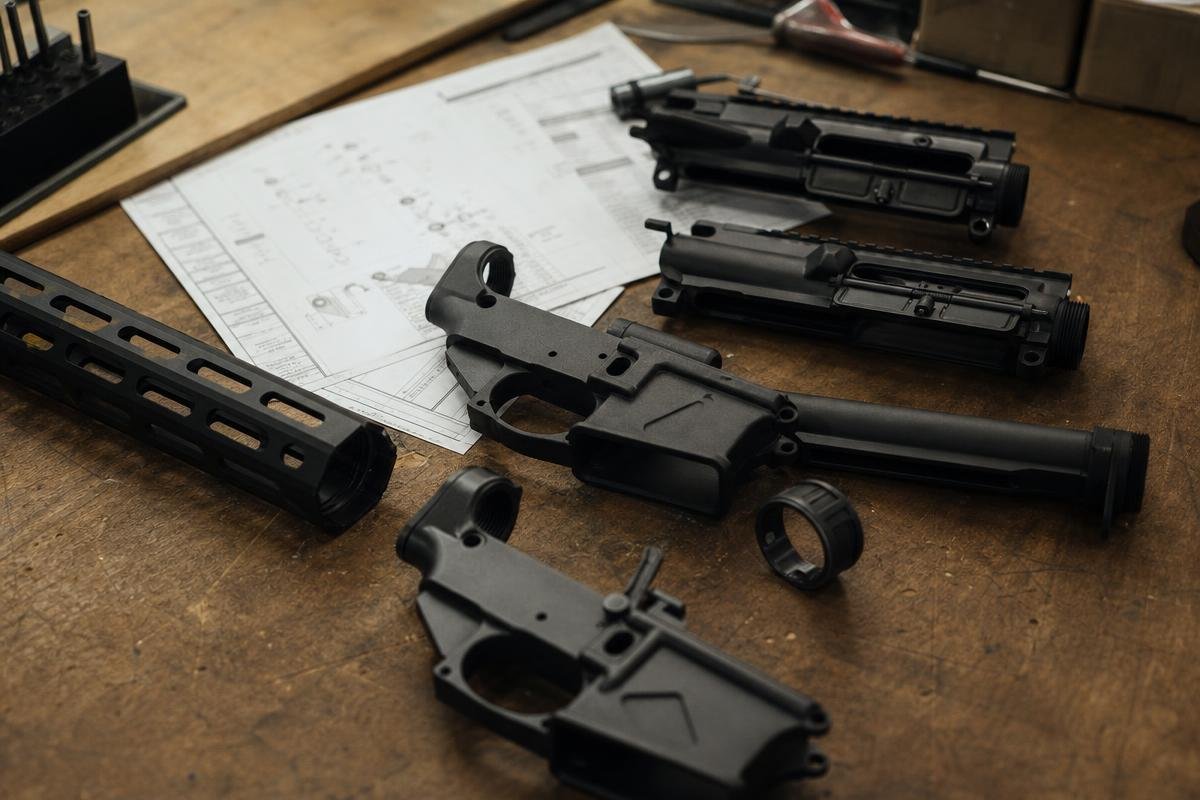
AR15Parts.com provides product education for customers researching AR-10 and AR-15 configurations. Firearm purchases and shipments are subject to applicable federal, state, and local laws, including required transfer procedures where applicable. Review the specifications and policies associated with the product you are considering before placing an order.
A Compatibility-First Approach to Product Research
Large-frame AR research starts with the exact receiver pattern rather than the rifle’s general appearance. Product listings and manufacturer specifications should guide decisions involving upper and lower receivers, handguards, bolt carrier groups, charging handles, barrel assemblies, and magazines.
Compare the listed pattern, chambering, barrel extension, gas-system length, and thread specifications before ordering. If you are also researching smaller-frame options, our complete AR-15 upper receivers show the chambering and configuration details you should confirm for any build.
Questions to Ask Before Ordering
Have your receiver manufacturer, receiver pattern, chambering, barrel information, and desired component ready before asking about a listed part. A useful question includes the exact product name or SKU and the specifications marked on your existing components.
- Who made the receiver, and what large-frame pattern is it?
- What cartridge is the barrel chambered for?
- What barrel length and gas-system length are installed?
- Which component are you replacing or adding?
You can contact our team at (888) 706-0633 with questions about listed products and specifications. You can also send product details through our contact page so we can review the information you provide.
Frequently Asked Questions
Is an AR-10 the Same as an AR-308?
No. AR-10 can describe the original ArmaLite-pattern rifle, while AR-308 is often a general label for a .308-size AR. In an AR-10 vs LR-308 comparison, the receiver pattern and manufacturer specifications control actual fit.
Can AR-15 Parts Fit an AR-10?
Most core AR-15 parts do not fit a large-frame AR. Receivers, bolts, barrels, magazines, handguards, and barrel nuts use different dimensions. Some small controls may cross over, but you must confirm each part before ordering.
Are .308 Winchester and 7.62x51mm NATO the Same?
They are related cartridges, but they are not identical specifications. Chamber dimensions and pressure standards differ. Read the barrel marking and follow the barrel manufacturer’s ammunition guidance.
Do All AR-10 Magazines Fit Every Large-Frame Rifle?
No. Magazine fit depends on the lower receiver pattern. Many large-frame rifles use SR-25 or DPMS-pattern magazines, while ArmaLite-pattern rifles may use a different magazine design. Check the receiver maker’s stated magazine type before buying.
Is an AR-10 Better for Long-Distance Shooting?
An AR-10 can be a practical choice for longer-distance work because it is commonly chambered in .308 Winchester or 6.5 Creedmoor. Results still depend on barrel length, twist rate, ammunition, optic setup, and shooter skill. Review the listed specifications on our 6.5 Creedmoor complete upper receivers before matching components.
What Should I Verify Before Buying Large-Frame AR Parts?
Confirm AR-10 parts compatibility before you start the build. Write down the receiver manufacturer, receiver pattern, chambering, barrel extension type, bolt, handguard and barrel nut, gas-system parts, and magazine type.
Before ordering a receiver, barrel, bolt carrier group, handguard, or magazine, compare every part against the manufacturer fitment details. For questions about specifications on listed products, contact AR15Parts.com through the contact page or call (888) 706-0633.
Ready to Get Started with AR15Parts.com?
Call (888) 706-0633 to speak with our team directly. We're ready to answer your questions, walk you through your options, and help you find the right solution for your needs. Whether you're just starting to plan or ready to move forward, we'll make the process simple and stress-free. Reach out today and let's talk about how we can help.