
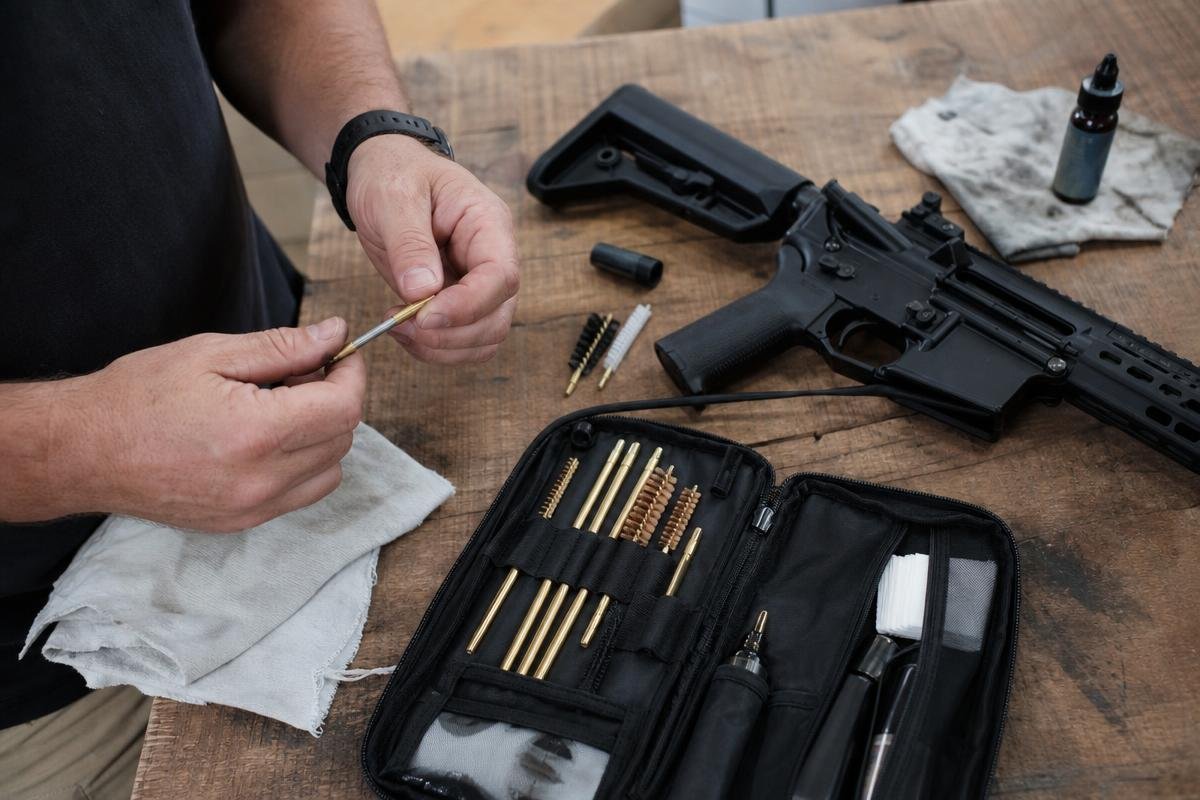
A useful kit is built around your rifle’s bore diameter and the AR-specific areas a generic universal kit often misses. We cover what to look for in an AR-15 cleaning kit, from caliber-correct rods, brushes, jags, and patches to chamber tools and non-marring detail tools for the bolt carrier group. Ready to replace missing tools or build a practical kit? Contact us for help matching cleaning supplies to your upper.
Key Takeaways
- A working AR-15 cleaning kit needs caliber-correct bore brushes, jags, patches, and a cleaning rod.
- Chamber brushes and bolt carrier group tools remove carbon from areas a bore snake cannot reach.
- Choose tools that match your rifle’s caliber, chamber, and upper configuration.
- Use solvent sparingly, then apply a light lubricant film to moving parts after cleaning.
Why a Universal Cleaning Kit Often Falls Short
A large universal kit can still miss the parts that matter on an AR platform. A useful AR-15 cleaning kit should clean the bore, chamber, bolt carrier group, upper receiver, and magazines without damaging finished surfaces or small components.
When deciding how to choose an AR-15 cleaning kit, start with the parts you must inspect and maintain. Avoid mismatched rod sizes, harsh abrasives, and picks that can scratch the chamber, damage gas rings, or mark the receiver finish. A compact kit with fewer correct tools is more useful than a case full of generic brushes.
We ship from our facility at 4000 Texoma Pkwy, Denison, TX 75020. For North Texas storage, wipe exterior metal dry after exposure to humidity, rain, or temperature changes, and use a light preservative film when a rifle will sit for an extended period.
What Should an AR-15 Cleaning Kit Include?
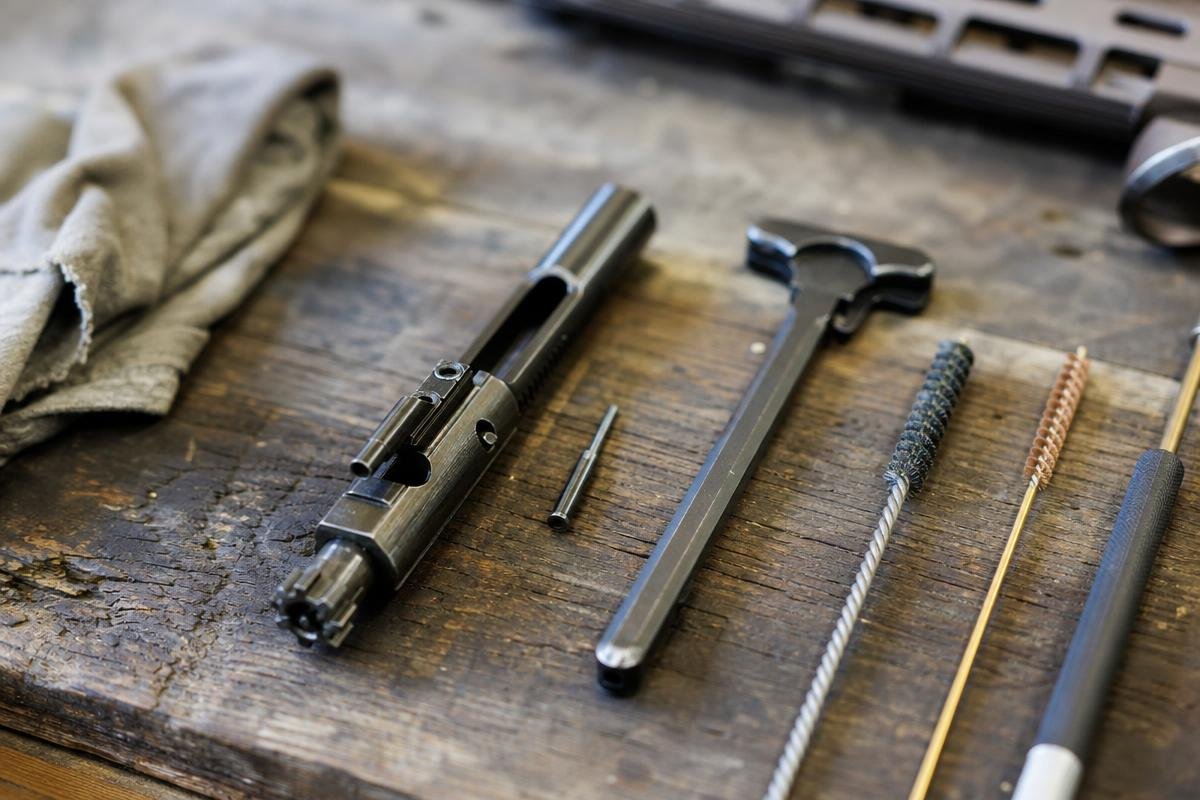
An AR-15 cleaning kit should include caliber-correct bore tools, a chamber brush, patches, solvent, lubricant, a nylon utility brush, and non-marring detail tools. The best kits also let you clean from the chamber end when practical and inspect the bolt carrier group without relying on aggressive scraping.
Bore Tools That Match the Caliber
Bore brushes, jags, patches, and cleaning rods must match the bore diameter and chambering you own. A .223 or 5.56 NATO rifle generally uses .22-caliber bore tools, while a .300 Blackout upper needs .30-caliber brushes, jags, and patches.
A coated one-piece rod provides controlled cleaning on a bench and helps reduce rod contact with the bore. Choose a rod long enough to pass through the barrel without repeatedly handling the muzzle. Pull-through systems are compact for a range bag, but they do not replace a chamber brush or give the same control over tight patches. A jag holds a patch snugly for bore contact, while a slotted tip is more forgiving with varying patch sizes but may bunch patches if overloaded. Match your tools to the barrel on your complete AR-15 upper receiver.
Do You Need a Chamber Brush for an AR-15?
Yes. An AR-15 chamber brush is important because it reaches the chamber and locking-lug recesses that a standard bore brush and pull-through cannot adequately address. A brush with the correct AR chamber profile helps remove fouling where extraction and lockup occur, without turning the job into abrasive scraping.
Use the brush with solvent and controlled turns. Do not drive it hard into the chamber or use it as a scraping tool. A clean chamber supports reliable extraction and gives you a better view during inspection.
Bolt Carrier Group Cleaning Tools
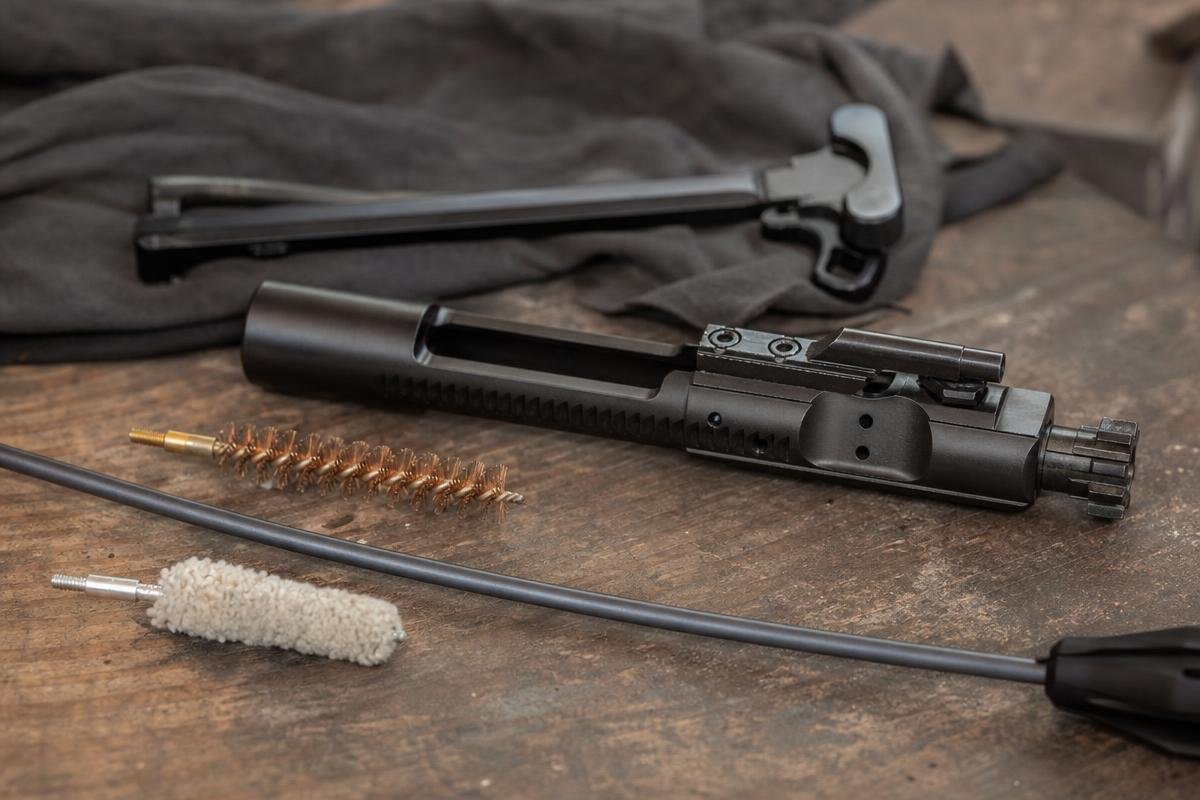
The bolt carrier group needs a nylon brush, patches, non-marring picks, and a light hand. Clean the bolt tail, bolt bore, gas rings, extractor recess, cam pin, firing pin, carrier rails, and the exterior of the gas key.
Remove loose carbon without aggressive scraping. Do not force tools into the gas key or insert picks, swabs, pipe cleaners, or other objects into its gas passage unless a manufacturer-approved procedure specifically calls for it. Good AR-15 cleaning supplies let you inspect each part while you clean it.
First-Purchase AR-15 Cleaning Kit Checklist
For a first kit, buy the tools that fit your rifle before adding specialty items. A practical way to compare kits is to look for the following levels of coverage:
- Good: Caliber-correct bore brush, jag, patches, rod or pull-through, solvent, and lubricant.
- Better: The core items plus an AR-15 chamber brush, nylon utility brush, and a separate cloth for exterior wipe-down.
- Best: The better kit plus caliber-specific attachments for each upper, non-marring detail tools, a bore guide or muzzle protector where appropriate, and enough patches to avoid reusing dirty material.
Common omissions include a true chamber brush, a correctly sized jag, enough patches for a full cleaning session, and .30-caliber attachments for .300 Blackout. Call (888) 706-0633 for help matching a kit to your upper and the tools you already own.
Solvent, Lubricant, and Cleaning Materials That Match the Job
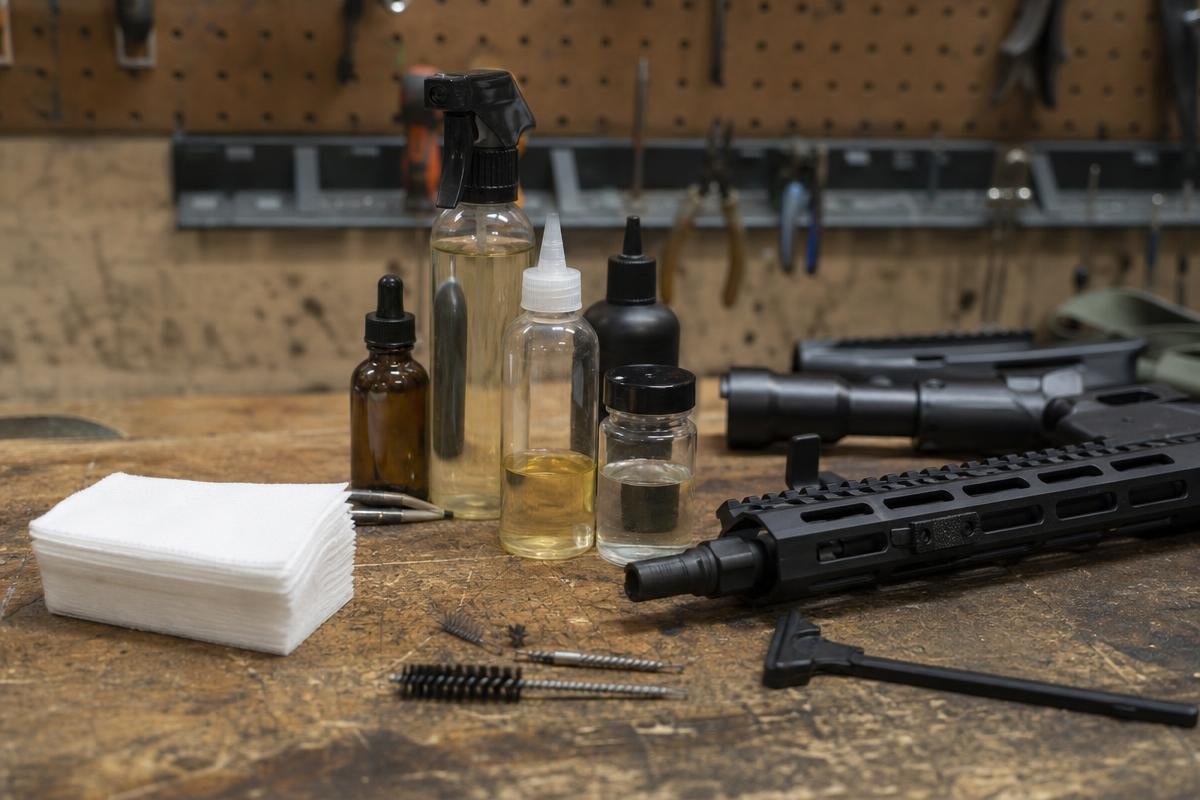
An AR-15 cleaning kit works better when each chemical has one clear purpose. Match your AR-15 cleaning supplies to the fouling you see, the rifle’s storage condition, and the manufacturer’s instructions.
What Each Cleaning Chemical Does
Carbon solvent loosens powder residue on the bolt carrier, bolt tail, and chamber area. Bore cleaner addresses powder fouling in the barrel. Copper remover targets jacket material, but you do not need it every time you clean an AR-15.
Use copper remover only as directed on its label, especially with coated bores or muzzle devices. Degreaser removes old oil before inspection, while preservative leaves a protective film on exterior metal during storage. Follow the firearm and product manufacturer guidance for finishes, barrel materials, and chemical dwell time.
Lubricate Contact Surfaces, Not Every Open Space
Your rifle should not be left dry after cleaning. Apply lubricant to the carrier rails, cam pin, bolt lugs, and bolt body where parts move against each other.
Do not flood the receiver, trigger pocket, or magazine well. Excess oil can hold fouling in the action and make inspection harder. An AR-15 maintenance kit should include a quality lubricant and a separate preservative, since those products do different jobs.
Consumables That Belong on the Bench
Keep lint-free patches, nylon utility brushes, cotton swabs, and non-marring picks in your kit. These materials are useful for the bolt bore, locking lugs, cam-pin area, and receiver corners when used carefully.
- Use patches for the bore, chamber, and wipedown work.
- Use nylon brushes for carbon on the carrier and bolt.
- Use swabs and picks around the cam pin, extractor recess, and the exterior of the gas key.
Leave steel wool, household abrasives, and unknown chemicals out of your maintenance kit. Do not insert swabs, picks, or pipe cleaners into the gas key passage. For rifles stored through humid Texoma weather, inspect exterior metal and lightly protect it before placing the rifle in storage.
Choose a Kit That Reaches the Parts Most Often Missed
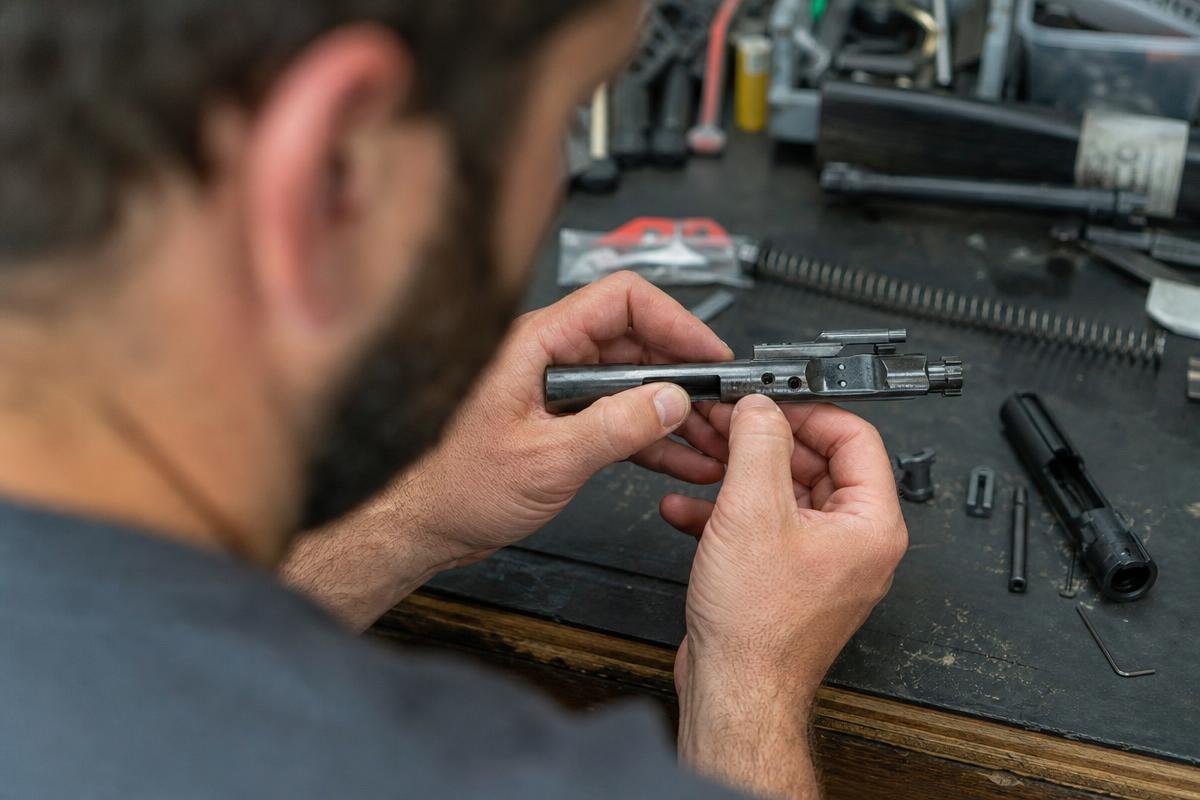
A good AR-15 maintenance kit reaches inspection points without forcing tools into tight spaces or prying on small parts. For AR-15 bolt carrier group cleaning, use narrow nylon brushes, cotton swabs, and non-marring picks to remove carbon without scraping finished surfaces.
Pre-Use Inspection Checklist
Before cleaning, verify that the rifle is unloaded and pointed in a safe direction. After cleaning, inspect the parts that affect feeding, locking, and gas operation before loading.
- Check the bolt bore for fouling and confirm the gas rings are present and undamaged.
- Inspect the cam pin for unusual wear, cracks, or burrs.
- Check the gas key for looseness, damage, or heavy carbon around its base.
- Examine magazine feed lips and followers for cracks, binding, or deformation.
- Confirm your ammunition matches the verified barrel or chamber designation; do not rely on an upper-receiver marking.
The ejection-port cover helps limit debris entry during storage and carry. It does not replace routine cleaning or inspection.
Small Tools for Tight AR-15 Components
Small nylon picks and detail brushes reach the bolt tail, locking lugs, extractor area, and receiver corners. Avoid steel picks on anodized aluminum, coated bolt carriers, and small bearing surfaces. Use tools to lift fouling, not to force parts into position. If you are learning how to clean an AR-15, start with normal field-stripping procedures and keep advanced disassembly out of routine maintenance.
Magazine Maintenance Without Over-Disassembly
Magazine maintenance usually means removing loose grit, checking feed lips and followers, and keeping the body dry and free of excess lubricant. Disassemble only when the magazine is visibly dirty, has been exposed to debris or moisture, or is showing a function issue, and follow the magazine manufacturer’s procedure.
Do not leave oil inside the magazine body. Excess lubricant can collect dust and contaminate ammunition. If a spring, follower, feed lip, or body appears damaged, stop using that magazine until its condition can be confirmed.
Know When to Stop and Ask a Gunsmith
Send damaged, loose, or questionable parts to a qualified gunsmith. Do not attempt gas-key staking, bolt repair, or corrective work on a worn cam pin with cleaning tools.
If you need help identifying a questionable component, contact AR15Parts.com or call (888) 706-0633.
What Is Essential and What Is Optional for a First AR-15?
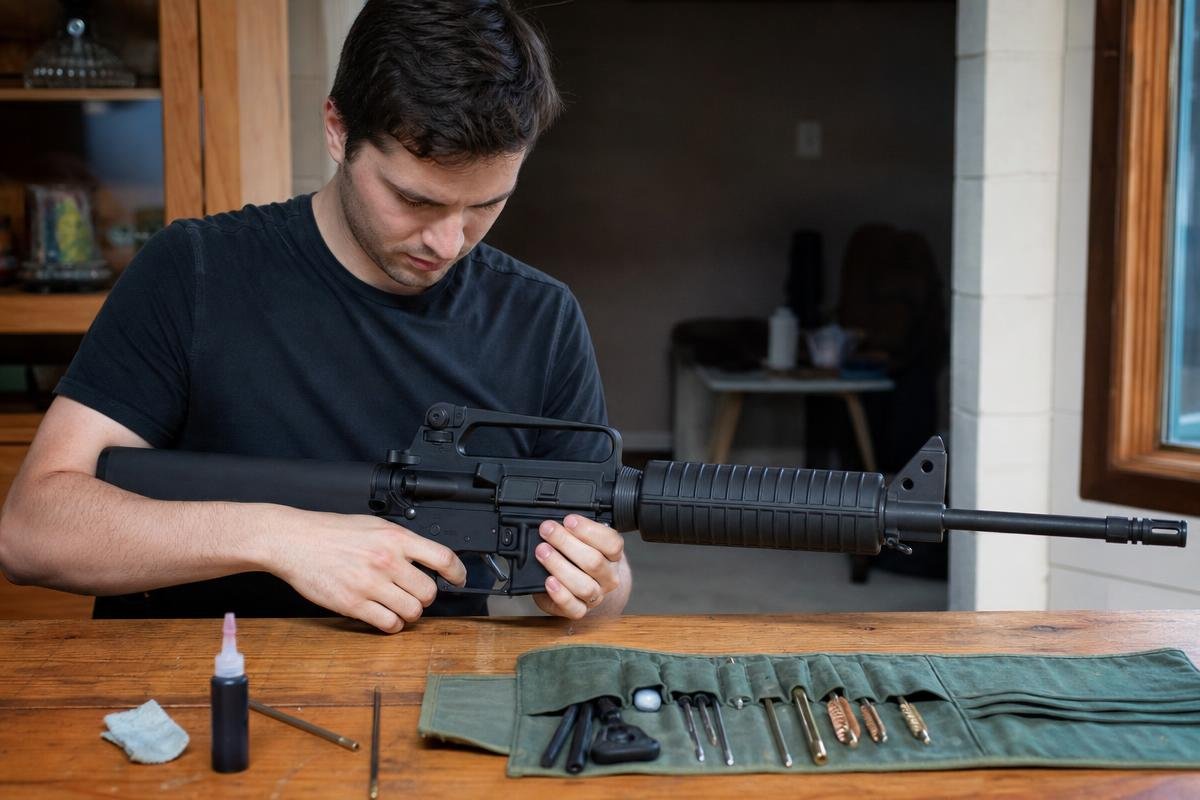
For a first AR-15, check receiver and barrel materials, chamber marking, gas-system fit, basic sights, and AR-15 maintenance kit compatibility before adding upgrades. Focus on a configuration you can safely inspect, maintain, and support with correctly sized cleaning tools.
Core Specifications to Check First
Start with the listing, not the label on the box. Buyers may see 7075 aluminum receivers and 4150 steel barrels, but you should verify those specifications on the actual product page. Check the chamber marking, barrel length, twist rate, gas-system length, and muzzle device.
A 5.56 NATO chamber gives you broad ammunition compatibility. Make sure your cleaning rod, chamber brush, bore brush, and patches fit the barrel caliber. A complete rifle can provide a clear starting point when you want a turnkey configuration instead of sorting individual parts.
Why a Basic Sight Setup Has Practical Value
Yes, fixed sights and a fixed gas block are enough for a basic rifle. An A2 front sight post paired with a rear sight gives you an immediate iron-sight reference out of the box.
A fixed front sight base also has fewer moving parts than an adjustable gas block setup. It protects the gas block and keeps the front end simple while you learn sight adjustment, cleaning, and routine inspection.
Upgrades That Can Wait
Free-float handguards can improve consistency by keeping sling or support-hand pressure off the barrel. Adjustable gas blocks can tune gas flow for specific ammunition or suppressor use. Ambidextrous controls, match triggers, and barrel coatings each serve a purpose, but none are required for a dependable first rifle.
Buy the rifle with sound core specifications first. Then add parts after you know what your shooting and maintenance routine requires.
Need help sorting essential features from optional upgrades? Call us at (888) 706-0633.
Match Your Cleaning Kit to the Rifle Configuration You Own
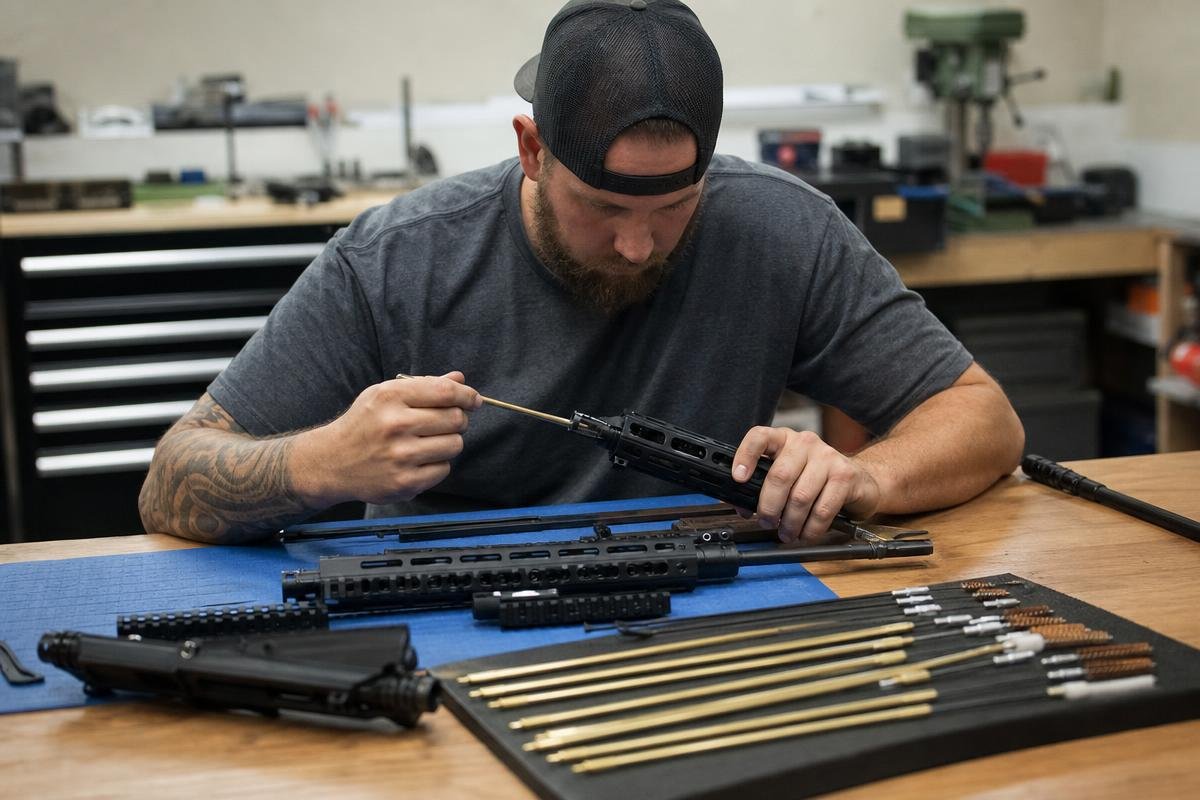
An AR-15 cleaning kit should fit your chamber, bore diameter, and upper configuration. One kit can cover multiple uppers if it includes correctly sized rods, jags, brushes, and patches for each caliber.
What Caliber Cleaning Tools Do 5.56, 300 Blackout, and 9mm ARs Need?
5.56 NATO and .223 Wylde rifles commonly use .22-caliber bore tools. 300 Blackout rifles need .30-caliber bore tools, and 9mm AR platforms need 9mm/.38 caliber bore tools. Use the barrel marking and manufacturer guidance to confirm bore-tool size, then keep separate brushes, jags, and patches for each caliber.
Check barrel markings before buying AR-15 cleaning supplies. Multiple uppers need separate bore brushes and patch sizes where calibers differ. Compare your setup against our complete AR-15 upper receivers before ordering replacement cleaning tools.
Fouling Patterns Change With Configuration
Short barrels, suppressors, and gas-system length can change where carbon collects. Suppressed rifles often show more fouling around the bolt carrier group, charging handle, chamber, and magazine area.
Do not follow a fixed cleaning interval. Assess firing volume, ammunition, storage conditions, visible fouling, and your rifle manufacturer’s guidance when deciding how to clean an AR-15.
Access Around Handguards and Muzzle Devices
Long handguards and certain muzzle devices can limit access near the gas block, barrel shoulder, and muzzle threads. Compact nylon brushes and flexible cable systems can help clean accessible surfaces without removing parts unnecessarily.
Do not use cleaning tools to disturb gas-block fasteners, muzzle-device timing, or other installed components. If you need help matching tools to your rifle, provide the chambering and upper details when you contact the parts team.
Must-Have Accessories That Support Safe, Practical Rifle Use
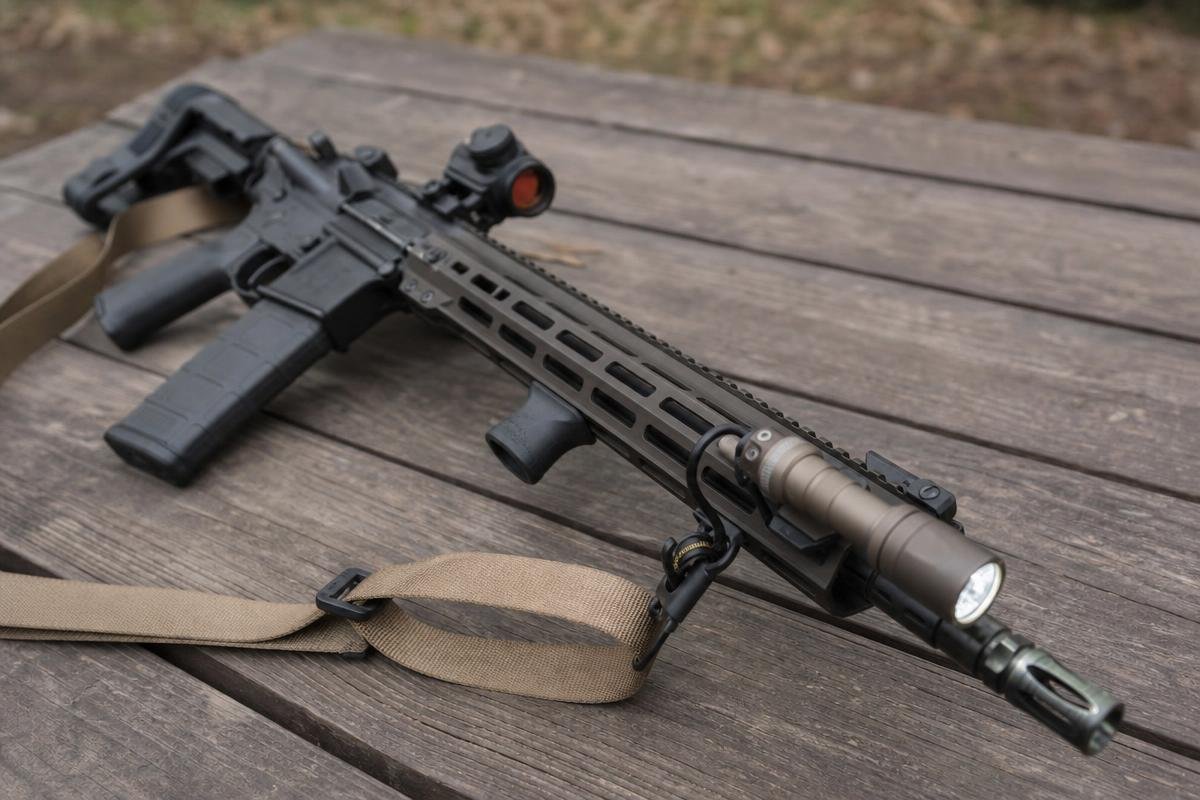
Accessories should match a practical purpose, not fill open rail space. An optic or iron sights provide an aiming reference. A sling helps you retain and carry the rifle. A white light supports positive identification where lawful and appropriate.
Aiming References, Slings, and White Lights
Choose an aiming reference you can adjust and confirm at the range. A two-point sling is a common carry and retention option. White lights need a secure mount, protected cable routing if applicable, and controls you can reach without blocking your sight picture.
Match Mounts to the Rail Interface
Check your handguard before buying a mount. M-LOK, KeyMod, Picatinny rail sections, and other patterns require compatible hardware. Fit also depends on mount geometry, fastener clearance, and an open rail or slot position.
Review the handguard and rail layout on AR-15 complete rifles before selecting accessories. A mount that contacts a gas block, sight base, or another accessory can loosen or sit crooked.
Keep Accessory Mounting Surfaces Clean
Yes, clean accessible mounting surfaces during routine maintenance. An AR-15 cleaning kit should include a cloth or brush for wiping rail slots, mount contact points, and exposed fasteners. Remove loose grit and old lubricant before checking screw tension.
Keep cleaning materials away from optic lenses and electrical contacts. If you need help matching an accessory to your rifle, contact our parts team with your handguard pattern and mount type.
AR-15 Cleaning Kit Guidance for Denison Rifle Owners
Before calling us, note your barrel marking, upper configuration, and the rods, brushes, jags, and patches already on hand. Those details make it easier to avoid duplicate tools and to identify gaps in a kit, especially when one rifle owner uses multiple caliber-specific uppers.
Bring the Rifle Details That Affect Tool Fit
Know your chambering, barrel length, upper configuration, and tools already on hand. A 5.56 NATO bore brush is not the right fit for a .300 Blackout, 9mm, or larger-bore upper, even though those firearms may share aspects of the AR platform.
A photo of barrel markings or product specifications can help identify the right brush, jag, patches, and chamber tool. This is particularly useful when you are replacing only the consumables that wore out rather than buying an entire kit again.
Confirm Upper and Lower Compatibility From Product Specifications
A complete upper is ready to drop onto a mil-spec lower receiver only when product specifications confirm compatibility. Check caliber, receiver pattern, buffer system requirements, and magazine compatibility before ordering.
Our complete AR-15 upper receivers list configuration details so you can compare parts before purchase. If you need help matching an upper or cleaning tools to your rifle, contact AR15Parts.com at (888) 706-0633.
Frequently Asked Questions
What Does a Basic AR-15 Cleaning Kit Need?
A basic AR-15 cleaning kit needs a caliber-correct bore tool, patches, a chamber brush, nylon brush, solvent, lubricant, and small non-marring cleaning tools. Brushes, jags, and patches must match your bore diameter. Keep a separate chamber brush for carbon around locking lugs and barrel extension areas.
Do Different AR-15 Calibers Need Different Cleaning Tools?
Yes, different calibers need bore tools sized for their bore diameter. A 5.56 NATO rod attachment and jag will not properly fit every .30-caliber barrel. Check your barrel marking before ordering AR-15 cleaning supplies, especially for 300 Blackout, .350 Legend, and larger-bore uppers.
How Often Should an AR-15 Be Cleaned?
Clean your rifle based on ammunition, firing volume, storage conditions, observed fouling, and manufacturer instructions, not a fixed round count. Inspect bolt carrier group parts after range use, including gas rings, cam pin, extractor, and gas key. AR-15 bolt carrier group cleaning should remove loose carbon while leaving proper lubrication on bearing surfaces.
Can a Universal Cleaning Kit Work for an AR-15?
A universal kit can work if it includes correctly sized brushes, jags, patches, and an AR-15 chamber brush. Many universal kits lack tools for chamber lugs and tight bolt carrier areas. Confirm that attachments fit your caliber and that rods will not damage your muzzle or bore.
What Should I Do if I Find a Damaged or Uncertain Part?
Stop using a damaged or uncertain part until you identify its condition and compatibility. Check for chipped bolt lugs, loose gas keys, worn extractor parts, damaged magazines, or barrel obstructions. Need help matching cleaning tools, an upper, or a maintenance-related component to your rifle? Contact AR15Parts.com at (888) 706-0633 or use our contact page before ordering.
Ready to Get Started with AR15Parts.com?
Call (888) 706-0633 to speak with our team directly. We're ready to answer your questions, walk you through your options, and help you find the right solution for your needs. Whether you're just starting to plan or ready to move forward, we'll make the process simple and stress-free. Reach out today and let's talk about how we can help.